-
The BlogBiographies
-
Videos

September 8, 1781
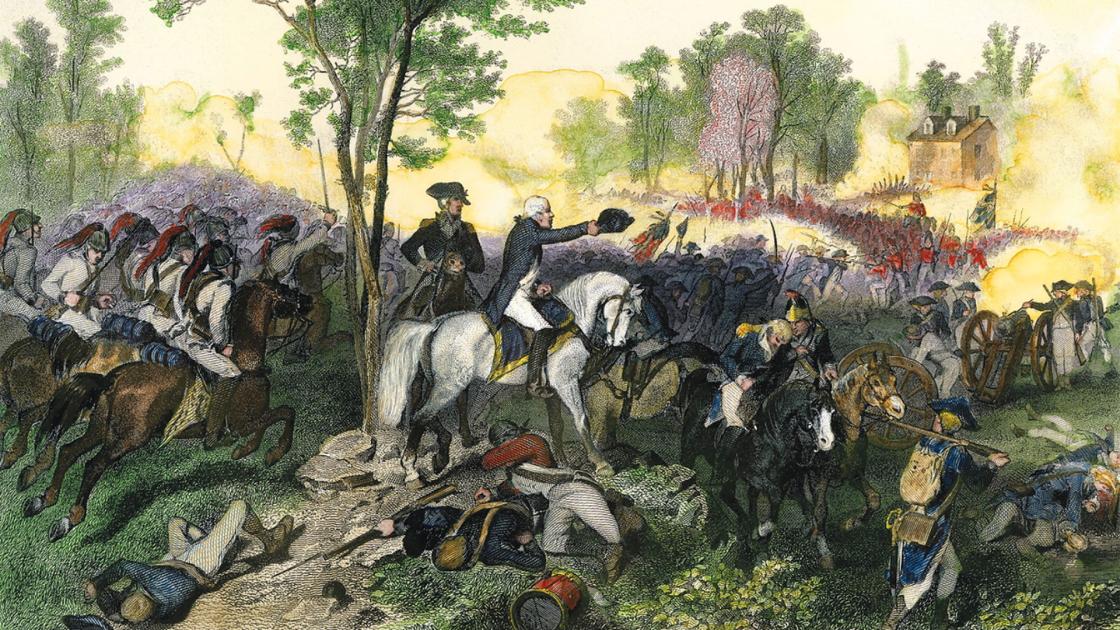
In the early hours of the morning on September 8, 1781, Nathanael Greene led his men from Burdell's Plantation toward a British force commanded by Colonel Alexander Stewart. It was during this march that Greene's column crashed into a Loyalist foraging party, forcing troops back several miles and thus sparking one of the largest pitched battles of the Southern Campaign.
Before You Go
This section of the Eutaw Springs tour covers Nathanael Greene's march on Stewart's position and the subsequent clashes that led to the pitched battle on the morning of September 8, 1781. This portion of the tour requires a vehicle to traverse the distance. To learn more about the battle, please select The Empire Strikes Back section of the Eutaw Springs collection.
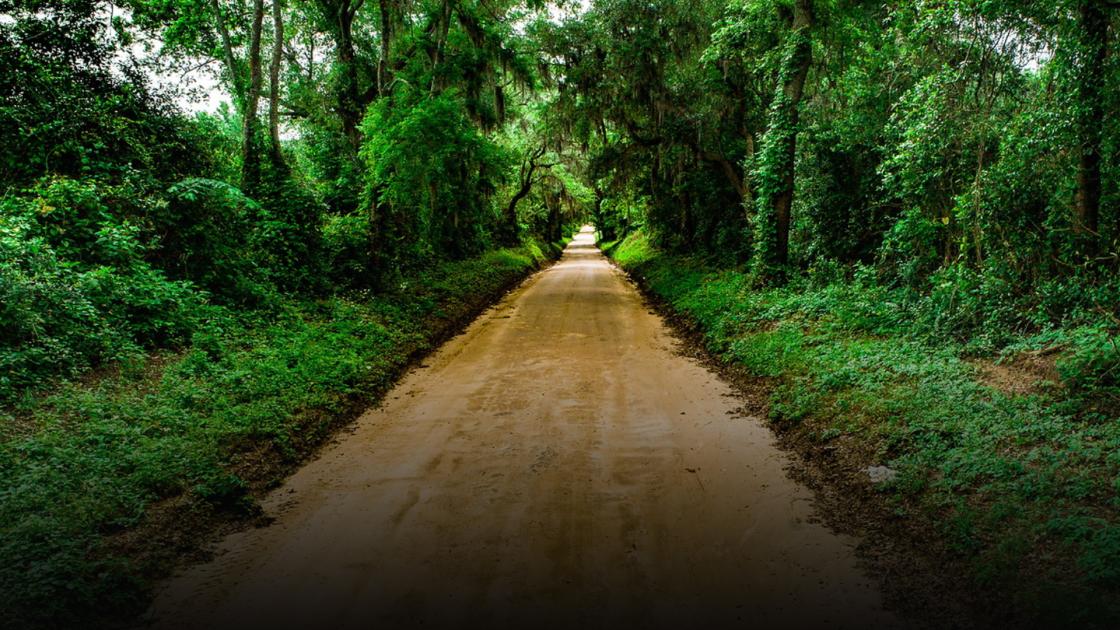
When you walk this oak-lined dirt road, try to imagine some 2,000 Patriots led by Major General Nathanael Greene kicking up a cloud of dust here on September 8, 1781. They were making a seven-mile march from Burdell’s Plantation to engage about 1,600 troops fighting under British Lieutenant Colonel Alexander Stewart at Eutaw Springs. The Patriots waged a ferocious campaign to break the British and Loyalist hold on outposts in the South Carolina Lowcountry, and their persistence weakened the enemy and kept them on the run. With his most seasoned officers Greene confronted Stewart’s forces early that hot morning and drew them into a fight that cost hundreds of casualties.
Stewart had the largest field force in South Carolina. Like Greene, he was supported by several experienced officers, including Thomas Dawson, John Harris Cruger, Henry F. Sheridan, John Marjoribanks, and John Coffin. The clash — between these veterans and resolute Patriot militias led by Francis Marion and Andrew Pickens, as well as Continental Regulars under John Eager Howard and Henry "Light Horse Harry" Lee — played out over four miles and four hours, and took them through woods, swales, and thickets. The landscape you see today has changed since then, but the significance of the Battle of Eutaw Springs has not. Greene’s attack ultimately drove Stewart’s forces out of the South Carolina countryside and back to the coast. The following year, the British evacuated Charleston and sailed home, ending seven years of war.
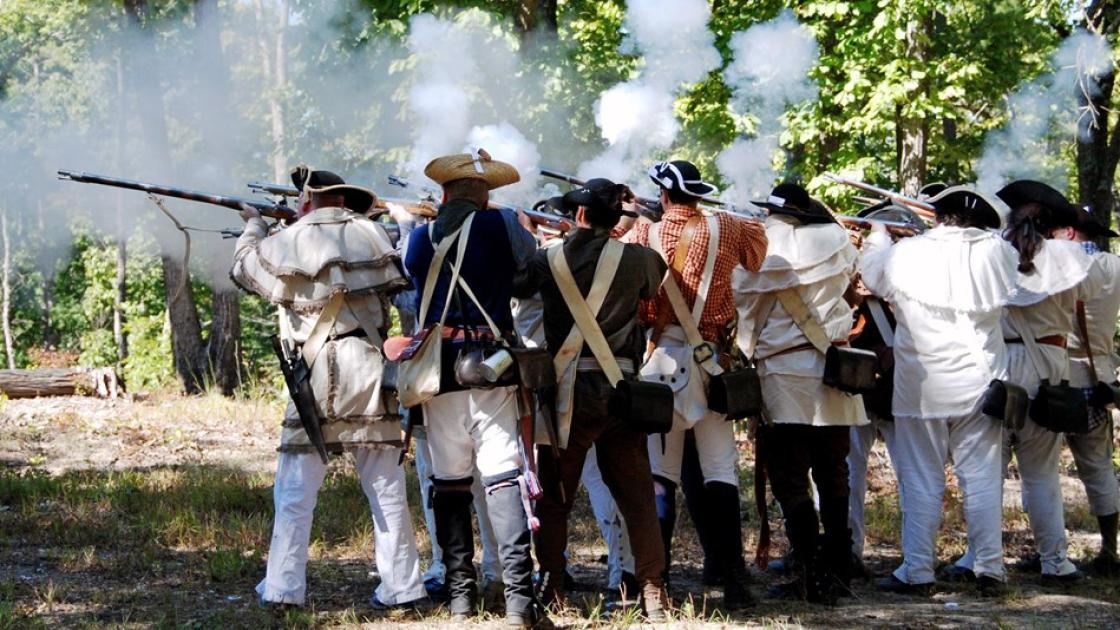
It did not matter whether you were a Patriot or a Loyalist — if you were a combat soldier during the Revolutionary War you were perpetually low on rations and constantly hungry. It often took days for troops in the field to receive supplies from depots and military bases, and the shipments frequently went astray or were plundered by opposing armies. Soldiers resorted to foraging at nearby farms and plantations for unharvested crops. September is sweet potato season in South Carolina, and on September 8, 1781, Stewart dispatched foraging parties to gather the root vegetables for the camp. Mostly unarmed, they hunted a few miles northwest of the pond before you.
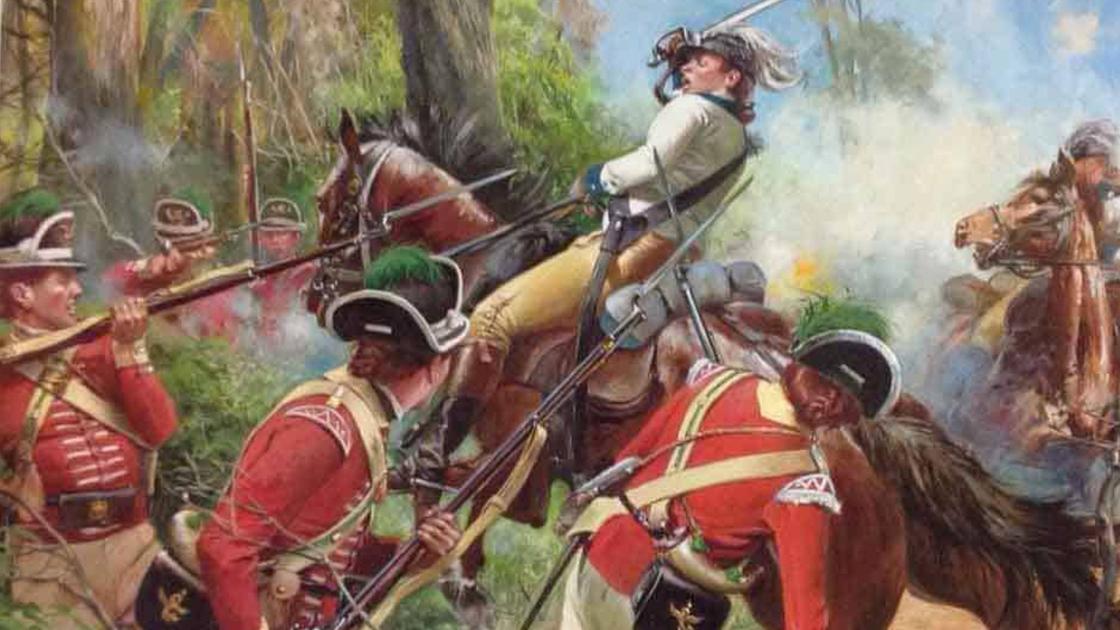
At about the same time, Stewart acted on a tip from Patriot deserters and sent Coffin’s cavalry out to assess possible enemy activity in the area. A few miles from camp, Coffin rode right into the vanguard of Major General Nathanael Greene’s Patriot forces. He made an unsuccessful effort to charge and slow their advance toward Eutaw Springs and was quickly repulsed. The gunfire during this skirmish drew some unsuspecting members of the British rooting parties out of the woods and directly into Patriot hands. While the Patriots rounded up their prisoners, Coffin retreated to warn Stewart, who hastily implemented a battle plan.
The historic route taken by Greene’s Patriots toward Eutaw Springs is still visible in the countryside nearby and continues at this junction with the modern road. As you travel along the paved street today, you are following in Greene’s footsteps. Here, he paused his march and deployed his infantry in two lines. Let's pause with them for the next two stops.
The American troops were a diverse coalition of professional Continental Army soldiers, state units, and militias. Greene positioned the militias in front of the Regulars, as Captain Robert Kirkwood of the Delaware Regiment noted in his journal:
The South & North Carolina Militia in front, Commanded by Genls. Marion & Pickens, having Col. Lee horse, & Infantry on their right Flank, and the State Horse, and mounted Infantry, on their left. The Second line was Composed of North Carolina regulars, Virginians & Marylanders, having two three Pounders between the N. Carolinians, & Virginians, and two six Pounders between the Virginians & Marylanders. Col. Washington’s Horse, with my Infantry were the Corps de Reserve.
This unwieldy force kept formation as they headed toward British commander Stewart’s infantry, waiting a mile out from Eutaw Springs. Like the Patriot army, the British side was also a varied group. Their forces included paid professional army Regulars, Provincials (American Loyalists who were uniformed, paid, and drilled as British Regulars), and Loyalist militia volunteers. The complicated allegiances and motivations that brought these men to fight under one flag or another were not always clear and contributed to the birth pangs of a new nation.
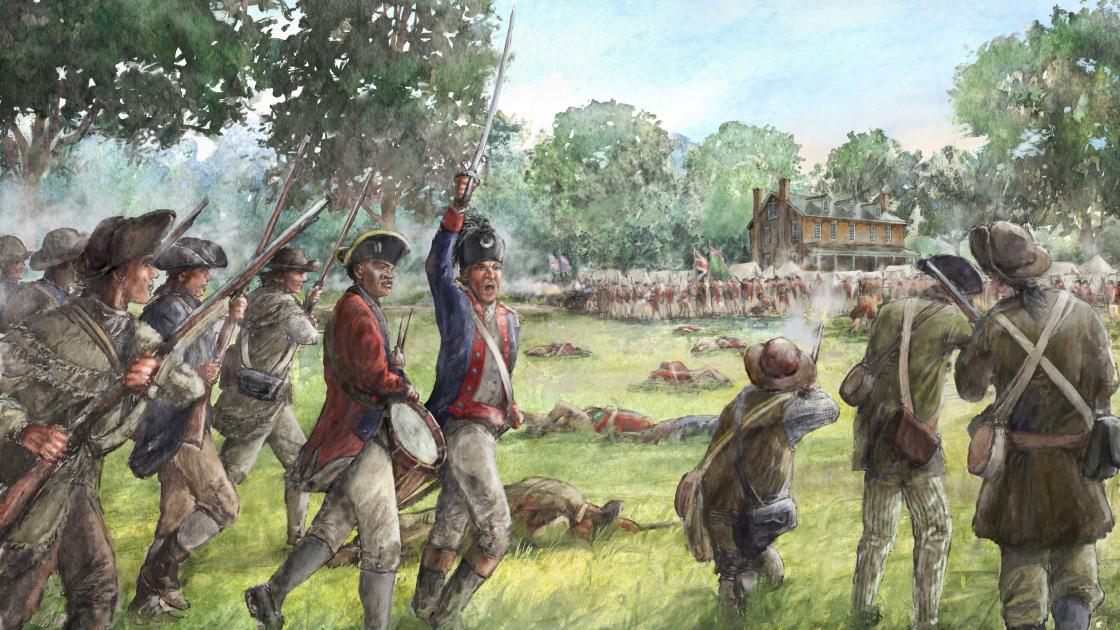
To enslaved people here in the South, the war was a personal quest for liberty. Jim Capers and Tony Small, both present at the Battle of Eutaw Springs, took different paths to freedom.
Capers was born into slavery on September 23, 1742, at a plantation in Christ Church Parish, South Carolina. On June 15, 1775, he enlisted as a drum major in the 4th South Carolina Regiment, eventually commanded by Marion. Capers fought in the Siege of Savannah, the Siege of Charleston, and at Georgetown, Camden, Biggin Church, and here at Eutaw Springs, where he was severely wounded. He returned to the ranks and was finally discharged on October 1, 1782. In Capers' pension records, he maintained that he "marched to State of Virginia, and was present at the Surrender of Lord Corn Wallace & was one of the principle Drummers when the Captive Army surrendered," an aspect of his service much discussed today. A true survivor, Capers sought new opportunities in Alabama after the war. He died there, in Pike County, on April 1, 1853 at the extraordinary age of 110.
Small, a runaway, wandered onto the battlefield during the engagement at Eutaw Springs and came upon a blood-soaked and unconscious British officer. He took the wounded man to his hut and nursed him back to health. That officer was Lord Edward FitzGerald, an 18-year-old Irish aristocrat. The grateful lieutenant offered Small his liberty and a paying job as his servant. They traveled back to Charleston together and eventually to FitzGerald’s home in County Kildare, Ireland. The close relationship between Small and FitzGerald not only changed Small’s future, but also that of his employer. The British officer gradually embraced the ideals that seeded the American Revolution. He later became a rebel himself, coordinating the failed insurrection of 1798 against British rule in Ireland.