-
The BlogBiographies
-
Videos

August 6, 1780
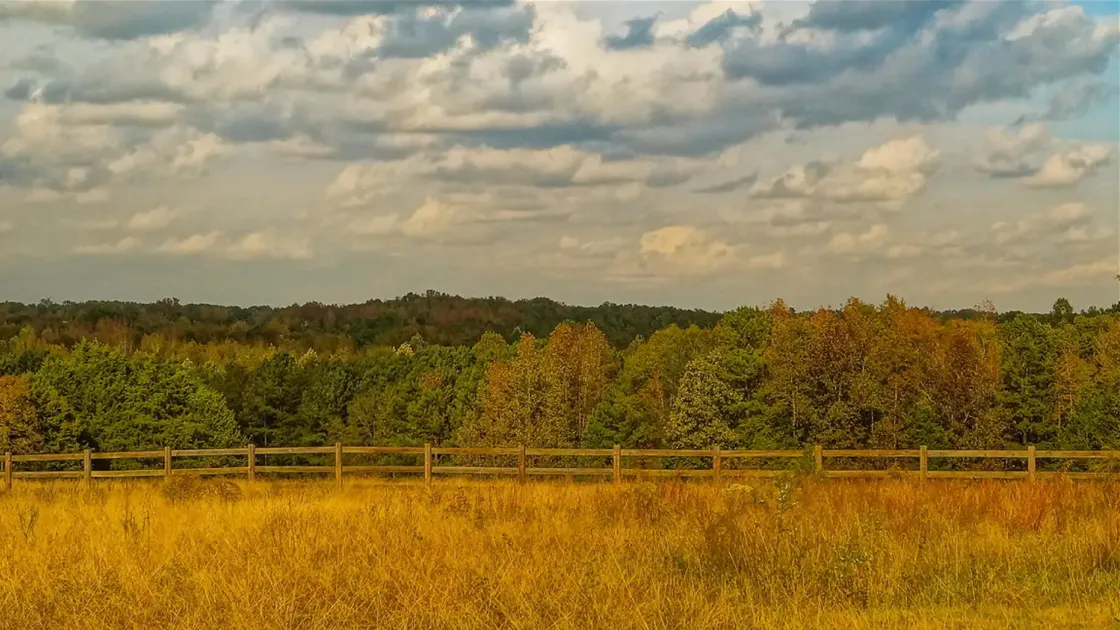
Named for the nearby boulder called Hanging Rock, this battleground was the site of three British camps, which were attacked by Patriot troops on August 6, 1780. It was a fight primarily between countrymen — Patriots who supported independence and Loyalists who supported British rule. The ardent Patriots seized two camps and inflicted heavy casualties before withdrawing to continue the resistance.
Before You Go
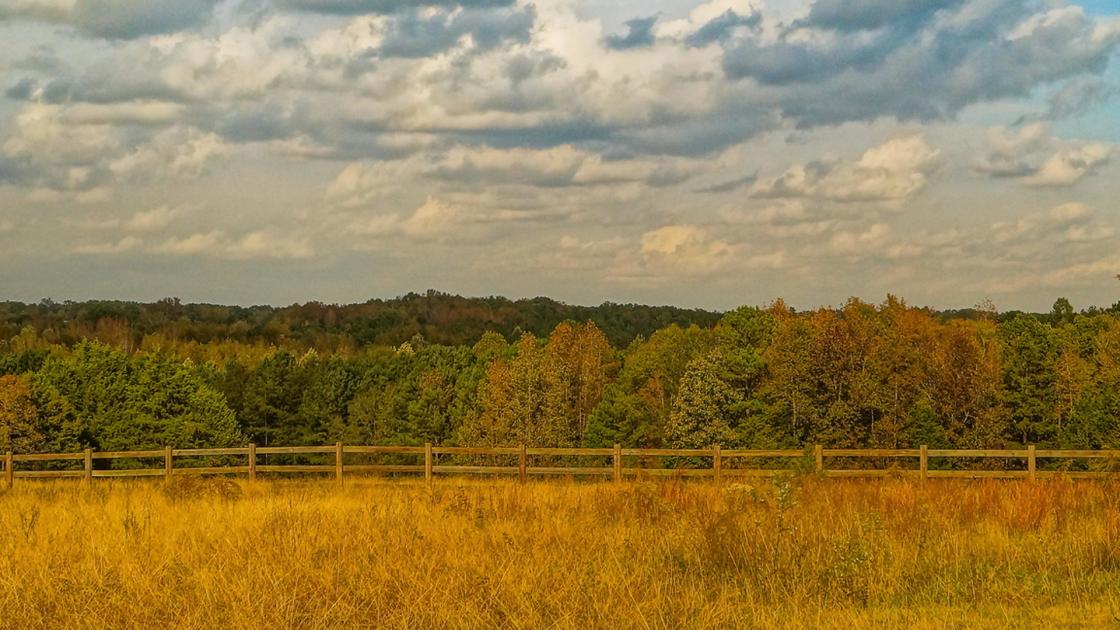
The new battleground park, the focus of this tour, now lies at the intersection of Flat Rock Rd and Beecher Horton Rd and sits on the original site of the 1780 battle. The stone parking lot marks the entrance of the trail head of a loop with a distance of 0.75 miles. Nearby lies the Hanging Rock Battleground Park, maintained by the South Carolina Department of Parks, Recreation, and Tourism, which houses an individual marker at the low point of the trail.
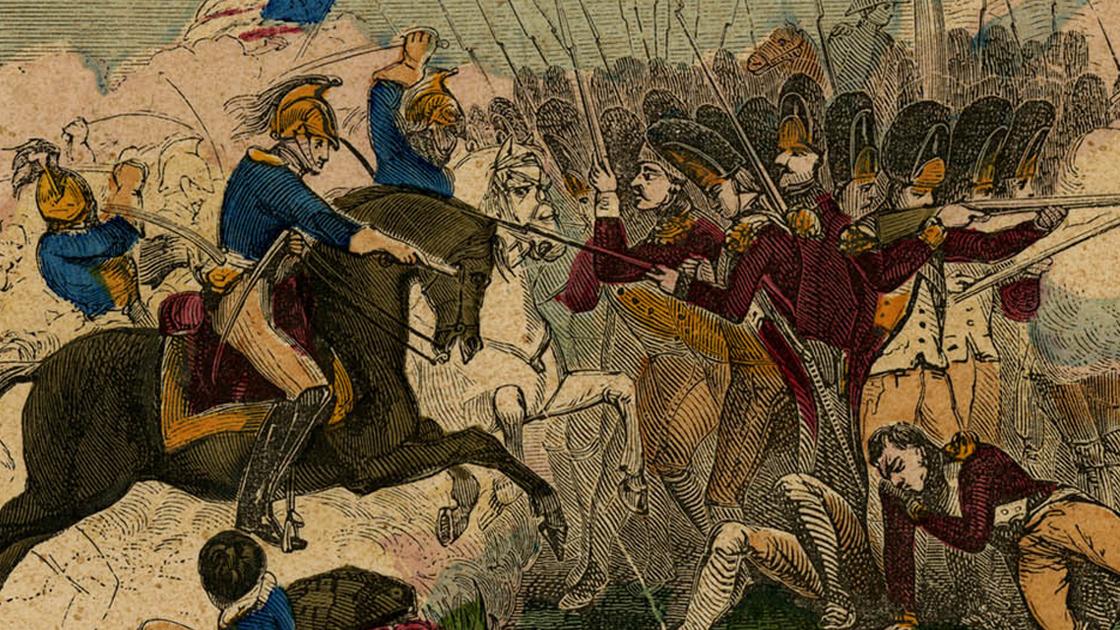
If you are looking for the well-known cantilevered rock formation for which the Battle of Hanging Rock is named, head about a mile southeast of here — but first stop to explore this historic ground where Patriots attacked a British outpost on August 6, 1780, during the American Revolutionary War. As part of their Southern Campaign, the British seized Charleston in the spring of 1780, established bases throughout South Carolina, and used rural routes as communication conduits to recruit Loyalist support, as well as to ferry troops and supplies to key locations. The Patriots systematically raided these outposts to harass the enemy, attract new militia to their cause, and boost morale. These objectives led Patriot Brigadier General Thomas Sumter’s army to confront British Major John Carden’s troops at this spot on that sweltering summer day centuries ago. Later in the war, such tactics would become part of Patriot Commander Nathanael Greene’s overall strategy to wear down the British Army and push them back to the coast.
Carden’s garrison at Hanging Rock was located at the crossroads of the Catawba River Road and the Great Waxhaw Road, north of Camden. It was unprotected by fortifications and manned by about 1,100–1,400 local Loyalist militiamen and Provincials. The troops occupied three separate camps. Sumter’s Patriot force of 800 was also composed of militia units from North and South Carolina as well as 35 warriors from the Catawba Nation. After a surprise sunrise assault, Sumter took two of the three British camps, but was unable to hold his ground despite inflicting heavy losses. His men plundered the enemy camps and withdrew. Although Sumter’s men failed to take the garrison, the battle was a Patriot victory. The partisans proved their mettle and humiliated their opponents.
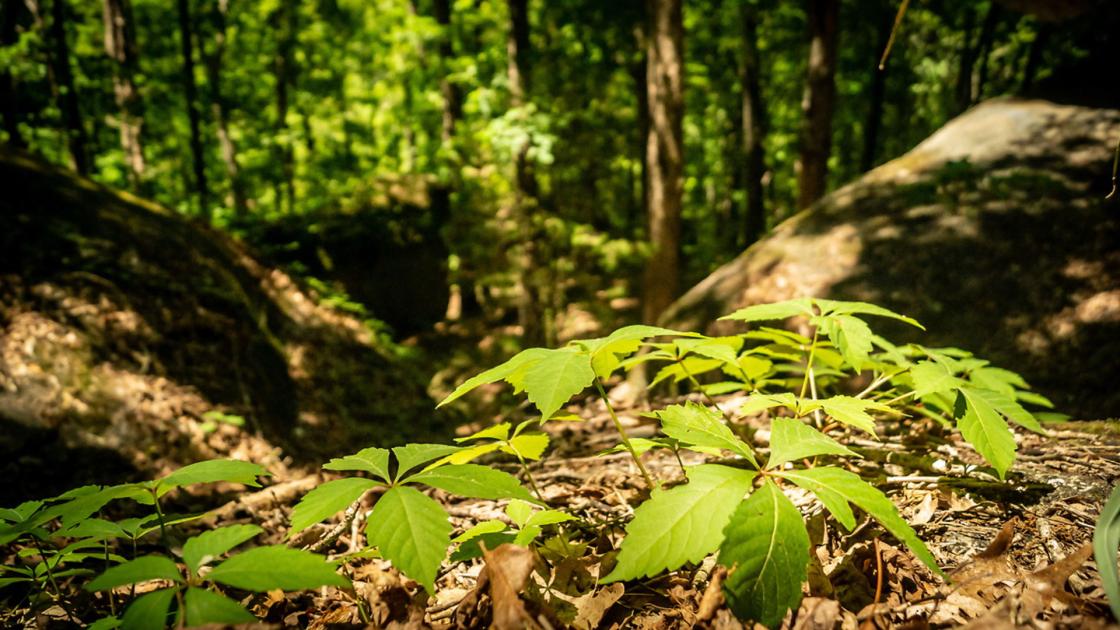
Moving and garrisoning an army in times of war requires an intimate knowledge of the local terrain. During the Revolutionary War in South Carolina, troops had to march on rural roads and trails, ascend steep hills, and slog through swamps, creeks, and dense woods. The British were encumbered by artillery, precarious munitions wagons, and skittish horses. The treks between outposts were exhausting and, in this region, the heat overpowered the heartiest of soldiers. Access to water was all important, as was shelter from the enemy. As you hike at Hanging Rock today, you can see why the British chose this site for their garrison.
The encampment was situated on two fairly level ridges where the Catawba River Road from the west, now Beecher Horton Road, intersected with the Great Waxhaw Road. The north side of the River Road and Colonel Samuel Bryan’s Loyalist militia camp were protected by a marsh at the headwaters of Hanging Rock Creek. The camps of the Royal North Carolina Regiment, a Provincial unit, and the Prince of Wales American Regiment, on the Great Waxhaw Road, were protected on the east by a steep decline to Hanging Rock Creek, and on the west by irregular hillsides. There were several natural springs nearby for drinking water, two of which are still here today.
On August 5, the Patriots believed the water level of the Catawba River was low and passable. Nature, however, is unpredictable. Thomas Sumter’s plan to surprise the British at Hanging Rock before dawn on August 6 was almost foiled by the “Rapidity of the current.”
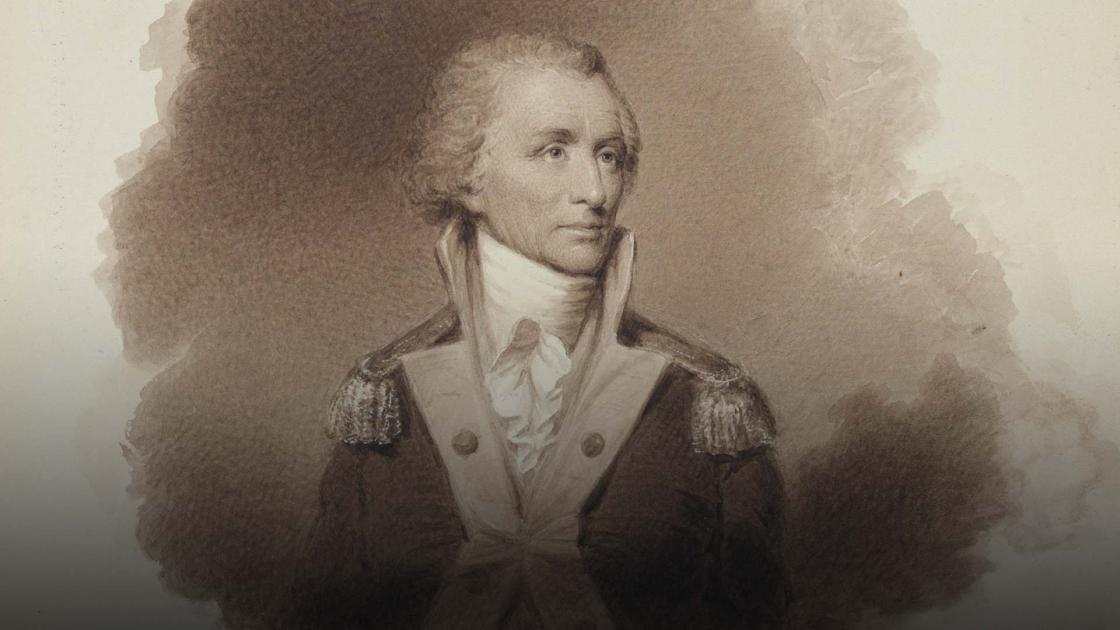
Thomas Sumter — the “Carolina Gamecock” — was an officer in the Virginia militia during the French and Indian War. Before the American Revolution, he moved to South Carolina and established a successful plantation. Early in the war, Sumter served as an officer with South Carolina’s State Troops. In 1778 he resigned his commission and returned to his estate. When British Lieutenant Colonel Banastre Tarleton’s raiders burned his home in 1780, Sumter reemerged as the leader of an ardent band of partisans, intent on harassing the British and driving them from their outposts. A brilliant recruiter, Sumter earned his famous nickname while visiting the Gillespie farm in North Carolina. The Gillespie brothers were known for their barnyard cockfights featuring an aggressive blue hen called Tuck. Sumter prevailed on the men to leave the cock pit and go with him where he would teach them “how to fight with men.” Seeing that the Patriot officer was as fearless as Tuck, they called him the game cock. The epithet stuck, with Tarleton reportedly referring to his zealous nemesis by that moniker as well.
Joining Sumter in the resistance were South Carolina militia Colonels William Bratton, William Hill, Edward Lacey, and Richard Winn, as well as North Carolina militiamen under Colonel Robert Irwin and Major William Richardson Davie. On July 30, 1780, Sumter’s spirited army attacked the British outpost at Rocky Mount, South Carolina, while Davie launched a simultaneous attack on nearby Hanging Rock (known as the First Battle of Hanging Rock) as a diversion. Davie was successful, but Sumter was not. Sumter needed to keep the pressure on the British. Knowing that Hanging Rock was unfortified and that some of its cavalry troops were being dispatched to reinforce Rocky Mount, he seized the opportunity to launch a second attack there — a decision even Tarleton later praised as “thoroughly sensible.”
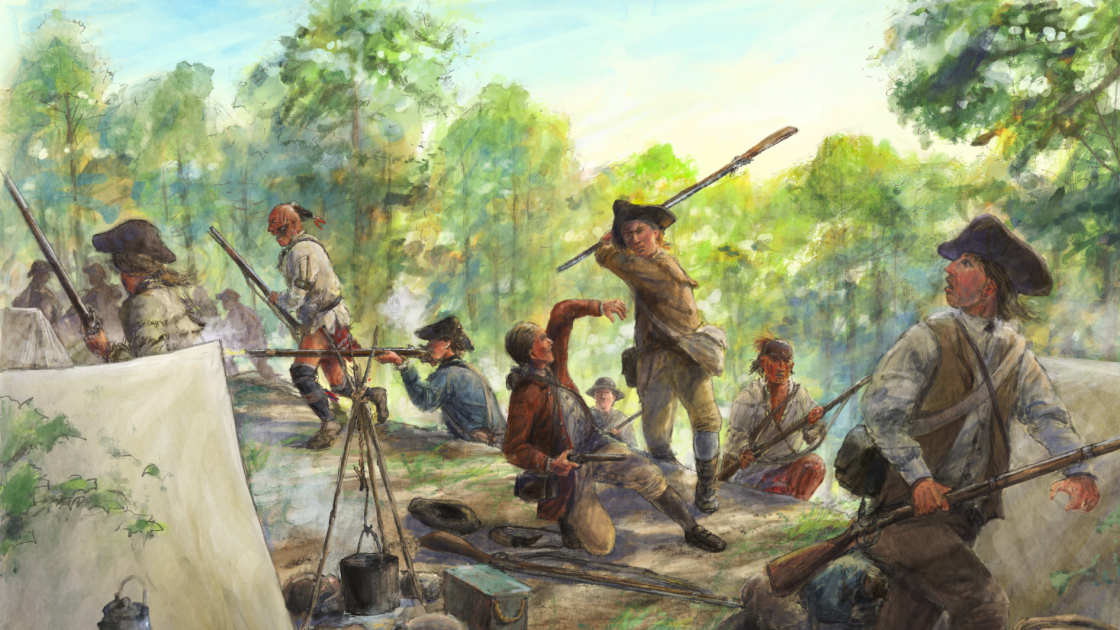
In the fog of war, confusion reigns. This was doubly true in the Revolutionary War, where in a battle like Hanging Rock opposing combatants appeared nearly identical. Hanging Rock was primarily a fight between local militias — Loyalists and Patriots. Dressed in their own clothes — hunting shirts and breeches — rather than in colorful battle uniforms, these soldiers were indistinguishable through the smoke and fire of artillery. The only things that set the men apart were their allegiances, although in later battles, some Loyalists placed a sprig of green in their hats to identify themselves, while the Patriot’s inserted white paper in theirs.
Sumter’s militia furnished their own guns and horses, and they were paid primarily with plunder from the enemy, although the state of South Carolina later compensated them through “indents,” or promissory notes. Similarly, the Loyalist militiamen who served at the Hanging Rock outpost were generally unpaid, poorly trained, and often looked down on by the more elite British troops. At Hanging Rock, these men — North Carolina Volunteers commanded by Colonel Samuel Bryan — were ostracized and had a separate camp on the northern part of the outpost. The British forces also included Provincials, American Loyalists who were paid servicemen, uniformed in red coats, well drilled, and generally commanded by British Regular officers. The Provincials occupying the middle camp were the Royal North Carolina Regiment with some light infantry from Lieutenant Colonel Banastre Tarleton’s British Legion. At the third, southernmost camp, was the Prince of Wales American Regiment (PWAR), also Provincials, who served under Major John Carden. Carden, a Regular British officer, was promoted to post commander at Hanging Rock only eight days before the battle, when his predecessor was dismissed after being found drunk during a surprise inspection by Colonel Francis Lord Rawdon.
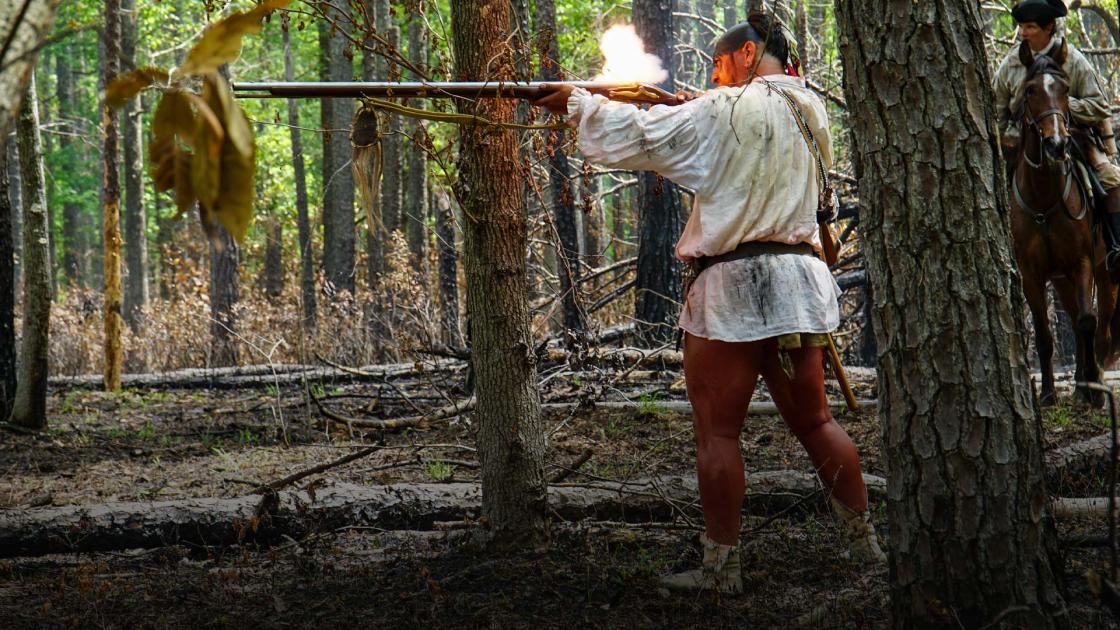
Native people in South Carolina made difficult choices when their ancestral lands were threatened by White settlers and war. Which side would best serve their interests — the British or the Patriots? William Henry Drayton, a member of the South Carolina Council of Safety, asked the Catawba to support the cause for independence and offered their warriors 10 shillings a day to serve in the Patriot militia. They agreed and participated in many significant engagements, including here at the Battle of Hanging Rock, where Catawba leader General New River led a force of 35 warriors under Major William Richardson Davie.
Incensed at the Catawba for siding with their enemy, the British took revenge, burning Catawba homes and crops. Ultimately, the Patriot victory in the Revolutionary War ensured that the Catawba could retain their homeland in South Carolina, but their sacrifices for American Independence did not turn out as they had hoped. As Catawba warrior and Continental soldier Peter Harris lamented in his pension petition:
I am one of the lingering embers of an almost extinguished race, Our Graves, will soon be our only habitations. I am one of the few stalks, that still remain in the field, where the Tempest of the revolution passed, I fought against the British for your sake, the British have disappeared, and you are free, yet from me the British took nothing, nor have I gained anything by their defeat. I pursued the deer for my subsistence, the deer are disappearing, & I must starve. . . . the hand which fought for your liberty is now open for your relief . . . .
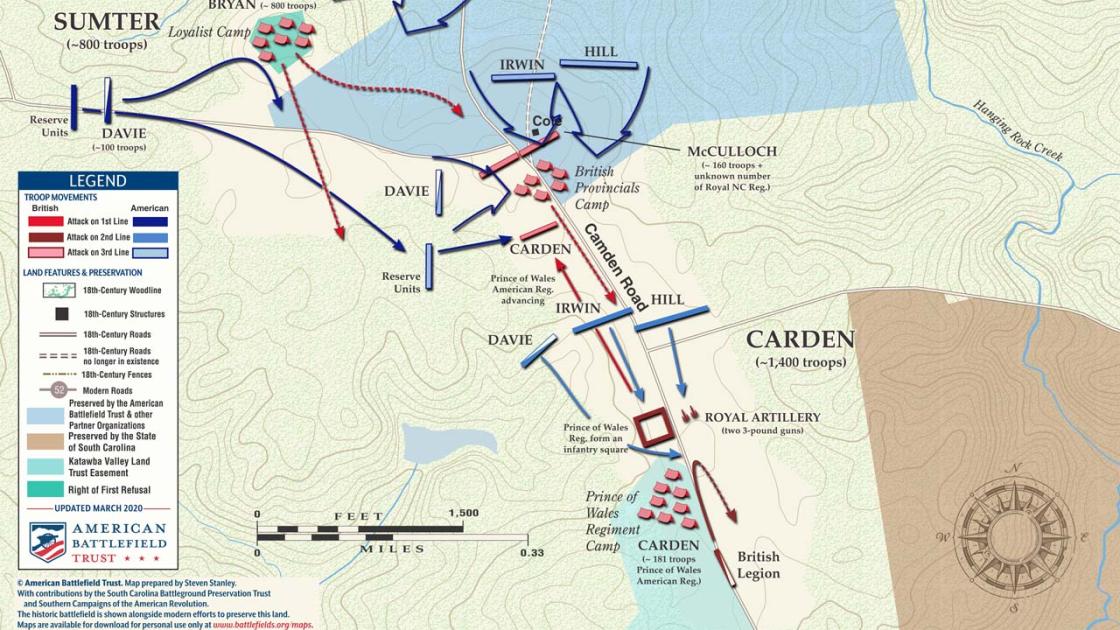
After his disappointing attack at Rocky Mount days earlier, Sumter was eager to hit Hanging Rock and vanquish this British outpost. He learned the lay of the land at Hanging Rock from Major Davie, who battled here only days before. The men assembled around 6:00 a.m. and the day was already hot. Some of the leaders dismounted to proceed on foot. Their horses were held at nearby Shelter Rock. One of those watching the mounts was reportedly 13-year-old future general and president Andrew Jackson. Sumter divided his army into three columns, intending to engage the enemy at left, right, and center. However, while avoiding enemy pickets, his guides got confused and misled the troops. The entire Patriot force hit the Loyalists on the left side of the northernmost camp, causing them to flee toward the center to escape the Patriot onslaught. Major Davie later recorded:
The army turned to the left of the road to avoid the enemy’s picquet and patrol, with intention to return to it under the cover of a defile near the camp, but the guides through ignorance or timidity led them so far to the left, that the right and center divisions fell together with the Tory encampment. These devoted people were briskly attacked both in front and flank and soon routed with great slaughter.
Sumter’s troops took Colonel Bryan’s militia camp after about a 30-minute fight. Bryan’s militia dispersed to the other camps, where the British were quickly organizing a counterattack.
As the defeated Loyalists fled to the center camp for protection, some of the undisciplined Patriots were already plundering Bryan’s camp, but Sumter pushed forward, moving east to attack the waiting British Legion and Royal North Carolina Regiment soldiers, who had formed a line of battle. Sumter’s men soon overran the Provincials and took up strategic positions in the nearby woods.
John Carden’s Prince of Wales American Regiment (PWAR), which rushed to assist the center camp, now moved against Sumter with loaded muskets. They were met with a barrage of fire from Patriots hidden in the dense foliage. Many of Carden’s officers were hit. After fighting for three grueling hours in the stifling heat, Carden’s battered unit was nearly wiped out. The Prince of Wales American Regiment never fully recovered.
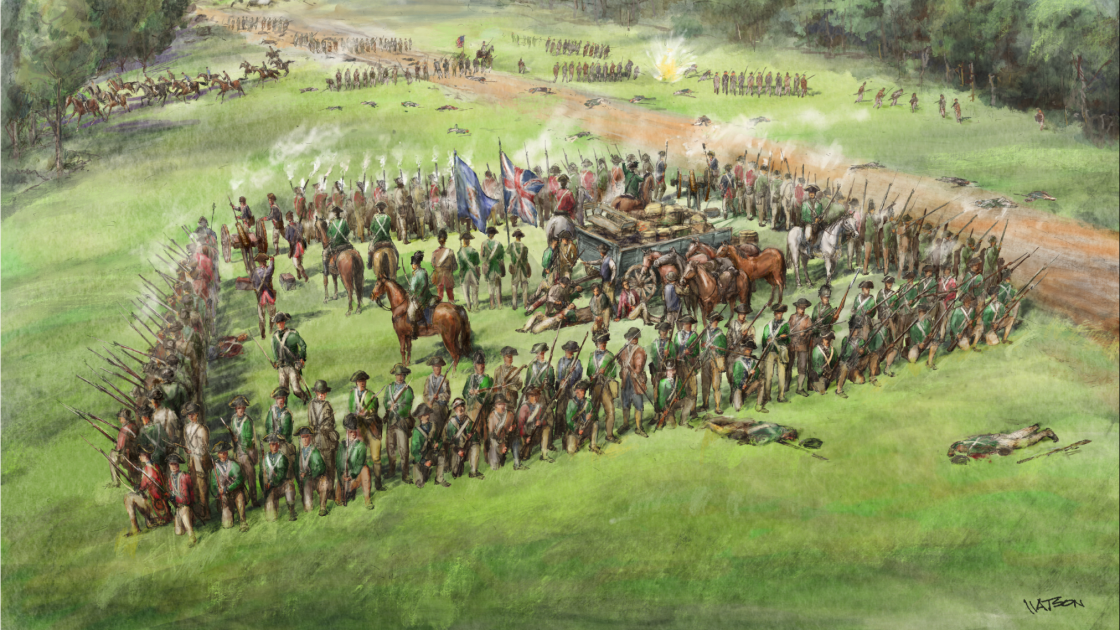
Having captured two camps, Sumter was close to achieving a total victory, but his parched troops were flagging. They began looting the abandoned center camp. Sumter managed to rally some 200 hundred infantry and Davie’s cavalry for an attack on the enemy, who had formed a hollow square around their artillery as a defense against the cavalry. At that point, however, the Patriots were almost out of ammunition, so Sumter and his officers agreed to withdraw after seizing the enemy’s horses, arms, and provisions. To explain the sudden end to the engagement, Sumter allegedly told his troops, “Boys, it is not good to pursue a victory too far.”
The Battle of Hanging Rock is considered an American victory by some, and an indecisive outcome by others. Because Sumter withdrew and failed to take the British garrison, he missed the opportunity of fully removing the enemy from the field. He would later defend his decision:
The true cause of my not totally defeating them was the want of lead. Having been obliged to make use of arms and ammunition taken from the enemy. I had about twenty killed, forty wounded, two missing. . . .We have got a great victory, but it will scarcely even be heard of, as we are but a handful of raw militia, but if we had been commanded by a Continental officer, it would have sounded loud in our honor.
When the fight was over, the British had 25 fatalities and 175 wounded. Sumter’s forces took 100 horses, 250 muskets, and vital stores in the plundering. As the British tended to their wounds and the Patriots retreated to the northwest, Tarleton knew that the British had not seen the last of his rival, Thomas Sumter. Later, he wrote: “The repulses he had sustained did not discourage him, or injure his cause. The loss of men was easily supplied, and his reputation for activity and courage was fully established by his late enterprizing conduct.”
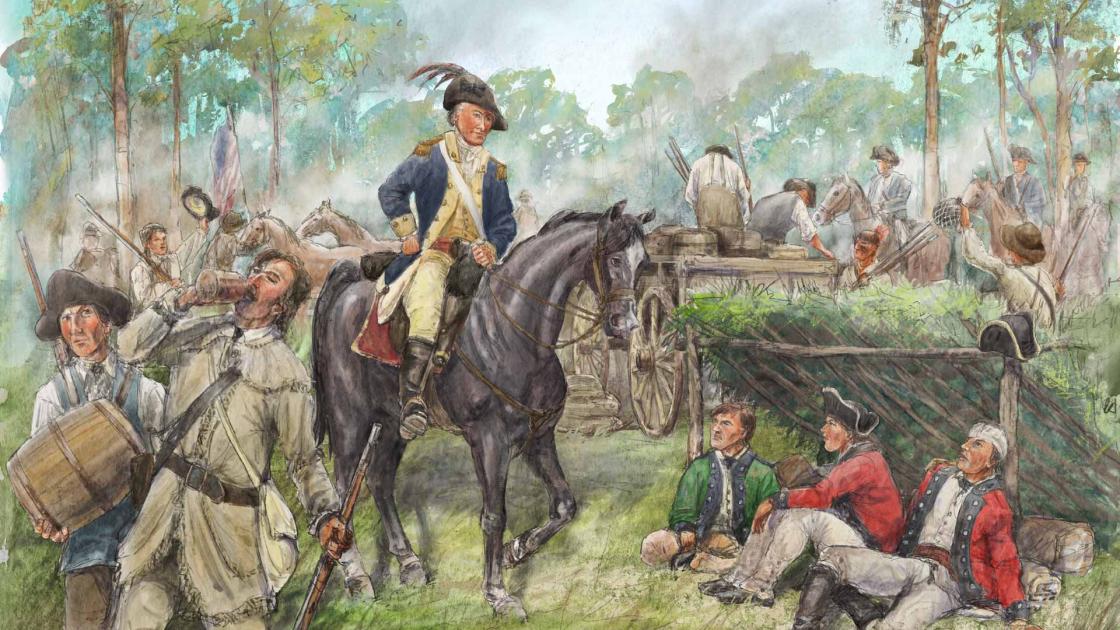
The Battle of Hanging Rock is not a widely known Revolutionary War engagement, like the Battle of Camden or the Siege of Charleston, but it — along with many rural battles in this area — is significant for its role in contributing to the British defeat in South Carolina. As you visit the other Revolutionary War sites along the state’s Liberty Trail, you can begin to appreciate the complicated and violent dance among British, Loyalist, and Patriot forces as they vied for backcountry outposts, supply depots, and a direct route to Charleston and the coast. Ten days after the battle here, General Charles Lord Cornwallis defeated the Patriot army at the Battle of Camden. Two days after that, Tarleton’s Legion surprised and routed Sumter’s men at Fishing Creek. Sumter’s surviving men exacted retribution at Blackstock’s Plantation on November 20, 1780 — and this exhausting struggle continued on and on for another two years.
In December 1780, when commander of the southern Continental Army forces, Major General Nathanael Greene, arrived in the South, he soon recognized that British outposts in the backcountry were vulnerable. He was enormously encouraged by the resilience of local partisans like Thomas Sumter, who successfully prevailed over the seasoned troops of the British Legion and the Prince of Wales American Regiment. During the following year, Sumter, together with his fellow partisan leaders, Brigadier General Francis Marion and Brigadier General Andrew Pickens, would play vital roles in helping Greene drive British and Loyalist forces from their outposts and eventually out of South Carolina.