-
The BlogBiographies
-
Videos

Explore the historic town of York, established in 1691 as a colonial seaport. Enjoy a walk along Main Street past buildings that have witnessed 300 years of American history, and learn of the town's role in the siege.
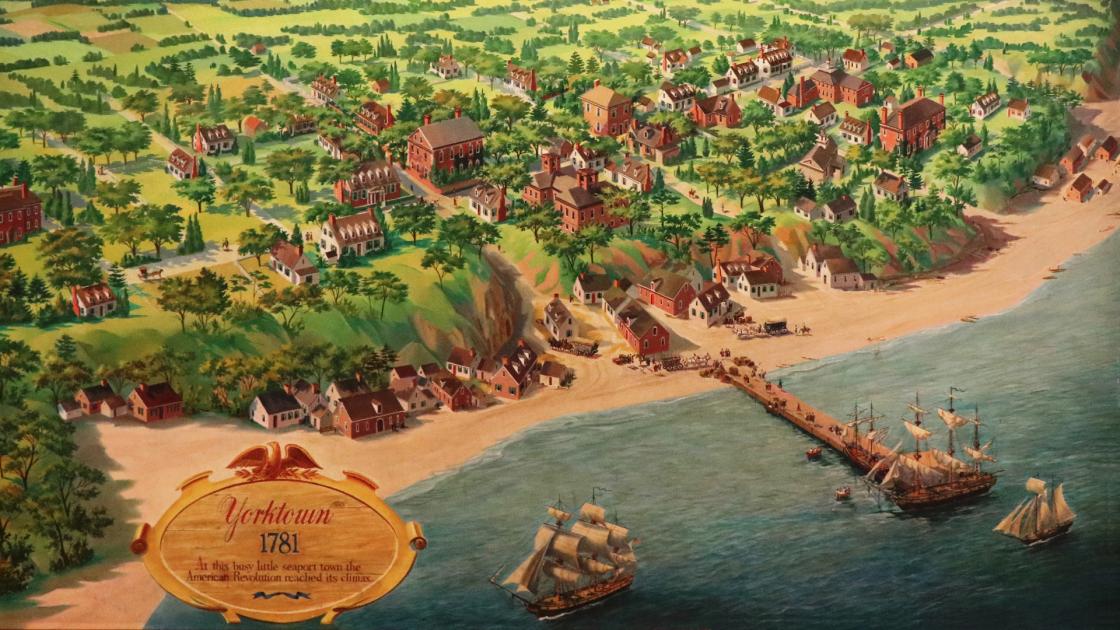
Yorktown was established by the Act for Ports of 1691, passed by the General Assembly at Jamestown (Virginia's government seat for almost a century). The legislation was but another in a succession of disputed and unsuccessful efforts by the colonial government to encourage growth of towns in rural Tidewater Virginia. Yorktown, however, succeeded despite initial delays and frustrations.
Fifty acres of land along the York River for the site of Yorktown were purchased from Benjamin Read of Gloucester County (across the York River from Yorktown) for 10,000 pounds of "merchantable sweet scented tobacco and cask."
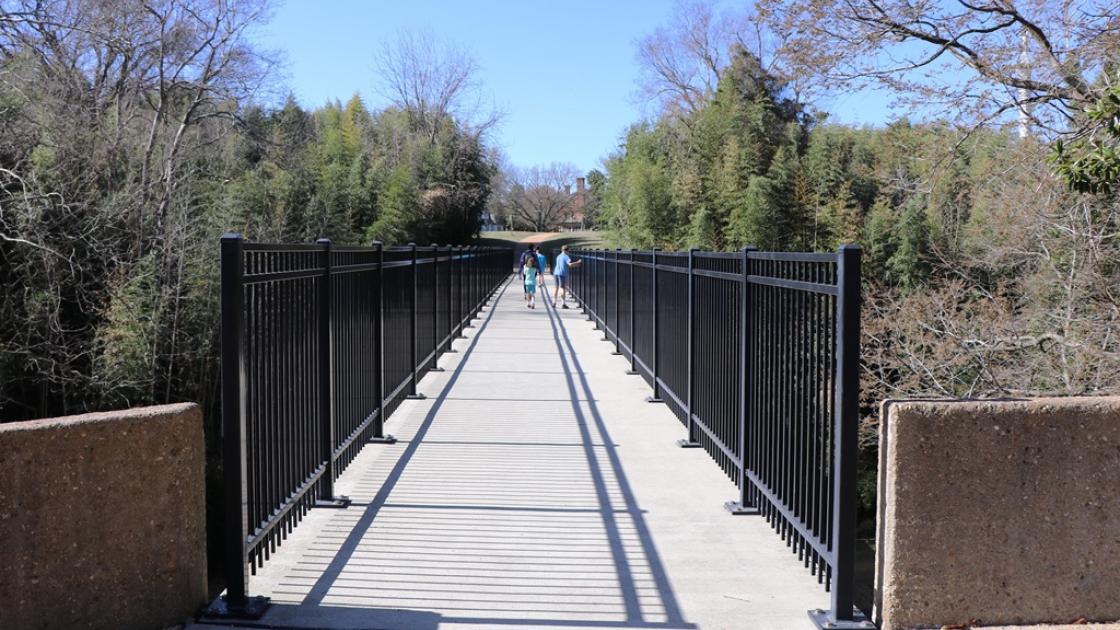
This foot bridge crosses a deep ravine into the village of Yorktown. Underneath the footbridge is a path that in the 18th Century was known as Tobacco Road.
Tobacco, in the 17th and 18th centuries, was a valuable form of currency. It could be used to pay taxes, fines and salaries of government and church officials as well as purchase merchant goods. Upon the founding of the commercial port of Yorktown in 1691, the price for a half acre town lot was 180 pounds of tobacco.
In the 18th century, this road trace, in the ravine below the foot bridge, was a busy thoroughfare called Tobacco Road. The road provided an easy route for exported goods, including thousands of pounds of tobacco, to reach the port facilities on the York River, while circumventing most of the town.
By 1750, the amount of tobacco sent from Yorktown began to decline as crop yields on local plantations started to decrease. The town never recovered from the devastation of the 1781 siege and the port became a shadow of its former self.
According to eyewitness descriptions of the town after the 1781 siege, Cornwallis moved his headquarters to an earthen bunker in this ravine where he had additional protection from the intense artillery barrage. An American officer who visited Yorktown after the siege described Cornwallis' headquarters as a "bombproof."
Today, Tobacco Road is a quiet walkway providing a link between the waterfront and the National Park Service Visitor Center. As you stroll along, envision the road as it once was - a vital link for both Yorktown and Virginia's economy.
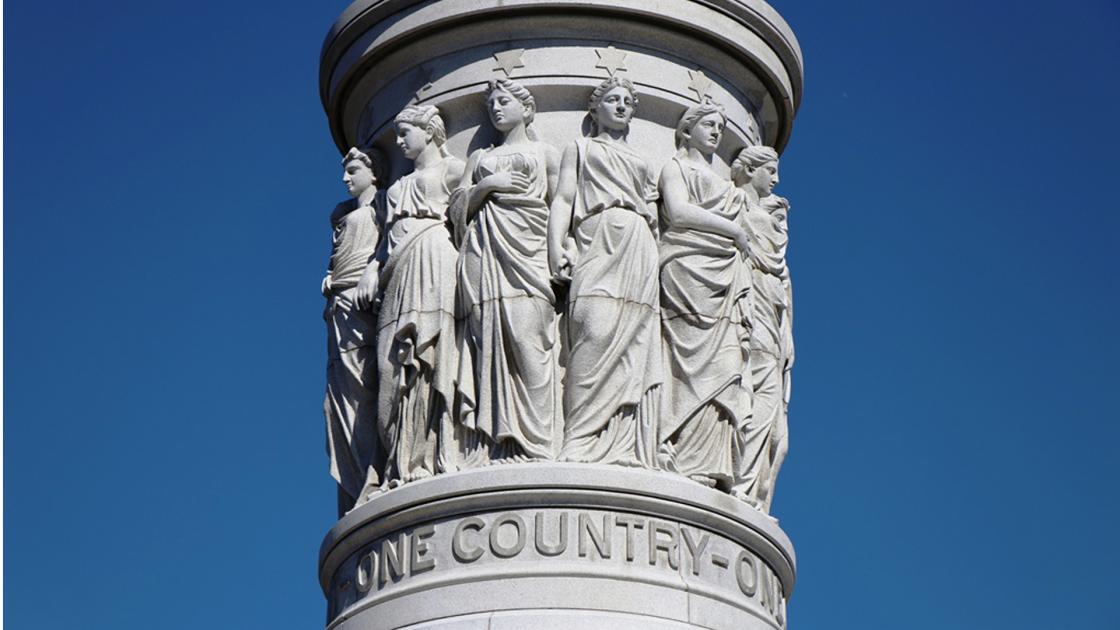
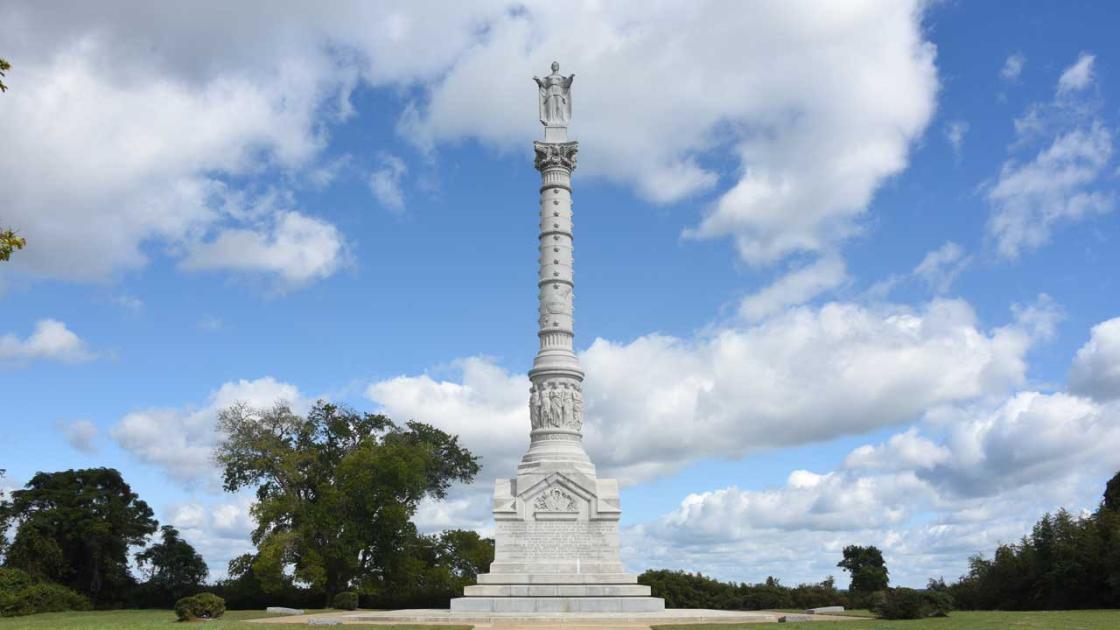
On October 24, 1781, Lt. Col. Tench Tilghman, Washington's aide-de-camp, reached Philadelphia and the Continental Congress with the "glorious" news of the surrender of Cornwallis' army at Yorktown, on October 19th. On Monday, October 29, Congress officially recognized this great victory and by resolution directed:
"That the United States in Congress assembled, will cause to be erected at York, in Virginia, a marble column, adorned with emblems of the alliance between the United States and his Most Christian Majesty; and inscribed with a succinct narrative of the surrender of earl Cornwallis to his excellency General Washington, Commander in Chief of the combined forces of America and France; to his excellency the Count de Rochambeau, commanding the auxiliary troops of his most Christian Majesty in America, and his excellency the Count de Grasse, commanding in chief the naval army of France in the Chesapeake."
However, no action towards actually building this monument was taken for a century.
The cornerstone of the monument was finally laid by "the order of the Ancient Free and accepted Masons" on October 18, 1881, "as the appropriate opening" for the Yorktown Centennial Celebration to commemorate the 100th anniversary of the Yorktown victory.
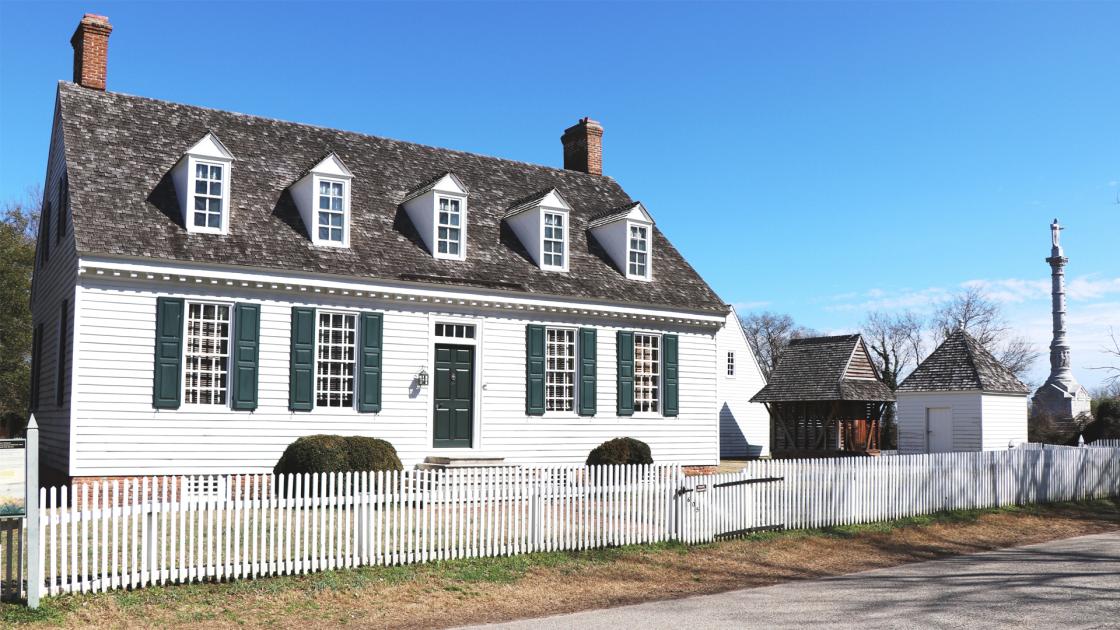
The Dudley Digges House was built around 1760 by Yorktown lawyer Dudley Digges, who held several important positions in Virginia's colonial and state government.
This residence is one of the few remaining colonial-framed structures in Yorktown. It's inner timbers bear the scars of artillery fire to which is was subjected in 1781. Digges was captured by the British during a raid in Charlottesville, Virginia on June 4, 1781.
Digges House was restored by the National Park Service in 1960. All of the outbuildings, kitchen, smokehouse, etc. are reconstructions built in the 1970s.
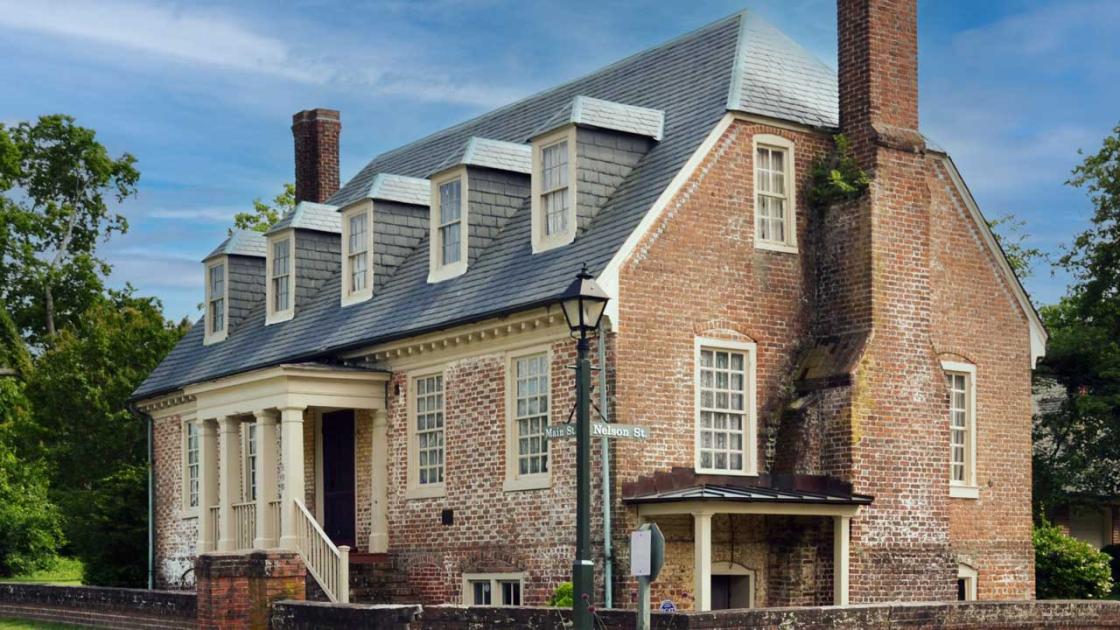
The Sessions-Pope-Sheild House, also known as Sessions House or Sheild House, is a historic home that is privately owned. This house was built in 1760 and was the home to the merchant John Norton.
It was added to the National Register of Historic Places in 2003.
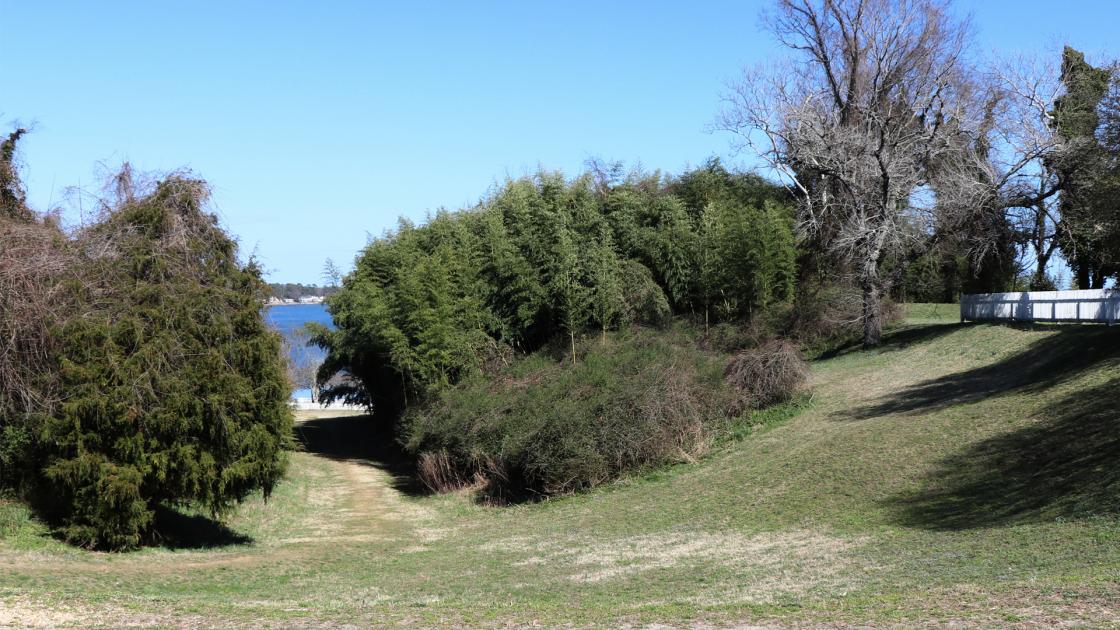
Before the American Revolution, this narrow footpath, cutting through the Great Valley, was a major thoroughfare that linked Yorktown's busy waterfront district with businesses and government offices on Main Street.
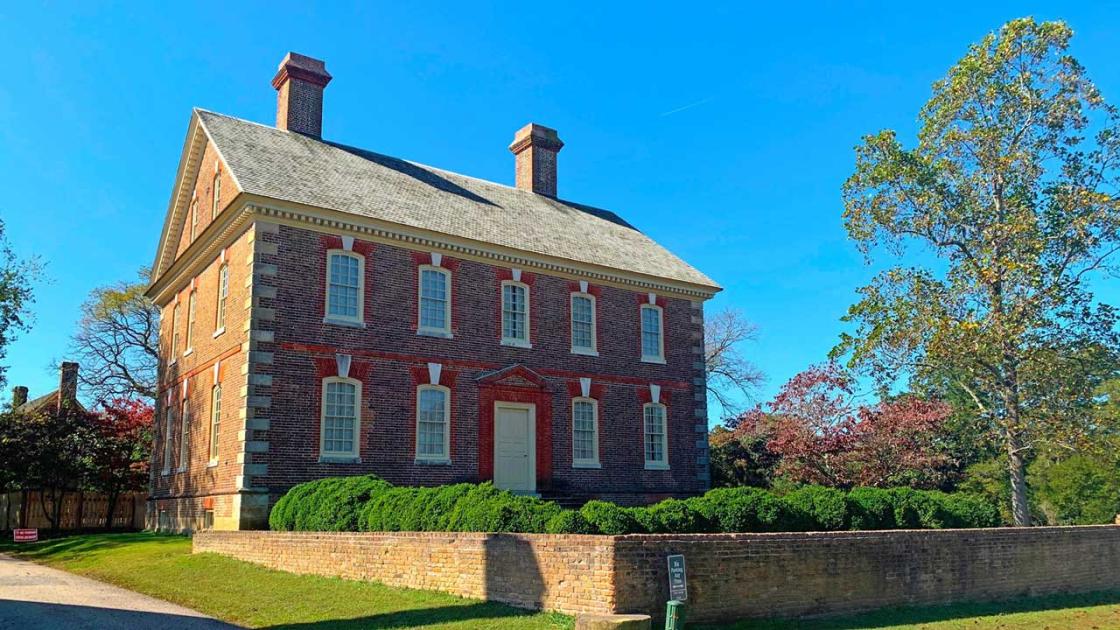
The Nelson House was the home of Thomas Nelson, Jr. (1738-89), Yorktown's most famous son and one of the signers of the Declaration of Independence. Nelson's devotion to the patriot cause during the American Revolution contributed significantly to the creation of the United States.
Nelson's grandfather, Scotch Tom Nelson, established the Nelson family in Yorktown, arriving from England in 1705. He soon became a prosperous and influential merchant. He constructed his home, the Nelson House, about 1730. His son, William, inherited the family business and went on to accumulate extensive land holdings throughout the colony.
Thomas Nelson, Jr., inherited the family business on the death of his father, William. (Nelson was given the title "Junior" to distinguish himself from his uncle, who was also named Thomas). By the time of the revolution, Thomas Nelson, Jr. was one of the most powerful and influential men in Virginia. At various times during the war, he served in the Continental Congress, the state legislature and was governor of Virginia from June through October 1781. As a brigadier general, he also commanded the Virginia militia at the Siege of Yorktown. Nelson's sacrifices for the war effort and his exposure in the field contributed to his chronic ill health. He died during an asthma attack six years after the revolution. Nelson is buried in the graveyard of Grace Church in Yorktown.
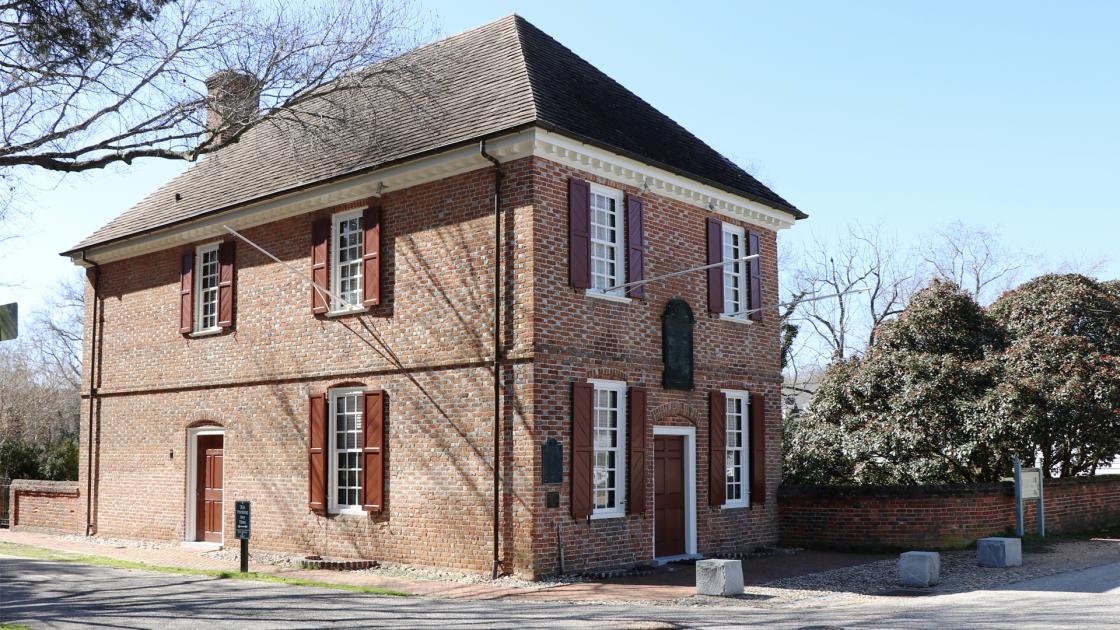
The Custom House was built about 1721 by Richard Ambler. Ambler was a leading merchant in Yorktown and this undoubtedly influenced his selection as Customs Officer. He used this building as his office while he served as collector of customs. The Custom House is owned by the Comte De Grasse chapter of the Daughters of the American Revolution and has a museum inside that is open seasonally.
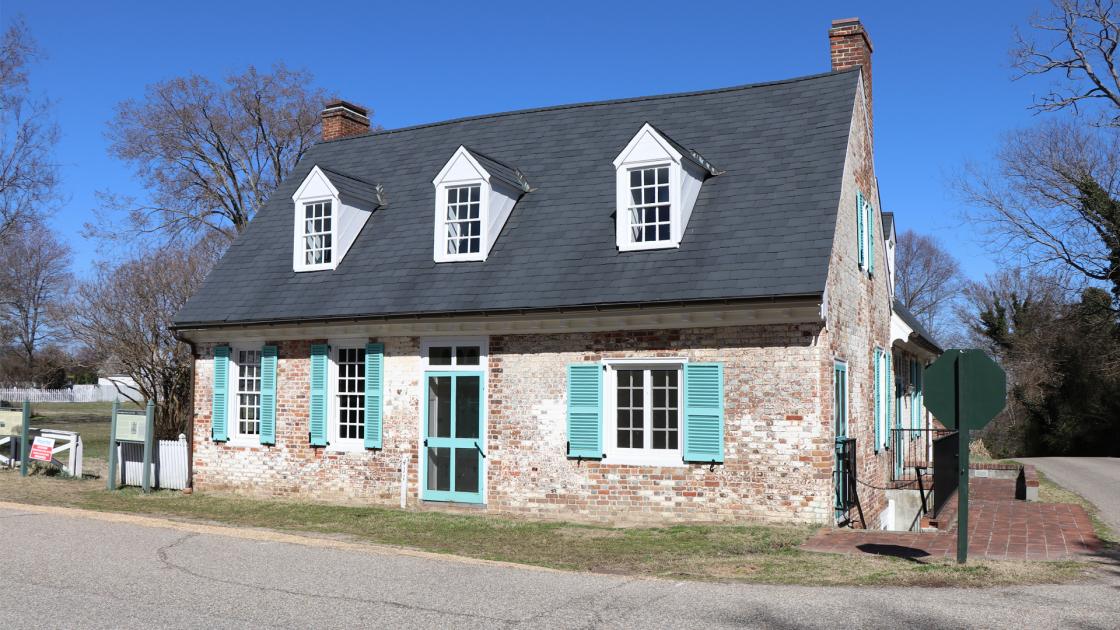
This house was built about 1720 and was the home of Cole Digges. Cole Digges was the son of Councilor Dudley Digges. Cole Digges was born in 1691, the same year Yorktown was established. His family’s wealth came primarily from producing a well-known brand of “sweet scented” tobacco, called “E.Dees.,” named after his grandfather, Edward Digges. As Yorktown slowly grew into a prominent tobacco port, Cole Digges, only in his early 20s, became a merchant, purchasing this town lot in 1713. As the town prospered, so did Digges’ enterprises. At his death in 1744, he owned two plantations, this house, a warehouse, storehouse, wharf and other lots in Yorktown.
Cole Digges witnessed the expansion of Yorktown from its early beginnings to a thriving community. His son Dudley Digges, whose home is one block east on Main Street, saw the town decline.