
Introduction
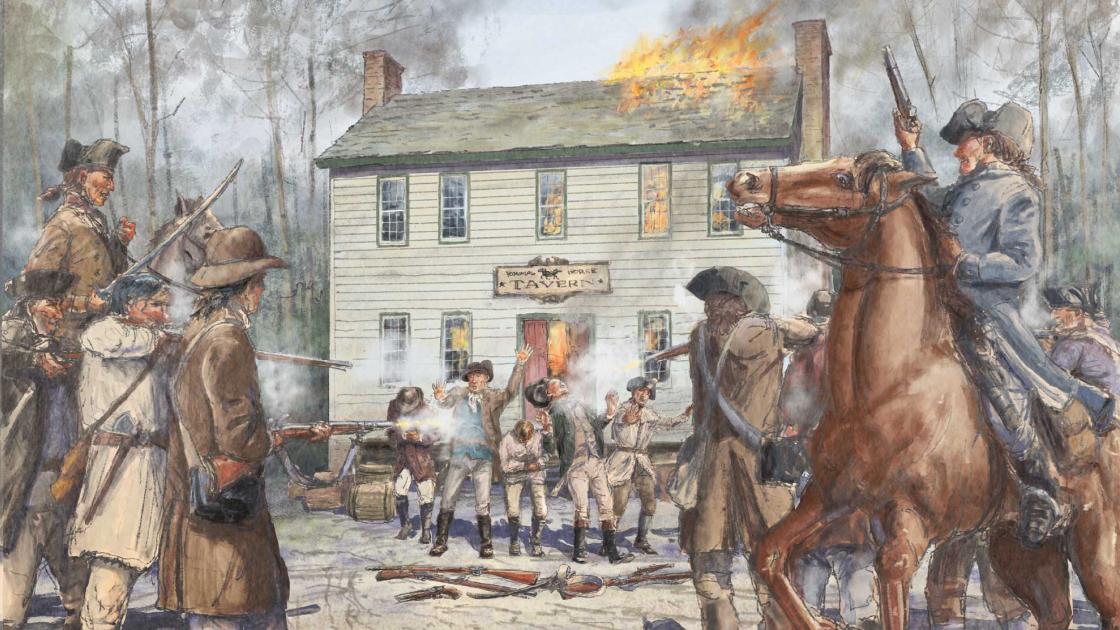
By late 1780, the Pee Dee region had become a cauldron of resentment, shifting loyalties, and brutal frontier justice. The clash at Lynches Creek — a violent episode between local Patriots and Loyalists — laid bare the increasingly personal and unforgiving nature of the Revolutionary War in South Carolina. In this landscape of fractured communities and rival militias, Francis Marion’s vigilance and the actions of men on both sides shaped a conflict every bit as civil as it was military.
Lynches Creek Massacre
In December 1780, a violent encounter between Patriots and Loyalists occurred at Lynches Creek, located near this site in the southern part of modern Florence County. It signaled an escalation in the bitterness among the warring inhabitants of the Pee Dee region. As revolution came to the South with the invasion of Georgia in 1778 and the British victories at Charleston and Camden in 1780, partisan discord became more intense. Cornwallis's march through South Carolina greatly encouraged the Loyalists, many of whom joined his force. Other inhabitants of this area tried to remain neutral to avoid risking damage to themselves and their property. Many changed sides often in this civil war in the South Carolina backcountry. To counteract the Loyalist threat to independence, daring partisan leaders like Brigadier General Francis Marion strengthened the Patriot resistance to the Crown, staging assaults on British outposts in the Lowcountry and beyond.
Marion kept a strict watch on the Loyalists in the Pee Dee and routinely sent men out on patrol. That December day in 1780, a small scouting party from Marion’s brigade, commanded by Lieutenant Roger Gordon, stopped for refreshments at a tavern in the neighborhood. Here they were surprised by a large force of Loyalists commanded by militia officer Captain Jeffrey Butler, who had a reputation for cruelty. Butler’s Loyalists set fire to the wooden tavern building and Gordon's men surrendered upon being offered quarter, or mercy. But as soon as the Patriots laid down their arms, Butler’s soldiers butchered the entire party.
Years later, when the Loyalist forces of the region surrendered to Marion at Burch's Mill in 1782, Marion granted Butler clemency over the objections of his own officers, who declared that "to defend such a wretch was an insult to humanity."