-
The BlogBiographies
-
Videos

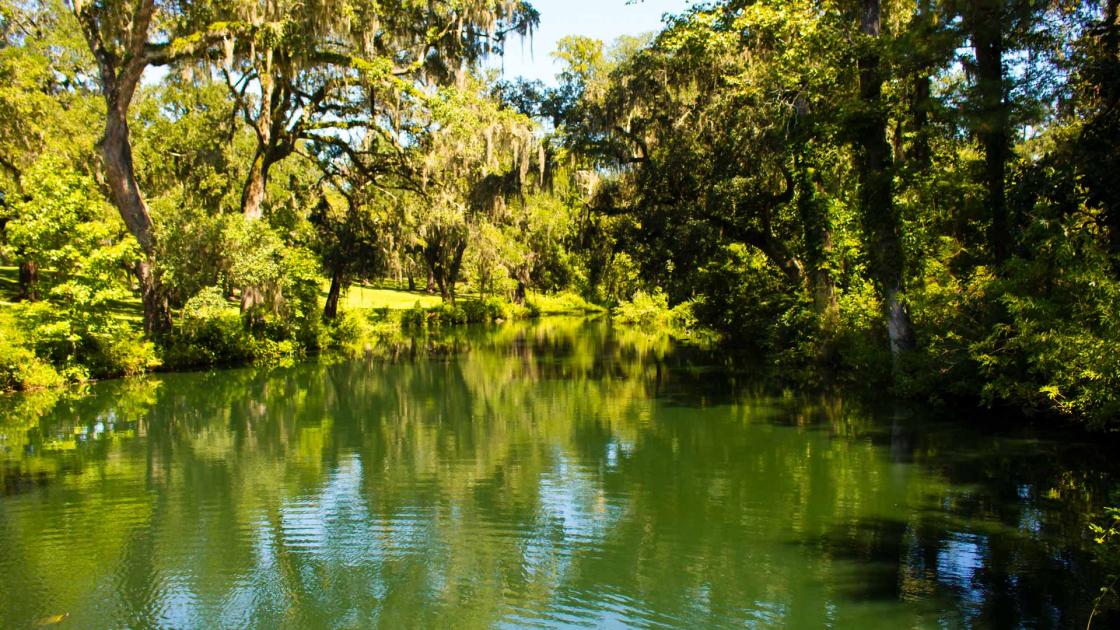
Nestled 30 miles up the Cooper River from Charleston, Mepkin once stood as one of many plantations that produced staple crops in the colonies. Sold to the prominent planter Henry Laurens in 1762, the plantation acted as one of his main sources of income and his home through the Revolutionary War as he helped found the United States as a member of the Continental Congress. Today, the site is composed of 3,000 acres of idyllic waterfront property owned by a group of Cistercian Trappist Monks. A short drive away, one can also explore the old British fort of Fair Lawn and several pull off sites in its vicinity.
Before You Go
Visitors are welcome at Mepkin Abbey, which is privately owned and is home for Trappist monks. Living according to the Rule of St. Benedict, the monks offer hospitality to strangers. To maintain their lives of prayer, silence, privacy and solitude, the monks have a few important requests of all visitors:
Please note that the Meditation Gardens are not wheelchair accessible.
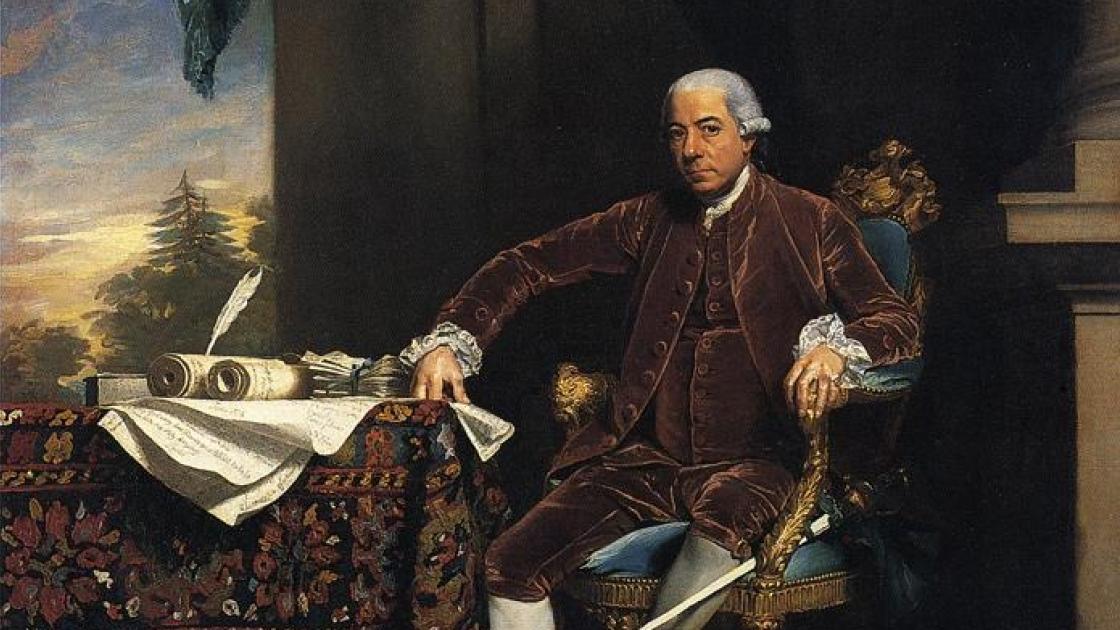
These 3,000 idyllic acres overlooking the Cooper River now house a monastery for Cistercian (Trappist) monks, but in the 18th century the Mepkin Plantation was the principal home of rice planter, slave trader, and Charleston merchant Henry Laurens (1724–1792). Laurens imported tens of thousands of enslaved people from Bunce Island in the Sierra Leone River to the South Carolina lowcountry and brought them to auction. The business made Laurens one of the richest men in America before the Revolutionary War.
Laurens was elected to South Carolina’s Provincial Congress in 1775, became the vice president of South Carolina from March 1776 to June 1777, and succeeded John Hancock as president of the Second Continental Congress, serving from November 1777 to December 1778. In 1779, he was appointed American minister to The Netherlands, but was captured at sea by the British, charged with treason, and held in the Tower of London. He was eventually released in a prisoner exchange for General Lord Cornwallis, who had surrendered at Yorktown.
Laurens’ oldest child, John, was an aide-de-camp to General George Washington, best friend of Alexander Hamilton, combat soldier, and outspoken opponent of slavery. Before John was killed at the Battle of Tar Bluff in August 1782, he and his father exchanged extraordinary letters that pondered the complex meaning of liberty.
At Mepkin you can reflect on the lives of Henry and John Laurens, learn how family members and enslaved workers survived here during the British occupation of Charleston (1780–1782), and visit the Laurens family cemetery.
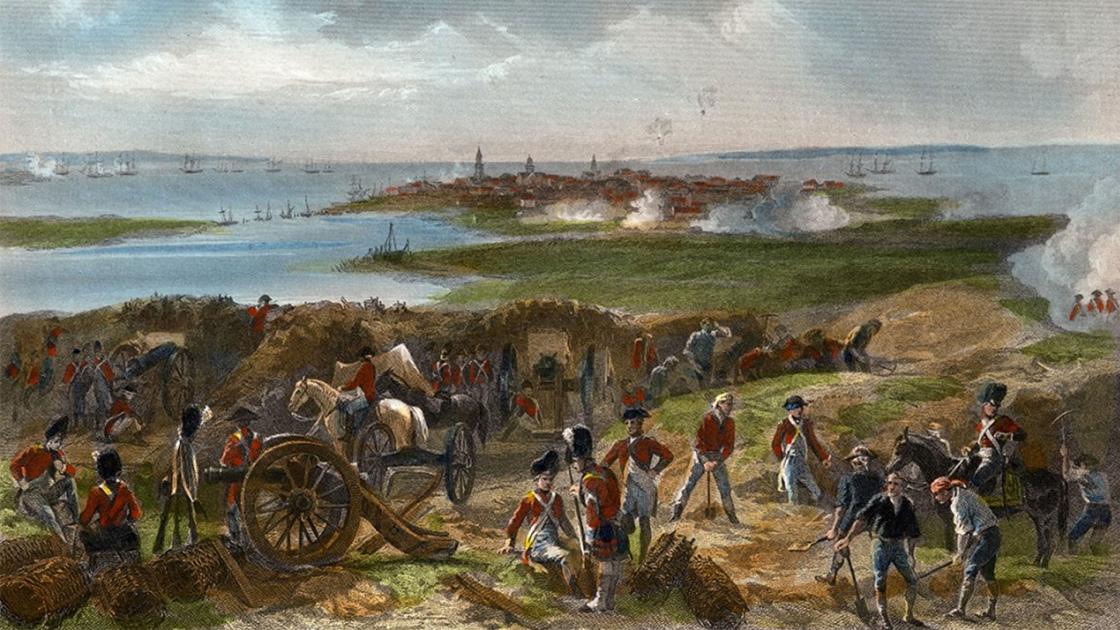
A major exporter of rice and indigo, Charleston was the richest city in Colonial America. With the outbreak of the Revolutionary War, both British Loyalists and defiant Patriots vied for control of the valuable southern port. Britain failed in its first attempt to capture Charleston in 1776 and focused instead on conquering the northern states. By 1778, however, the war was at a stalemate, and British command believed it was time to rally Loyalist support and launch a Southern Campaign.
In December 1779, the British Commander-in-Chief in America, General Sir Henry Clinton, left New York City with a fleet of 90 troopships, 14 warships, and more than 13,500 soldiers and sailors. Clinton planned to rendezvous with a force commanded by Lieutenant Colonel Mark Prevost in Savannah and march overland to Charleston. His force would easily outnumber the 5,000 Patriot soldiers stationed at Charleston under the command of General Benjamin Lincoln.
By early April 1780, the combined British forces had successfully besieged the city and British warships in Charleston Harbor closed off any means of escape or reinforcement for Lincoln’s troops. After weeks of nightly bombardments by the British, Lincoln surrendered his army of 5,000 men on May 12. The blow was catastrophic. Continental soldiers became prisoners of war, militiamen were restricted to parole, and the Patriots lost access to rural areas, where the British quickly established a network of military outposts. Families at lowcountry plantations like Mepkin were forced to evacuate their homes. Henry Laurens expressed sympathy for his once-privileged neighbors who had become “wretched dependent wanderers,” but urged people not to give up on the “recovery of our Country and the establishment of Independence.”
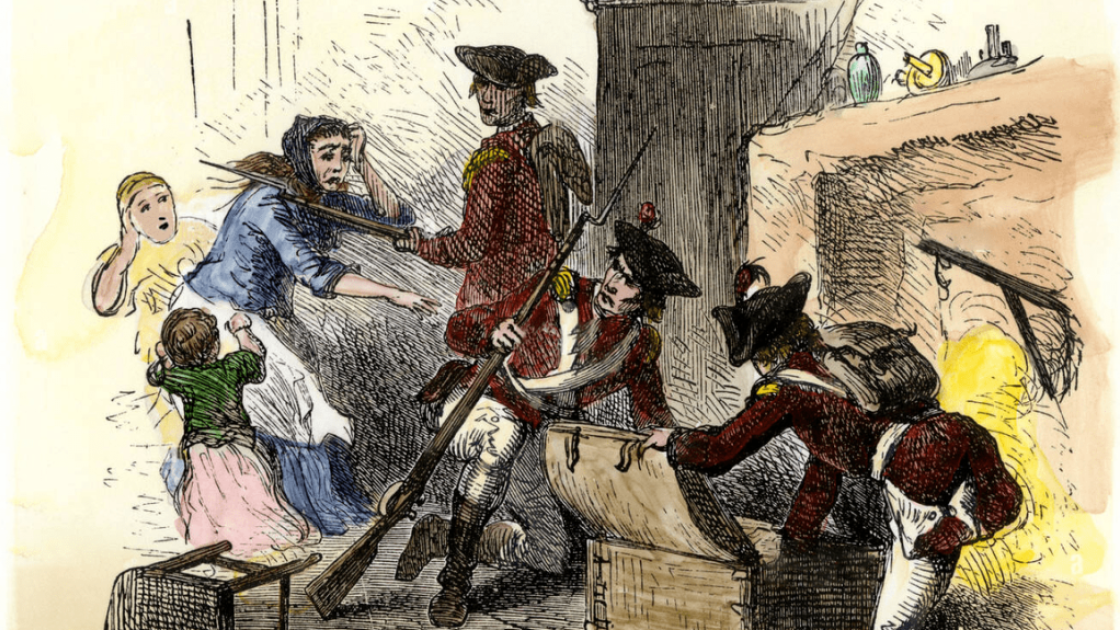
Fearing for their safety after the fall of Charleston to the British, many Patriot landowners fled their port city homes and lowcountry plantations. Often it was up to those left behind — overseers, and enslaved workers — to protect their property. While Patriot rebels were the primary targets of British looting and violence, Loyalists suspected of aiding Patriots received harsh treatment as well. The indiscriminate terror tactics of the British ultimately cost them critical Loyalist support in South Carolina.
Henry Laurens was not in Charleston during the British siege or occupation. He left to attend the Second Continental Congress in 1777, putting fellow plantation owner and Patriot statesman John Lewis Gervais in charge of his affairs during his absence. Gervais wrote to Laurens on July 22, 1780, to inform him of an enemy raid on Mepkin:
Mrs. Gervais had a letter from Roddick [Laurens’ overseer at Mepkin] in which he informs her that a few days after she left Mepkin a party of the Enemy about 80. Men came there & behaved very well, but at Night Eight men who returned broken open the Trunks in the house & carried off all they could carry without a Cart, & robbed him of what Money he had, his Watch, Shirt, Stockings, & took his Wife’s Shoes from her Feet
On September 16, 1780, British General Lord Cornwallis ordered the seizure of all real and personal estates that belonged to “wicked and dangerous traitors.” When Laurens finally returned to Mepkin in 1784, he found that his home had been burned down. He lived in an outbuilding while the main plantation house was rebuilt. Unfortunately, that house no longer stands and has been lost in the historical record alongside Laurens’ other outbuildings.
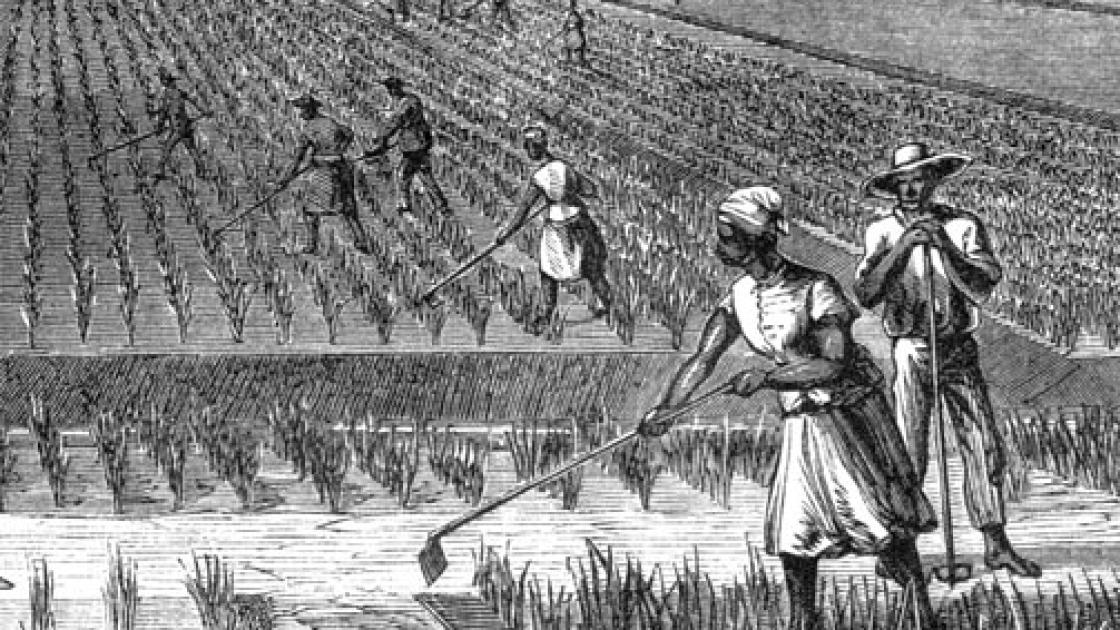
This Meditation Garden honors those who lived and worked on this land — indigenous Americans and enslaved Americans of African descent. The indigenous people who lived here were displaced by European outsiders. The enslaved people labored without compensation for the wealth of others. The unmarked graves of Mepkin’s enslaved workers lie nearby.
When war came to the American colonies, those held in bondage were thrown into turmoil. Which side would offer them liberty — the Patriots or the British? Virginia’s Royal Governor Lord Dunmore won the loyalty of many enslaved people early in the war when he proclaimed on November 14, 1775, that “all indented Servants, Negroes, or others (appertaining to Rebels)” would be freed if they were “able and willing to bear arms for the King.” Sir Henry Clinton’s Philipsburg Proclamation of 1779 similarly offered freedom to any enslaved person who deserted rebel service and made it to British lines. But many in bondage — like Samuel Massey, enslaved by Henry Laurens at Mepkin — chose to stay put rather than risk uncertainty. Massey, who was literate, wrote to his absent owner about the daily threats at Mepkin and assured Laurens that none of his slaves had yet run away.
Sir I don’t think the things are Safe hear as whe are all ways in the dreding whay—Ither by the Robbers or the negroes I am just now with all hands to go to Santee as mr Barley thinks of Repairing of the grits mill I Shall Endeavor to do all I can my Master for your Intrust who not lost any of the negroes from Santee yet…”
In addition to being a wealthy landowner, slave trader, and statesman, Henry Laurens was a father. Letters between Henry and his oldest child, John (1754-1782) reveal their deep affection for one another, even when they disagreed.
Although he privately professed to abhor the institution of slavery, Henry never freed the hundreds of enslaved workers who toiled on his behalf. John, however, was ardently anti-slavery and very vocal about his beliefs. While the Patriots were united in their opposition to British rule, not all of them favored John’s radical reforms. When he proposed paying enslavers for each man who enlisted, and emancipating those who served on completion of their military service, Congress initially rejected the idea. Finally, in 1779, John appealed to Congress once more. With the British moving south, Congress approved the plan pending acceptance by the assemblies of South Carolina and Georgia. Ultimately, even John’s home state of South Carolina failed to endorse the measure and it was never adopted.
John Laurens was a brave and aggressive commander during the Revolutionary War, serving first in the Philadelphia campaign, where he became close to George Washington and Alexander Hamilton, and then at Savannah, Charleston, and Yorktown. The young colonel who held so much promise was tragically killed in a small skirmish with the British at the Battle of Tar Bluff on August 27, 1782. Henry Laurens did not know of his son’s death until November 12, 1782 when he received a letter from John Adams — more than a year after the British defeat in the Battle of Yorktown which led to the war’s end. The grieving father replied, “Thank God I had a Son who dared to die in defence of his Country.”
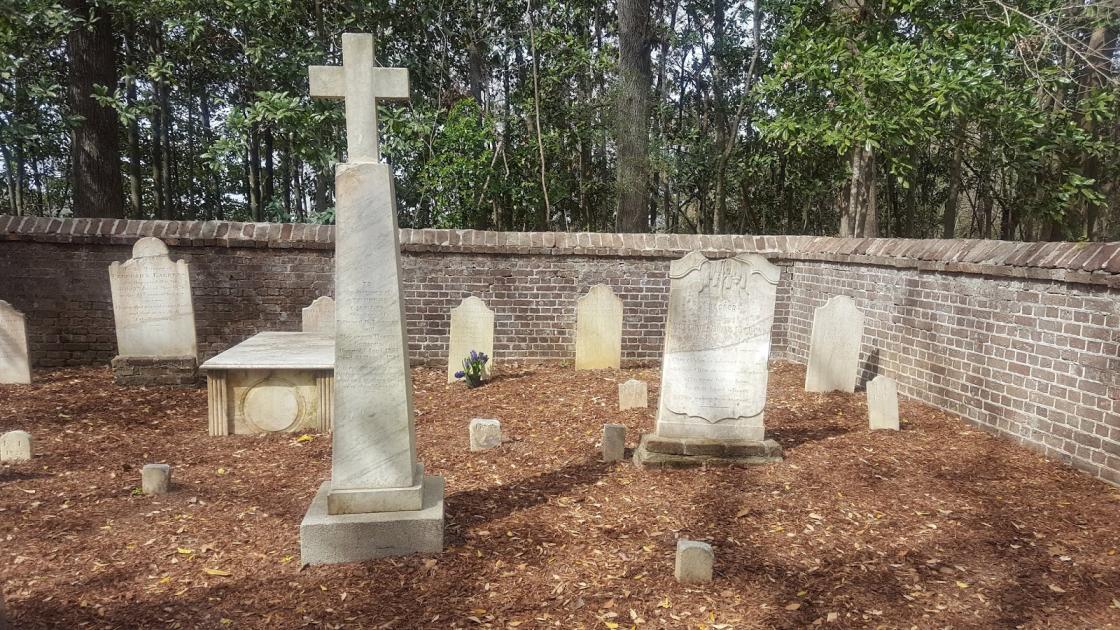
Look for John Laurens’ weathered headstone in the Laurens family cemetery. It reads “Dulce et Decorum est pro patria mori.” (“It is sweet and proper to die for one’s country.”). He rests next to his father and other family members.