-
The BlogBiographies
-
Videos

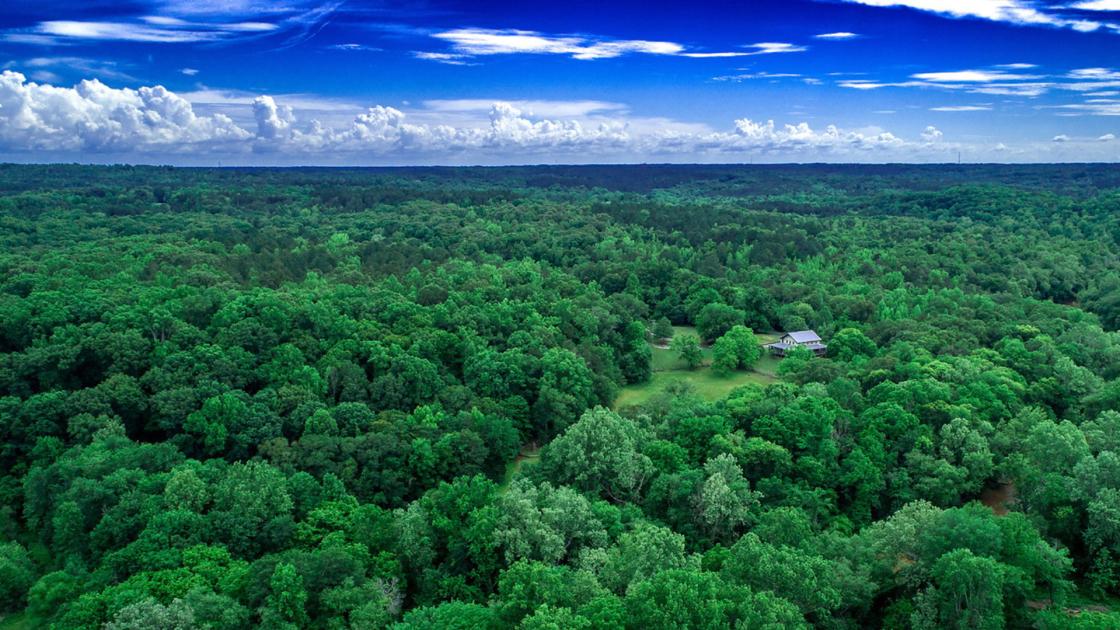
August 19, 1780
On the morning of August 19, 1780, about 200 mounted Patriots arrived near Musgrove Mill, then the site of a British outpost. You can hike the rugged terrain where they lured a greater number of British Provincials and Loyalist troops into a deadly trap. Using unconventional tactics, the Patriots earned a much-needed victory and helped rally those fighting for independence.
Before You Go
This is the first part of the Musgrove Mill tour, which covers the Musgrove family home and Loyalist encampment site. The second part of this tour is located on the battle site, just north of the river and requires a short car ride to the other part of the park. Additional directions can be found in the final stop of this tour and through the navigation feature in the second tour.
The Battle of Musgrove Mill State Historic Site is the site of the Aug. 19, 1780 battle of Musgrove's Mill. A small force of around 200 South Carolina, Georgia, and Overmountain Man Patriot militia fought and defeated a larger force of 200 Loyalist South Carolina militia and 300 Provincial soldiers from South Carolina, New York, and New Jersey in a short but pivotal battle. This surprising Patriot victory was a major turning point during the Revolutionary War. This victory boosted the failing morale of South Carolina Patriots and dispelled the British high command’s belief that they had crushed all Patriot resistance following the major Patriot defeats at Camden on August 16, 1780 and Fishing Creek on August 18, 1780.
Programs and tours are offered on a regular basis throughout the year. Guided tours can be arranged by request for groups of 10 or more participants. Please contact the park for more information
The Visitors Center includes exhibits that tell the story of the Musgrove Mill battle and how it fits into the big picture of South Carolina's pivotal role in the outcome of the Revolutionary War.
A Boost for the Patriots
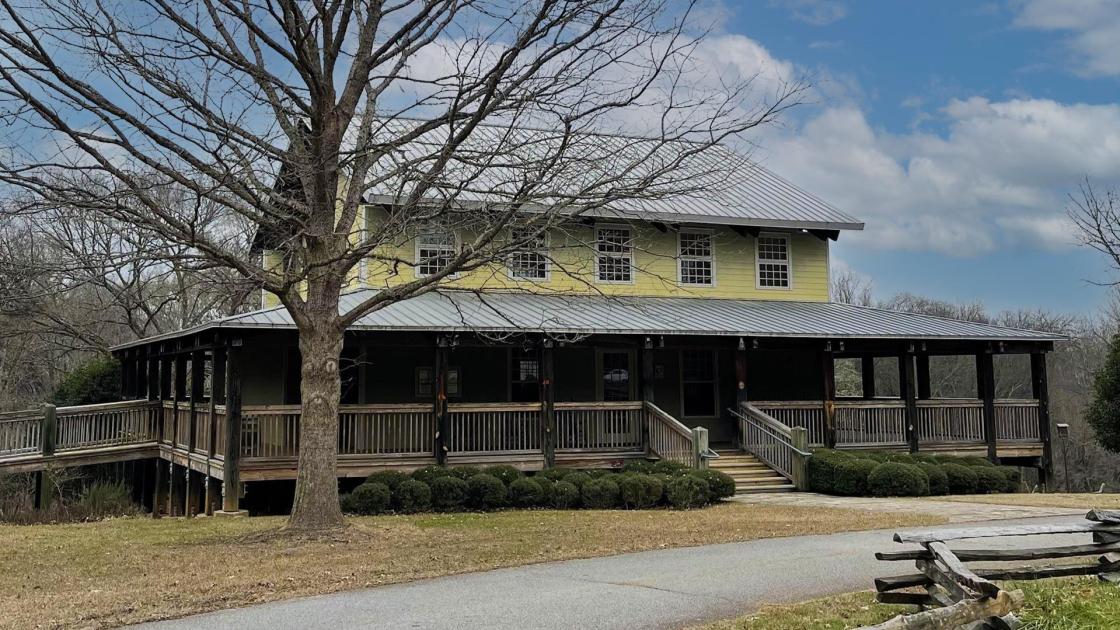
Visitors to the Musgrove Mill State Historic Site enjoy all kinds of amenities, including a helpful Visitor’s Center, well-stocked gift shop, and sheltered picnic areas. Fortunately, these modern-day conveniences don’t detract from the park’s natural beauty — the shoals of the Enoree River, wooded hiking trails, and picturesque waterfalls. In fact, once you leave the parking lot, it’s easy to envision the clash between Patriot and British troops that occurred here in August 1780. The earthen paths they walked are wider now — and some are paved — but the hilly Piedmont terrain and swift waterways are much the same as they were more than 200 years ago. Soldiers toting heavy muskets and clothed in wool garments faced challenges here in the summer heat, even before shots were fired.
In the spring of 1780, the British captured the city of Charleston. Afterward, Lord Cornwallis established British outposts throughout the backcountry. Those favoring rebellion soon began striking these rural bases. Britain’s victories at Camden and Fishing Creek in mid-August appeared to threaten the cause for independence. Still, the Patriots kept fighting. On the morning of August 19, about 200 mounted Patriots arrived near Musgrove’s Mill, a key source of local grain and the site of a Tory outpost. With Georgia militia under Colonel Elijah Clarke, South Carolinians under Colonel James Williams, and a group of “Over Mountain Men” from "over" the Appalachians led by Colonel Isaac Shelby, this force lured a great number of British Provincials and Loyalist militia into a deadly trap. Their victory, together with other small successes in the backcountry, came at a time when the strength of the Patriot resistance seemed to waver and proved that the quest for liberty was very much alive.
The British Camp at Musgrove's Mill
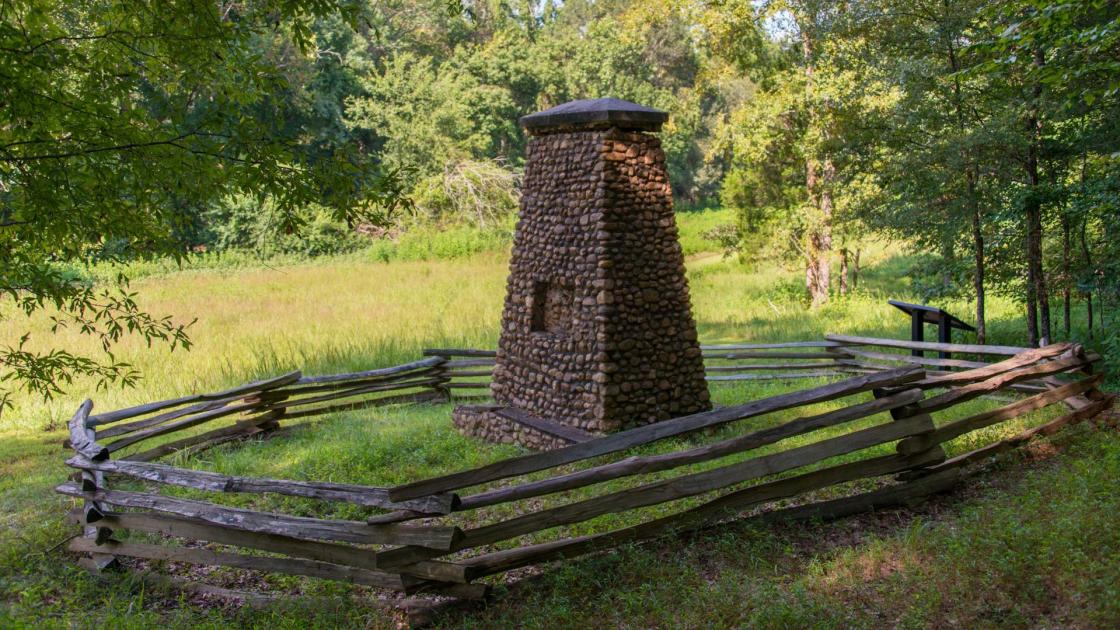
Today, all that remains of Edward Musgrove’s home are stone steps and a pile of bricks heaped across from the Visitor’s Center. The Center itself is designed to look much like the house may have appeared during Revolutionary times. The site of the Musgrove family’s gristmill is down the one-mile British Camp Trail, which leads through the woods to the Enoree River. In the summer of 1780, British Loyalists set up camp there, using the river ford to move supplies.
Edward Musgrove’s lucrative mill provided valuable staples to the local community, which consisted of both Patriot and Loyalist sympathizers. Musgrove remained neutral during the War for Independence, probably to stay in good graces with his warring neighbors and protect his business. In a 1775 letter to William Henry Drayton, a prominent South Carolina planter and Patriot, he explained his reason for not taking sides: “So you see I have interfered on neither side, only so far as you might have expected me, which I would not have come short of by any means. If I was to undertake, I would be very much sorry to fail in the matter; therefore it is wisdom to balance everything in the right scale.”
According to an 1835 romantic novel called Horse-Shoe Robinson, Musgrove’s daughter Mary did not share his restraint. The book maintains that she was a spy for the Patriots and hid a young soldier under Horseshoe Falls prior to the battle of Musgrove Mill. While little is known about the life and exploits of the real Mary, the story recognized the role of women in the Revolutionary War.
Musgrove’s neutrality did him little good when British troops arrived on his property, which was strategically positioned on the Enoree, northeast of the British stronghold at Ninety Six, and well provisioned. They occupied his land, seized his grain, and likely set up a hospital for the sick and wounded. Musgrove’s hope for “balance” could not protect him from the war, which had come right up to his doorstep.
Outnumbered on the Enoree
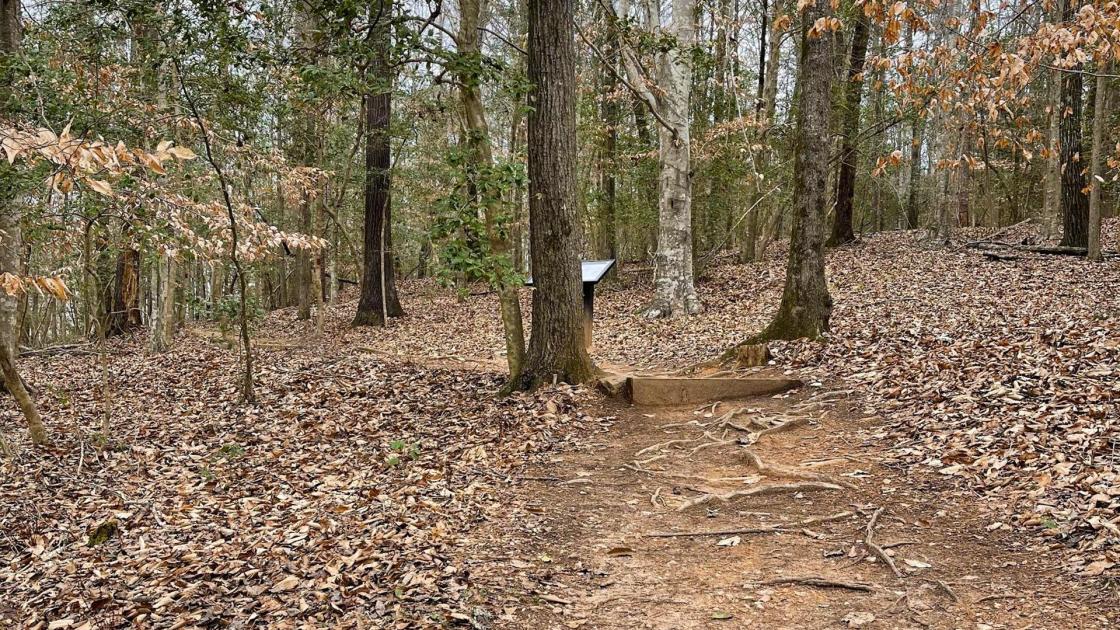
When word that Loyalist troops were encamped at Musgrove Mill reached the Patriot resistance, they decided to target the isolated and vulnerable British outpost. Colonels Shelby, Williams, and Clarke joined forces and, with orders from Colonel Charles McDowell, the army of 200 headed toward Musgrove’s from McDowell’s base at Smith’s Ford on the evening of August 18. Fearful of encountering Tory troops along the way and hoping to catch the British by surprise, they made the 40-mile ride quickly and stealthily, without stopping to eat or water their horses, and arrived before daybreak exhausted and hungry. Once there, they occupied rising ground about 1 ½ miles north of the enemy’s encampment along the southern banks of the Enoree River.
The vital element of surprise was lost, however, when a small scouting patrol was dispatched to gather additional intelligence about the enemy. As the troops finished performing their reconnaissance, they ran into a five-man British patrol west of Cedar Shoal Creek, on top of the river’s ridge line. The encounter resulted in two minor American casualties. The Patriot patrol killed one and wounded two of the British patrol, but two soldiers escaped to alert their comrades. Now the Patriots were in a quandary. They were tired and their horses were fatigued from the overnight journey. If they tried to escape, the British would surely pursue and overtake them. To make matters worse, the Patriots learned that Provincial and Loyalist forces commanded by Colonel Alexander Innes had arrived from the British outpost at Ninety Six. Together with the 200 militia already camped at Musgrove’s Mill, the enemy force would total about 500 and outnumber the Patriots more than two to one.
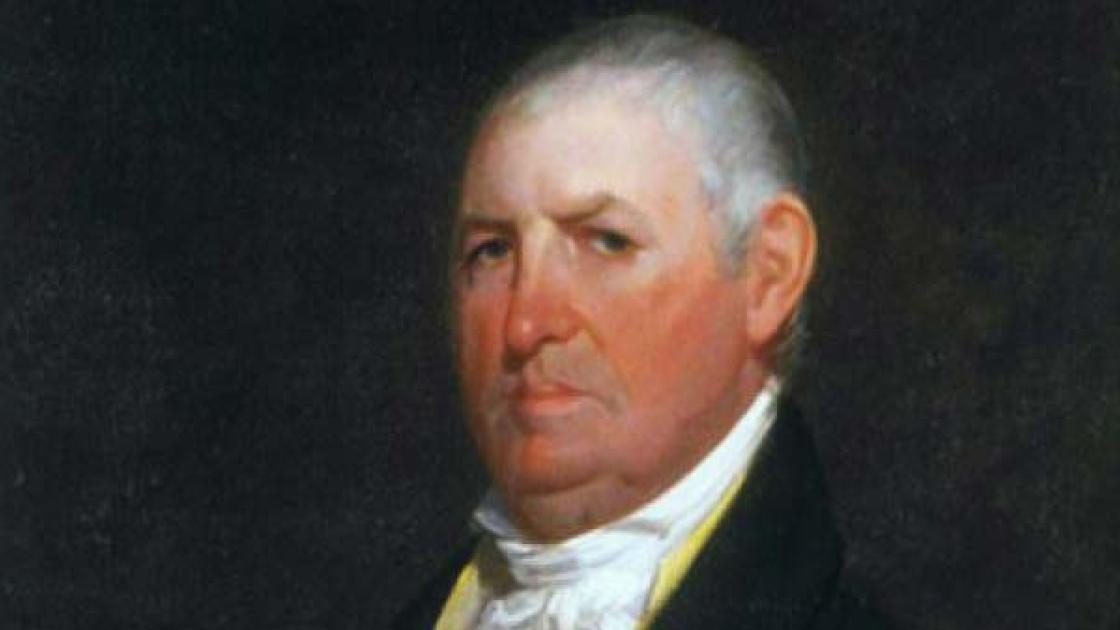
Commander of the Frontier
Many are familiar with the exploits of Francis Marion in the lowcountry, but not many lend credence to that of Isaac Shelby and his endeavors in the upcountry during the Revolution. By the start of the conflict, Isaac Shelby was an experienced frontiersman and emerging military leader. Born in Maryland in 1750 to Welsh immigrant Evan Shelby, he moved with his family to the Holston River Valley near the borderlands of Virginia, North Carolina, and present-day Tennessee. He gained early military experience during Lord Dunmore’s War in 1774, fighting at the Battle of Point Pleasant, and later surveyed lands in Kentucky as Virginia pushed westward.
With the war underway, Shelby was commissioned captain of a Virginia Minutemen company and assisted in supplying George Rogers Clark’s Illinois expedition. His effectiveness on the frontier earned him a colonel’s commission in the North Carolina militia in 1780. That same year, Shelby played a key role in the Patriot victory, here, at the Battle of Musgrove Mill, where his force of militia ambushed a larger Loyalist force that was encamped on this side of the river. It was a victory, like this one, and later Kings Mountain, that shaped the Patriot resolve in the upcountry of South Carolina and led to Cornwallis’ steady retreat to Virginia.
To continue the tour to at the battle site, please proceed to the parking lot and proceed north along Highway 56 and take a left onto State Road S-42-10. Follow this road to the parking lot adjacent to the Horseshoe Falls trailhead. It is along this trail that the Battle of Musgrove Mill took place. Please back out of this tour and select the Musgrove Mill Battle Tour to continue your experience.