-
The BlogBiographies
-
Videos

Princeton Driving Tour
In the frigid dawn of January 3, 1777, the quiet fields around Princeton suddenly became the stage for one of George Washington’s most brilliant battlefield victories. Coming on the heels of the triumph at Trenton, this daring strike against British regulars not only revitalized the Patriot cause but also helped secure Washington’s reputation as a bold and adaptive commander.
This driving tour takes you past sites related to the Battle of Princeton that are farther afield or accessible only by car.
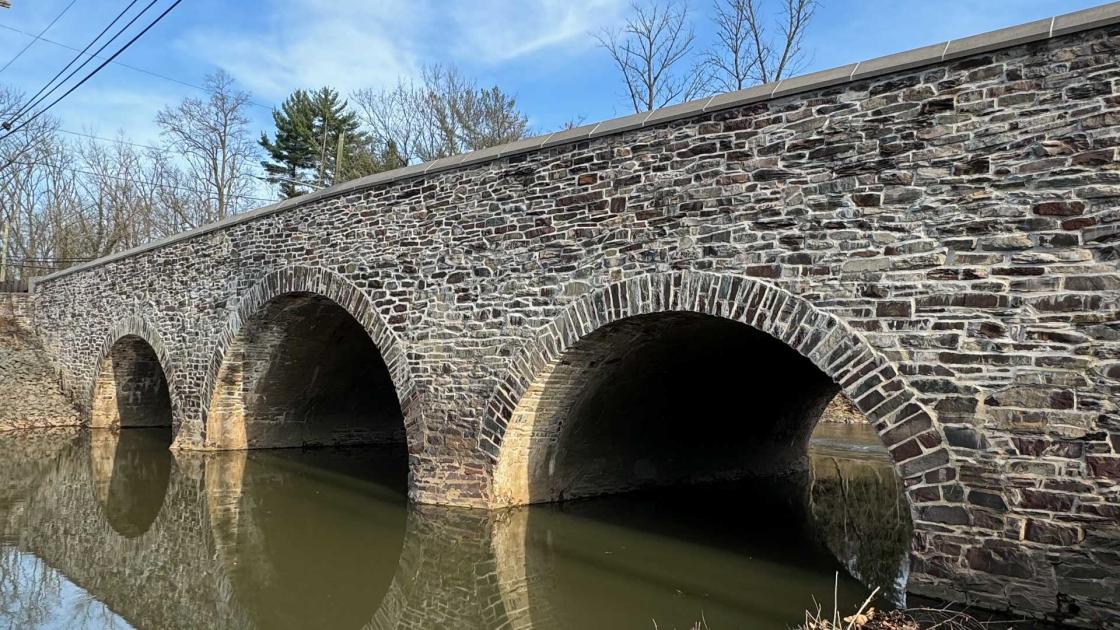
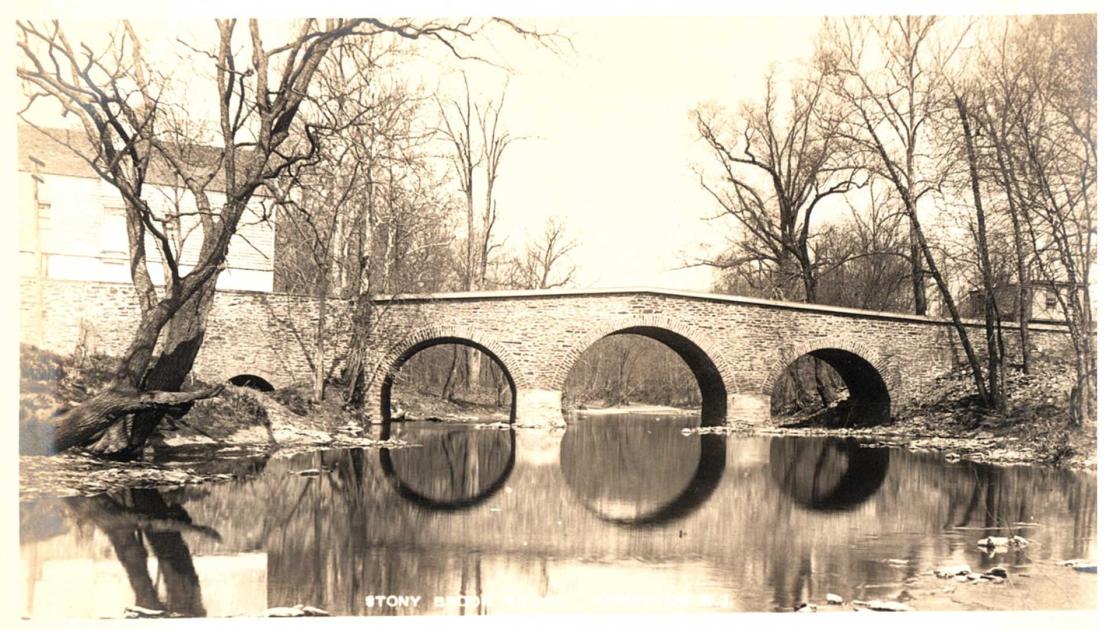
Stony Brook Bridge
The Stony Brook Bridge you drive across today is a modern successor to the original wooden bridge, built about 1740, which allowed the Continental and British armies to move to and from Princeton.
In December 1776, General George Washington’s Continental Army was on the verge of collapse, with enlistments expiring and desertions increasing. Their early successes against the British at Fort Ticonderoga and Boston were distant memories, replaced by recent defeats suffered at Long Island, Kip’s Bay, and Brooklyn. Pursued by British Lieutenant General Sir William Howe, Washington fled from New York to New Jersey, hoping to reach the safety of the Delaware River and put water between himself and the British.
By the end of the first week of December, Washington’s bedraggled force had crossed the Delaware into Pennsylvania. “I think the game will be pretty well up,” he confessed to his cousin, Lund Washington. As Washington prepared his next move, however, Howe ordered his men into winter quarters and unwittingly handed Washington an opportunity. On Christmas night, Washington crossed the Delaware again, ferrying his 2,400 men across the icy water and marching them through a blizzard to strike Hessian troops at the British garrison at Trenton. That victory on December 26 breathed new life into those fighting for independence and was part of a critical period known as the Ten Crucial Days, which culminated with the Battle of Princeton.
When an alarmed Howe learned of Washington’s victory at Trenton, he dispatched Lieutenant General Charles Lord Cornwallis to New Jersey. Cornwallis crossed this bridge from Princeton on the morning of January 2, 1777, on his way to confront Washington at Trenton. He nearly trapped the Continentals at Assunpink Creek near Trenton that evening, but Washington’s troops left the campfires burning and secretly slipped away to Princeton. Hearing musketry from miles away in Trenton, Cornwallis immediately realized he’d been deceived and rode back toward Princeton. But Patriot John Kelly, a major in the Pennsylvania militia, dismantled Stony Brook Bridge, delaying Cornwallis’s arrival and buying time for Washington’s exhausted army to escape.
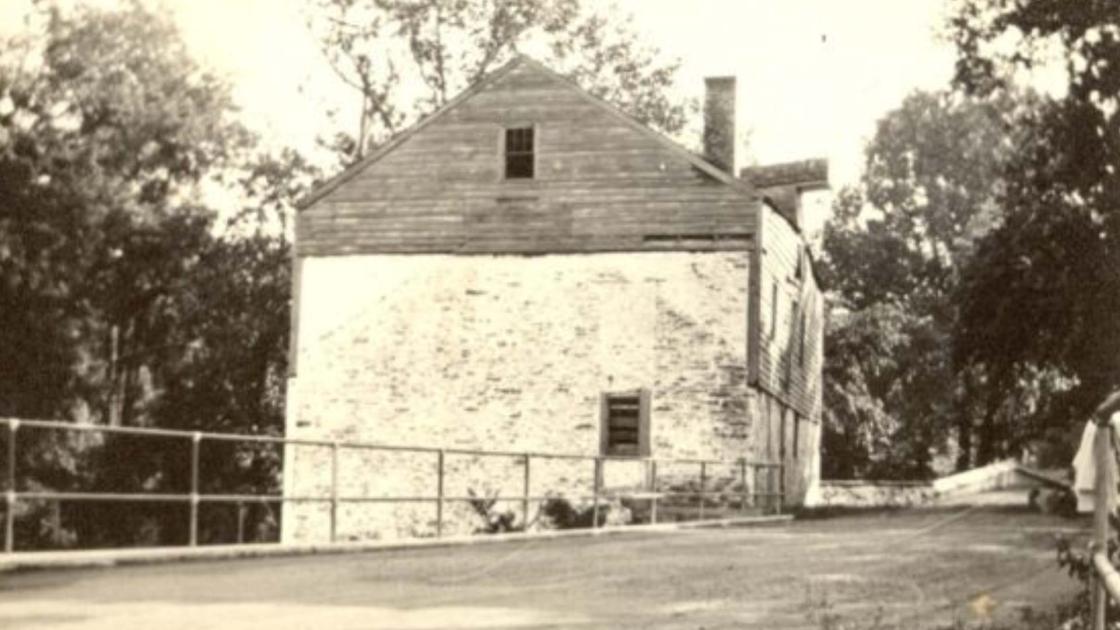
Worth's Mill
An early resident of Stony Brook, Joseph Worth purchased 200 acres from Benjamin Clarke in 1697. He worked with Thomas Potts, a Pennsylvanian, and another local, Joseph Chapman, to establish mills that bore his name. The mill complex stood along Stony Brook near the intersection of the Quaker and Trenton-Princeton roads. Powered by the waters of the stream, it supported the burgeoning Quaker community with livestock, feed, and flour. In addition to grist mills, a cooper, blacksmith, cobbler, and tanner eventually occupied the site. Lieutenant General Charles Lord Cornwallis’ force marched past the complex on January 2, 1777, to locate General George Washington’s army. Some of Lieutenant Colonel Charles Mawhood’s force moved through the following day prior to the Battle of Princeton. Worth’s Mill survived the battle but no longer exists today. Although not accessible to visitors, ruins of one of the walls still stand near Stony Brook Bridge.
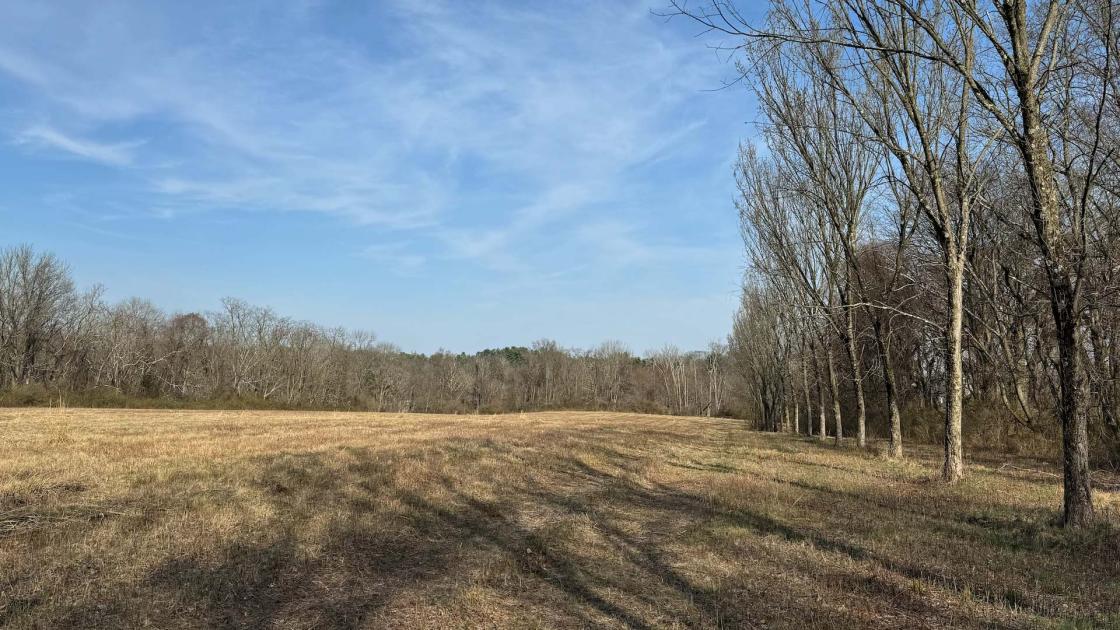
Historic Overlook Park
This park sits on a ledge above Stony Brook. You near it as you turn left at the Stony Brook Bridge, but it is not open to visitors. It is close to Cochran’s Hill, where British Lieutenant Colonel Charles Mawhood first observed movement along the Saw Mill Road on January 3, 1777. Soon after, his cavalry confirmed the presence of Patriot troops about a mile away.
What brought Mawhood near this overlook on that day? News of General George Washington’s success at Trenton on December 26 had turned Lieutenant General Howe’s headquarters in New York City upside down and Howe reacted immediately. He ordered Lieutenant General Charles, Lord Cornwallis to cancel his much-anticipated leave to England to visit his family and ailing wife, Jemima, and return to New Jersey. With a small escort, Cornwallis rode hard through the cold and reached Princeton on New Year’s Day 1777. Cornwallis stopped at the British garrison there to amass troops, then set off toward Trenton to find Washington the next morning. He left Mawhood’s brigade behind with instructions to follow him on January 3. Mawhood was passing by here on his way to Trenton.
Mawhood joined the British army in August 1752. He had experience leading cavalry and infantry. His command at Princeton consisted of the 17th, 40th, and 55th Regiments of Foot along with the 16th Light Dragoons.
Thomas Olden House
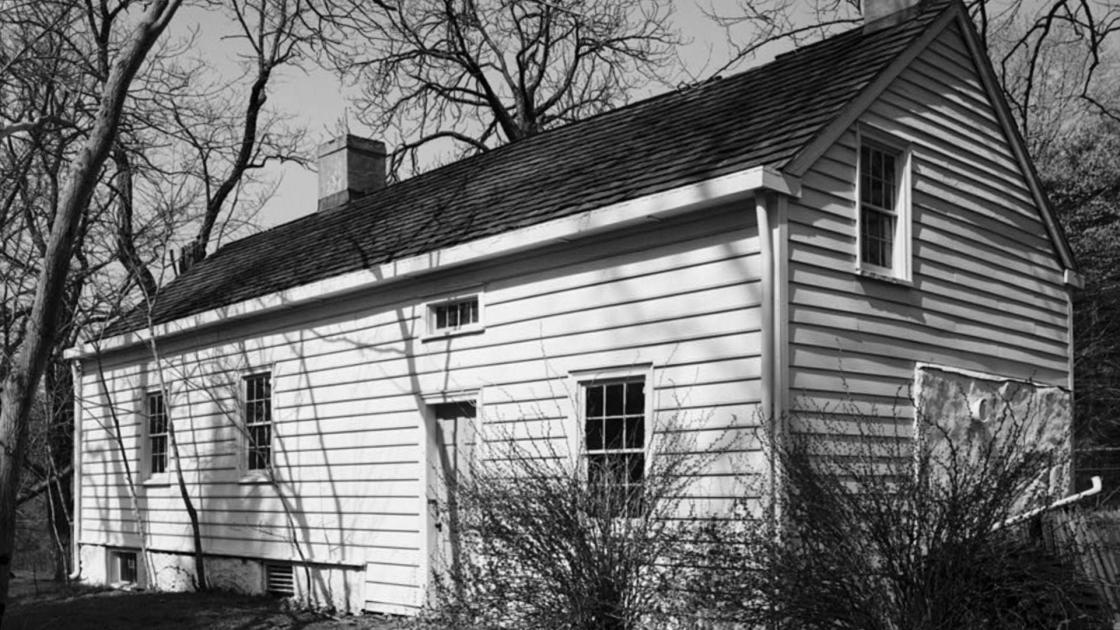
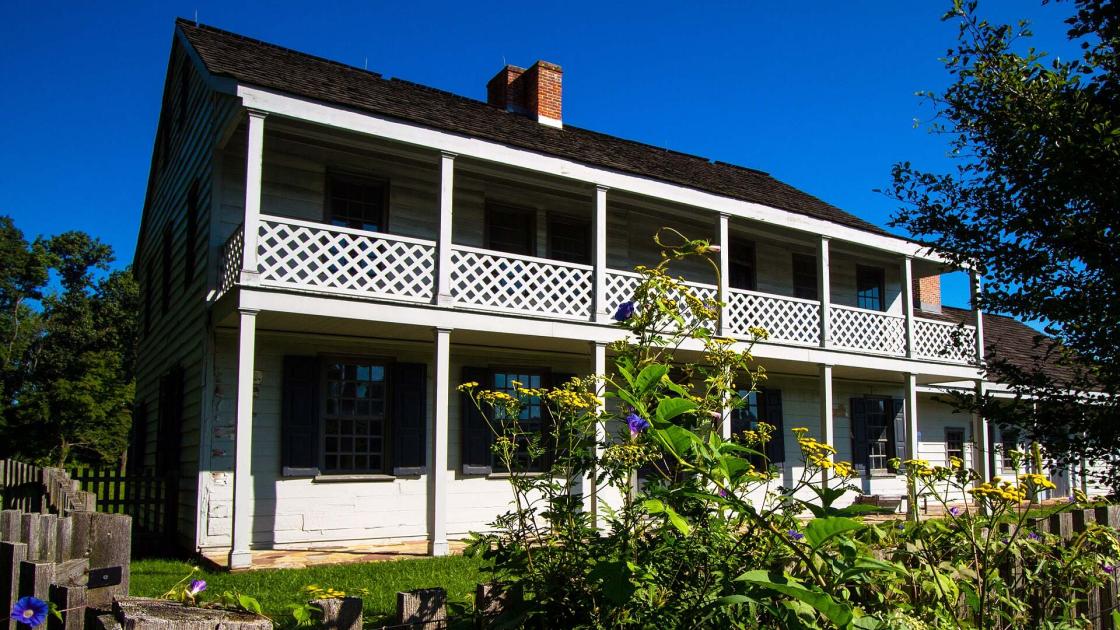
As you drive down Stockton Street in Princeton (Route 206), you can’t help but notice Drumthwacket, the stately official residence of the governor of New Jersey. A small white farmhouse, known as the Thomas Olden House, stands on the Drumthwacket site and is one of the few remaining original houses from Revolutionary War times.
A son of William Olden, one of Stony Brook’s first settlers, Thomas Olden was born on September 16, 1735. In 1757 he constructed a house along the Trenton-Princeton Road on the Olden tract. Like many of his neighbors, Thomas was a farmer, a Quaker, and member of the Stony Brook Meeting. In July 1766, he married and he and his wife Sarah had two sons, Nathaniel and Hart. The family lived in this house during the American Revolution. General George Washington purportedly used the house as his headquarters during the dismal retreat across New Jersey. The family endured the British occupation of Princeton, during which their hay, flax, and firewood were plundered.
From their home’s original location on the original Olden land, Thomas, Sarah, and their children would have had a clear view of the events of January 3, 1777. Surprised by the battle developing around them that morning, the family sheltered in the cellar as British Captain James Trevor’s 55th Regiment of Foot and the 17th Regiment of Foot marched across their property toward Princeton. The 17th Regiment of Foot dropped their knapsacks in the front yard before engaging Patriot Brigadier General Hugh Mercer on the William Clarke farm.
Robert Lawrence, a town resident, witnessed the scene from the Olden’s front porch and left an account of the engagement. He recalled that General George Washington appeared “on horseback at the back door” before riding toward Princeton. Lawrence also remembered burying the dead after the battle. When the fighting finally subsided, the house became a hospital and the Oldens tended to the wounded and dying of both armies.
Mercer Hill
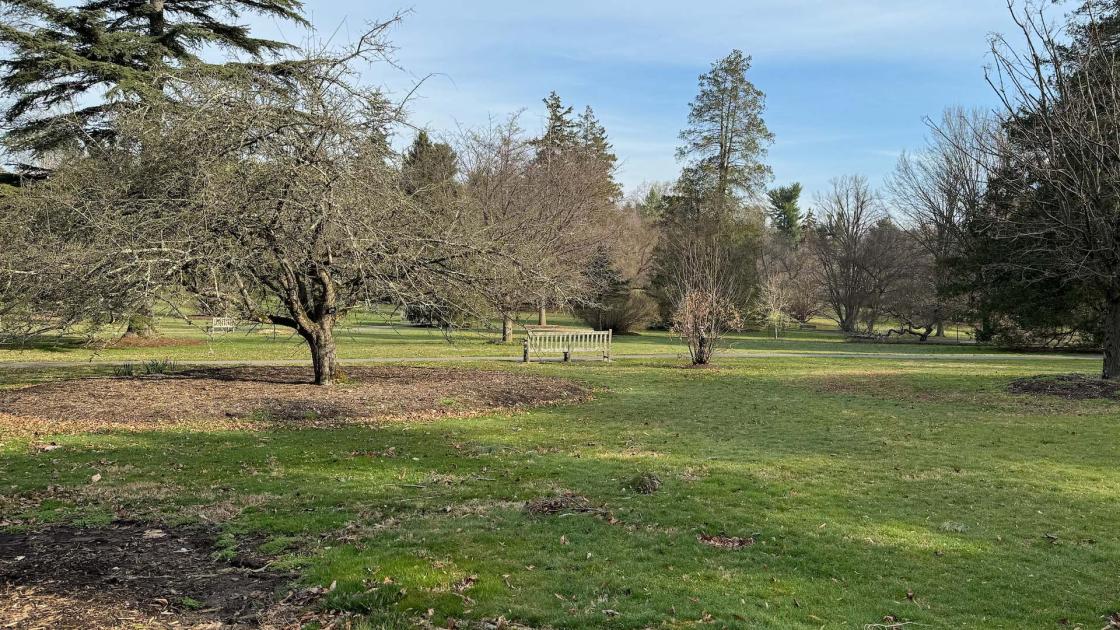
It might be hard to believe, given the playground and other recreational opportunities you encounter here, but when you enter Marquand Park today, you are on historic ground. This area is known as Mercer Hill and played a part in the Battle of Princeton.
When initially apprised of General George Washington’s presence early on January 3, 1777, British Lieutenant Colonel Charles Mawhood planned to intercept the Continentals and use the high ground here to his advantage. While Patriot Brigadier General Hugh Mercer began to advance across Thomas Clarke’s farm, Mawhood sent Captain James Trevor’s 55th Regiment of Foot back to Princeton. Trevor dispatched a contingent to a hill closer to town, while the bulk of the regiment occupied Mercer Hill. The ferocity of the fighting on the William Clarke farm convinced Trevor the battle was unwinnable and he did not advance to reinforce Mawhood. He decided to withdraw into Princeton and unite with Captain Robert Mostyn and his 40th Regiment of Foot.
Nassau Hall
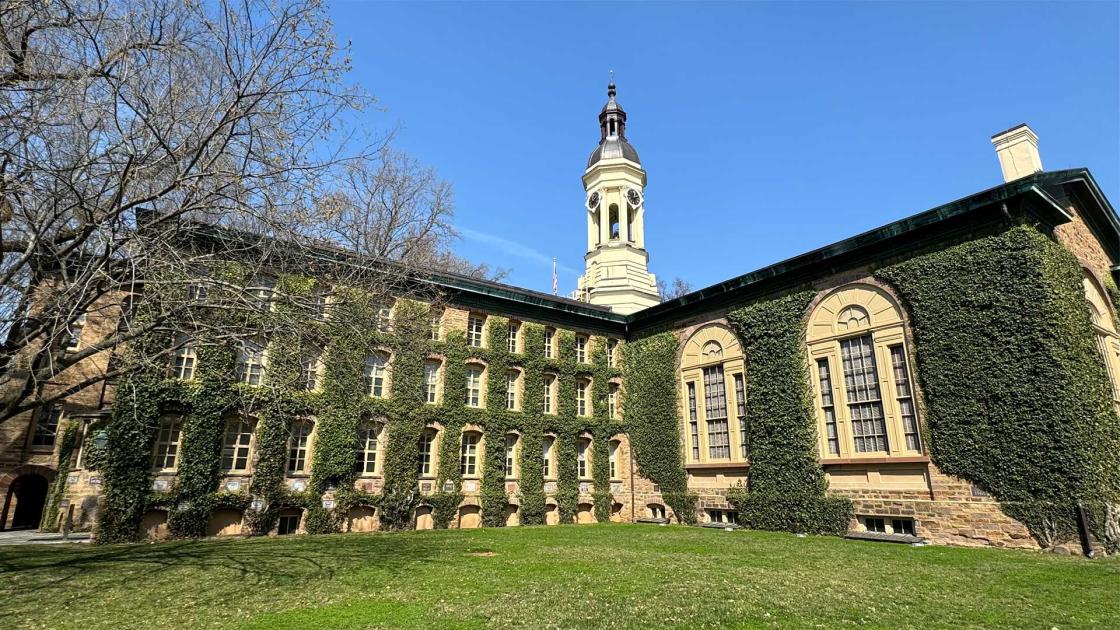
As the fighting of the Battle of Princeton neared town, the fleeing soldiers of the British 40th and 55th Regiments of Foot sought shelter here in Nassau Hall. At the time the building was the center of the College of New Jersey, now known as Princeton University. At the final stage of the battle, Nassau Hall served as a last-ditch defense against the oncoming Americans. The Continentals surrounded the building and rather than risk casualties from a direct attack, Patriot Brigadier General Henry Knox ordered artillery to deploy and fire along the southern façade of the building. One of the shots shattered a portrait of King George II. Other rounds tore through the walls. The British soldiers inside quickly surrendered. General George Washington, however, had little time to savor the victory. He knew Lieutenant General Charles, Lord Cornwallis would arrive from Trenton soon.
After fighting two battles in two days and enduring an all-night march, Washington’s men were exhausted. Bloodied but triumphant, the Continentals were in no shape to take on Cornwallis again, let alone attack the British garrison at New Brunswick as they originally planned. As his men abandoned Princeton, Washington called another council of war. The officers elected to march to Somerset Court House, about 20 miles away, and then to Morristown, another 30 miles north. There Washington put his army into winter quarters where he was well-defended by the Wachtung Mountains and could keep a close eye on British Lieutenant General Sir William Howe. His victories at Trenton and Princeton forced the British to abandon much of New Jersey and consolidate their efforts around New York City. Most importantly, they ensured that the war would go on for at least another year and breathed life back into the cause of independence.
Frog Hollow Ravine
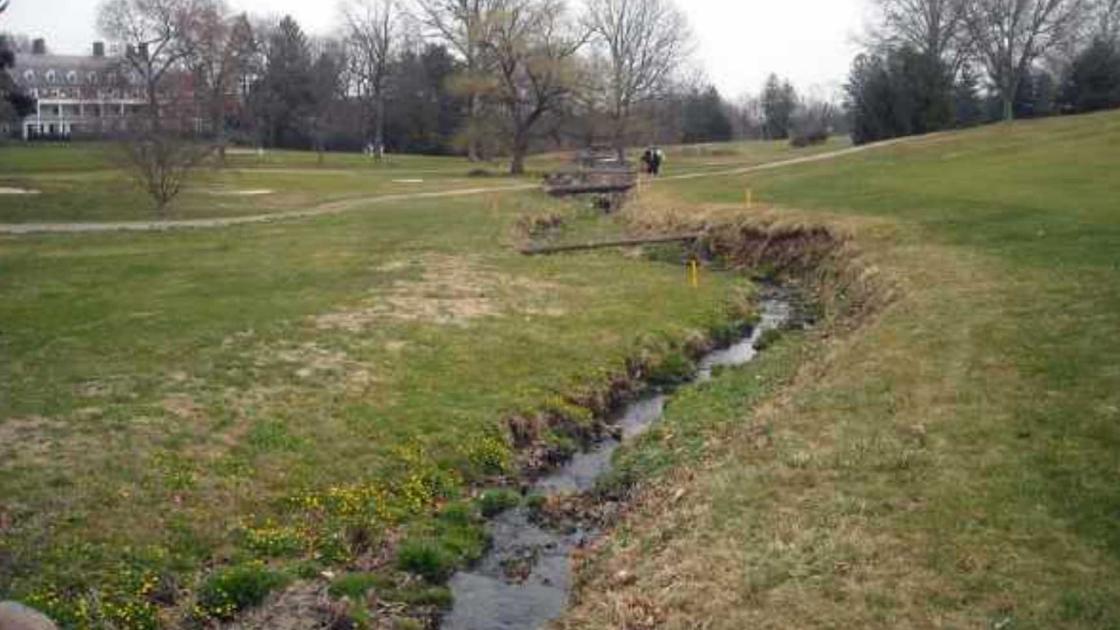
Left by Lieutenant Colonel Charles Mawhood to defend Princeton, Captain Robert Mostyn deployed soldiers from the 40th and 55th Regiments of Foot in Frog Hollow Ravine outside the town. Today the ravine is barely visible on the Princeton University golf course, but in colonial times Frog Hollow was a tributary of Stony Brook, which ran through a slope that provided an ideal defensive position.
The British did not have to wait long to engage the Continentals. Soon, Sullivan’s division appeared in line of battle, supported by Patriot Captain Joseph Moulder’s guns that moved up from the Thomas Clarke farm. Heavily outnumbered, the British soldiers gave way before a wave of Americans. The survivors retreated to the safety of Nassau Hall, leaving their dead, Mostyn among them, on the field.
Rockingham Historic Site
The problems of disbanding the Continental Army in the summer of 1783 prompted Congress to summon General George Washington to assist them in Princeton, where they had relocated for protection from angry veterans demanding back pay. The commander-in-chief left Newburgh, New York, on August 18 and headed south with his escort. The journey lasted five days. Upon his arrival, Washington established his headquarters here at Rockingham, a 320-acre estate owned by Margaret Berrien, the widow of Judge John Berrien, a former Trustee of Princeton and New Jersey Supreme Court justice. With more than 20 rooms, the house had ample space for meetings and entertaining guests. Once recovered from a fever, Martha Washington joined her husband there.
When not occupied with Congress, Washington enjoyed horseback riding through the countryside here. He befriended a young artist, William Dunlap, who painted portraits of the Washingtons along with a full-length rendering of the general. At the end of October, news arrived that the United States and Great Britain had signed the Treaty of Paris, bringing the war to a formal close. Congress adjourned a few days later, on November 4. Soldiers returned home to their families and focused on resuming ordinary life in a new nation.
Washington left Rockingham at that time and returned to New York. However, about a month later, he passed through Princeton again. He had one more task to perform in the service of his country. Washington was on his way to visit Congress, which was in session in Annapolis, Maryland. After securing victory in the Revolution, he was the most powerful man in the United States. But rather than dissolving Congress and setting himself up as a military dictator, he returned his officer’s commission to Congress, ensuring civilian control of the new government. He then rode south toward his home at Mount Vernon, Virginia.
Today, visitors come to Rockingham Historic Site to learn about Washington’s final wartime headquarters and explore aspects of colonial life. The house has a fine collection of 18th-century furnishings, a children’s museum, and a kitchen garden.