-
The BlogBiographies
-
Videos

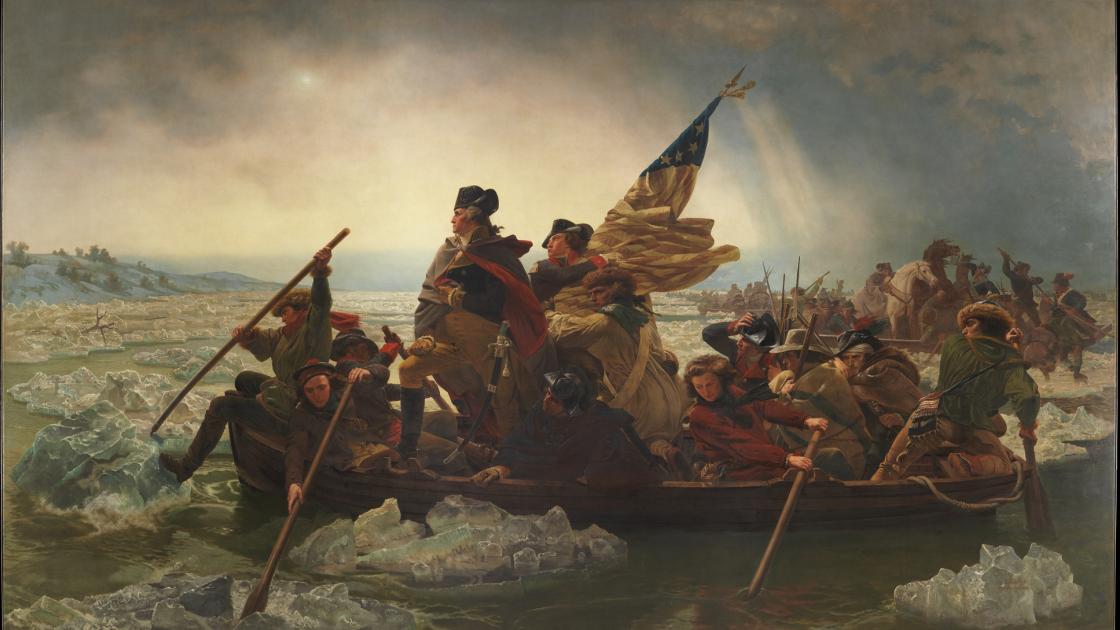
December 25, 1776 - January 3, 1777
On December 25, 1776, General George Washington and the Continental Army crossed the Delaware River to attack Crown forces in Trenton. This bold decision marked the beginning of a period known today as the Ten Crucial Days, which culminated in the Battle of Princeton on January 3, 1777. This driving tour is approximately 25 miles long and starts at the site where Washington crossed the Delaware into New Jersey. It features key sites in Trenton and ends at the historic road to Princeton. Users may then access the Princeton Battlefield Tour on this app for a walking tour of the battleground.
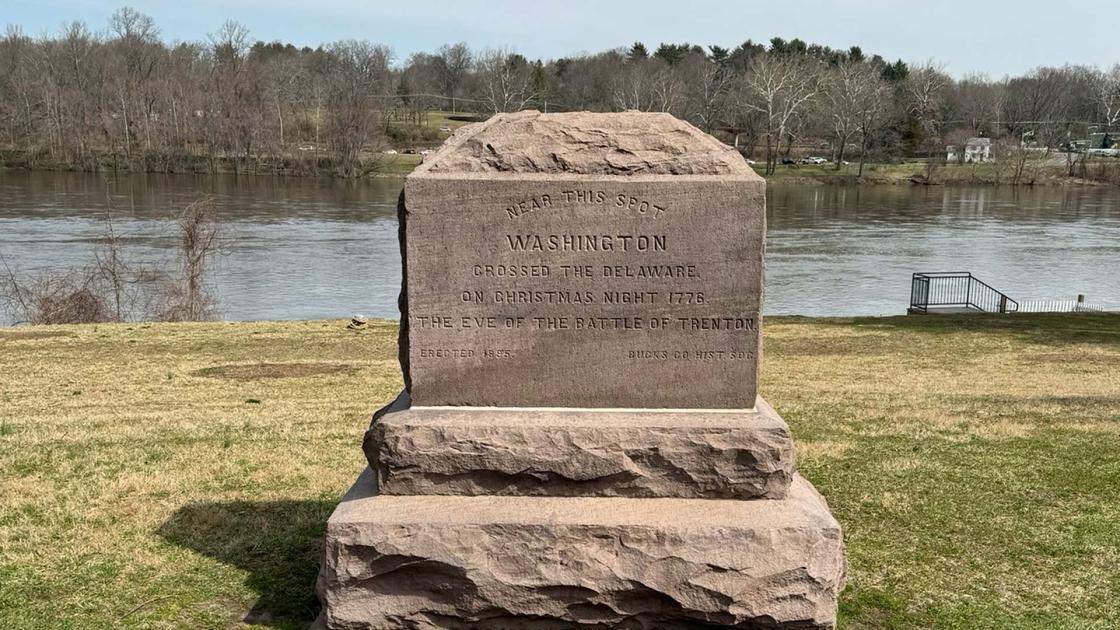
General George Washington moved his depleted army here to McConkey’s Ferry in the second week of December 1776. Rather than pursue Washington across the Delaware River, Lieutenant General Sir William Howe elected to halt in New Jersey. The British commander decided to go into winter quarters, establishing camps throughout the countryside while he returned to New York. With their supply lines stretched thin, the British and Hessians had to live off the land, putting them in close contact with the local population. Resenting the destruction of property and confiscation of food by British soldiers, the New Jerseyans rose against their occupiers. The local militia ambushed foraging parties and effectively isolated the Hessian garrison at Trenton, which was commanded by Colonel Johann Gottlieb von Rall. Apprised of the situation, Washington called his officers together on Christmas Eve. The commander-in-chief decided on a daring gambit—recross the 800-foot wide river into New Jersey and attack Rall. Today, the river you see at the crossing is 850 feet, slightly wider than it was in 1776.
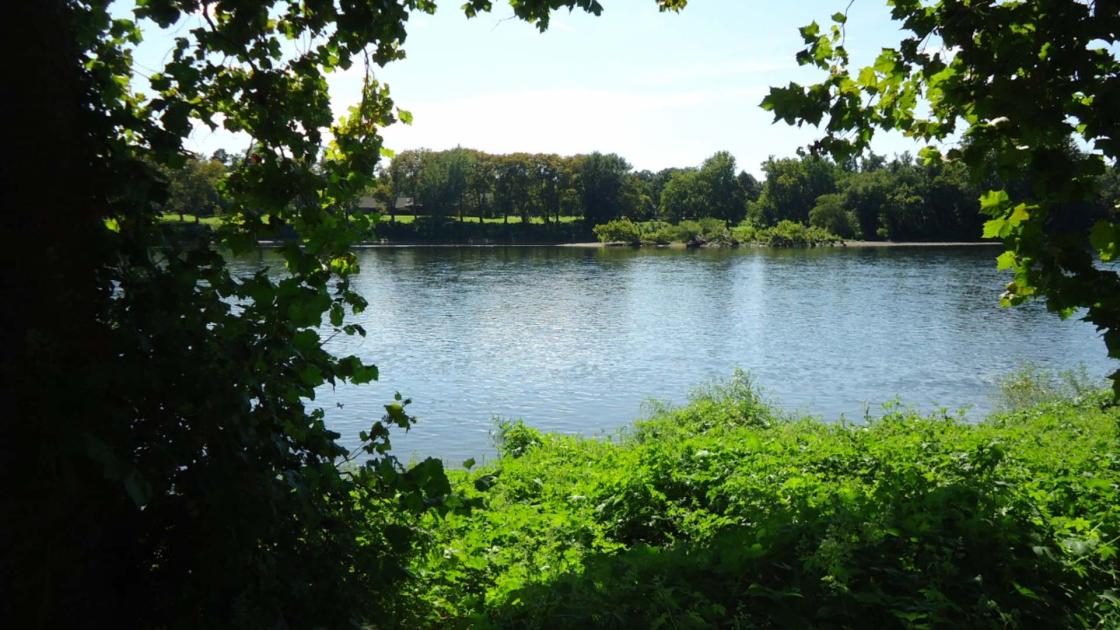
Washington planned to cross the Delaware River from Pennsylvania to New Jersey under cover of darkness on Christmas night, then attack Trenton at dawn. The hungry and decrepit condition of his men, coupled with a nor’easter that brought sleet and snow, contributed to delays throughout the operation. Responsibility for the crossing fell into the reliable hands of artillerist Colonel Henry Knox. Assisted by Colonel John Glover of the 14th Massachusetts and members of the Philadelphia Navy, the army began assembling along the banks at McConkey’s Ferry late in the afternoon. There, they piled into the large Durham boats, named for the ironworks that used them to haul freight up and down the river. Piloted by the Marbleheaders, who were experienced Massachusetts sailors, the men made the arduous journey through the fast-running current across the 800-foot-wide river to New Jersey. Once across, Washington dispatched Virginians under Colonel Adam Stephen to set up a cordon around the crossing so as not to be detected by enemy patrols. The commander-in-chief sat on an empty beehive by the bank and patiently waited for his boats to arrive. The pelting sleet and snow slowed the operation, putting Washington’s timetable for the attack behind schedule. Finally, with his men and horses safely here on the New Jersey banks, the army set out toward their objective.
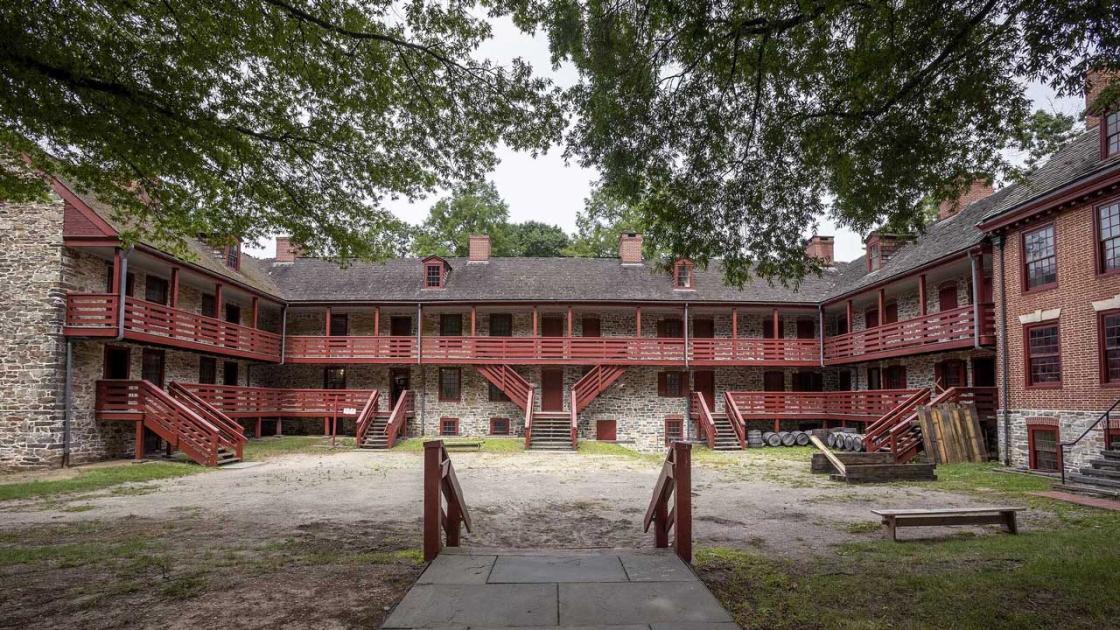
These imposing barracks, now a museum, were constructed between 1758–1759 to house British soldiers during the French and Indian War. The structure took on a new purpose during the Revolutionary War and played a role in the battles of Trenton and Princeton. There were five such barracks throughout New Jersey, and it is the only one still standing.
In the fall of 1775, when New Jersey began to recruit regiments for the Continental Army, the Trenton barracks provided an ideal housing and training ground for the new troops. With a total of 15 rooms, each measuring 20 square feet, the building could accommodate up to 300 soldiers. Here they drilled, slept, cooked, ate, and mended uniforms before leaving on campaign. Captured British soldiers and their families were also imprisoned at the barracks.
A hospital was established by the Continental Army in Trenton, possibly at the barracks, during the New York Campaign. When Lieutenant General William Howe’s British forces arrived in Trenton on December 8, 1776, in pursuit of General George Washington, the first troops to occupy the barracks were the 17th Regiment of Foot, a unit later heavily engaged at the Battle of Princeton. On the morning of December 26, 1776, as the Battle of Trenton unfolded, Hessian jaegers, or light infantry, made a brief stand against Continentals under Major General John Sullivan near this site.
Although Washington’s victories at Trenton and Princeton helped reignite the cause of independence, the American general still faced other challenges. “Finding the Small pox to be spreading much and fearing that no precaution can prevent it from running through the whole of our Army, I have determined that the troops shall be inoculated,” the commander-in-chief wrote to surgeon William Shippen, Jr. on February 6, 1777. Acting under Washington’s directive, Dr. Bodo Otto established an inoculation site at the Trenton barracks. His efforts to contain smallpox were successful. As Howe’s army threatened Philadelphia later that fall, the Continentals abandoned the hospital, only to reoccupy it later in the war.
If the river crossing itself was an ordeal, the march to Trenton was worse. General George Washington’s men trudged through the driving snow, the ground frozen beneath them. Many were without shoes. At least two men, exhausted and unable to go on, slowly sunk to the ground and died. As the column navigated Jacob’s Creek, Washington’s horse slipped on the ice, threatening to fall on top of him. A superb horseman, Washington immediately grabbed the horse’s mane and shifted his weight, allowing the mount to regain its footing. Those who witnessed the feat were astonished.
Washington divided his command when he reached Birmingham, now West Trenton. The commander-in-chief would accompany Major General Nathanael Greene’s division as it attacked the town from the north while Major General John Sullivan advanced along the river and struck the town from the south.
Nearing Trenton, Washington deployed his men into three columns. He placed Brigadier General Hugh Mercer on the right. Brigadier Generals Adam Stephen and William Alexander, Lord Stirling took the center. French Brigadier General Roche de Fermoy held the left. The 3rd Virginia went ahead as skirmishers. Among the ranks of the 3rd Virginia were Captain William Washington, a distant cousin of the commander, and a lieutenant and future president named James Monroe. Contrary to popular belief, Colonel Johann Gottlieb von Rall’s men in the Trenton garrison were not sleeping off a Christmas celebration. The constant activity of the Pennsylvania and New Jersey militia kept them on high alert.
Shortly after 8:00 a.m., Washington struck one of several enemy outposts located around Trenton. The Hessians put up a stiff fight, slowly withdrawing back toward the town. This delaying action allowed Rall to form regiments to meet the Continentals. Reaching the high ground overlooking the town, Washington could hear Sullivan’s attack to the south. He directed Colonel Henry Knox to deploy his artillery. Knox placed batteries under Captains Thomas Forrest, Sebastian Bauman, and Alexander Hamilton to fire down the length of the streets.
The Continental artillery effectively pinned down Rall in the town and the Hessian commander moved east into an orchard so that he could properly maneuver. Reaching the orchard, Rall attempted to turn the Continental’s left flank. Washington countered by reinforcing that sector of his line. With few options left, Rall pulled his men back into the town. Sensing the tide shift, Washington ordered Mercer and Stirling to attack. The fighting quickly degenerated into a brutal hand-to-hand contest in the streets. Knox wrote that it was “a scene of war which I had often conceived but never saw before. The hurry, fright, and confusion of the enemy was not unlike that which will be when the last trump shall sound.”
Among the wounded were William Washington and James Monroe. Any hope of recapturing the momentum dissipated when Rall fell. Without their commander and surrounded by Continentals, the Hessians began to surrender. Washington’s great gamble paid off.
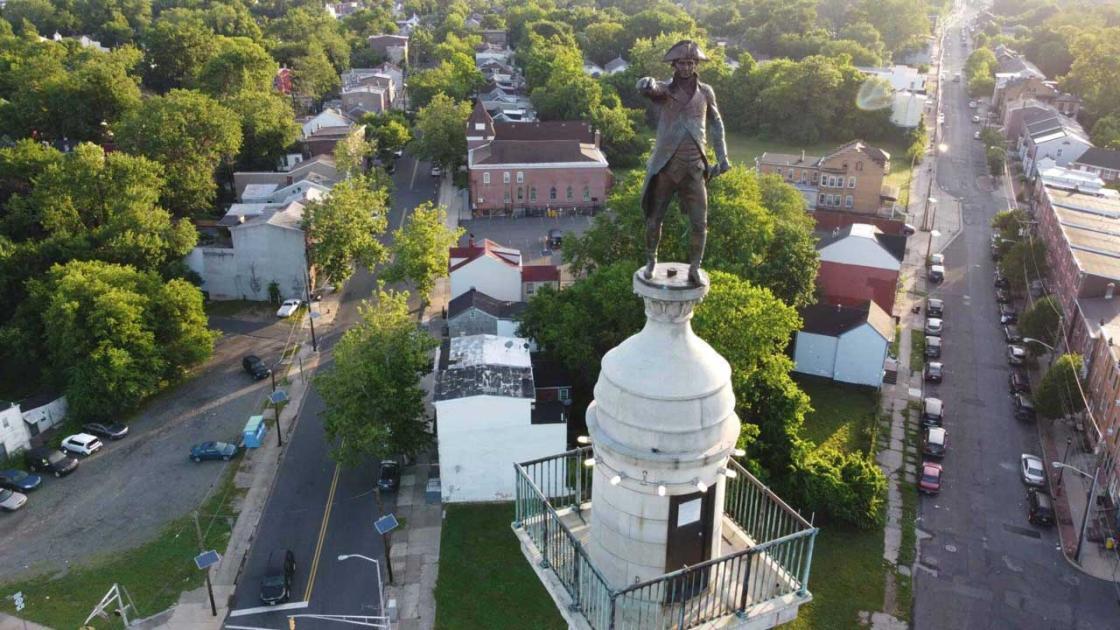
When you stand here at the Trenton Monument today, which was the site of the American artillery emplacement during the battle, you still get a sense of the high ground in this area and its importance to Washington during the battle. Looking down Warren Street to your right, you can glimpse the Cathedral of St. Mary of the Assumption, the site of Rall's headquarters.
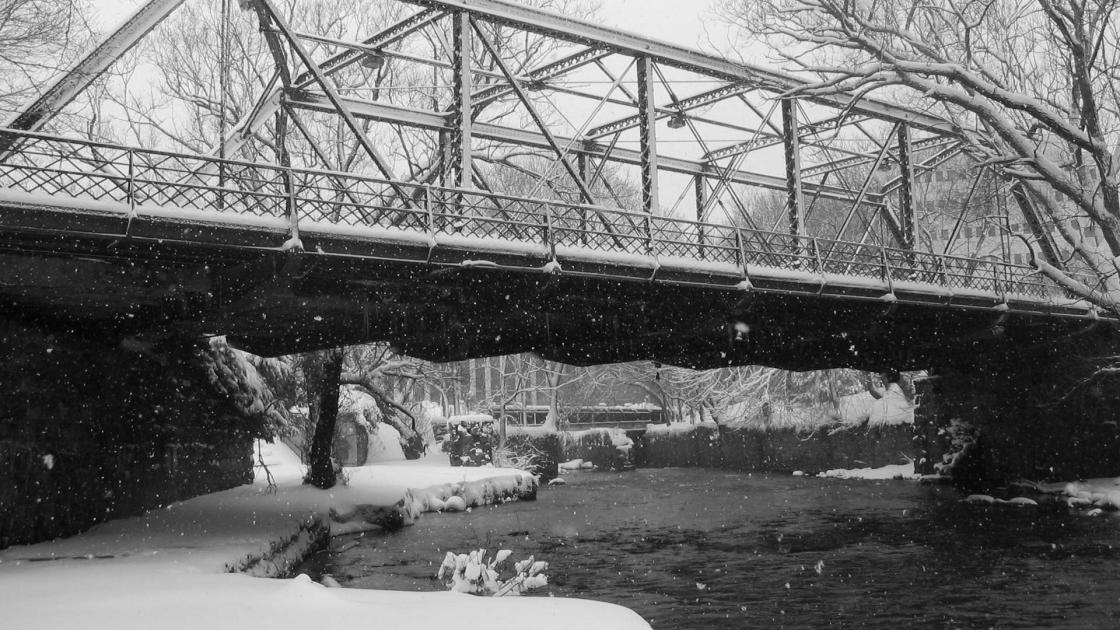
Washington recrossed the Delaware to Pennsylvania after the battle only to return to Trenton several days later. When an alarmed Howe learned of Washington’s victory, he dispatched Lieutenant General Charles Lord Cornwallis to New Jersey, setting the stage for another confrontation. On January 2, 1777 Washington placed a delaying force on the road between Trenton and Princeton under the command of a French officer, Brigadier General Matthias Alexis Roche de Fermoy. Fermoy directed Colonel Charles Scott’s Virginia brigade, along with his own, made up of Colonel Edward Hand’s 1st Pennsylvania Rifle Regiment and Colonel Nicholas Hausegger’s German Regiment.
As Cornwallis’s column came into view, however, Fermoy, who had been found drunk and relieved of his command, rode off, leaving Hand in charge. The Irish native was well-prepared. Hand’s riflemen opened fire on the British-Hessian force initiating a running battle along the Trenton-Princeton Road. By 3:00 p.m., Cornwallis had pushed the Continentals back to the outskirts of Trenton. A heavy fight erupted, with Hand’s men firing from the houses in the area. Hand fell back through the streets of Trenton as they made their way toward the bridge over Assunpink Creek. The Continentals stood on the heights on the other side of the creek. Watching from above, Washington ordered Colonel Daniel Hitchcock’s Rhode Islanders to cover Hand’s retreat through the town. After buying Washington several valuable hours, Hand reached the safety of the Continental position.
Undeterred by the day’s fighting and the fading light, Cornwallis decided to attack the bridge. After three attempts were repulsed by the Americans, the British commander pulled back from the creek and into Trenton. Washington then called a Council of War to determine his course.
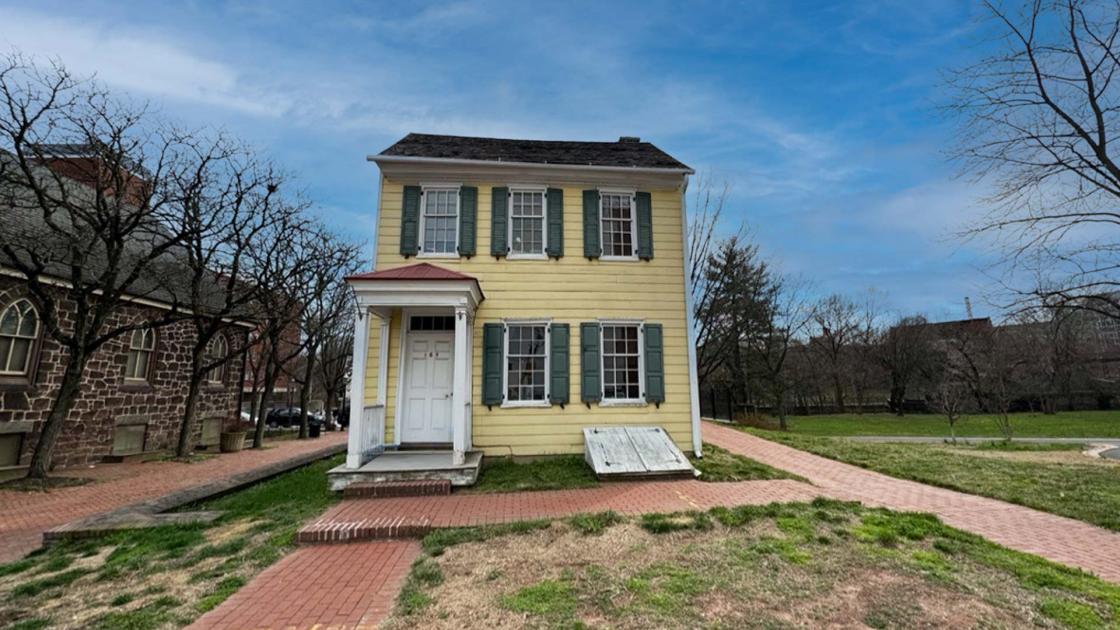
This colonial house was the scene of pivotal events that led to General George Washington’s victory at Princeton. The home was originally built on South Broad Street, south of Assunpink Creek, around 1760 by Jacob Bright. Alexander Douglass purchased the house from Bright in 1769. Douglass later became a captain and quartermaster in the Continental Army.
After the Continentals repulsed British and Hessian soldiers at Assunpink Creek on January 2, 1777, Douglass’s home served as the headquarters of Brigadier General Arthur St. Clair. That night, General George Washington convened a Council of War with his subordinates at Douglass’ home to consider his next course of action. The strategic decisions made under this roof led to Washington’s victory at Princeton the following day.
Douglass lived in this home until his death in 1836. The house later served as the rectory for the German Evangelical Lutheran Trinity Church. The home was moved to Centre Street in 1876 and to a location near the State House in the 1920s. During America’s Bicentennial in 1976, the Douglass House was moved here, to Mill Hill Park near Assunpink Creek.
When General George Washington met with his subordinates on the evening of January 2. 1777 to discuss their next move, he was concerned that the Continentals would not be able to stand up to a British assault the following morning. However, abandoning their line in the night and pulling back along the Delaware could further isolate the army, straining their supply as well as their morale. One of the brigade commanders, Arthur St. Clair, suggested an intriguing alternative. Along Assunpink Creek on the far right of Washington’s line, St. Clair reported that the roads leading to Princeton were open. Rather than face an onslaught by the British in the morning, why not gain an advantage by stealing a march on Cornwallis to strike the garrison at Princeton?
Luckily, the weather changed in Washington’s favor. A sudden and cold wind brought a freeze. The Continentals could march over hard, compact roads instead of an ocean of mud. Orders quickly went out for the Americans to build up their campfires to deceive the British. As silently as possible, the army slipped away from the banks of the Assunpink. The Americans wound their way along the river, then east. Skirting the Great Bear Swamp, the hungry and cold ranks reached the Quaker Road, which leads to Princeton today.
After crossing Stony Brook, Washington issued orders for the upcoming attack. He directed Brigadier General Thomas Mifflin’s brigade to move west toward Worth’s Mill and assume a blocking position to prevent anyone from getting in or out of the town. Part of Greene’s wing would accompany Major General John Sullivan’s division, which would deliver the main attack on Princeton.
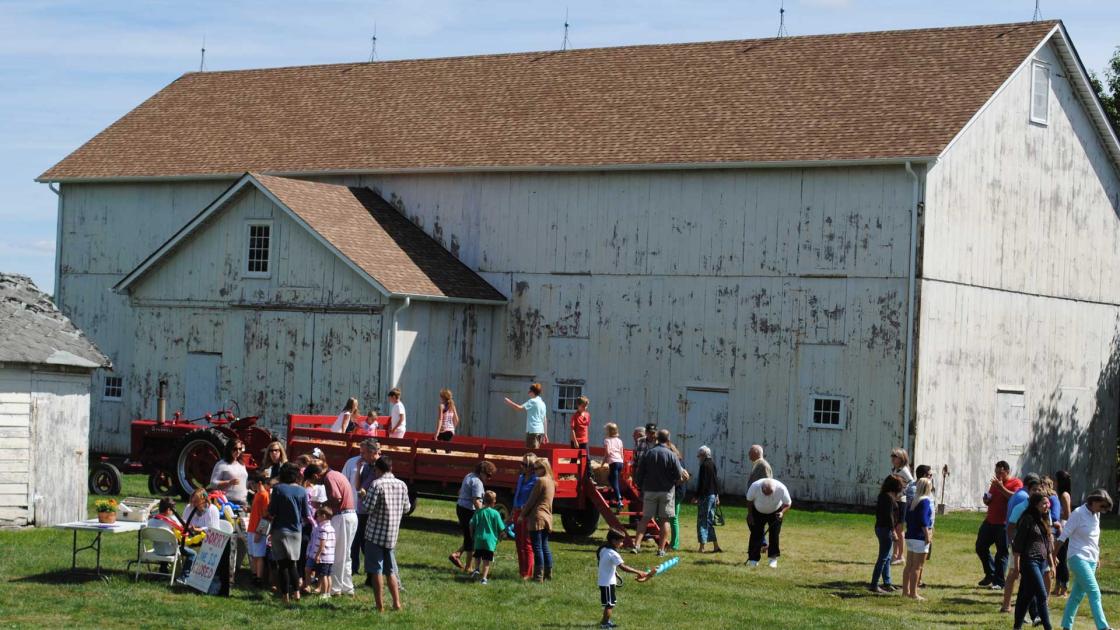
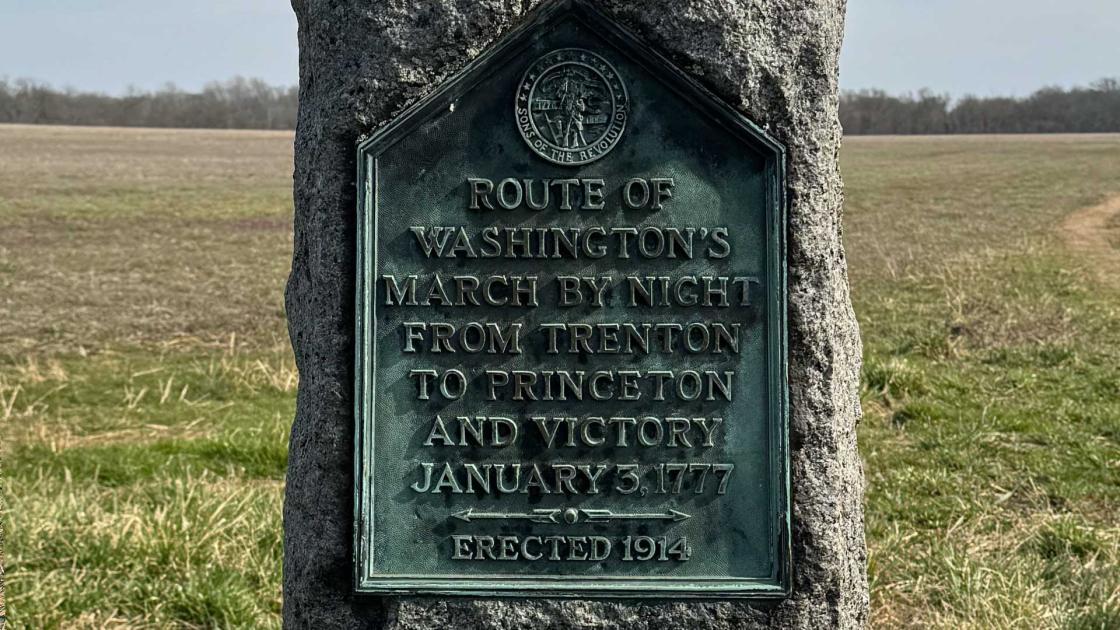
Facing the Quaker Road, the Updike farmhouse keeps watch over the route used by General George Washington’s Continental Army as they marched toward Princeton in January 1777. A granite marker indicating the march stands nearby in the area where the Saw Mill Road intersected the Quaker Road. Washington split his force at the intersection, sending Major General Nathanael Greene’s division west to block any British escape from Princeton. Washington accompanied Major General John Sullivan’s division, along with troops from Greene’s force, along the Saw Mill Road toward Princeton.
Benjamin Clarke purchased this in 1697. Sometime around the turn of the 18th century, the Clarke family constructed the farmhouse that you can visit today. The house and the property remained in the family nearly 200 years, until the early 1890s. Subsequent owners erected additional buildings on the property. In 1969, the farm was sold to Princeton’s Institute for Advanced Study and is now the home of the Princeton Historical Society. The Society’s museum and archival collections are used by scholars, students, genealogists, architects, local businesses, and the general public. The collections document daily life in Princeton from early settlement to the 21st century and feature furniture, paintings, clothing, household objects, manuscripts, photographs, architectural drawings, and maps.