-
The BlogBiographies
-
Videos

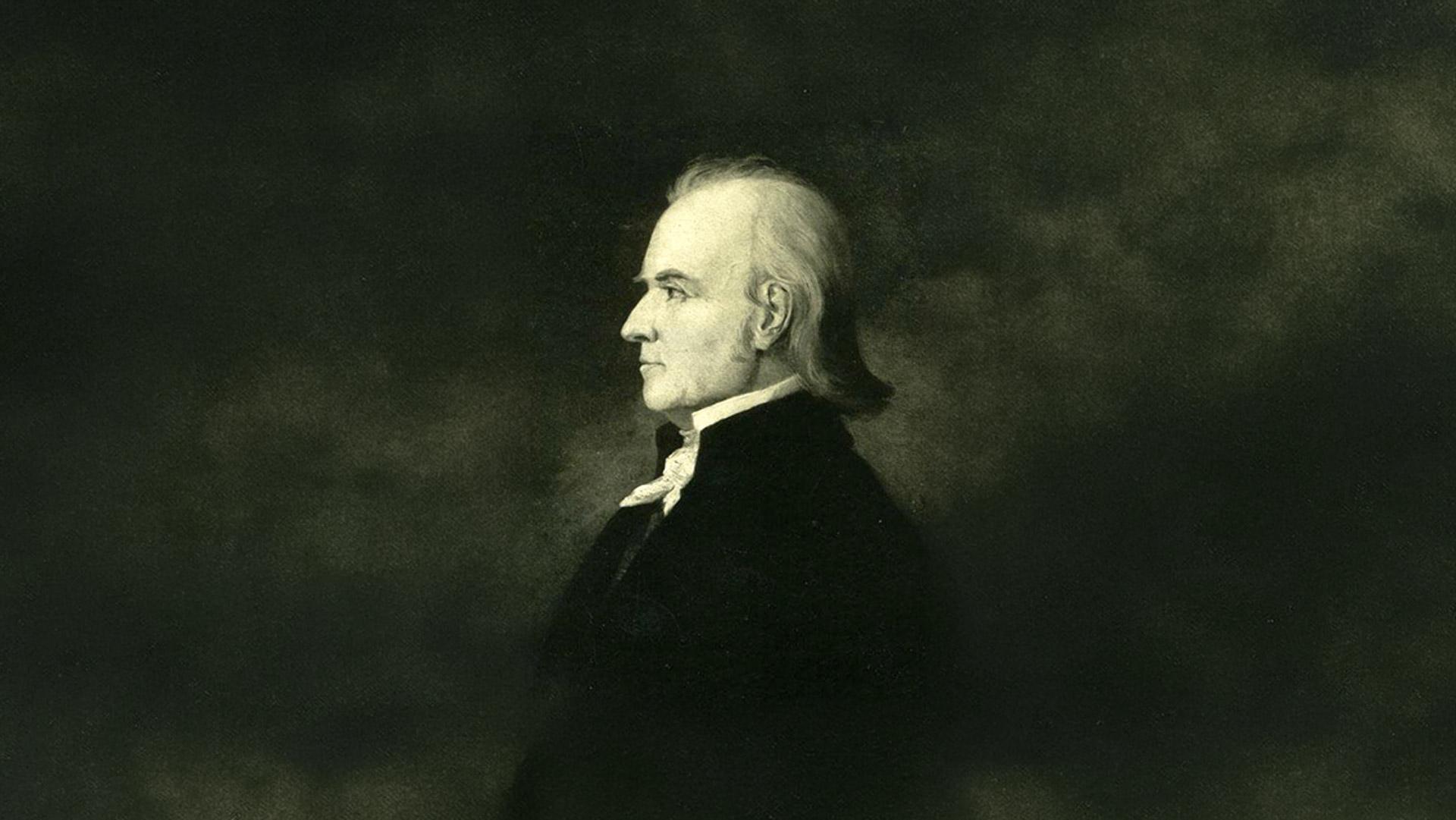
Frontier surveyor turned Patriot officer, William Lenoir carried the Revolution into North Carolina’s backcountry—fighting at Kings Mountain, surviving the chaos of Pyle’s Massacre, and emerging from war as one of Wilkes County’s most enduring civic leaders.

Born in Brunswick County, Virginia, William Lenoir moved with his family to North Carolina as a child and assumed heavy responsibilities after his father’s death in 1765. Largely self-educated in mathematics, he briefly worked as a schoolteacher before turning to surveying to support his growing family. By 1775, he had settled on the western frontier in what became Wilkes County, positioning himself at the edge of a region soon swept into revolution.
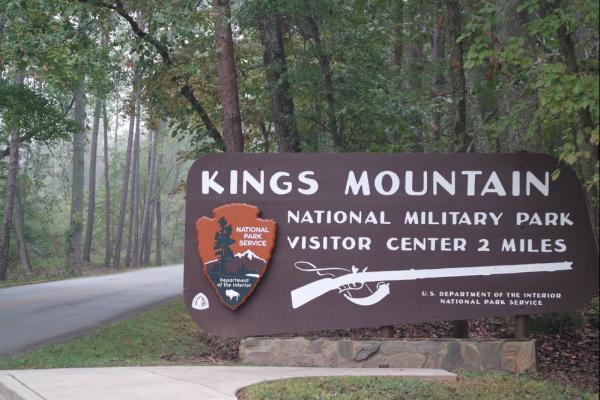
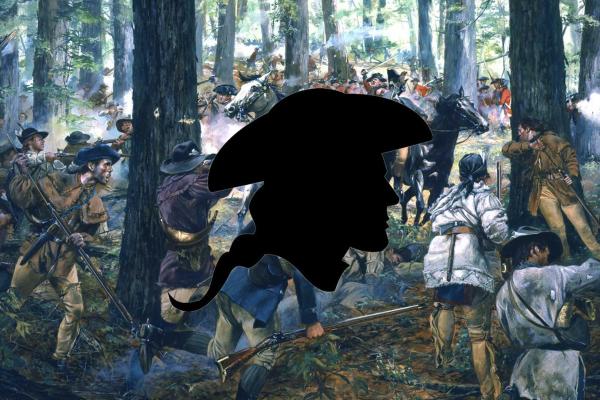
When the Revolutionary War erupted, Lenoir quickly joined the Patriot cause. In 1776, he commanded a ranger company patrolling the Blue Ridge frontier, protecting advancing white settlements and maintaining order in a volatile backcountry. He participated in Rutherford’s Campaign that same year and later fought at the Battle of Kings Mountain in 1780, where he was wounded twice. In 1781, during the engagement known as Pyle's Defeat near the Haw River, his horse was shot from beneath him and his sword broken in combat, though he survived uninjured as Patriot forces defeated the Loyalists. Throughout the war, Lenoir distinguished himself not only in battle but also in assembling arms, gathering supplies, and recruiting men for the Patriot effort.
His Revolutionary service secured his standing in the community and laid the foundation for a lifetime of public leadership. Appointed a Wilkes County justice of the peace in 1776 and later elected to the state legislature, Lenoir carried his wartime reputation into civic life, shaping both the political and military affairs of North Carolina in the decades that followed.