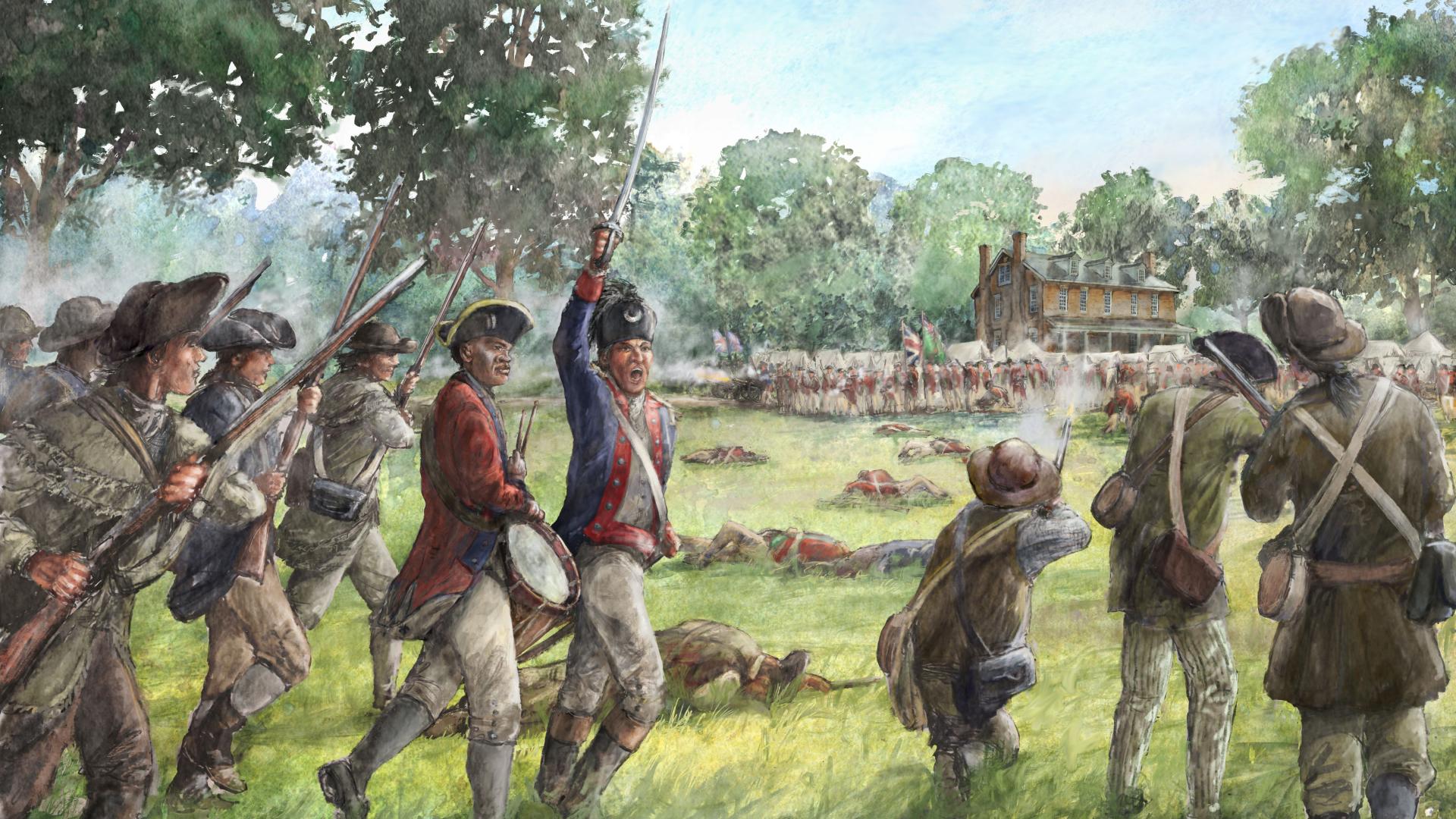
Jim Capers Eutaw Springs
History Along The Trail

The Liberty Trail Story Tellers

The American Revolution was decisively influenced by The Liberty Trail’s diverse terrain, spanning swamps, fields, woods, and mountains. Delve into the narrative of American Independence with contemporary interpreters, authentic artifacts, and captivating videos showcased on The Liberty Trail.

Filter By:
States of Interest:
The Blog |
Reposted from battlefields.org by Mark Maloy Charleston is well known for the numerous plantations that dot the areas of the Lowcountry around it. One of the most famous and most visited is Boone Hall...
The Blog |
Reposted from battlefields.org by Mark Maloy Share to Google Classroom Added by 3 Educators The city of Charleston sits at the end of a peninsula where the Ashley and Cooper Rivers meet and empty into...
The Blog |
Reposted from battlefields.org by Mark Maloy Share to Google Classroom Added by 0 Educators St. Michael's Church is one of the most historic churches in South Carolina. The site where St. Michael’s...
The Blog |
Reposted from battlefields.org by Mark Maloy Share to Google Classroom Added by 3 Educators Built-in 1713, the Powder Magazine is the oldest public building in the Carolinas. Over three hundred years...
The Blog |
Reposted from battlefields.org by Mark Maloy Share to Google Classroom Added by 3 Educators Built-in 1713, the Powder Magazine is the oldest public building in the Carolinas. Over three hundred years...
The Blog |
Reposted from battlefields.org Share to Google Classroom Added by 15 Educators Fact #1: Charleston was known as Charles Town during the Revolutionary War. After King Charles II chartered the Province...
Exploring History
We invite you to visit the preserved locations along the Liberty Trail and to immerse yourself in the extraordinary events that determined the fate of a nation.
State/County Park
Camden, SC

Not far from Camden Battlefield, Goodale State Park is lined with cypress trees, a spring-fed lake that offers boating, fishing, and hiking opportunities.

Battlefield | State/County Park
Trenton, NJ

Also known as the Battle of Assunpink Creek, Washington thwarted Cornwallis yet again, just south of the town of Trenton where they had fought only days prior.

Historic Site | Historic House
Lexington , MA

Waiting on British troops to arrive on the morning of April 19, militia members used this tavern to wait for their arrival before assembling on the field of battle and sparking the American Revolution

Battlefield | State/County Park
Clinton, SC

The site of the 1780 battle of Musgrove’s Mill where a small force of Patriot militia fought and defeated a larger force of Loyalist and Provincial soldiers in a short but pivotal battle.

Historic Site | Historic House
Clemson, SC

Built in 1716 for Paul de St. Julien in Berkeley County. The house was later dismantled and moved to Clemson University and functions as a house museum.

Battlefield
Camden, SC

An ingenious Patriot deception provokes a prominent Loyalist to surrender his outpost

Historic Site |
Moncks Corner, SC

The Berkeley County Museum is located in historic Moncks Corner, South Carolina and contains Revolutionary stories and artifacts from around the county.

Historic Site | Historic House
Arlington, MA

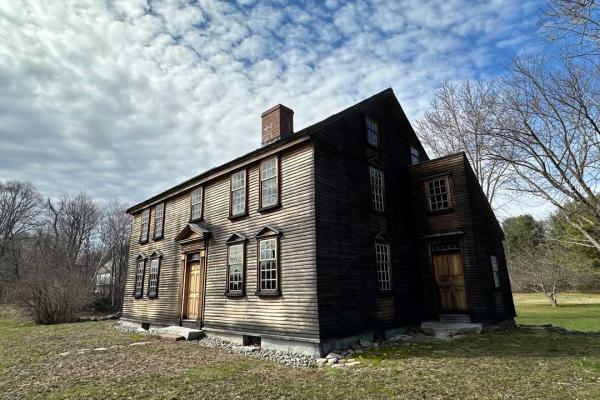
One of the bloodiest sites during the Battle of Lexington and Concord, this house saw extensive combat and still bears the scars left behind by the engagement.

Battlefield | National Park
Ninety Six, SC

The site of the 1775 Battle of Williamson's Fort and a critical outpost for the British after they captured Charleston in 1780, the colonial town of Ninety Six was also the setting of a 28-day siege in 1781. Here, Nathanael Greene’s Patriots attacked the heart of Loyalist commander John Cruger’s defenses — the Star Fort.

Battlefield | Historic Site
Moncks Corner, SC

Former Plantation of Henry Laurens: Merchant, Slave Trader, South Carolina Statesman, and Father of Revolutionary War Soldier John Laurens.

Historic Site | National Park
Mount Pleasant, SC

This park preserves the story of Charles Pinckney and his contributions to the U.S. Constitution, and of 18th century plantation life for free and enslaved people of Snee Farm inhabitants.

Historic Site |
Suffolk, VA

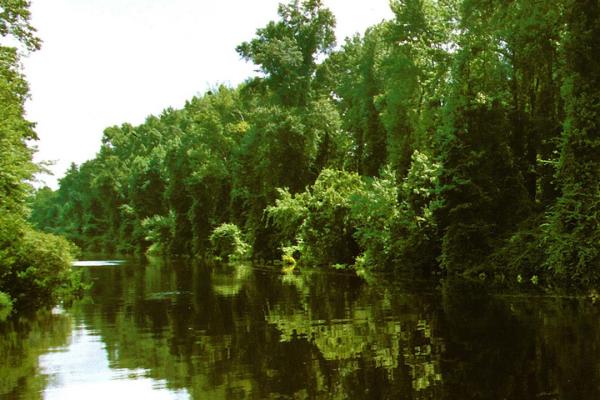
Located just south of the Chesapeake Bay, this "uninhabitable" Great Dismal Swamp was home to thousands of Native Americans and Maroons--self-emancipated slaves--throughout the 18th and 19th centuries.