Jim Capers Eutaw Springs
History Along The Trail

The Liberty Trail Story Tellers

The American Revolution was decisively influenced by The Liberty Trail’s diverse terrain, spanning swamps, fields, woods, and mountains. Delve into the narrative of American Independence with blog posts surrounding The Liberty Trail.

States of Interest:
The Blog |

Of all the colonies that suffered during the War for Independence, few endured the brunt of the constant bloodshed in its final years as South Carolina. Contrary to popular convention, much of the...

The Blog |

With a common enemy, backwoods hunters and fighters united to chase down Redcoat Major Patrick Ferguson and his Loyalist army. Trekking more than 300 miles over mountains and rugged terrain, this...

The Blog |

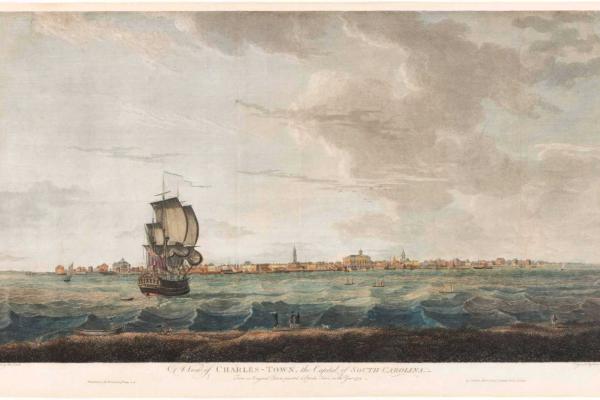
The first President of the United States, George Washington, made his first and only visit to Charleston in May 1791. Although he spent little more than a week in the city, it was a well-remembered...

The Blog |

With more than 200 Revolutionary War battles and skirmishes having taken place in South Carolina, it would be difficult to visit every historical marker and battlefield in the state. For most visitors...

The Blog |

By the time of the Revolutionary War, Francis Marion, best known to history as the Swamp Fox, was acquainted with both conventional and irregular warfare. By then a trained Continental officer who had...

Exploring History
We invite you to visit the preserved locations along the Liberty Trail and to immerse yourself in the extraordinary events that determined the fate of a nation.
Battlefield | Historic Site
Moncks Corner, SC

Fort Fair Lawn was a British outpost in 1780–1781 and was the target of a daring Patriot raid on November 17, 1781, and abandoned by the British a week later.

Historic Site |
Hopkinton, NH
President James Monroe invited the Marquis de Lafayette to visit the United States, his adopted country. Lafayette’s tour of all 24 states in 1824 and 1825 drew large crowds and sparked a renewal of...
National Park | Historic House
Morristown, NJ

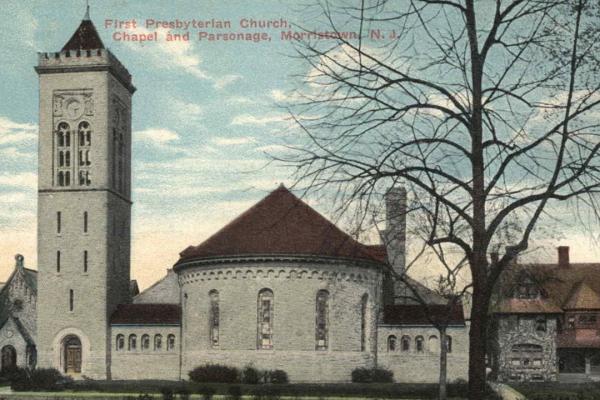
The mansion once housed George Washington, who utilized it as his headquarters in the freezing winter of 1779.

Historic Site |
Arlington, MA
President James Monroe invited the Marquis de Lafayette to visit the United States, his adopted country. Lafayette’s tour of all 24 states in 1824 and 1825 drew large crowds and sparked a renewal of...
Battlefield | National Park
Sullivan's Island, SC

The Battle of Sullivan’s Island, fought near the site of today’s Fort Moultrie in June 1776, was the first significant Patriot victory of the Revolutionary War.

Historic Site |
Portsmouth, NH
President James Monroe invited the Marquis de Lafayette to visit the United States, his adopted country. Lafayette’s tour of all 24 states in 1824 and 1825 drew large crowds and sparked a renewal of...
Battlefield
Eutawville, SC

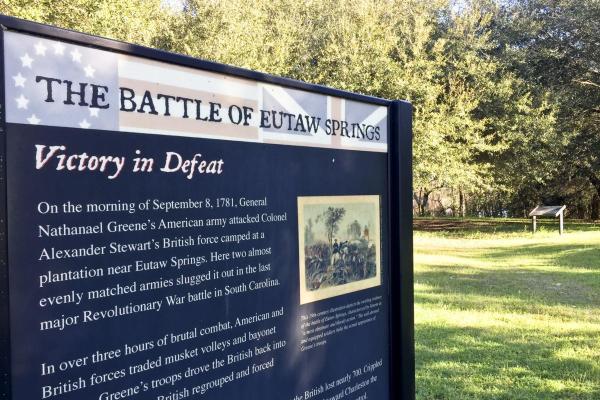
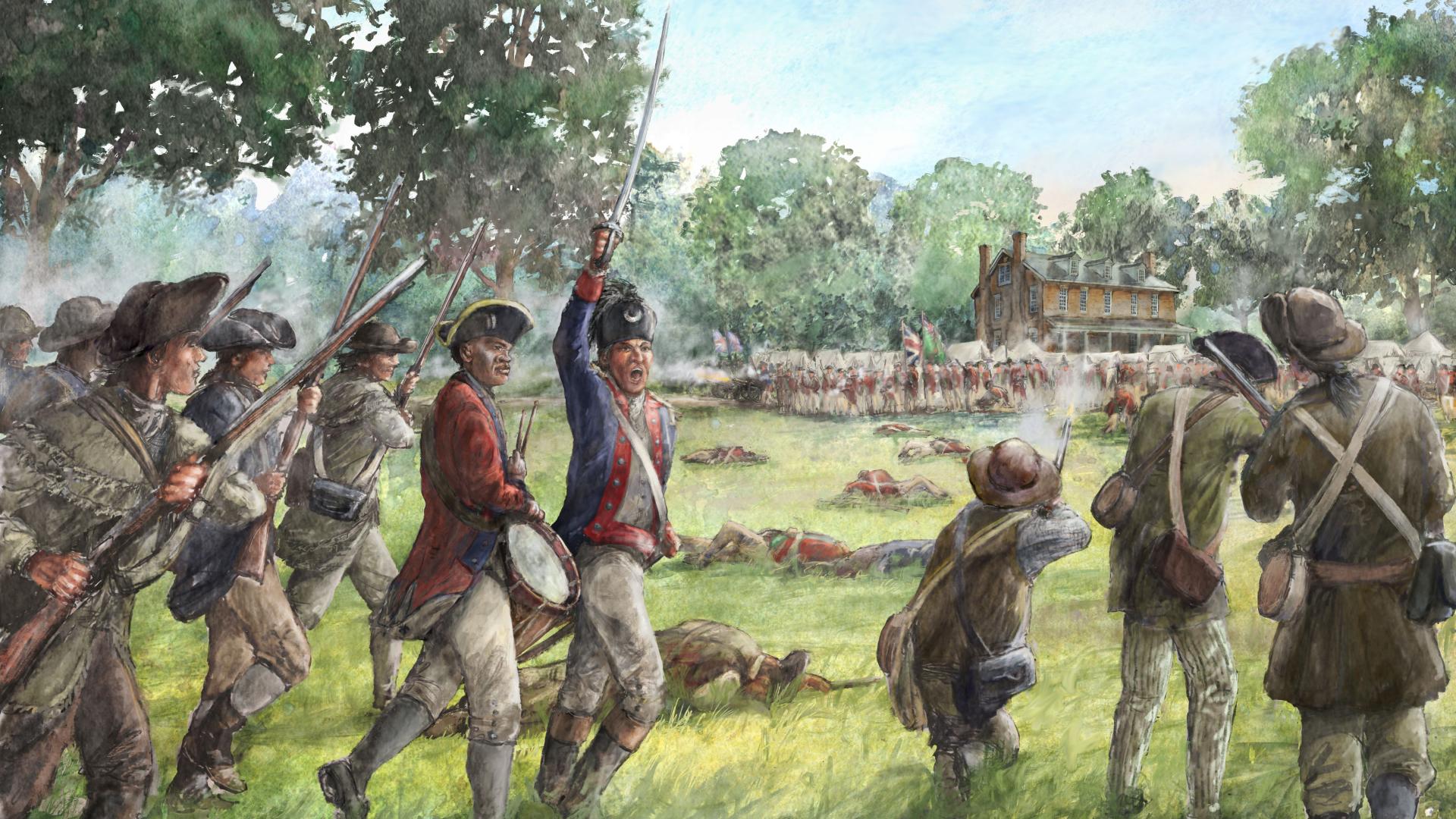
This last major battle of the war in the South succeeded in driving the British out of rural South Carolina.

Historic Site | Historic House
Charlottesville, VA

Monticello, “Little Mountain,” was the home from 1770 until his death in 1826, of Thomas Jefferson, author of the Declaration of Independence and third president of the United States. Jefferson was one of America’s first and finest architects and he created, rebuilt, and revised the house throughout his long life.

Historic Site | Historic House
Lexington, MA

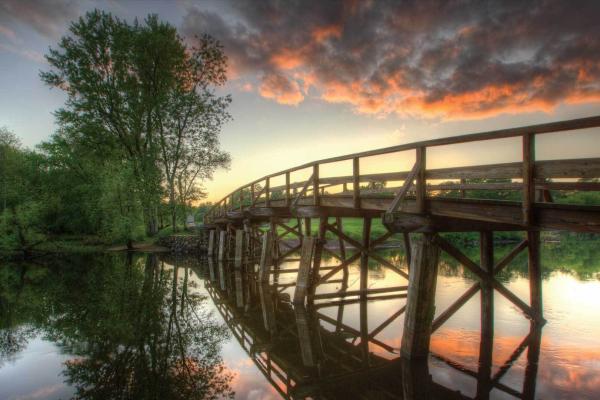
The sound of liberty rang from this bell in the early morning of April 19, 1775, to call forth the Lexington militia. Today, a reconstructed belfry stands as a reminder of the militia's bravery and determination at the Battle of Lexington and Concord.

Battlefield
Alpine, NJ

Along the banks of the Hudson, one can walk in the steps of Cornwallis' army, which landed at this spot to chase the Continental Army through New Jersey.

Battlefield
Pinewood, SC

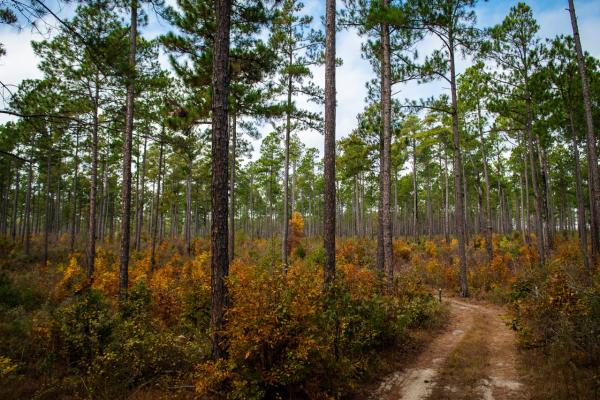
McLeroth and his 64th Regiment were escorting 200 recruits from Charleston to Camden when Marion, with about 700 men, surprised them at Halfway Swamp.

Historic Site | Historic House
Boston, MA

One of the oldest residential buildings in Boston, this structure was once the home of one-and-only Paul Revere, an avid member of the Sons of Liberty.