Jim Capers Eutaw Springs
History Along The Trail

Videos Along The Liberty Trail

The American Revolution was decisively influenced by The Liberty Trail’s diverse terrain, spanning swamps, fields, woods, and mountains. Delve into the narrative of American Independence with captivating videos showcased on The Liberty Trail.

States of Interest:
Video/Audio
Reposted from battlefields.org Share to Google Classroom Added by 37 Educators Nearly 242 years ago British Major Patrick Ferguson deployed his command on a series of hills two miles inside the South...
Video/Audio
This is a story of detective work which led to the the long-lost portraits of Revolutionary War Patriot Richard Lushington and his wife Charity. Those miniature portraits have now come home to...
Video/Audio
Join Darley while she visits historic locations in South Carolina on the second part of her South Carolina Revolutionary Road Trip, starting from the coastal city of Charleston, the oldest and largest...
Video/Audio
Reposted from battlefields.org Share to Google Classroom Added by 29 Educators The fierce firefight at Kings Mountain pitted Loyalist militia elements under the command of British major Patrick...
Exploring History
We invite you to visit the preserved locations along the Liberty Trail and to immerse yourself in the extraordinary events that determined the fate of a nation.
Battlefield | Historic Site
Moncks Corner, SC

Former Plantation of Henry Laurens: Merchant, Slave Trader, South Carolina Statesman, and Father of Revolutionary War Soldier John Laurens.

Battlefield
Clarendon County, SC

Patriot Francis Marion earns his famous nickname — "The Swamp Fox”— after a futile chase by British Commander Banastre Tarleton

Historic Site | Historic House
Bedminister, NJ

The only surviving building associated with the Pluckemin Artillery Cantonment, America's first military academy, it served as the headquarters of Henry Knox during the Middlebrook encampment of 1778-1779.

Battlefield
Lancaster, SC

On May 29, 1780, British commander Banastre Tarleton engaged and overwhelmed a Patriot force under the command of Abraham Buford in a dreadful defeat for the Patriots.

State/County Park | Historic House
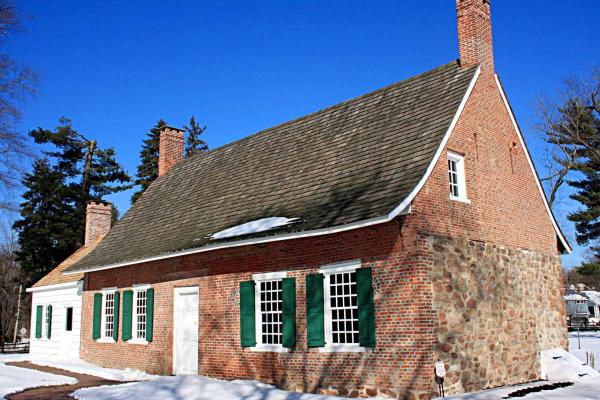
Wayne, NJ

The Dey Mansion, built around 1770, served as General George Washington’s headquarters in 1780 during a pivotal time in the American Revolution. As one of his surviving field headquarters, it offers a lasting connection to the strategic decisions, military challenges, and historic events that shaped the fight for independence.

Battlefield
Boston, MA

Ensuing the Battle of Lexington and Concord, Patriot forces advanced on Boston, determined to overthrow the British occupation. Fortifying Dorchester Heights, George Washington positioned artillery to force the evacuation of British forces in the city.

Historic Site | National Park
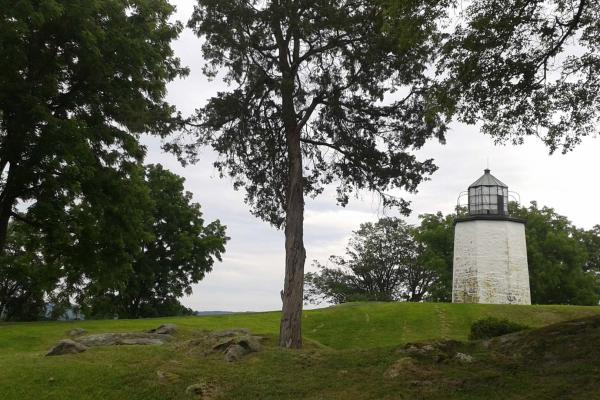
Highlands, NJ

A strategic location for the defense of New York's harbor, the Continentals failed to reinforce this peninsula, leading to the city's capture in August of 1776. A lighthouse dating to 1764 still operates there today, once serving as a Loyalist fortification.

National Park | Historic House
Morristown, NJ

The mansion once housed George Washington, who utilized it as his headquarters in the freezing winter of 1779.

Battlefield
Johnsonville, SC

Known as an extremely important ferry crossing in the Colonial Period, Marion fortified this ferry and frequently utilized it to quickly move his troops to lay ambushes

Historic Site | Historic House
Mount Vernon, VA

Mount Vernon acted as the former plantation estate of the legendary Revolutionary War general, George Washington. The current estate includes the original mansion, gardens, tombs, a working farm, a functioning distillery and gristmill, plus a museum and education center.

Historic Site |
Boston, MA

The oldest standing church in Boston, it once signaled lookouts in Charlestown, which triggered Paul Revere's famous ride to alert militia of the advancing British Regulars across the Massachusetts countryside.

National Park | Battlefield
Concord , MA

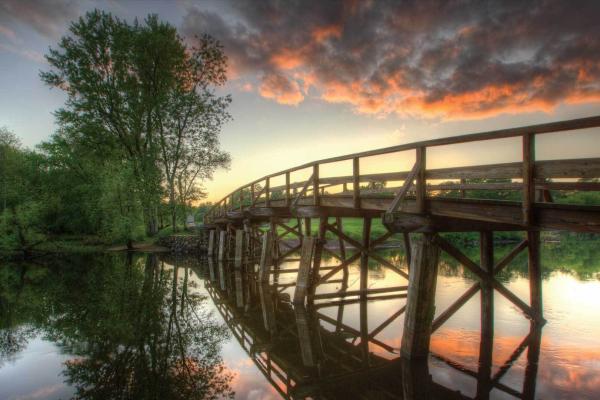
The site of the famous "Shot Heard Around the World," the Old North Bridge served as the flashpoint of the American Revolution. To this day, historians debate who fired the first shot, here, which led to the Battle of Lexington and Concord.