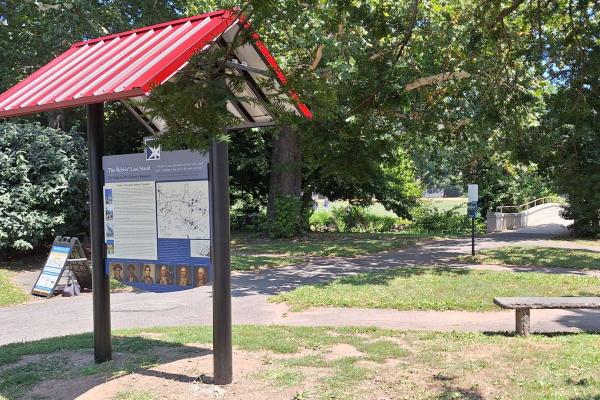
First Presbyterian Church, Burial Grounds and Elizabethtown Academy
Historical Marker Database
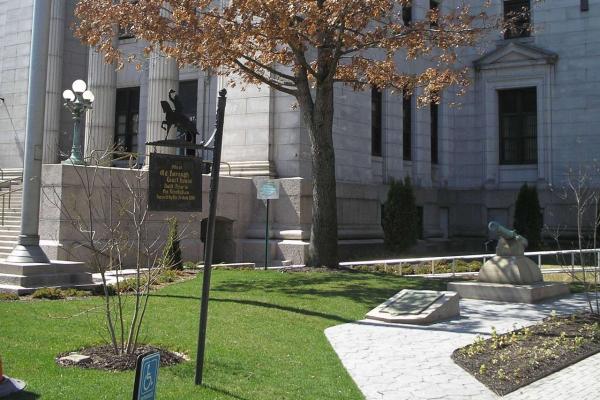
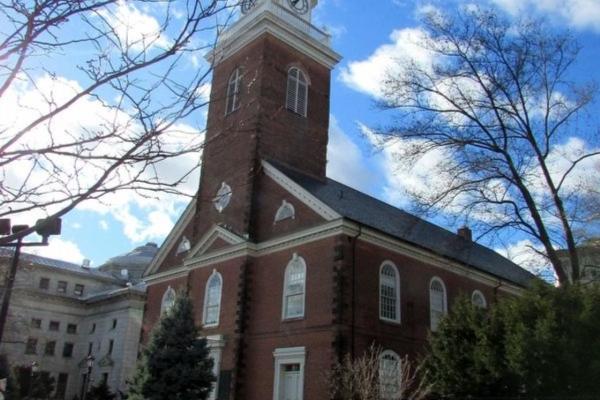
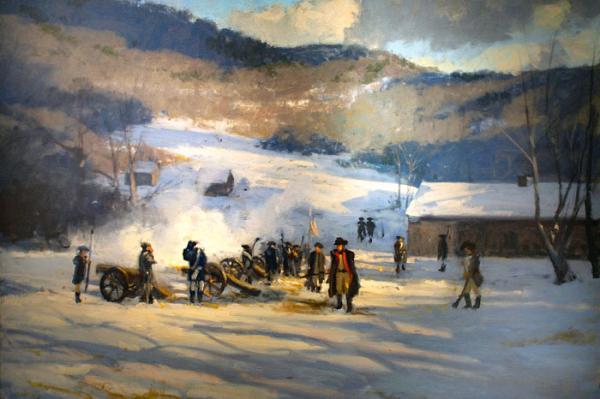
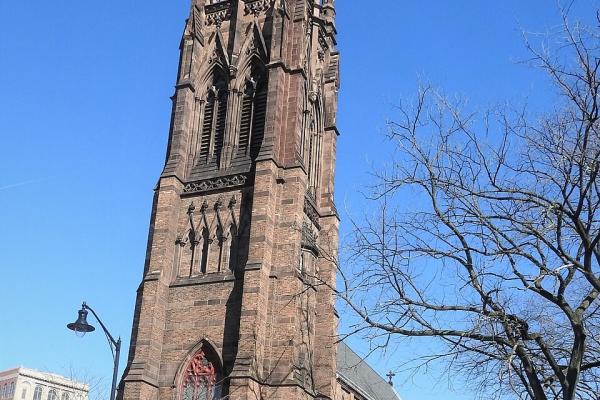
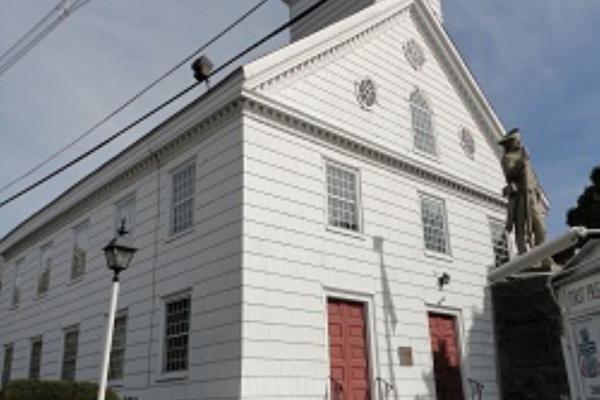
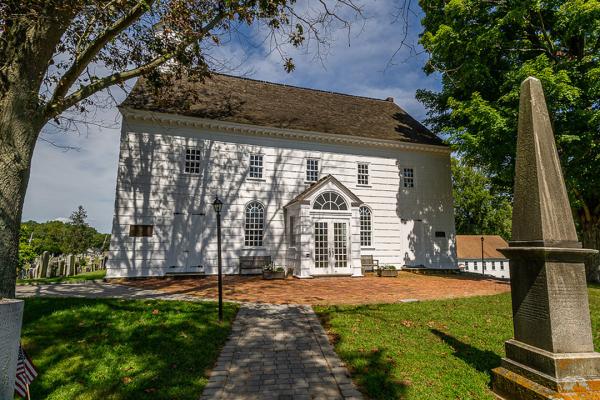
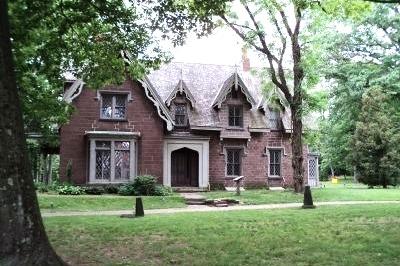
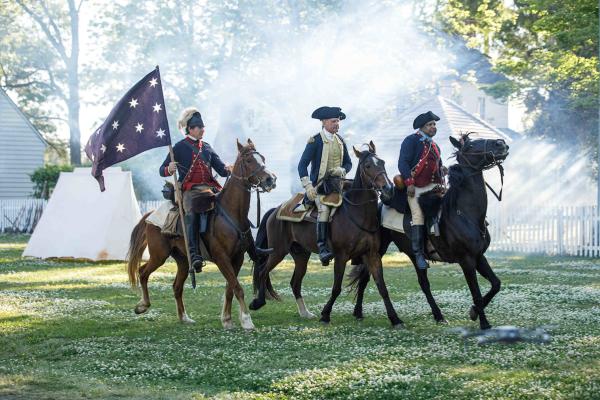
The First Presbyterian Church, established on the site of the original meetinghouse around 1664, was one of the targets of British attacks on Elizabeth in January 1780. Pastor James Caldwell, known as the “Fighting Parson,” and many congregation members supported the Patriot cause. Tragically, Caldwell's wife, Hannah Ogden Caldwell, was killed by a British/Hessian soldier during the Battle of Connecticut Farms in 1780 — an event that shocked New Jersey and helped galvanize Patriot resistance, and Caldwell was killed a year and a half later. Both are buried in the cemetery alongside many other Revolutionary War veterans.
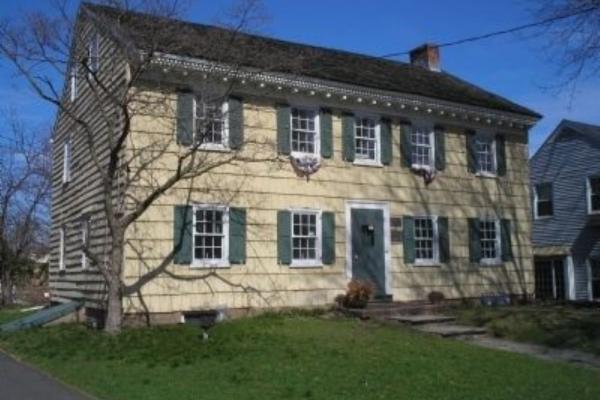
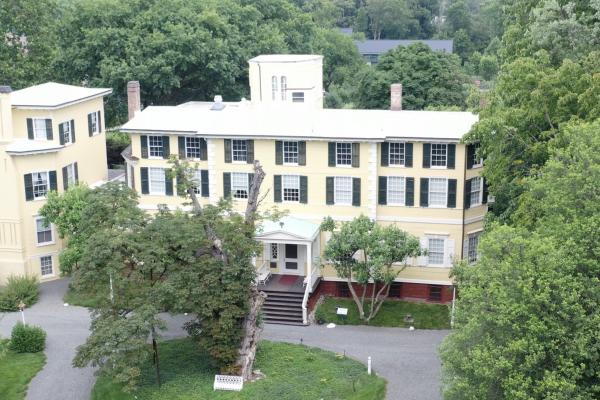
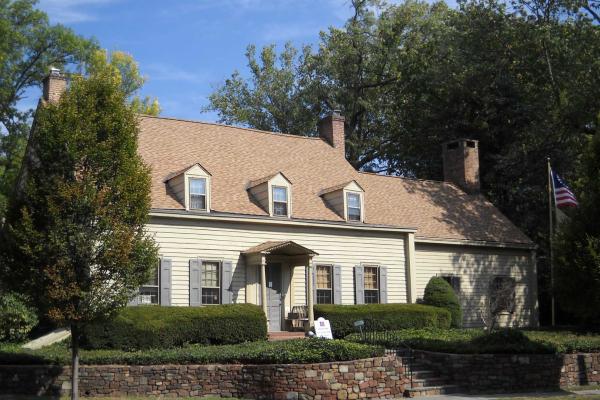
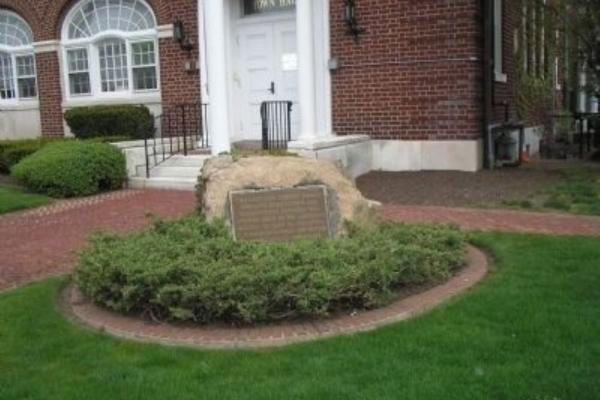
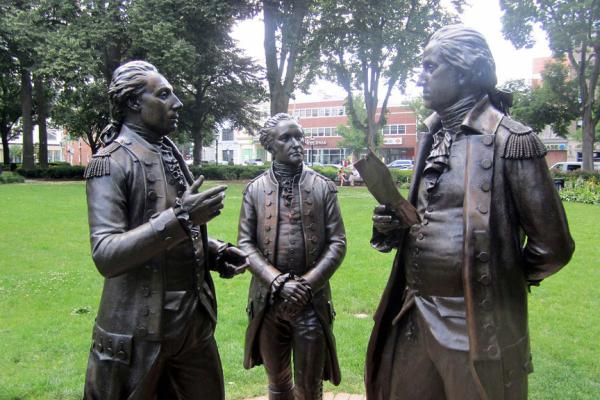
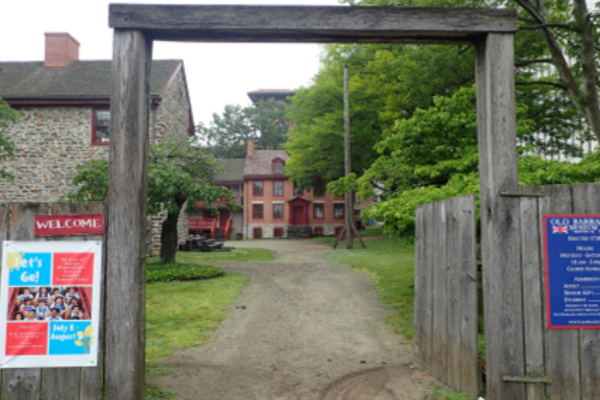
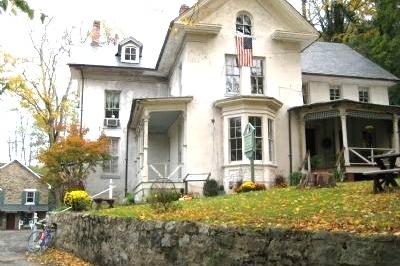
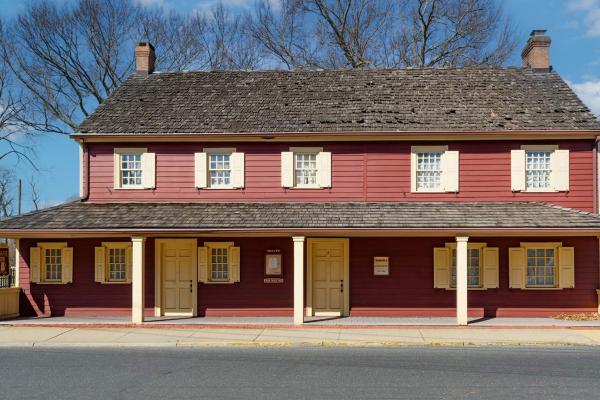
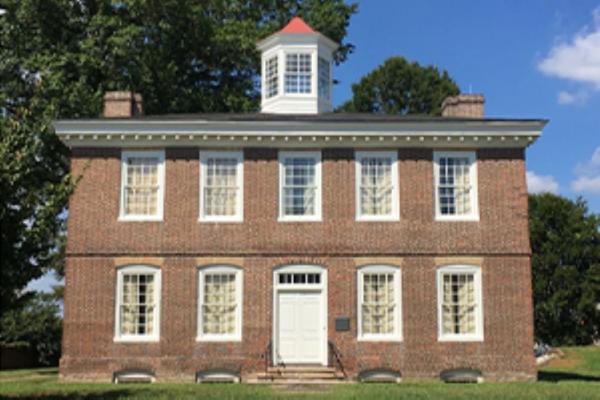
By the 1750s, the demand for and interest in secondary education led church leaders to establish a modest school called the "Academy," located about 200 yards from the church. Notable figures, including Aaron Burr, Alexander Hamilton, and Supreme Court Justice Brokholt Livingston, were among the Academy's first pupils. On January 25, 1780, the Academy was raided and burned. The building that stands on the site today, built in 1917, recently reopened as a museum, cultural center, and community hub.