-
The BlogBiographies
-
Videos
We invite you to visit the preserved locations along the Liberty Trail and to immerse
yourself in the extraordinary events that determined the fate of a nation.
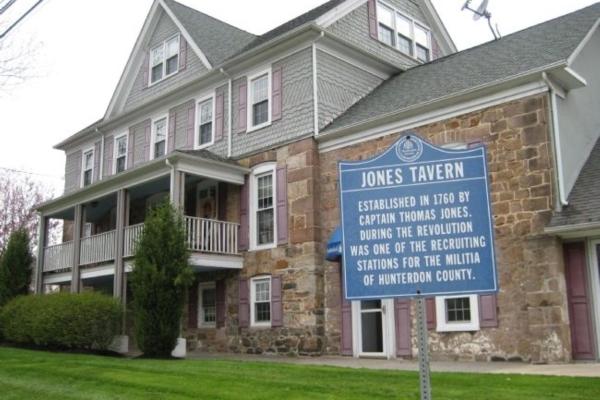
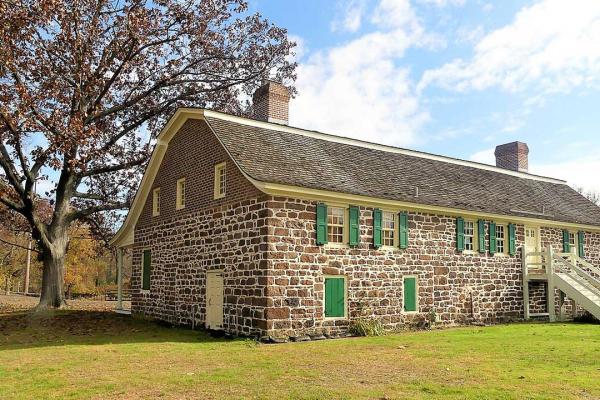
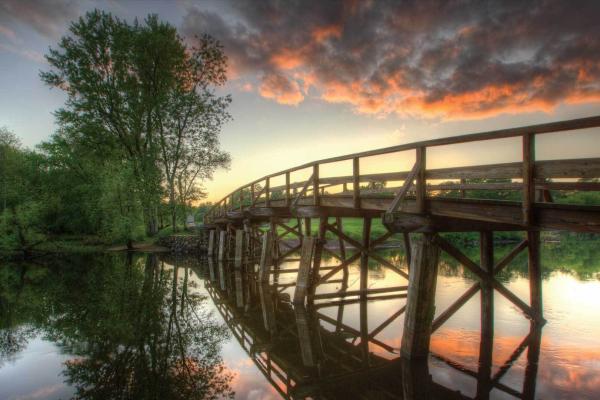
Known for having the "Bridge that Saved the Nation," these grounds were once traversed by George Washington and the battered Continental Army as it retreated from New York
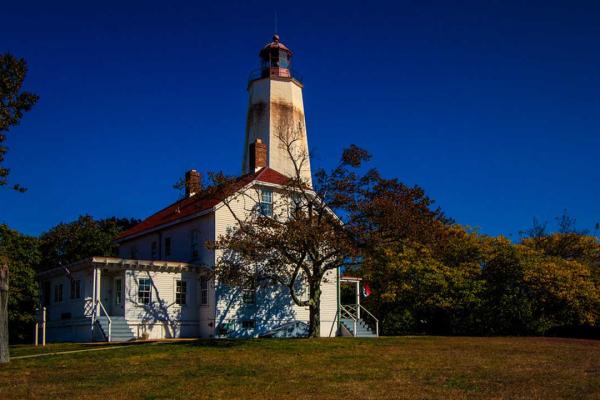
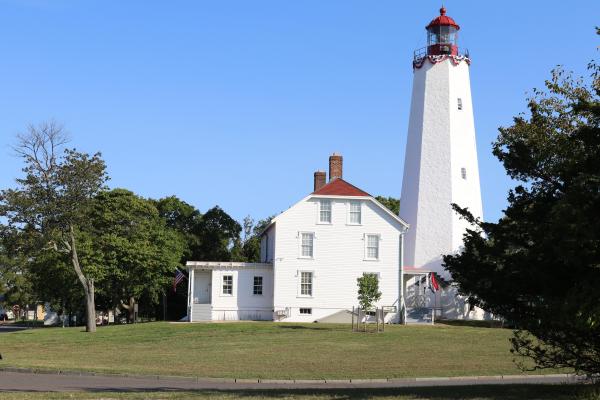
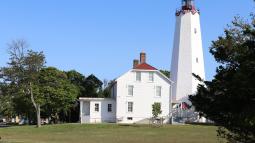
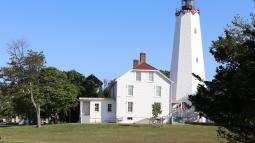
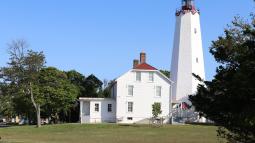
A strategic location for the defense of New York's harbor, the Continentals failed to reinforce this peninsula, leading to the city's capture in August of 1776. A lighthouse dating to 1764 still operates there today, once serving as a Loyalist fortification.
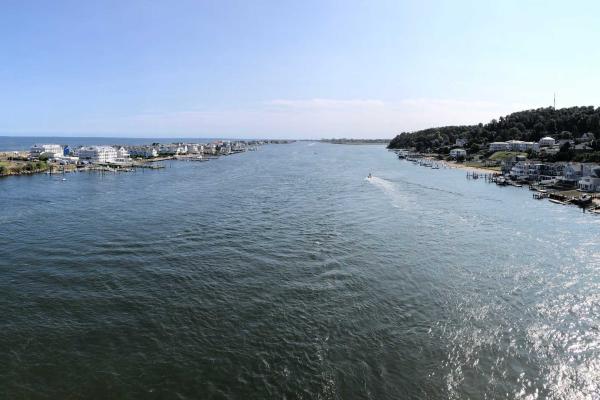
In September 1780, Loyalist Colonel Tye captured Patriot captain Joshua Huddy after a fierce struggle. A Patriot ambush capsized their boat, allowing Huddy to escape while Tye suffered a wound that would prove fatal.
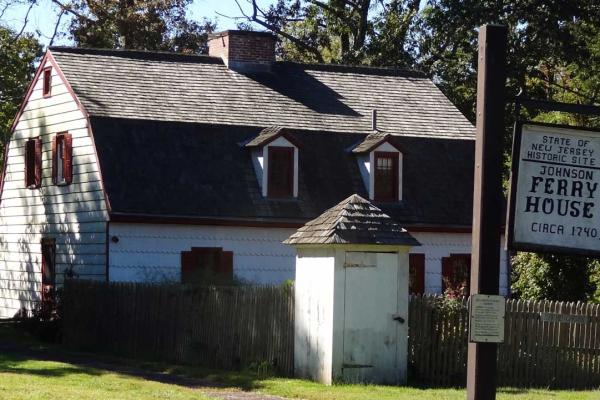
Built in the 1740s, this building acted as a ferry house for those wishing to cross the Delaware, including the likes of George Washington and his men on Christmas night of 1776.
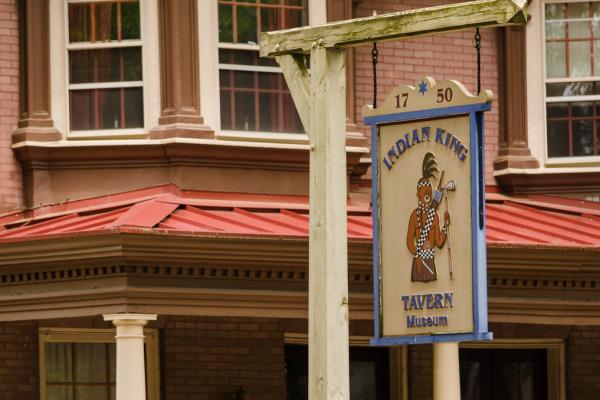
Step into the Indian King Tavern, where revolutionaries once gathered, laws were forged, and history was made. This legendary Haddonfield landmark saw New Jersey declare its independence, adopt its Great Seal, and host both Patriots and British forces in a high stakes struggle for America’s future.
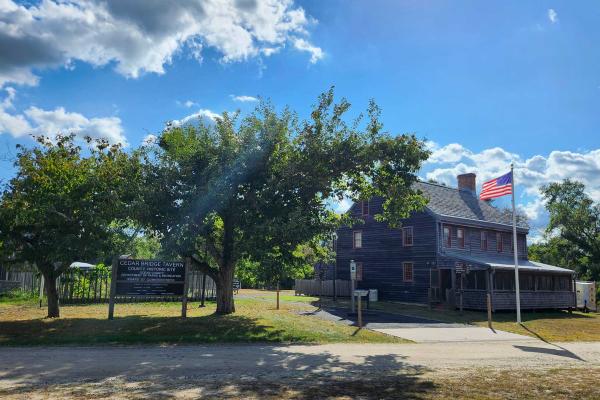
On December 27, 1782, Patriot forces under Captain Richard Shreve and Captain Edward Thomas were surprised at a tavern by Loyalist raider Captain John Bacon, igniting a sharp skirmish. Though the militia gained the advantage, aid from local Loyalists allowed the wounded Bacon to escape, leaving casualties on both sides and marking what is believed to be the last land engagement of the American Revolution.
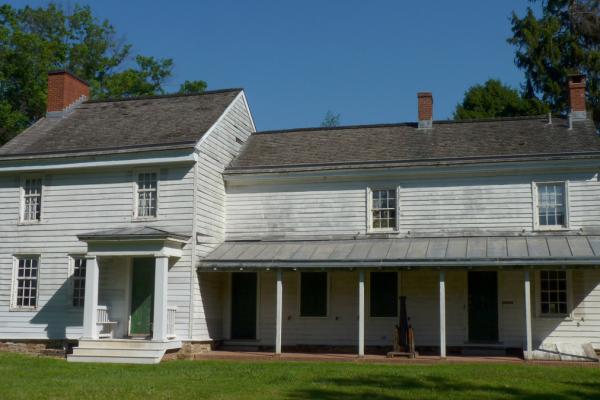
Located on the Princeton Battlefield, this home served as a field hospital in the wake of the battle. At this site, Patriot officer Hugh Mercer died while in care from fatal wounds sustained during the decisive engagement.
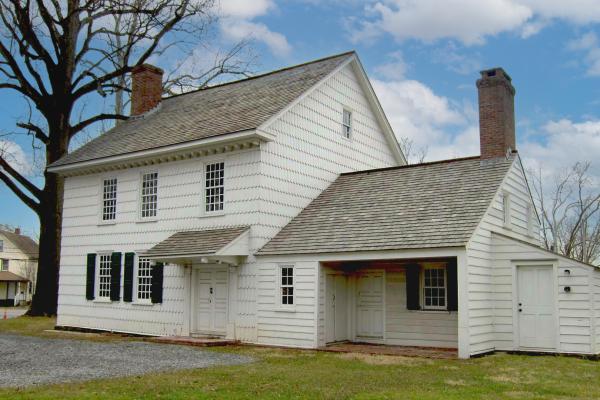
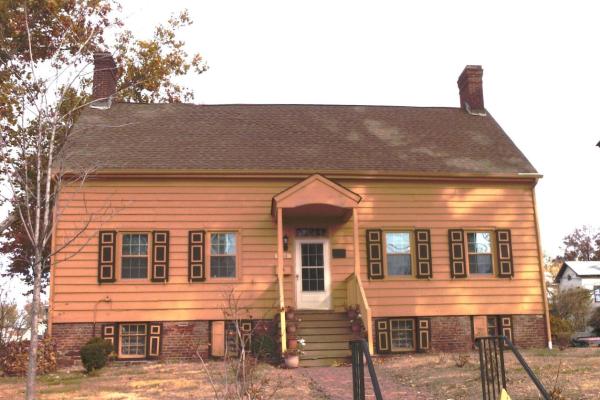
This unassuming home, owned by the Covenhoven family, was requisitioned by British General Henry Clinton in the days prior to the monumental Battle of Monmouth.