-
The BlogBiographies
-
Videos

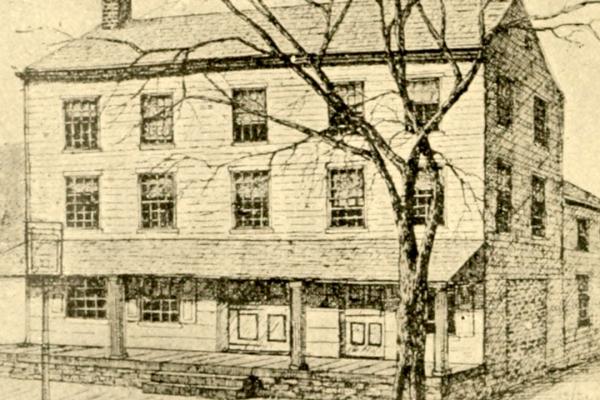
19 North Park Place
Morristown, NJ 07960
The Arnold Tavern, constructed in the mid-18th century, served as Washington's headquarters from January - May 1777
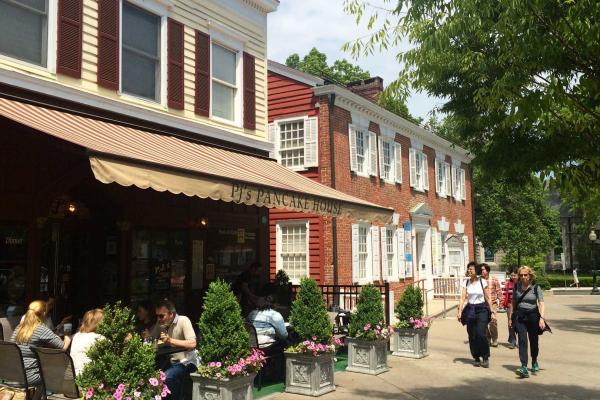
158 Nassau Street
Princeton, NJ 08544
A hidden gem in the borough of Princeton, the Bainbridge House was constructed in the mid-1760s and stands as a hallmark of colonial architecture. Today, it acts as a museum and interpretive center.
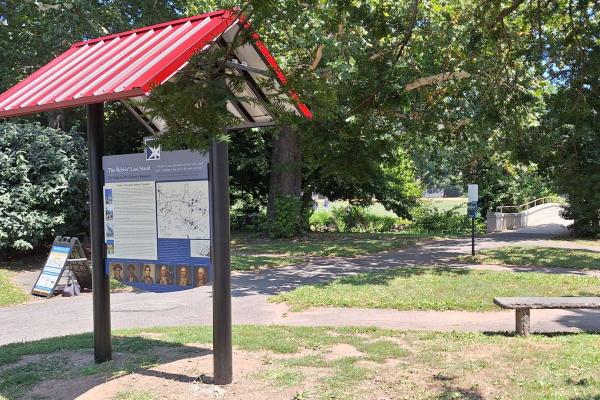
Main St and Taylor St
Millburn, NJ 07041
Site of one of the last contested battles of the Revolution's northern theater that protected Washington's encampment at Morristown.
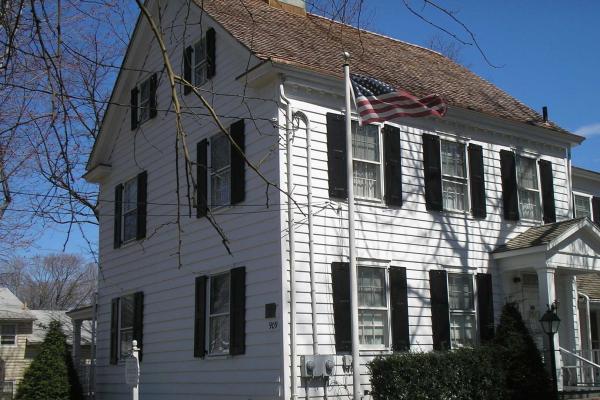
909 Caldwell Parsonage
Union, NJ 07083
The Caldwell Parsonage is a site of tragedy outside of the battlefield of Connecticut Farms & Springfield. The events that transpired that day still have lasting legacies for the township.
126 Morris Ave
Springfield, NJ 07081
This Revolutionary War landmark withstood fierce fighting during the Battle of Springfield. A British cannonball struck the home — and the scar remains visible today. Inside, the house has been restored and now serves as a museum filled with artifacts, documents, and stories that bring the 1780 battle to life.
200 Old Halfway Road
Barnegat, NJ 08005
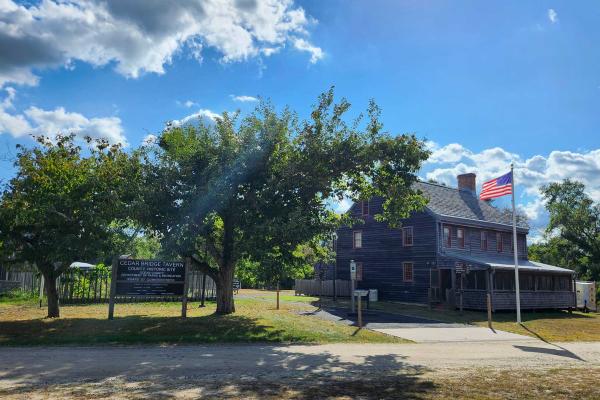
On December 27, 1782, Patriot forces under Captain Richard Shreve and Captain Edward Thomas were surprised at a tavern by Loyalist raider Captain John Bacon, igniting a sharp skirmish. Though the militia gained the advantage, aid from local Loyalists allowed the wounded Bacon to escape, leaving casualties on both sides and marking what is believed to be the last land engagement of the American Revolution.
701 Old New York Road
Port Republic, NJ 08241
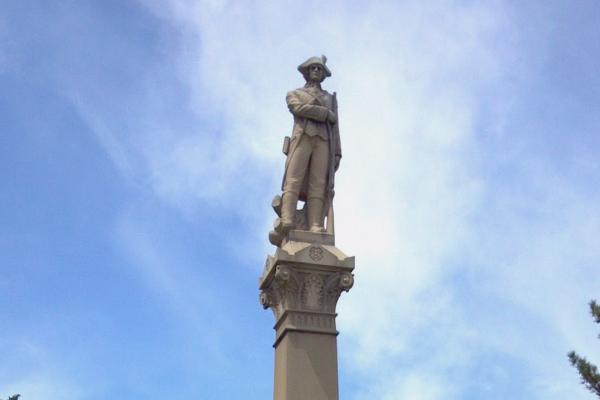
Chestnut Neck, occupied by Patriots until October of 1778, was a privateer outpost utilized as a staging point for planning and executing the capture of several British naval vessels.
445 W Chestnut St
Union, NJ 07083
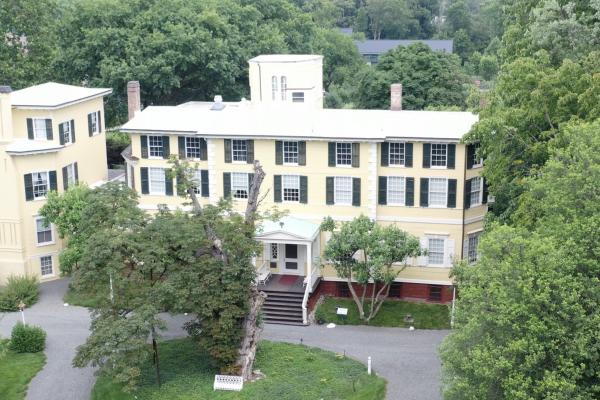
The Battles of Connecticut Farms and Springfield were small but at the same time significant. It proved that New Jersey militia would stubbornly oppose any attempt by the British to move inland. The battles also showed that militia and Continental regular troops could work well together.
1225 River Road
Piscataway, NJ 08854
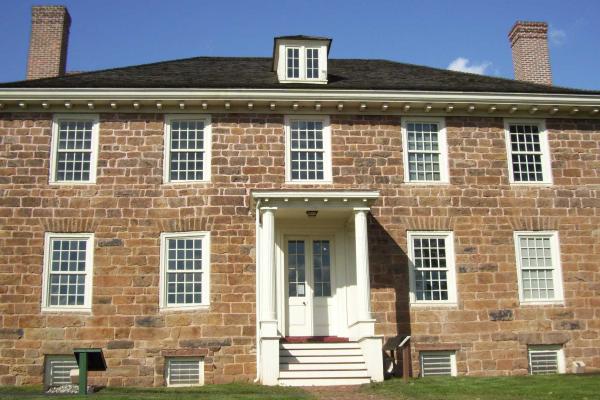
The Cornelius Low House, constructed in 1741, stands today as one of the finest examples of Georgian architecture in New Jersey.
150 West Main St.
Freehold, NJ 07728
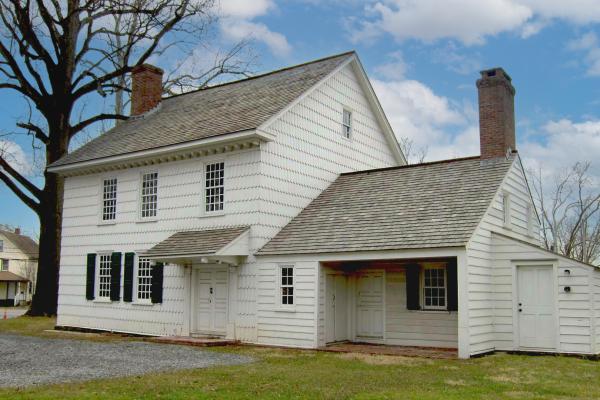
This unassuming home, owned by the Covenhoven family, was requisitioned by British General Henry Clinton in the days prior to the monumental Battle of Monmouth.
Freehold, NJ 07728
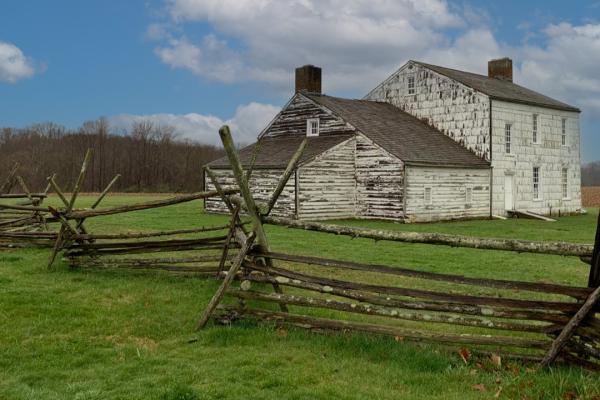
An ordinary farmhouse within Monmouth, it became a hotspot during the Battle of Monmouth as Charles Lee mounted a defense against advancing British troops.
15 Front St.
Crosswicks, NJ 08515
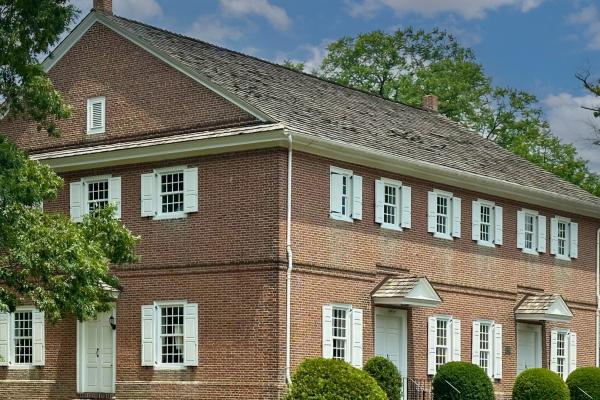
New Jersey militia and Continentals assaulted a British column in-and-around these grounds in mid-June of 1778, just days before a continued series of skirmishes reached their zenith at the Battle of Monmouth.
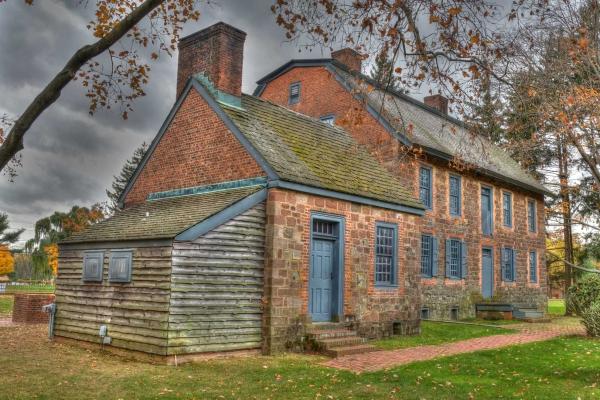
199 Totowa Road
Wayne, NJ 07470
The Dey Mansion, built around 1770, served as General George Washington’s headquarters in 1780 during a pivotal time in the American Revolution. As one of his surviving field headquarters, it offers a lasting connection to the strategic decisions, military challenges, and historic events that shaped the fight for independence.
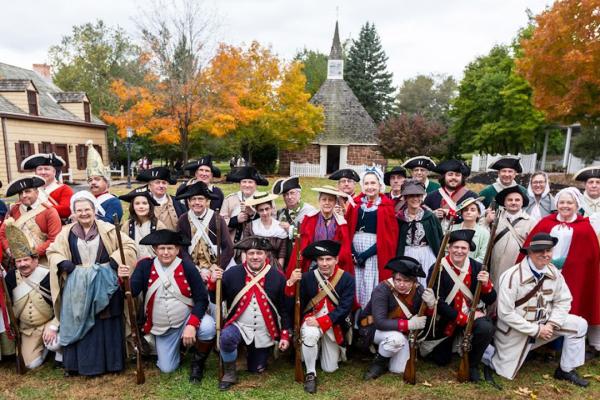
1050 River Road
Piscataway, NJ 08854
The East Jersey Old Town Village is a collection of historic structures dating the 18th century. Today, living historians walk the grounds, bringing the Revolution and the Colonial Era to life.
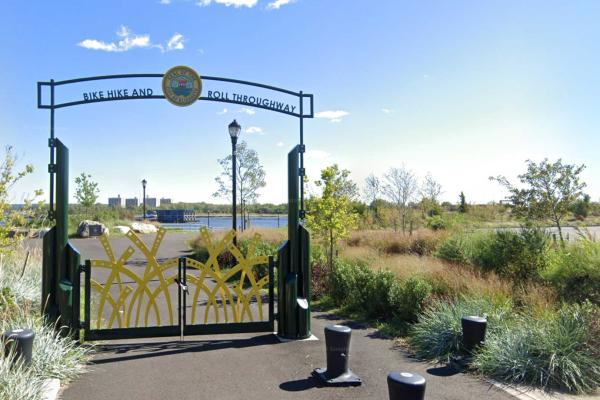
11 Front St. & Elizabeth Ave
Elizabeth, NJ 07206
Elizabeth Town Point, New Jersey served as a critical colonial port, ferry landing, and commercial hub connecting New Jersey to New York before and during the American Revolution. On January 25, 1780, British and Loyalist troops crossed here to launch a devastating raid that burned parts of Elizabeth.
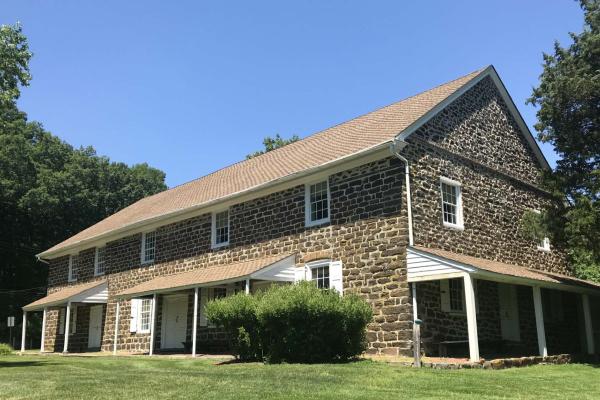
436 Mount Laurel Rd.
Mount Laurel Township, NJ 08054
A precursor movement to the Battle of Monmouth, this Quaker meeting house was surrounded by the encampment of British troops under Alexander Leslie in mid-June of 1778.
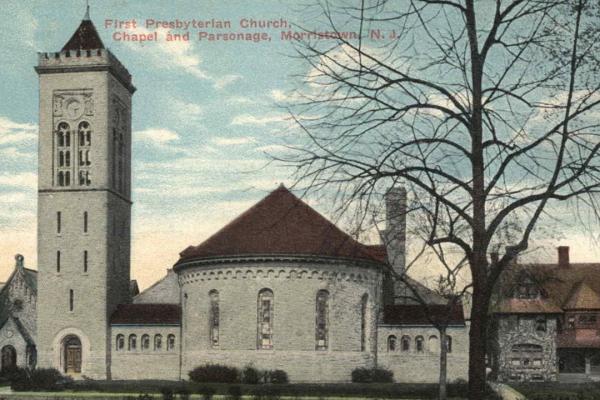
57 E Park Place
Morristown, NJ 07960
Located along the Morristown Green, the former site of the original First Presbyterian Church once acted as the infirmary for smallpox inoculated Continentals
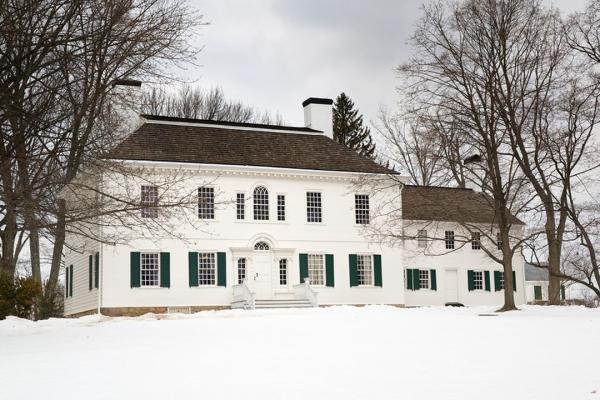
30 Washington Place
Morristown, NJ 07960
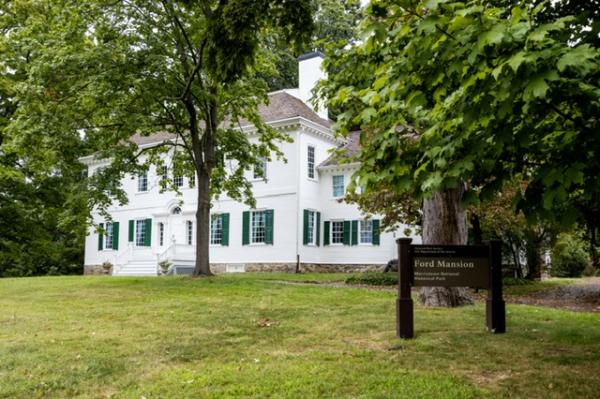
The mansion once housed George Washington, who utilized it as his headquarters in the freezing winter of 1779.
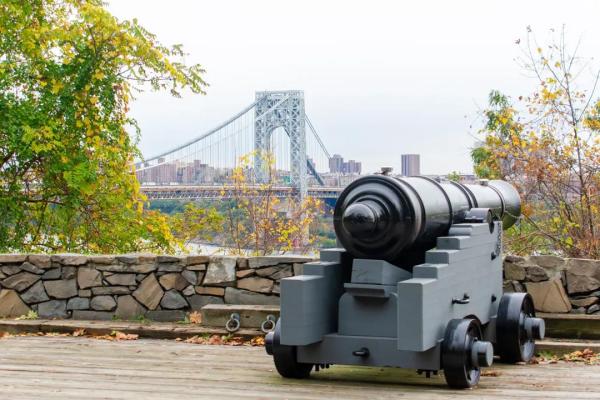
Hudson Terrace
Fort Lee, NJ 07024
Located along the banks of the Hudson, outnumbered Patriot forces quickly evacuated this site on November 20, 1776, as the British army advanced on their position.
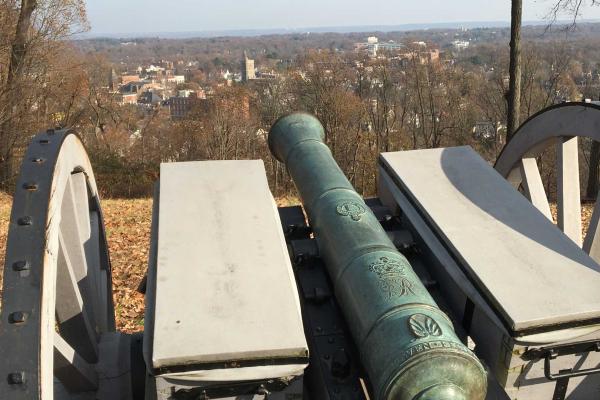
Fort Nonsense Access Road
Morristown, NJ 07960
Fort Nonsense if one of four sites that compose Morristown National Historical Park. Atop a hill, it functioned as a defensive observation post for those encamped at Morristown.
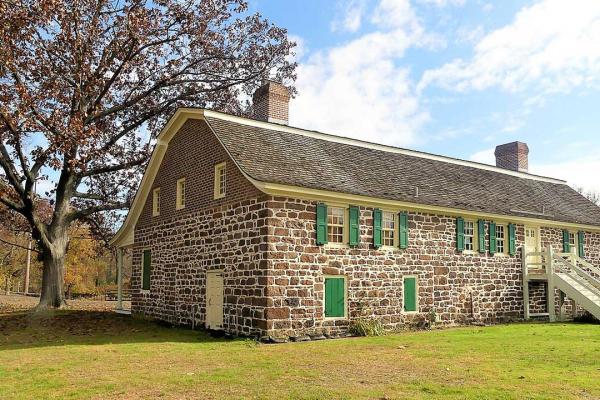
1201 Main Street
River Edge, NJ 07661
Known for having the "Bridge that Saved the Nation," these grounds were once traversed by George Washington and the battered Continental Army as it retreated from New York
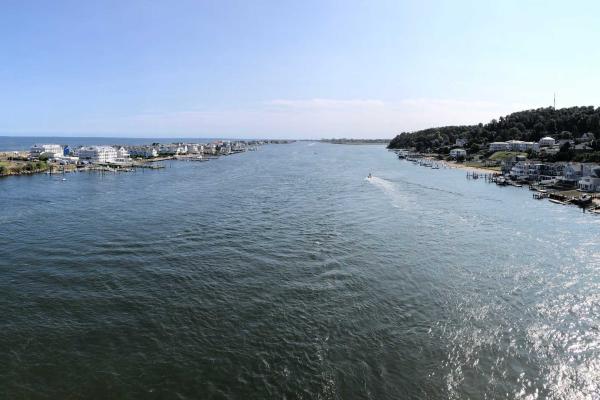
3 Rumson Rd
Rumson, NJ 07760
In September 1780, Loyalist Colonel Tye captured Patriot captain Joshua Huddy after a fierce struggle. A Patriot ambush capsized their boat, allowing Huddy to escape while Tye suffered a wound that would prove fatal.
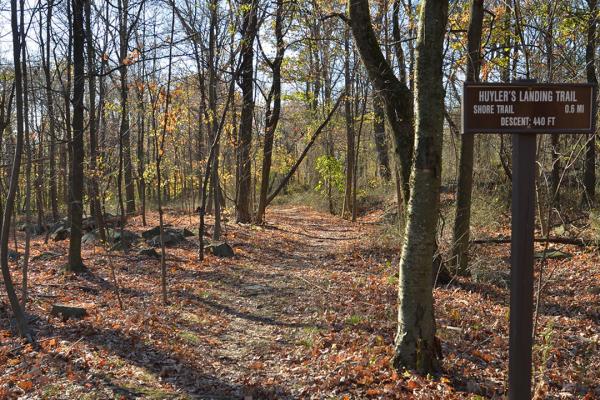
Palisades Interstate Parkway
Alpine, NJ 07620
Along the banks of the Hudson, one can walk in the steps of Cornwallis' army, which landed at this spot to chase the Continental Army through New Jersey.
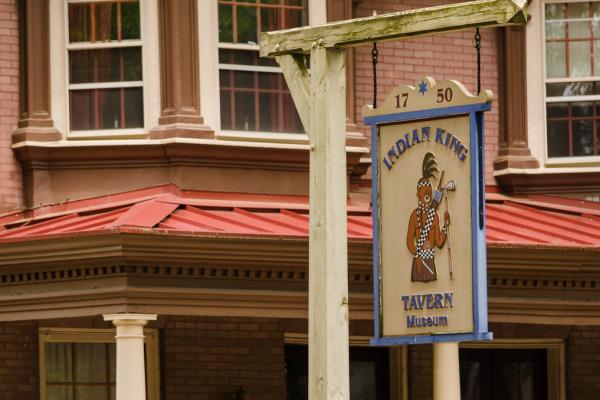
223 Kings Highway
Haddonfield, NJ 08033
Step into the Indian King Tavern, where revolutionaries once gathered, laws were forged, and history was made. This legendary Haddonfield landmark saw New Jersey declare its independence, adopt its Great Seal, and host both Patriots and British forces in a high stakes struggle for America’s future.
3055 River Road
Bedminister, NJ 07921
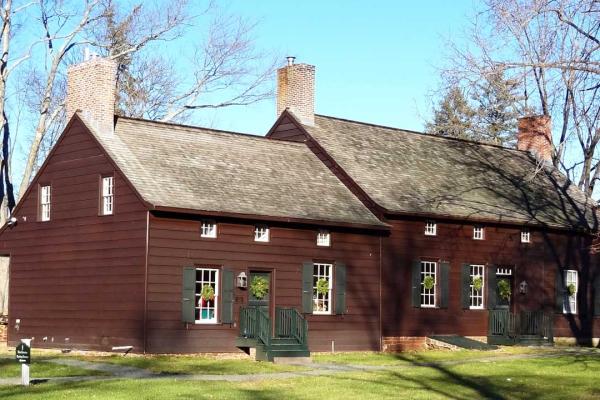
The only surviving building associated with the Pluckemin Artillery Cantonment, America's first military academy, it served as the headquarters of Henry Knox during the Middlebrook encampment of 1778-1779.

100 Hessian Avenue
National Park, NJ 08063
A home to a Quaker family, it served as a hospital following the Battle of Red Bank.
586 Tempe Wicke Road
Morristown, NJ 07960
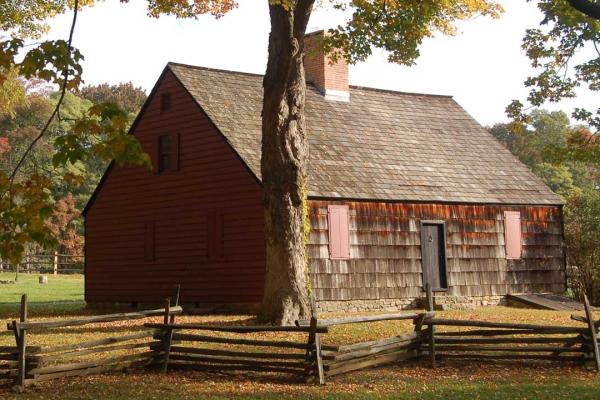
Jockey Hollow, the site of General Washington’s winter encampment in 1779-1780, played a key role in forging the Continental Army's strength and unity. The nearby Wick House, once home to Major General Arthur St. Clair, now stands as a historic landmark, offering a glimpse into the hardships and strategies of that fateful winter.
355 Washington Crossing-Pennington Road
Titusville, NJ 08560
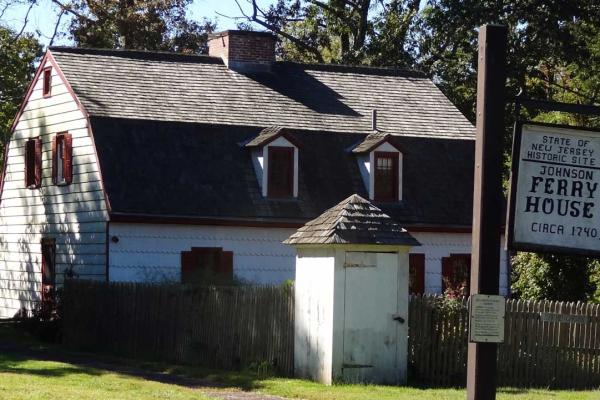
Built in the 1740s, this building acted as a ferry house for those wishing to cross the Delaware, including the likes of George Washington and his men on Christmas night of 1776.
1003 Morris Ave
Union, NJ 07083
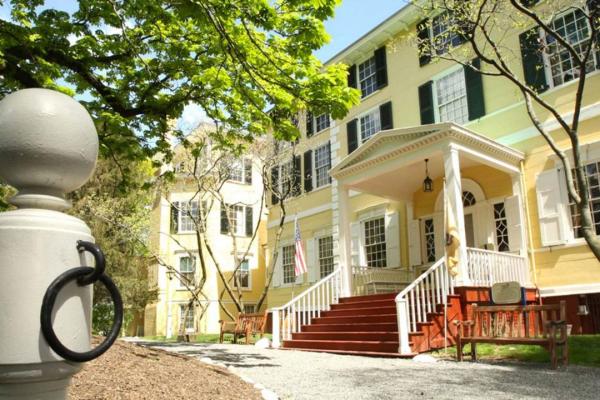
Liberty Hall was home to trailblazing governors, congressmen, senators, assembly persons, philanthropists, and entrepreneurs. Inhabited by William Livingston, New Jersey’s first elected governor and a signer of the United States Constitution, the 14-room Georgian-style home evolved over time into a 50-room Victorian mansion.
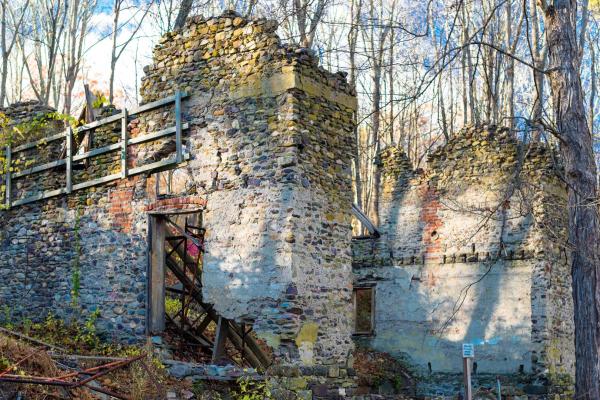
1334 Greenwood Lake Turnpike
Hewitt, NJ 07456
Owned and operated by German immigrants, this site once housed one of the largest ironworks in the colonies that supplied the Continental Army. Started in 1766, it was in operation for over a century.
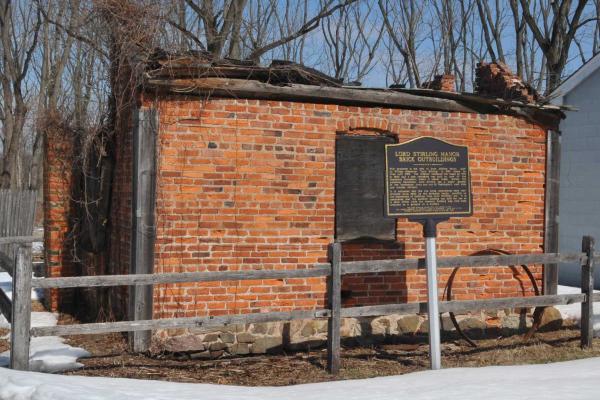
96 Lord Stirling Road
Basking Ridge, NJ 07920
Once a sprawling manor complex in the New Jersey countryside belonging to Major General William Alexander, all that remains are two extant structures and the cellar of the original home.
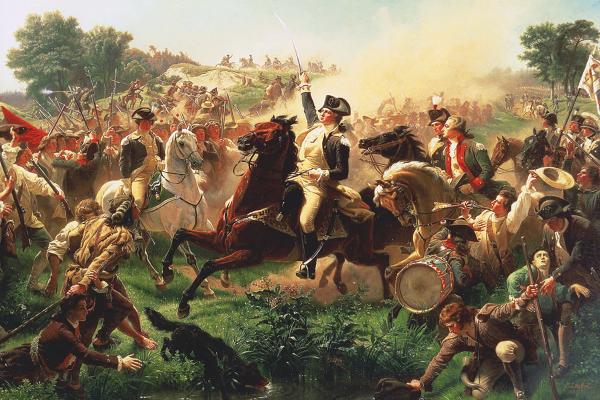
Combs Hill, Monmouth Battlefield State Park
Manalapan, NJ 07726
The Battle of Monmouth took place on June 28, 1778, between the Continental Army and British forces, and is now preserved as Monmouth Battlefield State Park.
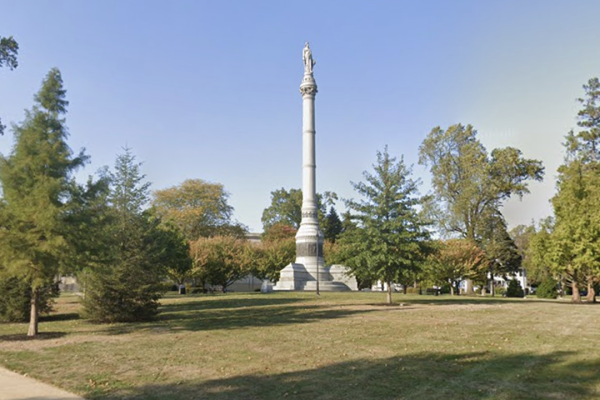
Freehold, NJ 07728
A 94-foot monument now marks the spot that where the Battle of Monmouth commenced on June 28, 1778. A series of bronze plaques line the monument that depict famous scenes from the engagement.
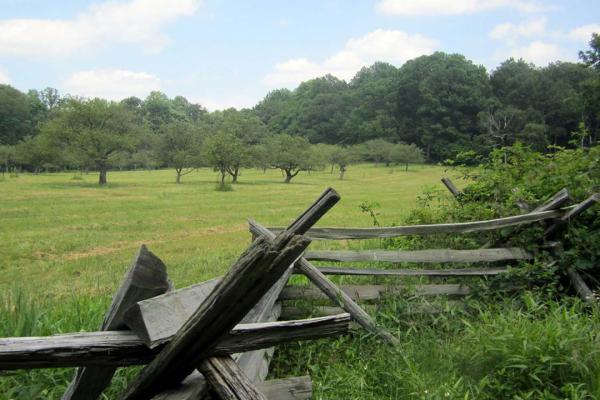
586 Tempe Wick Road
Morristown, NJ 07960
Morristown National Historical Park marks the site of the Continental Army’s 1779-80 encampment under George Washington. It symbolizes America’s fight for independence and Washington’s leadership in uniting the army, remaining a lasting symbol of resilience and patriotism.
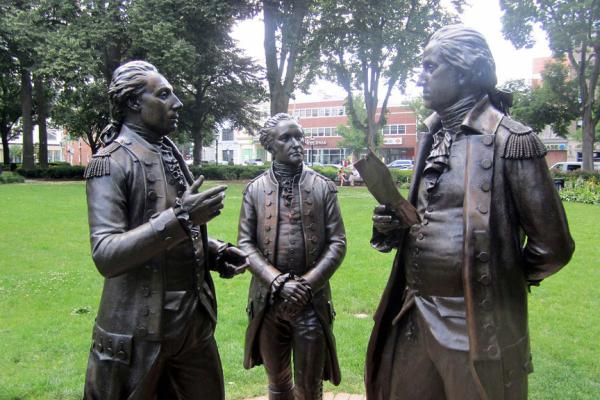
10 N Park Place
Morristown, NJ 07960
Now a quiet park in the center of urban Morristown, this green once served as the training and parade grounds of the Continental Army during its 1777 winter encampment.
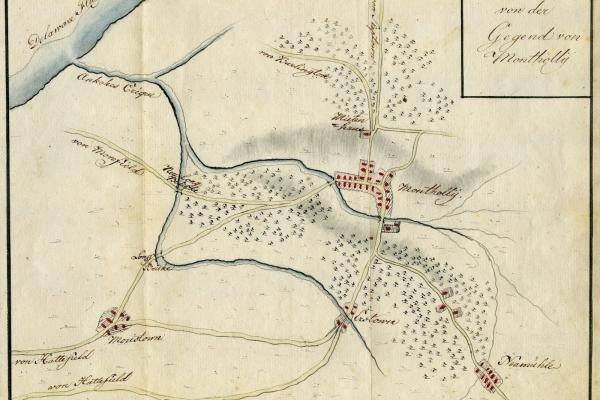
Mount Holly, NJ 08060
The Battle of Mount Holly, also known as Iron Works Hill, fought on December 23, 1776, was a minor skirmish in which Hessian Colonel Carl von Donop occupied the town, diverting his forces from Trenton and indirectly contributing to Washington’s victory there three days later.
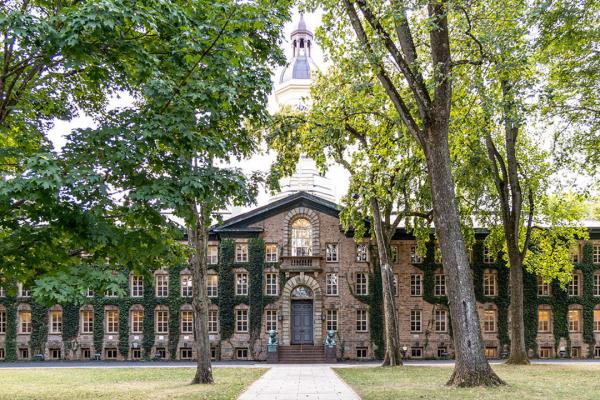
Rivers Wy
Princeton, NJ 08542
Nassau Hall, once the largest stone building in the colonies, housed the College of New Jersey, now known as Princeton. During the Battle of Princeton in 1777, British troops fortified the building as a last stand defense.
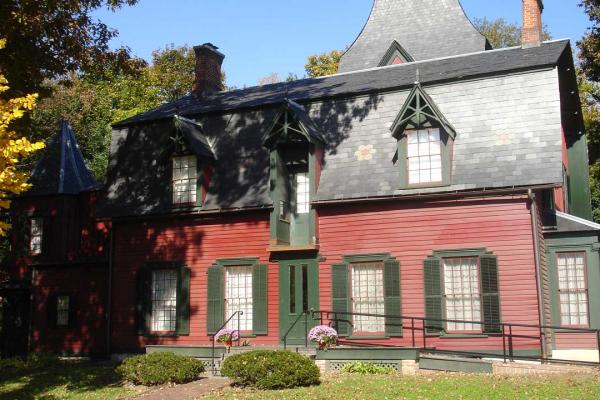
602 West Front Street
Plainfield, NJ 07060
Located in northern New Jersey, the Nathaniel Drake house offers a unique glimpse into life during the American Revolution. Once housing George Washington and his officers in 1777, it proves itself a vital landmark in the state.
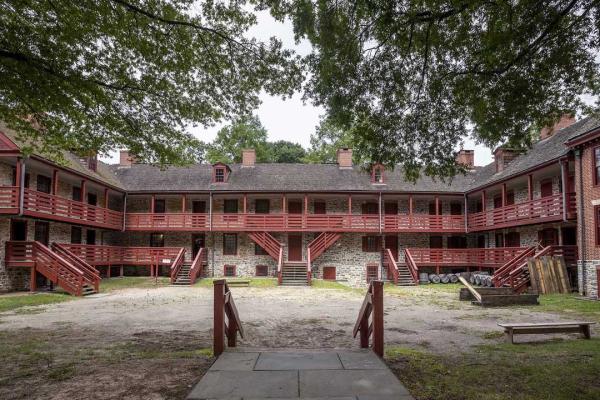
101 Barrack Street
Trenton, NJ 08608
The Old Barracks Museum is located in Trenton, New Jersey and stands as one of the last military structures dating back the French & Indian War and the American Revolution.
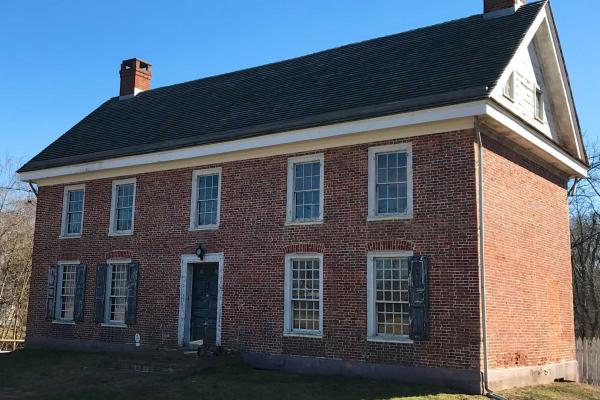
71 Somerset Street
Somerville, NJ 08876
This parsonage was constructed in the 1750s and housed the reverend of the Dutch congregation in what is now modern-day Somerville.
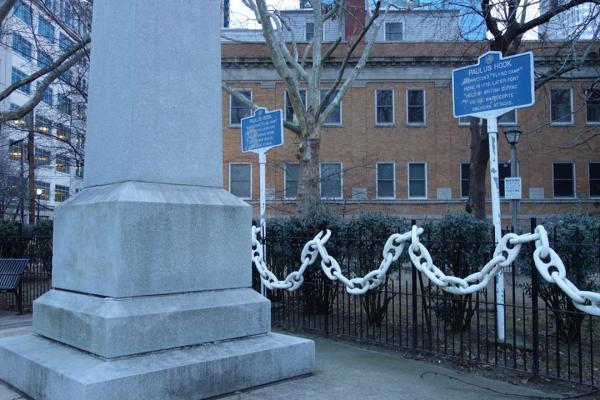
226 Washington Street
Jersey City, NJ 07302
A small victory for the Continental Army, the Battle of Paulus Hook won the reassurances of the Patriots and compelled many to continue the fight for independence.
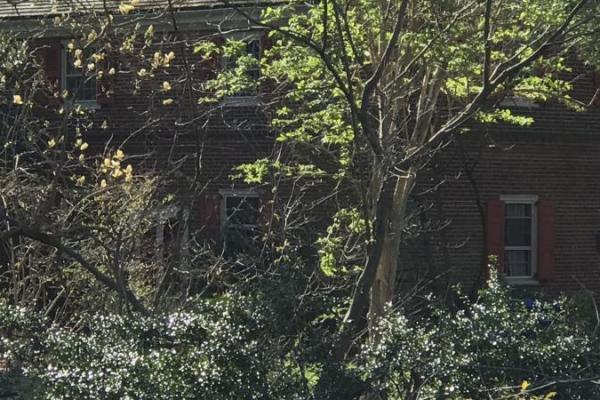
Petticoat Bridge Road
Columbus, NJ 08022
At this bridge, American forces under Colonel Samuel Griffin and foraging parties under Hessian Colonel Carl Ulrich von Donop clashed several times throughout December of 1776.
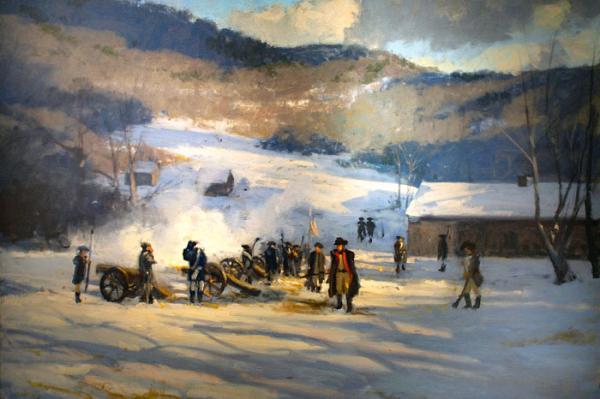
Stone Run Road
Bedminister, NJ 07921
Nestled in the sloping mountains of New Jersey, the birthplace of American military academies can be found. Initially a part of a winter encampment, it became the proving grounds for Patriot artillerists.
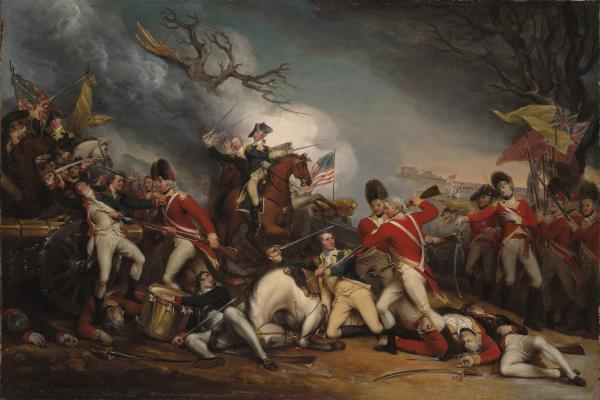
500 Mercer Rd
Princeton, NJ 08540
After crossing the Delaware, George Washington's ten-day campaign culminated in a decisive victory at the Battle of Princeton on January 3, 1777, proving his army could defeat the British. The battle saw Washington's forces overcome initial setbacks to rout the British and shift the momentum of the war
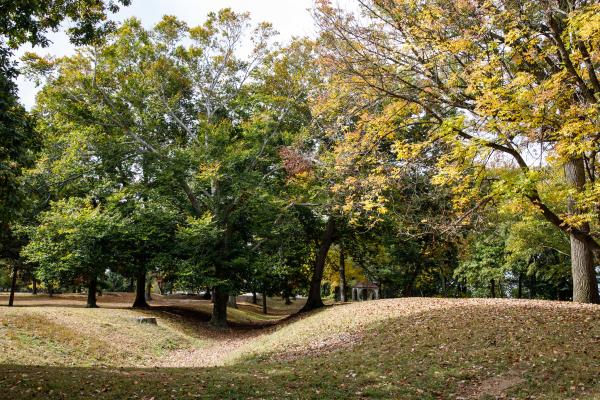
100 Hessian Ave
National Park, NJ 08063
Also known as the Battle of Fort Mercer, Hessian forces under Colonel Von Donop unsuccessfully stormed this fort on the 22 of October, 1777. Halted by combined arms of infantry and ships on the Delaware River, the Hessians suffered significant losses.

84 Laurel Avenue
Franklin Township, NJ 08528
In the final days of the Revolutionary War, Rockingham became General George Washington’s last wartime headquarters, where he penned his Farewell Orders to the Armies of the United States. As he prepared to step away from military command, news arrived that the Treaty of Paris had been signed, securing America’s independence.

149 Kearny Ave
Perth Amboy, NJ 08861
The Royal Governor's Mansion of New Jersey is the only remaining proprietary governor's mansion of the original Thirteen Colonies still standing today. Built in the 1760s, it served as the residence gubernatorial residence of William Franklin, Benjamin Franklin's Loyalist son.
84 Mercer Road
Highlands, NJ 07732
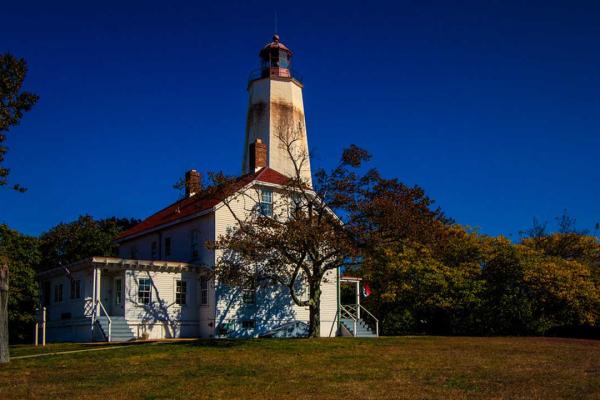
A strategic location for the defense of New York's harbor, the Continentals failed to reinforce this peninsula, leading to the city's capture in August of 1776. A lighthouse dating to 1764 still operates there today, once serving as a Loyalist fortification.
East Front Street, S Broad Street
Trenton, NJ 08608
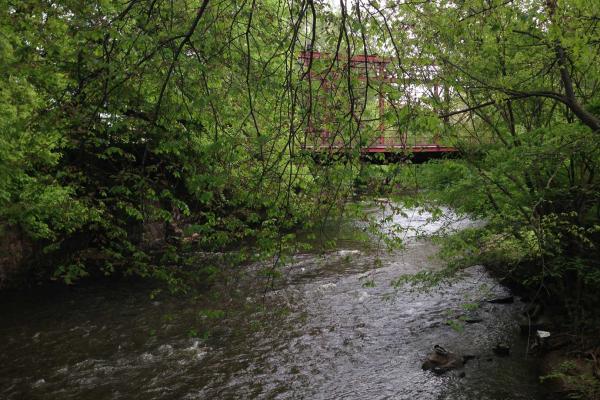
Also known as the Battle of Assunpink Creek, Washington thwarted Cornwallis yet again, just south of the town of Trenton where they had fought only days prior.
17 Von Steuben Lane
South Bound Brook, NJ 08880
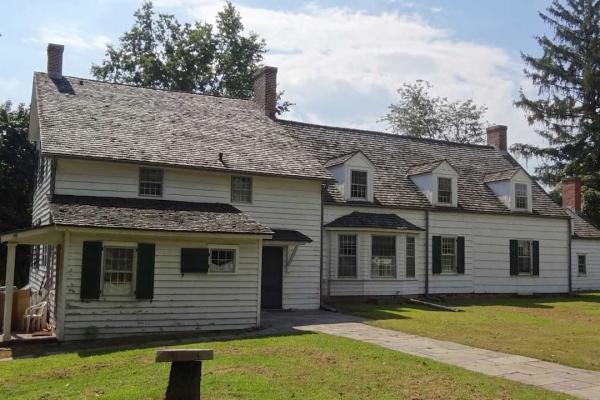
Constructed in the early 1740s, this home acted as the headquarters of Baron Von Steuben during the Continental Army's cantonment in 1779. Today, it stands as one of the few remaining Dutch structures in central New Jersey.
448 Tennent Rd.
Manalapan Township, NJ 07726
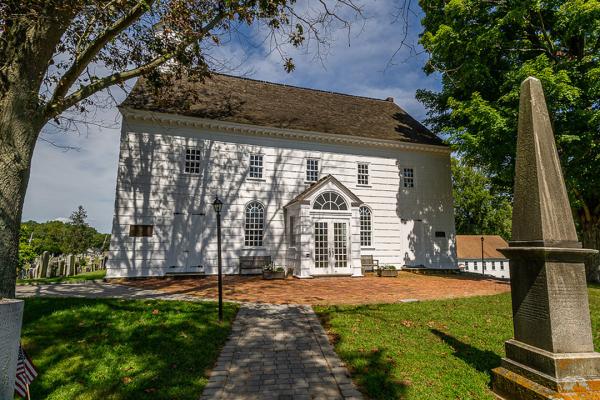
Located just behind the Continental artillery line on Perrine Ridge, this Presbyterian church now houses the remains of several patriots in its cemetery.
500 Mercer Road
Princeton, NJ 08540
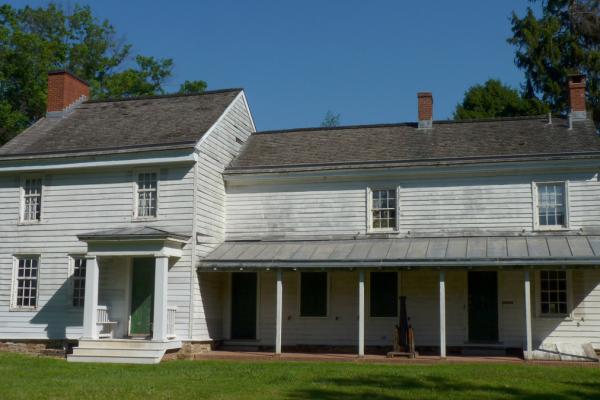
Located on the Princeton Battlefield, this home served as a field hospital in the wake of the battle. At this site, Patriot officer Hugh Mercer died while in care from fatal wounds sustained during the decisive engagement.
101 Barrack St
Trenton, NJ 08608
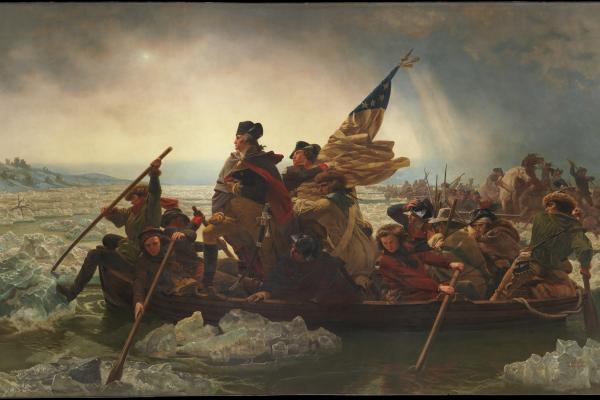
Renowned for Gen. George Washington's daring crossing of the Delaware River on a frigid Christmas night, Trenton marked the start of the Ten Crucial Days—a series of bold victories that reignited hope in the Revolutionary cause.
9 Van Veghten Drive
Bridgewater, NJ 08807
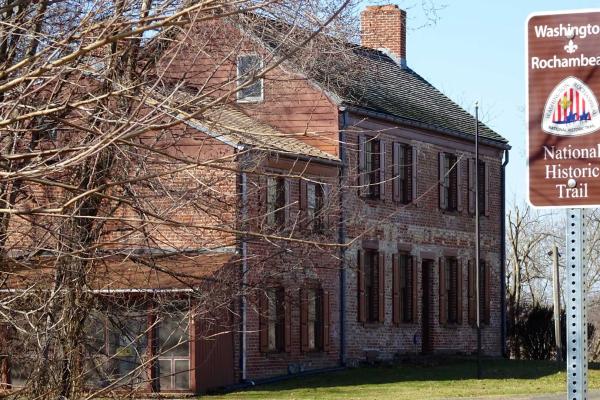
Utilized during the second Middlebrook encampment by the Continental Army, this home served as the headquarters for Nathanael Greene from 1778-1779.
2 Water St.
Englishtown, NJ 07726
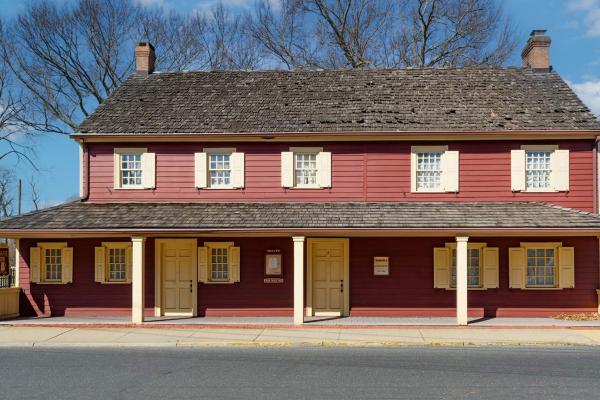
This tavern marked the turning point of Washington's advance against Henry Clinton's column. It was here that the order was given to Charles Lee to attack the next morning, June 28, 1778, thus commencing the Battle of Monmouth.
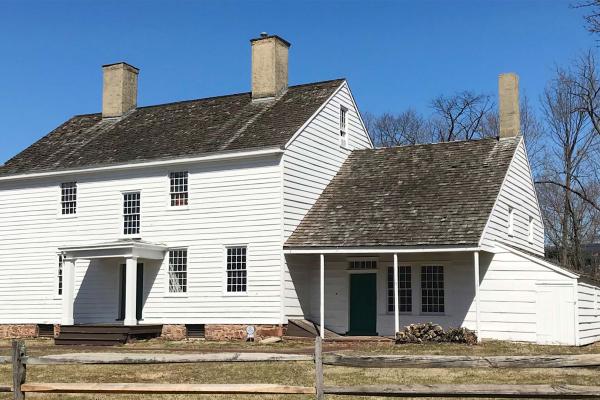
38 Washington Place
Somerville, NJ 08876
The home of a prominent Philadelphia merchant, this was the largest home built in New Jersey during the Revolution. During the Continental Army's encampment at Middleburg, it served as George Washington's Headquarters.
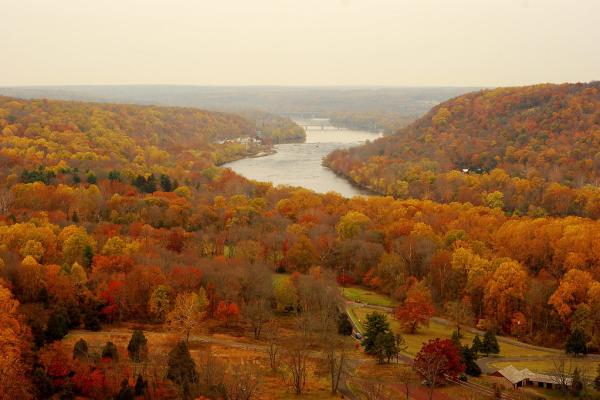
355 Washington Crossing-Pennington Road
Titusville, NJ 08560
The location of George Washington's famous crossing of the Delaware, the site is now a state park that offers historical interpretation and several recreational activities.
A home to a Quaker family, it served as a hospital following the Battle of Red Bank.
An ordinary farmhouse within Monmouth, it became a hotspot during the Battle of Monmouth as Charles Lee mounted a defense against advancing British troops.
Also known as the Battle of Assunpink Creek, Washington thwarted Cornwallis yet again, just south of the town of Trenton where they had fought only days prior.
A strategic location for the defense of New York's harbor, the Continentals failed to reinforce this peninsula, leading to the city's capture in August of 1776. A lighthouse dating to 1764 still operates there today, once serving as a Loyalist fortification.
Fort Nonsense if one of four sites that compose Morristown National Historical Park. Atop a hill, it functioned as a defensive observation post for those encamped at Morristown.
The Battle of Mount Holly, also known as Iron Works Hill, fought on December 23, 1776, was a minor skirmish in which Hessian Colonel Carl von Donop occupied the town, diverting his forces from Trenton and indirectly contributing to Washington’s victory there three days later.
The mansion once housed George Washington, who utilized it as his headquarters in the freezing winter of 1779.
The East Jersey Old Town Village is a collection of historic structures dating the 18th century. Today, living historians walk the grounds, bringing the Revolution and the Colonial Era to life.
Renowned for Gen. George Washington's daring crossing of the Delaware River on a frigid Christmas night, Trenton marked the start of the Ten Crucial Days—a series of bold victories that reignited hope in the Revolutionary cause.
After crossing the Delaware, George Washington's ten-day campaign culminated in a decisive victory at the Battle of Princeton on January 3, 1777, proving his army could defeat the British. The battle saw Washington's forces overcome initial setbacks to rout the British and shift the momentum of the war
This unassuming home, owned by the Covenhoven family, was requisitioned by British General Henry Clinton in the days prior to the monumental Battle of Monmouth.
In September 1780, Loyalist Colonel Tye captured Patriot captain Joshua Huddy after a fierce struggle. A Patriot ambush capsized their boat, allowing Huddy to escape while Tye suffered a wound that would prove fatal.