The Liberty Trail—New Jersey

​​Your Path on The Liberty Trail New Jersey

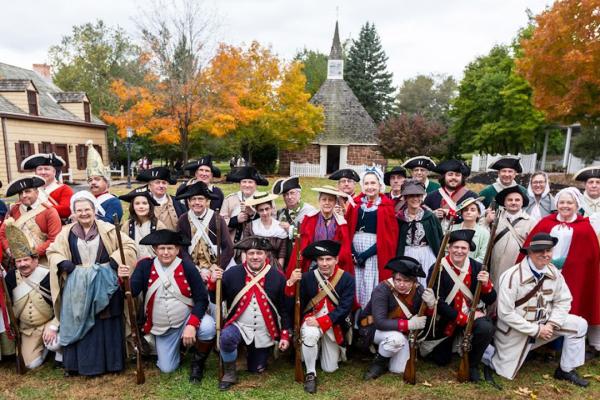
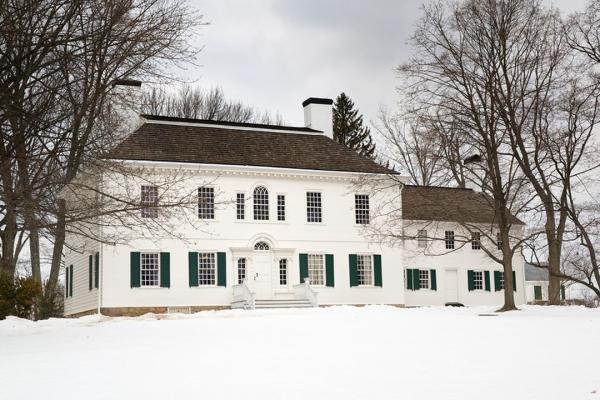
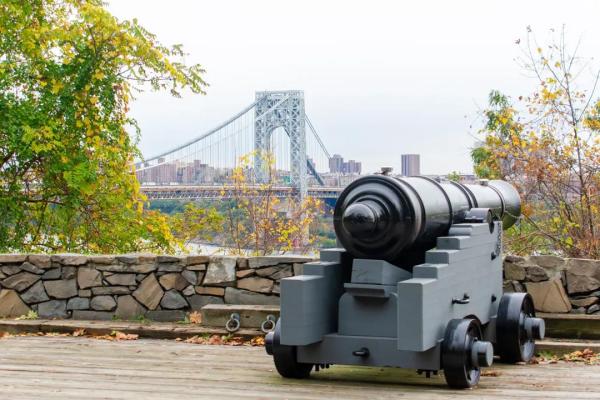
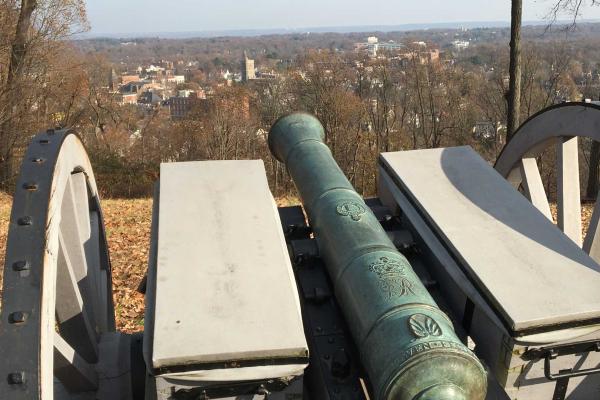
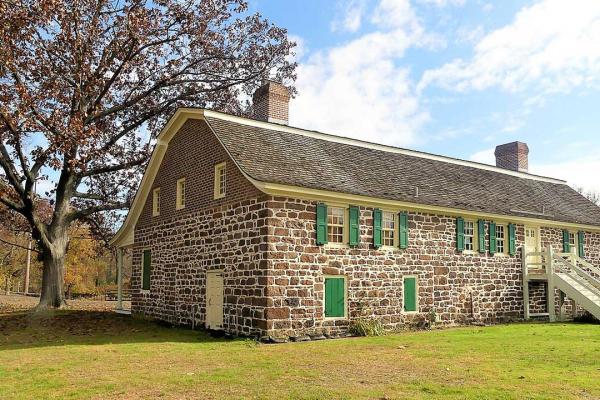
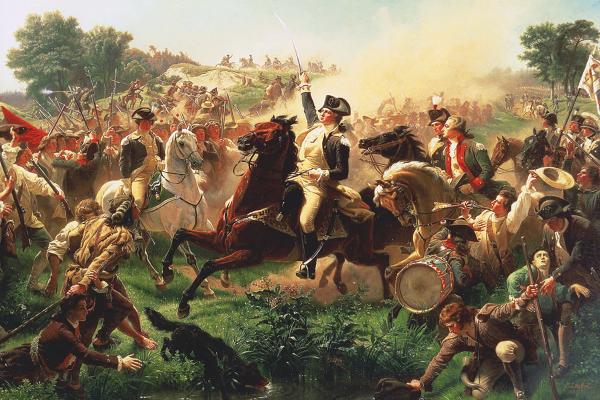
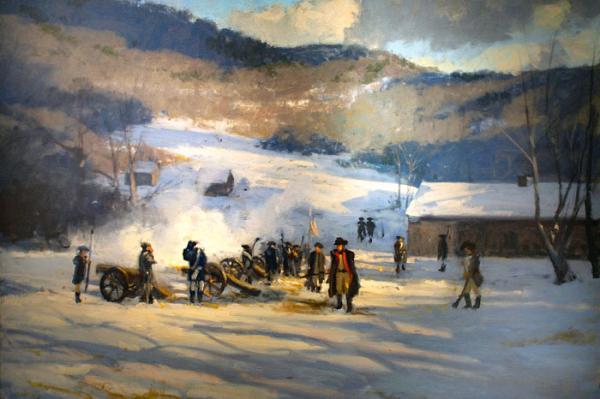
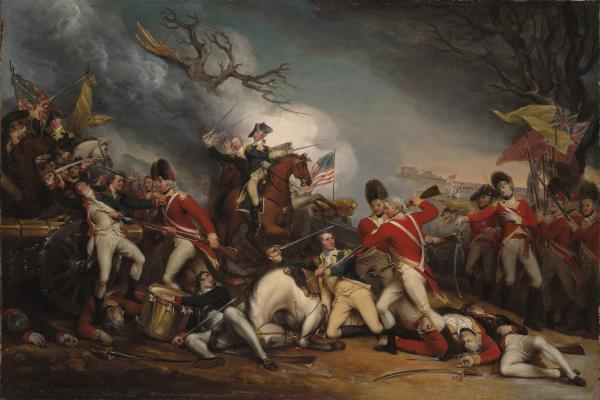
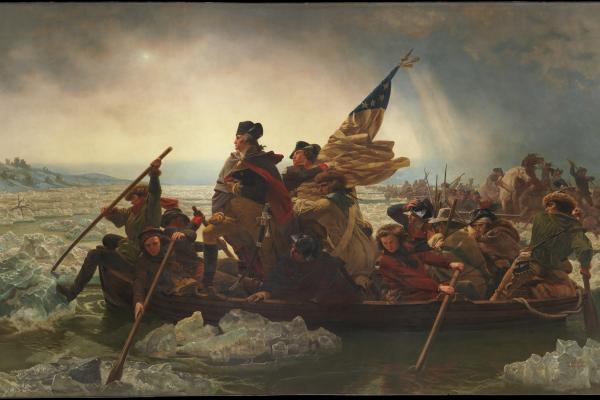
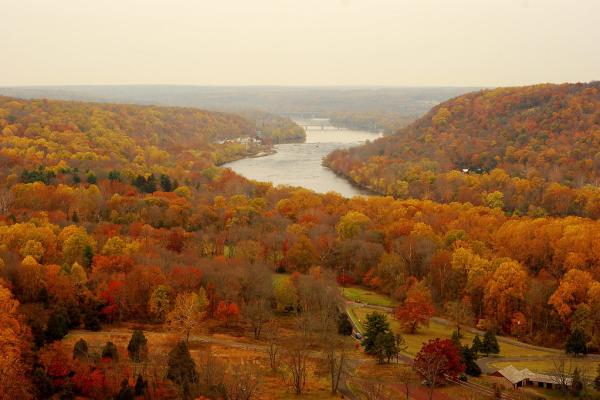
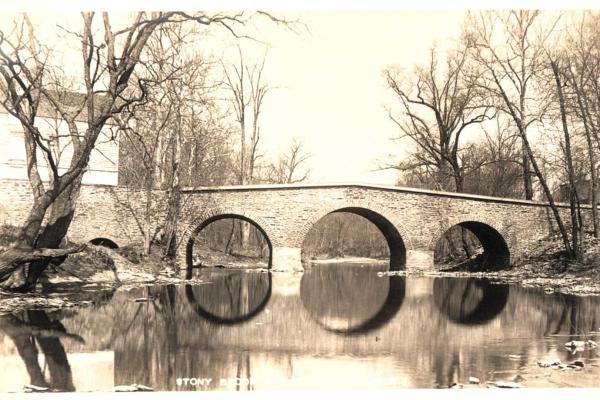
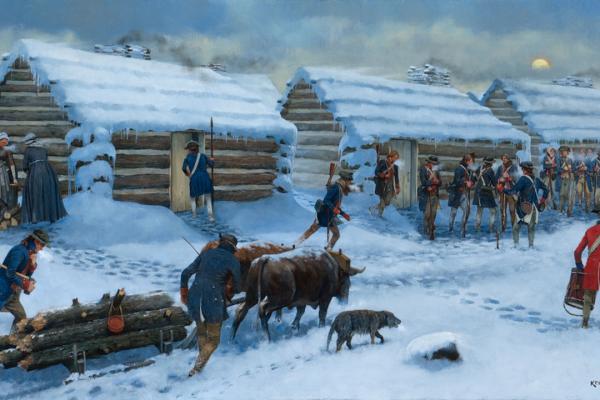
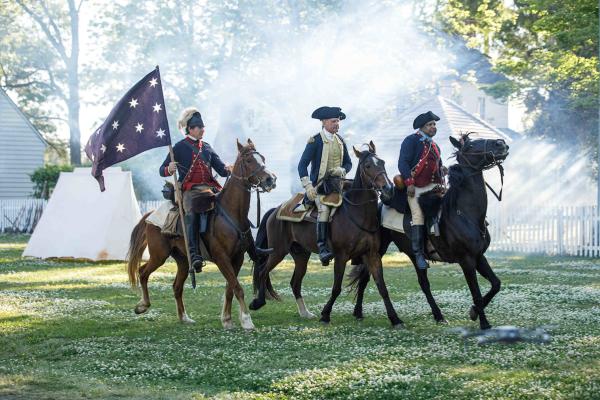
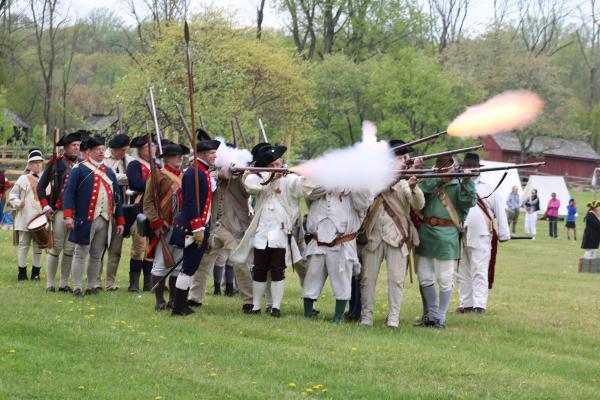
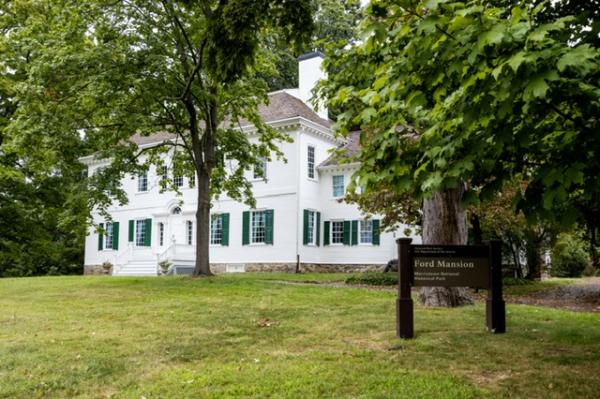
New Jersey played a major role in the fight for independence, from Washington’s daring crossing of the Delaware River to the Battle of Princeton. Its location caused the Continental and British armies to clash on this ground repeatedly throughout the War for Independence.

The Liberty Trail

Plan Your Visit
States of Interest:
States
Filter By:
Location Type
Experiences
Outdoor Activities
Events
New Jersey Storytellers
Exploring the history and stories of the American Revolution.
New Jersey Videos Along The Liberty Trail
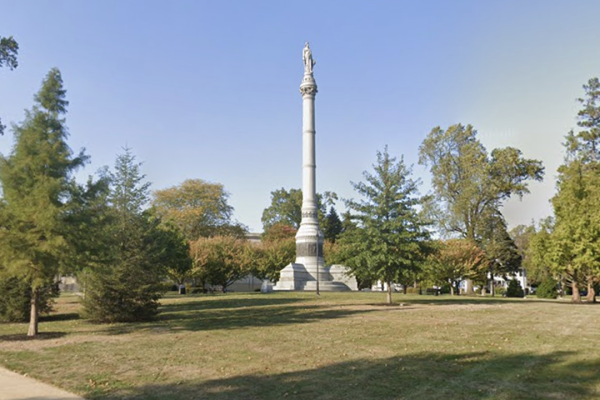
Exploring the history and stories of the American Revolution.
What's New on The Liberty Trail

Liberty Trail History Makers

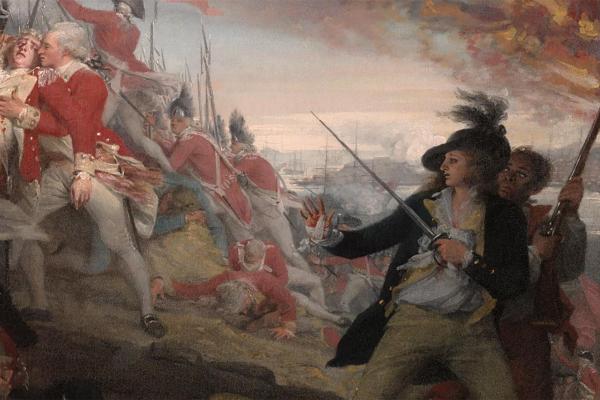
The Revolutionary War was a war unlike any other — one of ideas and ideals, that shaped “the course of human events. Explore the history and personalities from this pivotal time in American history.
Biography

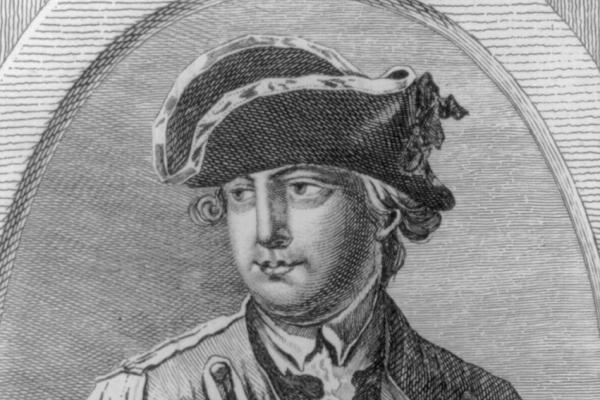
Charles Lee (February 6, 1732 - October 2, 1782) was a Major General in the American Revolutionary War. He was second-in-command to General George Washington, though he was known for his efforts to undermine General Washington. In 1780, Lee formally resigned from the Continental Army and retired to Philadelphia.

Biography

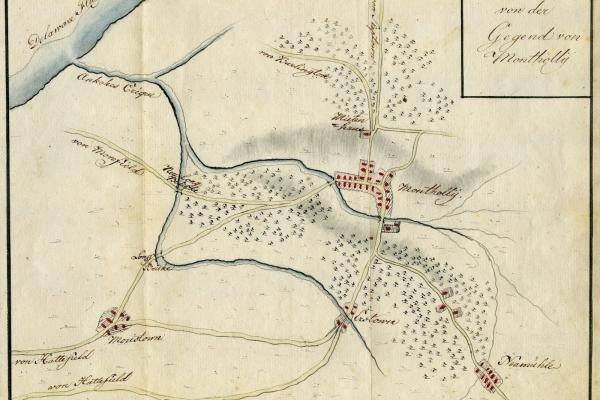
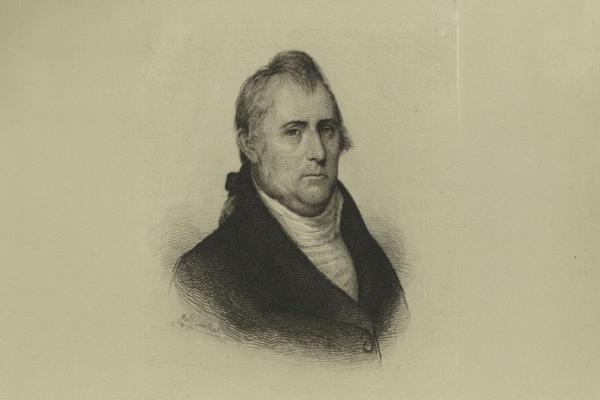
Johann Ewald, a Hessian captain, served in several significant Revolutionary War battles, including White Plains, Bound Brook, and the failed attack on Fort Mercer. He later fought at Yorktown, where he surrendered with the British forces. His detailed wartime diary and maps provide invaluable insights into his experiences in America.

Biography

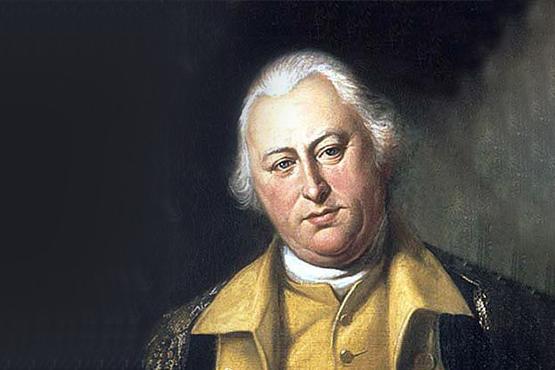
A Revolutionary War officer turned statesman, Thomas Mifflin played a vital role in securing American independence both on the battlefield and in politics. From rallying troops at Trenton to serving as Pennsylvania’s first governor, his legacy is one of leadership, resilience, and political influence.

Biography

Carl von Donop, a Hessian colonel, sought glory in the American Revolution but blundered at Trenton—possibly distracted by a "beautiful widow." To redeem himself, he led a doomed assault on Fort Mercer in 1777, suffering fatal wounds. Arrogant and unpopular, his American dream ended in defeat by the Delaware River.