-
The BlogBiographies
-
Videos

We invite you to visit the preserved locations along the Liberty Trail and to immerse
yourself in the extraordinary events that determined the fate of a nation.
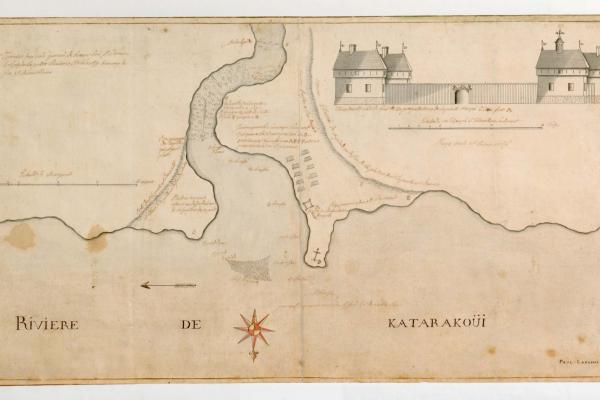
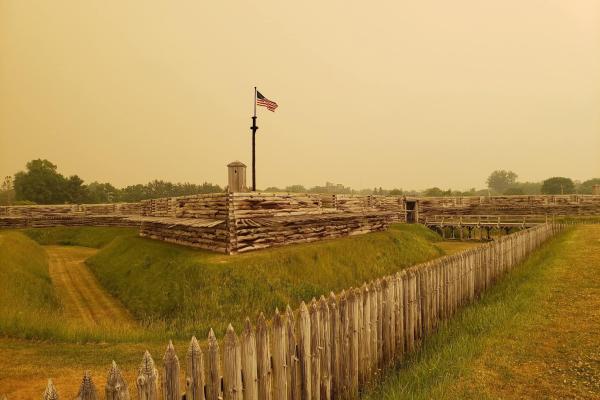
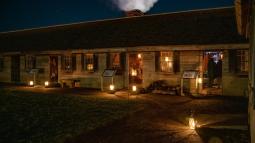
An historic fort established in 1749 that played a meaningful supporting role in both the Revolutionary War and the War of 1812.
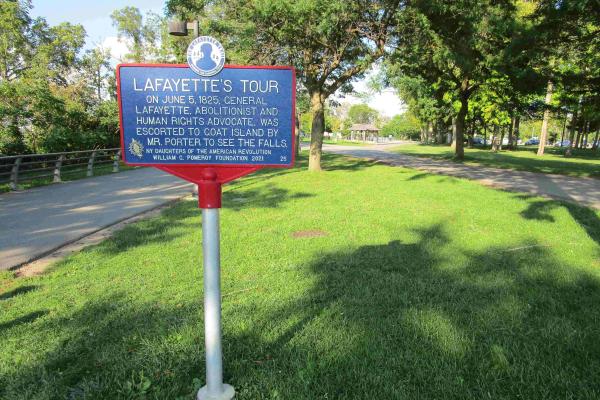
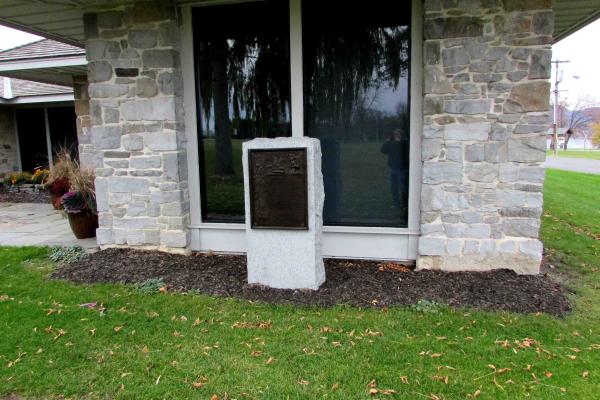
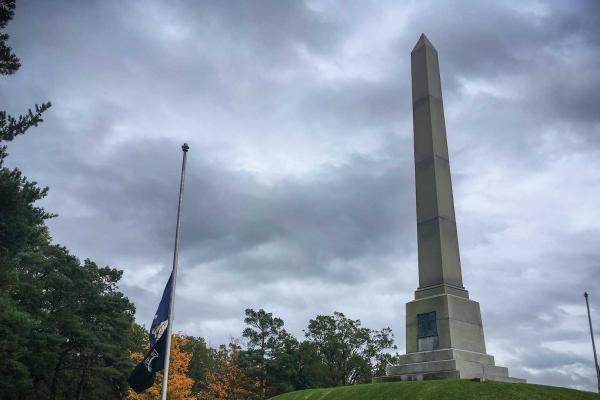
At the Battle of Newtown, American forces under John Sullivan crushed Loyalist and Haudenosaunee Confederacy resistance in a decisive campaign of destruction. The victory shattered organized opposition in the region, paving the way for the systematic devastation of Indigenous towns that reshaped the frontier during the war.
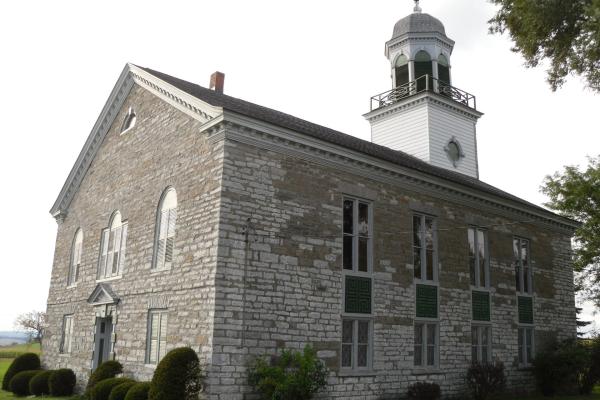
At the Battle of Stone Arabia, Patriot militia under John Brown made a desperate stand against a swift raid led by Sir John Johnson. Though Brown was killed and the raiders escaped, the clash galvanized local resistance.
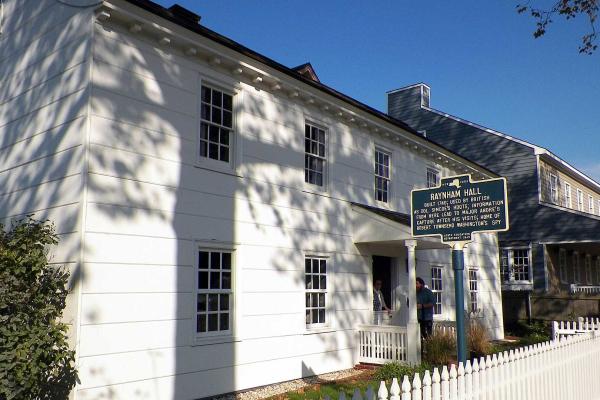
Raynham Hall was the home of the Townsend family, one of the founding families of Oyster Bay, on Long Island, New York, and a member of George Washington's Culper Spy Ring.
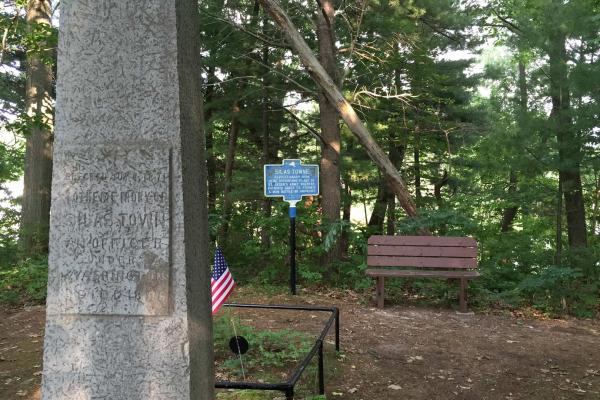
Patriot spy named Silas Towne hid on this island and observed British General Barry St. Ledger’s troop movements during the 1777 three-pronged invasion of New York.
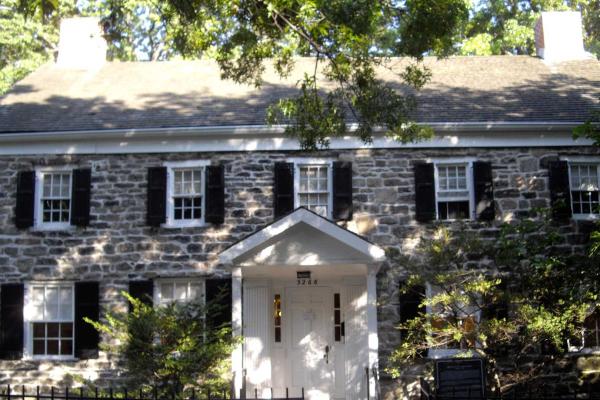
The Valentine–Varian House is a historic home located in the Norwood neighborhood of the Bronx. Site of skirmishes between British and American forces because of its commanding position over the Boston Post Road.
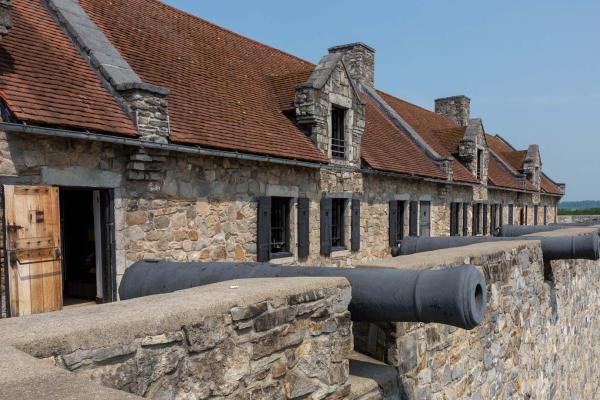
A formidable fortress on the banks of the Hudson and Lake Champlain, this stone bastion was the source of Henry Knox's artillery in the opening years of the Revolution. Today, it's a hallmark of living history with interpreters being found at every corner.
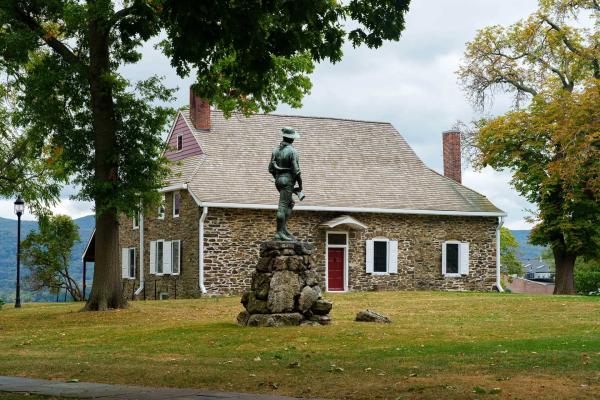
General Washington established his Newburgh headquarters at Jonathan and Tryntje Hasbrouck's fieldstone farmhouse from 1782 to 1783, issuing an order for a "cessation of hostilities" from the house.
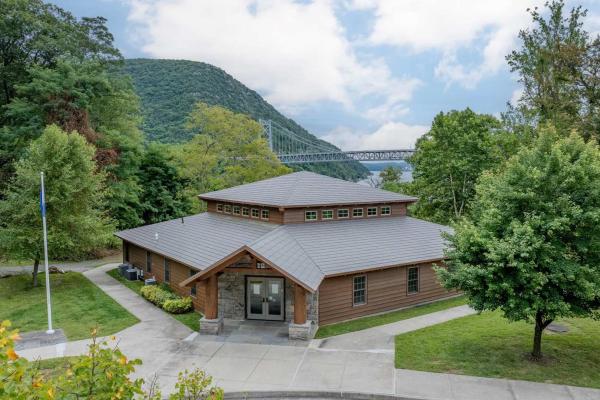
Historic fort attacked on October 6, 1777, as part of the British army’s three-pronged invasion of New York.
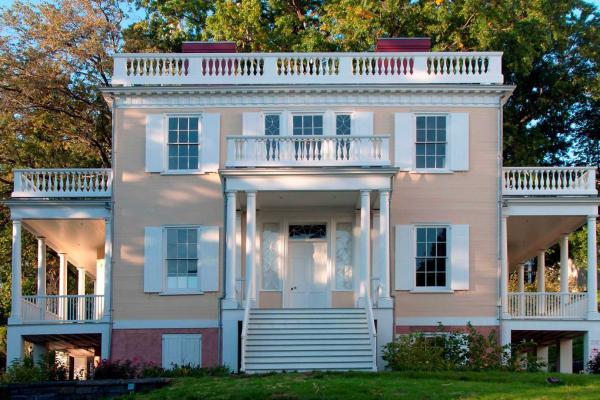
Relocated Mansion of Founding Father, Alexander Hamilton.