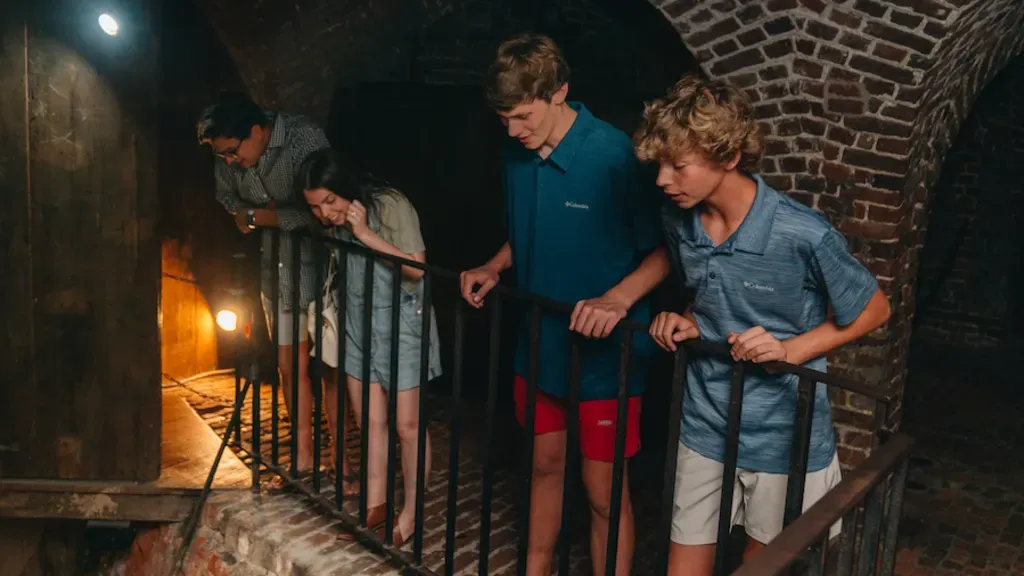
2 boys, a girl and a woman looking over a railing in a dungeon during a ghost tour
Travel Inspirations

Ghost Tours

Embark on guided tours through battlefields, historic sites, and burial grounds, where engaging narratives intertwine tales of the paranormal with rich historical accounts.

States of Interest:
South Carolina
Ghost Tours
Charleston, SC

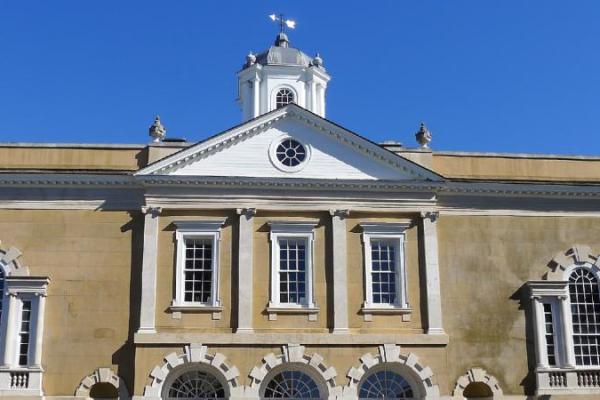
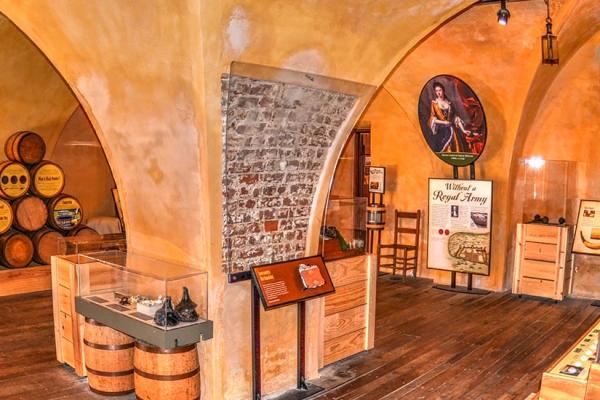
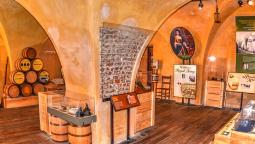
Only Bulldog Tours has walking tour access to the Provost Dungeon, located in the Old Exchange building on Broad and East Bay Streets. A cavernous space that housed prisoners during the Revolutionary...

South Carolina
Ghost Tours
Charleston, SC

The Powder Magazine remains the oldest building in Charleston. It has been privy to battles and skirmishes, explosives and gun fights. But with such an interesting history comes the ghosts who have...

South Carolina
Ghost Tours
Charleston, SC

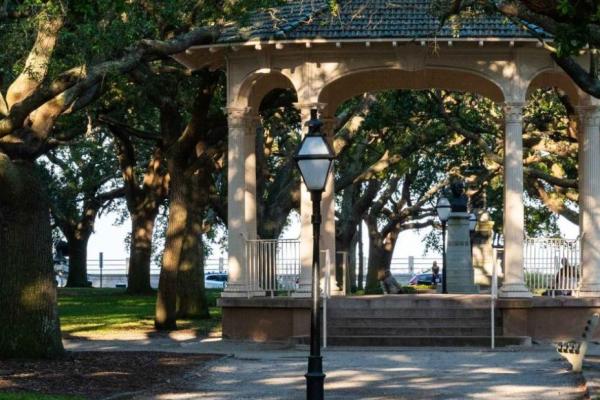
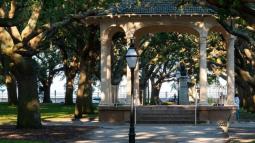
A beautiful, serene park it may be during the day, but as dusk falls, the beauty fades, that is when the spirits come out to play. And not all of them are particularly friendly. Learn more at Ghost...

Filter By:
States of Interest:

Exploring History

We invite you to visit the preserved locations along the Liberty Trail and to immerse yourself in the extraordinary events that determined the fate of a nation.
Historic Site
Charleston, SC

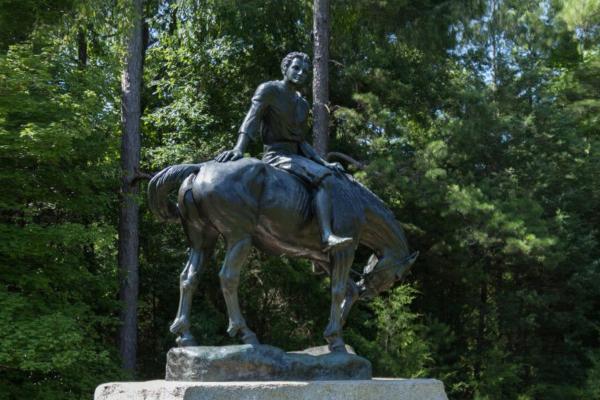
Francis Salvador, the first Jewish person to die in the Revolutionary War, was a London-born pioneer who moved to South Carolina in 1773. A vocal supporter of independence, he became the first Jewish person to hold political office in the state. Known as the "Southern Paul Revere," Salvador warned of attacks during the war but tragically died in an ambush in 1776 at just 29 years old, leaving behind a legacy of courage and commitment to freedom.

Battlefield
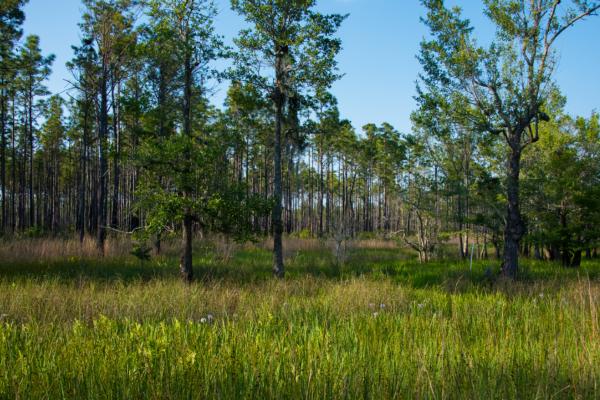
Pinewood, SC

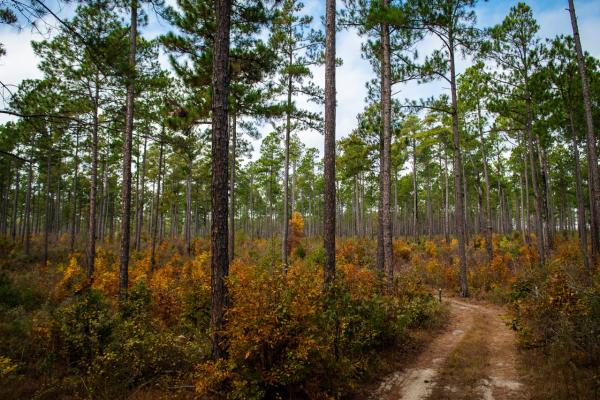
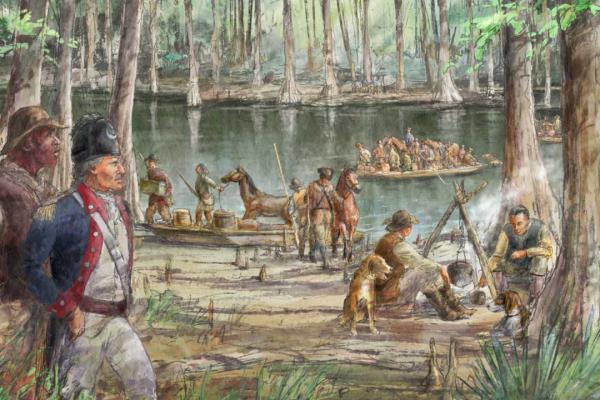
McLeroth and his 64th Regiment were escorting 200 recruits from Charleston to Camden when Marion, with about 700 men, surprised them at Halfway Swamp.

Battlefield
Lancaster, SC

On May 29, 1780, British commander Banastre Tarleton engaged and overwhelmed a Patriot force under the command of Abraham Buford in a dreadful defeat for the Patriots.

Battlefield | State/County Park
Clinton, SC

The site of the 1780 battle of Musgrove’s Mill where a small force of Patriot militia fought and defeated a larger force of Loyalist and Provincial soldiers in a short but pivotal battle.

Historic Site |
Clemson, SC

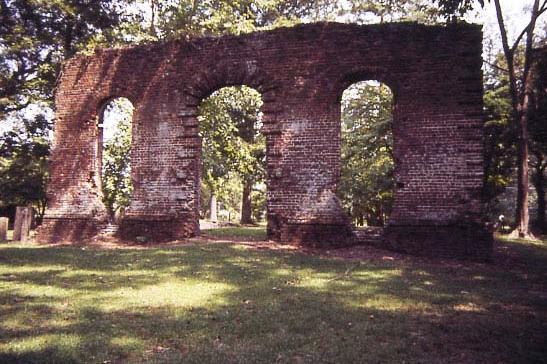
Nestled outside the traditional bounds of the South Carolina colony is the Presbyterian church where Andrew Pickens committed his time as an elder following the Revolution. In the adjacent cemetery lie the graves of several American soldiers who had fought by Pickens' side during the war.

Historic Site |
Moncks Corner, SC

The Berkeley County Museum is located in historic Moncks Corner, South Carolina and contains Revolutionary stories and artifacts from around the county.

Battlefield
Clarendon County, SC

Patriot Francis Marion earns his famous nickname — "The Swamp Fox”— after a futile chase by British Commander Banastre Tarleton

Battlefield
Coosawhatchie, SC

In May 1779, British troops under Augustine Prevost advanced toward Charleston, prompting William Moultrie to withdraw as John Laurens rashly engaged at the Coosawhatchie River and was driven back with heavy losses.

Historic Site
Sullivan's Island, SC

William Moultrie died in 1805 and was buried in the family cemetery. In 1977, his remains were moved to Sullivan's Island within Fort Moultrie.

Historic Site
Charleston, SC

Completed in 1771, the Old Exchange Building is a Charleston landmark and the site of some of the most important events in South Carolina history. Over the last two and a half centuries, the building has been a commercial exchange, custom house, post office, city hall, military headquarters, and museum.

Battlefield
Johnsonville, SC

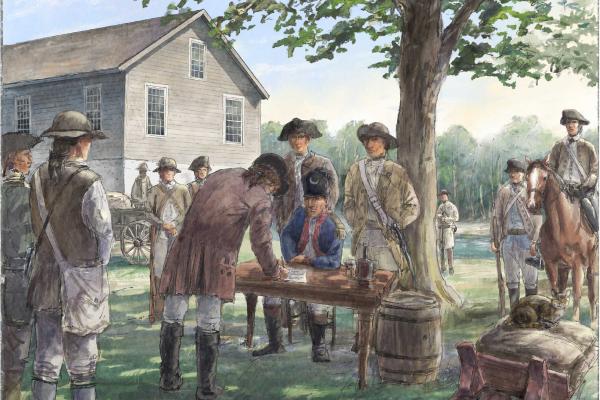
Once a simple ferry site, it gained prominence after Francis Marion, the "Swamp Fox," mustered the Williamsburg militia into his ranks in August of 1780

Battlefield
Heath Springs, SC

This battleground was the site of three British camps, attacked by Patriot troops on August 6, 1780. It was a fight primarily between countrymen.