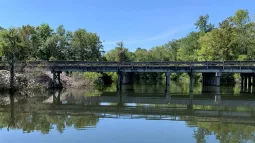
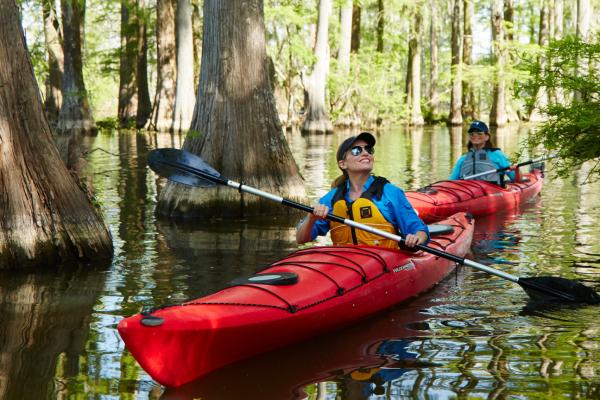
Experience America's Revolutionary waterways by kayak or canoe, surrounded by stunning natural beauty.
-
The BlogBiographies
-
Videos


Experience America's Revolutionary waterways by kayak or canoe, surrounded by stunning natural beauty.
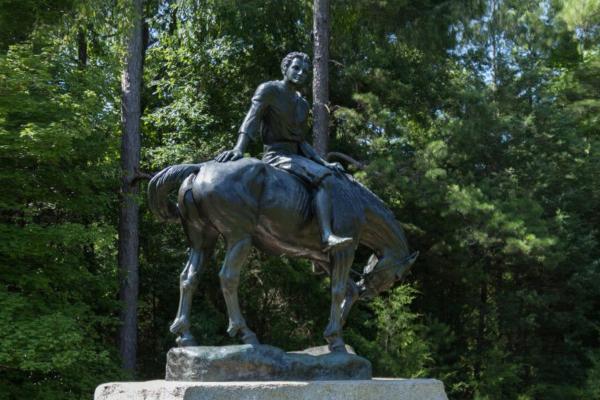
Paddle around the 18-acre lake in your canoe or kayak. Observe the many migratory birds and other wildlife that use the lake.
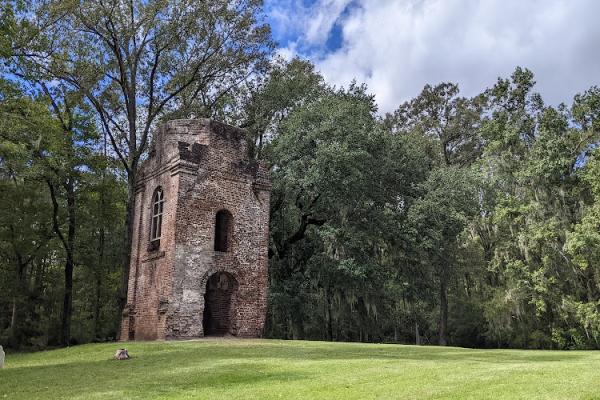
The Ashley River Blue Trail is one of the best-kept secrets for paddling and wildlife watching. Explore the historic Ashley River, which runs more than 30 miles from its headwaters in the Great...
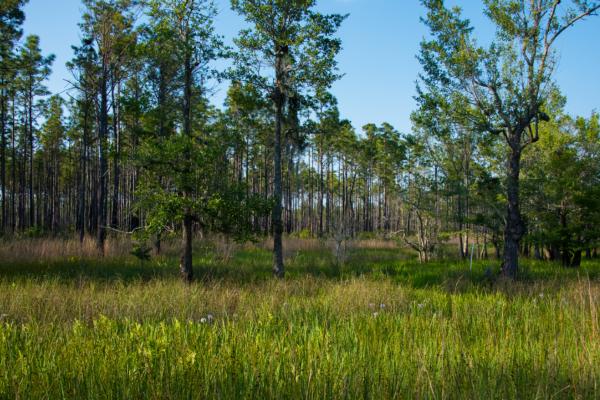
Deep in the Francis Marion National Forest, near the town of Awendaw, lies Awendaw Creek Canoe, a peaceful, scenic place for launching small boats onto Awendaw Creek.
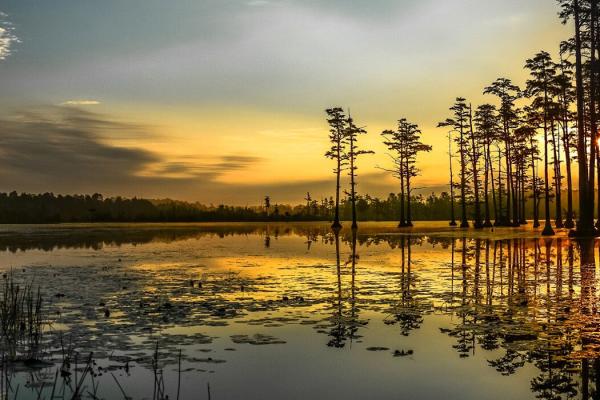
Explore the 1.5 mile, round trip waterway around Goodale State Park, sure to please those who love wilderness canoe trips and kayaking in South Carolina.
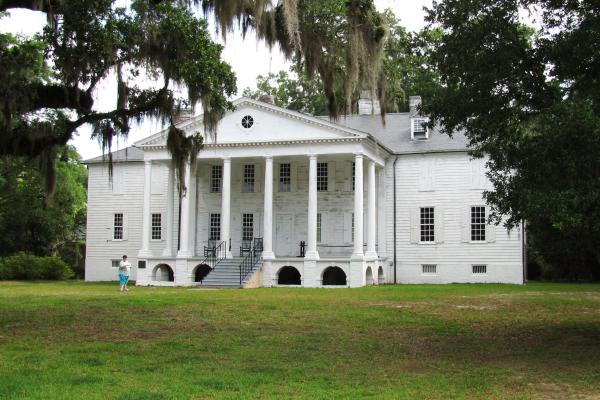
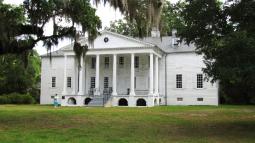
Located in the southern Santee Delta region, Hampton Plantation State Historic Site is home to the remote, final remnants of a colonial-era rice plantation. Guided paddling tours of the area are...
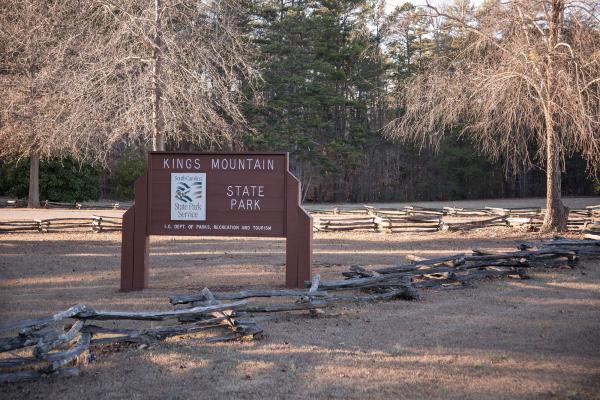
Canoe and kayak rentals are offered at the 13-acre Lake Crawford. Personal craft may be launched at Lake Crawford and Lake York for a $5/day charge. Watercraft must be carried to the shore from the...
We invite you to visit the preserved locations along the Liberty Trail and to immerse
yourself in the extraordinary events that determined the fate of a nation.
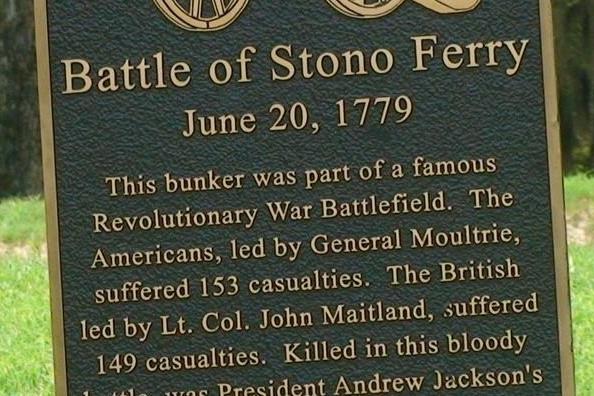
The Patriots launch a misguided attack on British troops retreating from an aborted raid on Charleston
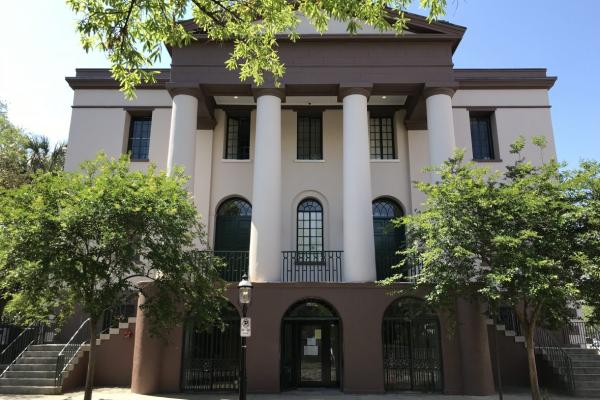
An architectural treasure in its own right, the South Carolina Historical Society Museum is housed in a National Historic Landmark building and features interactive exhibits on the people, places, and movements that shaped the state and nation.

Old Santee Canal Park hosts the Berkeley County Museum and Fort Fair Lawn, where in 1780, the British attacked the Patriot army stationed at Monck’s Corner.
An oyster-shell, “tabby,” fortress, originally constructed here during the French and Indian War, was restored, and occupied by both the British and Patriots.
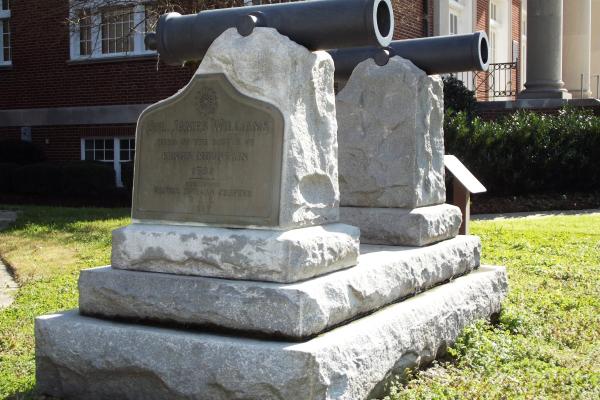
James Henderson Williams, a South Carolina militia colonel and Patriot leader, was killed at the Battle of Kings Mountain in 1780 and is commemorated here, where his remains were later reinterred and a memorial erected in his honor.
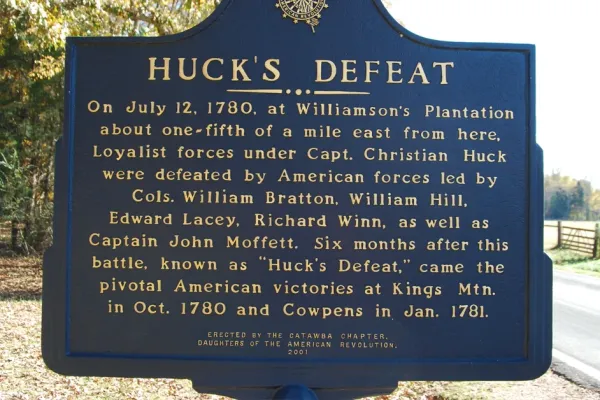
Huck’s Defeat occurred on July 12, 1780. The battleground is on the site of Historic Brattonsville, a former colonial plantation.
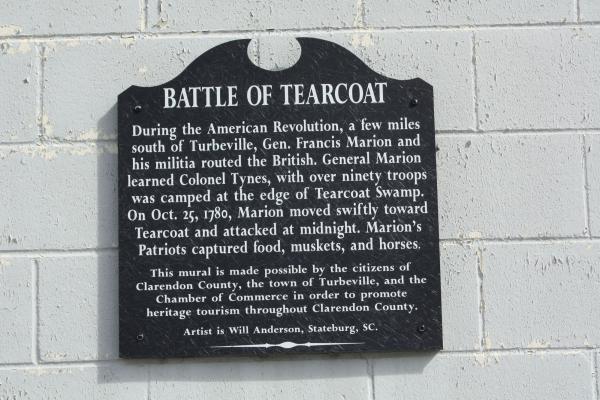
A surprise Patriot attack on Loyalist recruits is a blow to the British
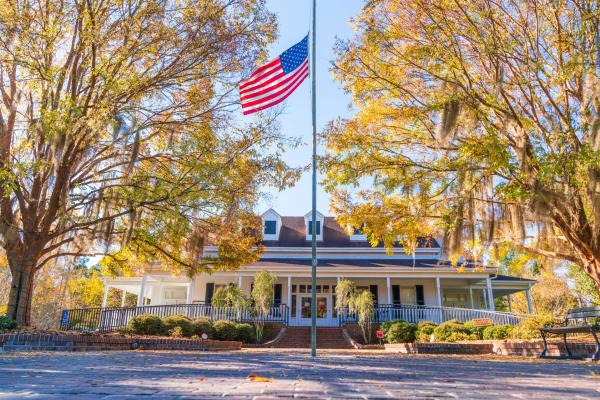
The Berkeley County Museum is located in historic Moncks Corner, South Carolina and contains Revolutionary stories and artifacts from around the county.
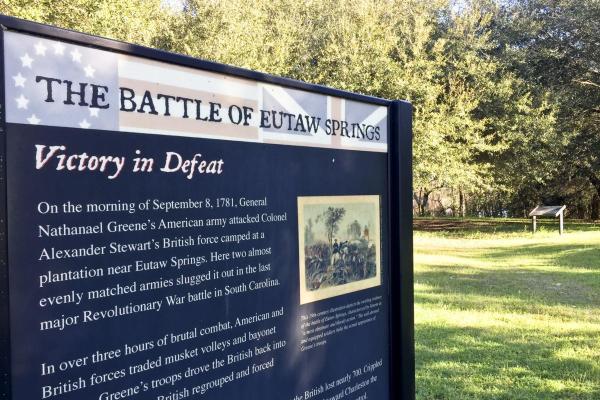
This last major battle of the war in the South succeeded in driving the British out of rural South Carolina.
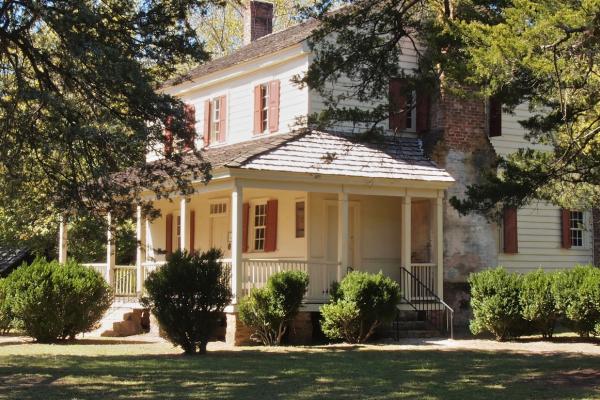
Established in 1767 by the Patriot supporting Moore family. Local militia gathered at Walnut Grove prior to the Battle of Cowpens. Visitors may take guided tours of the house and grounds.
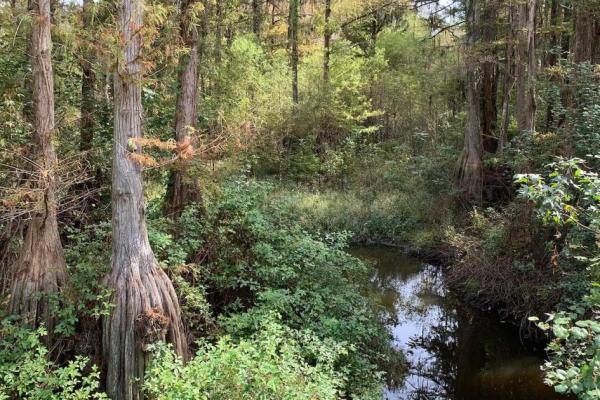
McLeroth and his 64th Regiment were escorting 200 recruits from Charleston to Camden when Marion, with about 700 men, surprised them at Halfway Swamp.
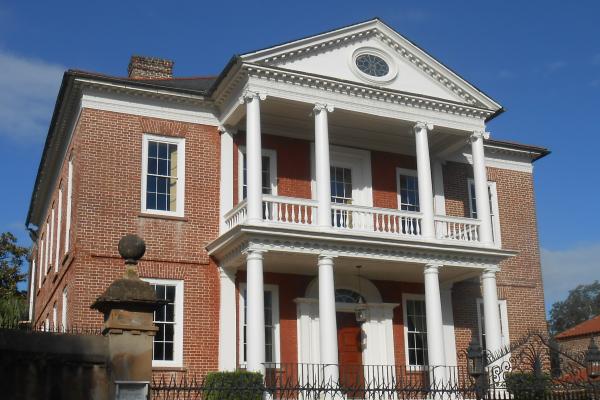
In 1780, after the British occupied Charleston during the American Revolutionary War, the Brewton house was used as the British headquarters for Henry Clinton.