The Liberty Trail—South Carolina

Discover The Liberty Trail South Carolina

America’s independence was secured in South Carolina across its swamps, fields, woods and mountains. These events of 1779-1782 directly led to victory in the Revolutionary War. We call this history The Liberty Trail.

Learn More

The Liberty Trail

Plan Your Visit
States of Interest:
States
Filter By:
Location Type
Experiences
Outdoor Activities
Events
South Carolina Tours Along the Trail

Explore the many guided tours of The Liberty Trail

Filter by
South Carolina
Tour
Eutawville, SC
South Carolina
Tour
Moncks Corner, SC
South Carolina
Tour
Moncks Corner, SC
South Carolina Storytellers
Exploring the history and stories of the American Revolution.
South Carolina Videos Along The Liberty Trail
Exploring the history and stories of the American Revolution.
What's New on The Liberty Trail

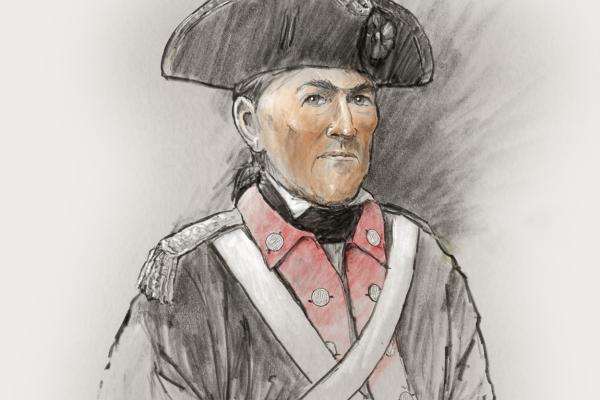
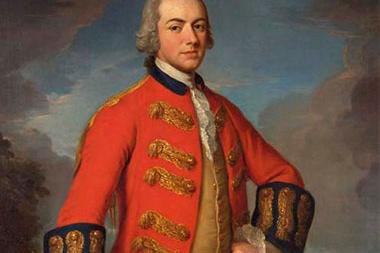
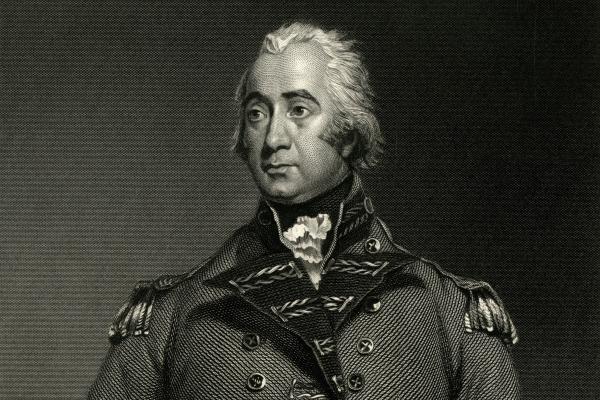
Liberty Trail History Makers

The Revolutionary War was a war unlike any other — one of ideas and ideals, that shaped “the course of human events. Explore the history and personalities from this pivotal time in American history.
Biography

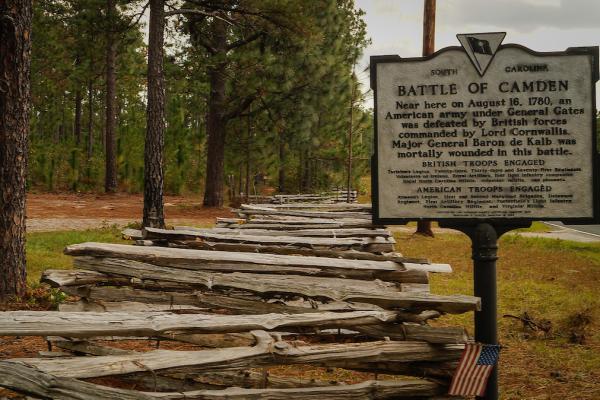
In 1779, after a stalemate in the north, Cornwallis went south as second in command to Sir Henry Clinton. Clinton captured Charleston in May 1780. Cornwallis pressed on to defeat General Horatio Gates at Camden, South Carolina, on August 16, 1780.

Biography

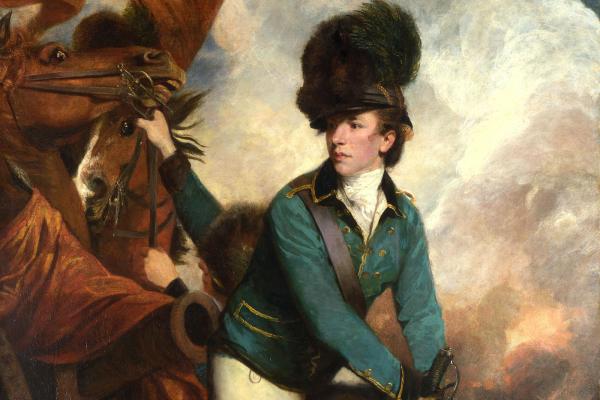
Tarleton, active in the Southern Campaign, came to be known as the ‘butcher’ after Continental soldiers accused his dragoons of disregarding a Patriot surrender by attacking the Americans after they laid down their arms at the Battle of Waxhaws.

Biography

Johann Ewald, a Hessian captain, served in several significant Revolutionary War battles, including White Plains, Bound Brook, and the failed attack on Fort Mercer. He later fought at Yorktown, where he surrendered with the British forces. His detailed wartime diary and maps provide invaluable insights into his experiences in America.

Biography

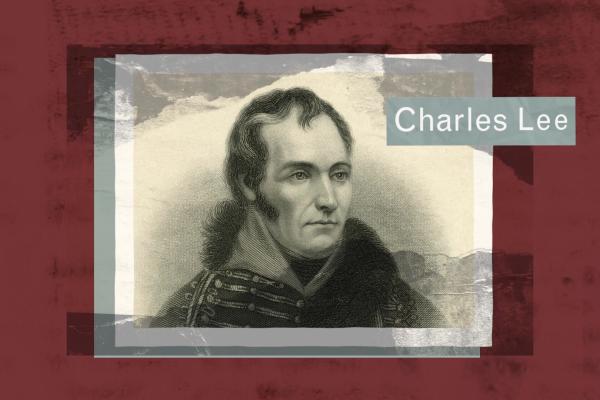
Charles Lee (February 6, 1732 - October 2, 1782) was a Major General in the American Revolutionary War. He was second-in-command to General George Washington, though he was known for his efforts to undermine General Washington. In 1780, Lee formally resigned from the Continental Army and retired to Philadelphia.