-
The BlogBiographies
-
Videos

We invite you to visit the preserved locations along the Liberty Trail and to immerse
yourself in the extraordinary events that determined the fate of a nation.
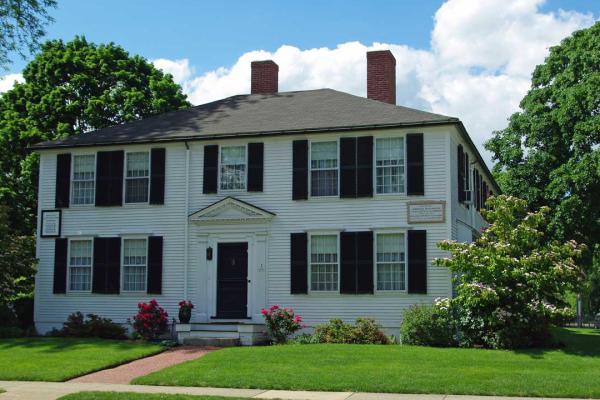
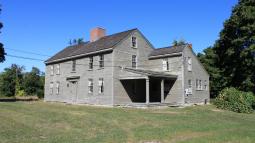
The Harrington House belonged to that of Jonathan Harrington whom, according to local history, crawled back to his house to pass in his wife's arms after being mortally wounded during the Battle of Lexington and Concord
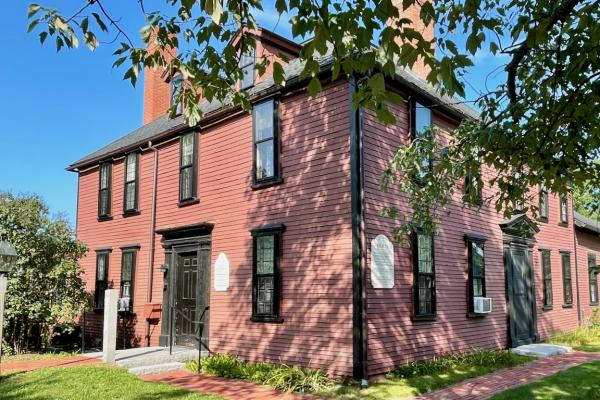
Known by several names over the past two centuries, it is now known as the Wright Tavern, named after its owner during the Battle of Lexington and Concord, Amos Wright.
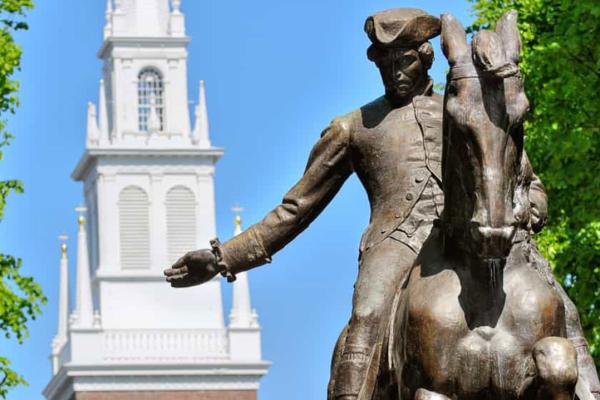
The oldest standing church in Boston, it once signaled lookouts in Charlestown, which triggered Paul Revere's famous ride to alert militia of the advancing British Regulars across the Massachusetts countryside.
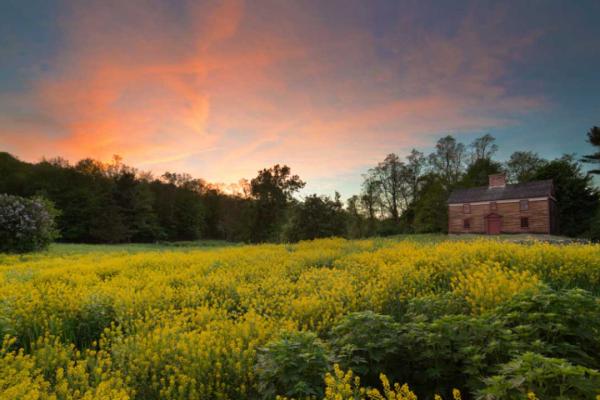
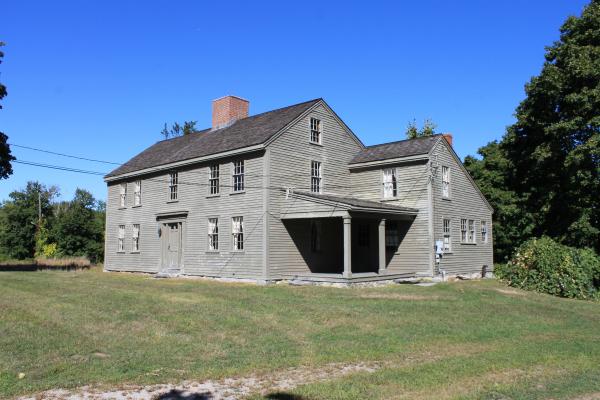
This building was the home of the captain of the Lincoln Minutemen, William Smith, who led his men at the Lexington Green on April 19, 1775.
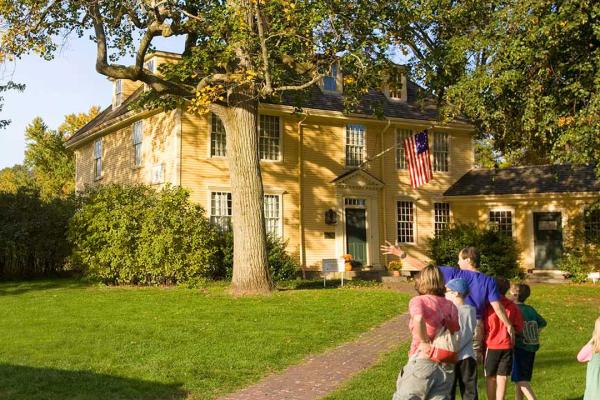
Waiting on British troops to arrive on the morning of April 19, militia members used this tavern to wait for their arrival before assembling on the field of battle and sparking the American Revolution
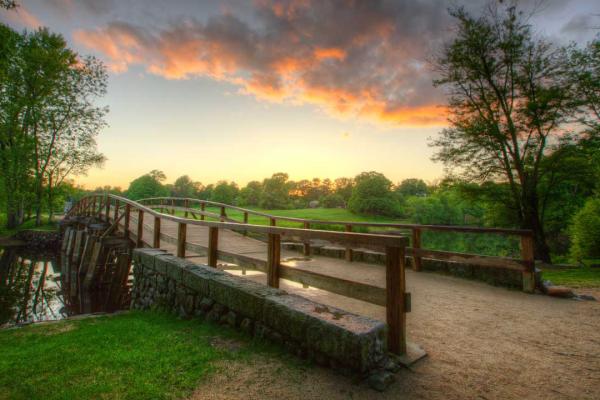
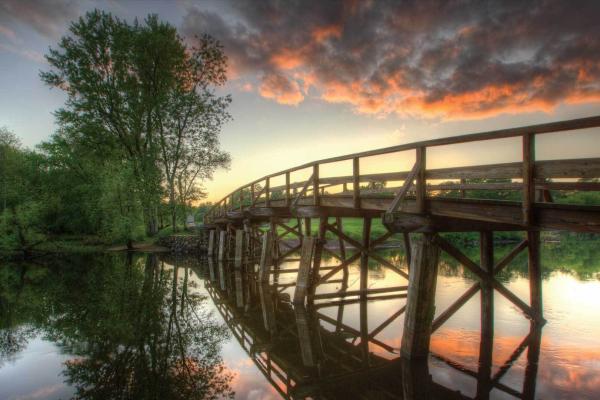
The site of the famous "Shot Heard Around the World," the Old North Bridge served as the flashpoint of the American Revolution. To this day, historians debate who fired the first shot, here, which led to the Battle of Lexington and Concord.
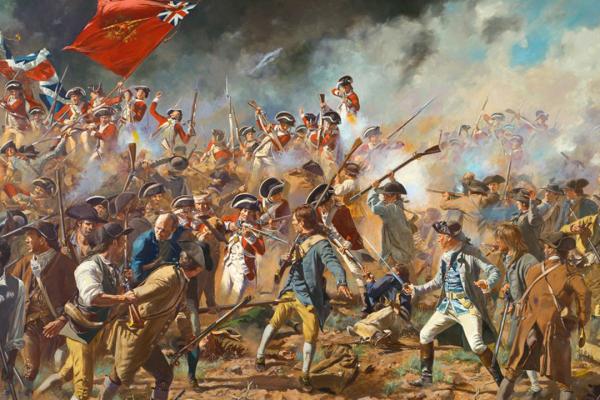
A proving ground for the Patriot cause, the infamous Battle of Bunker Hill was the first pitched battle between New England soldiers and the British. Although the British claimed the field, some 1,000 British soldiers and Marines were wounded or killed in action.
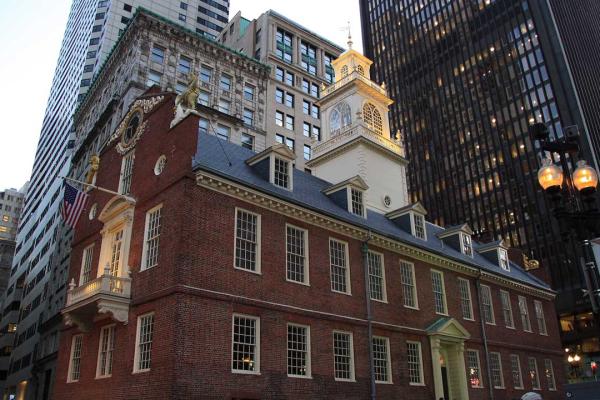
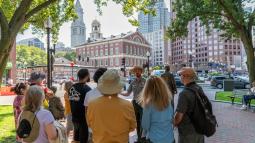
One of the oldest public buildings in the United States, the Old State House was the seat of government in Massachusetts leading up to the Revolution and after the consolidation of the States. Infamously, the Boston Massacre happened just beyond its steps.
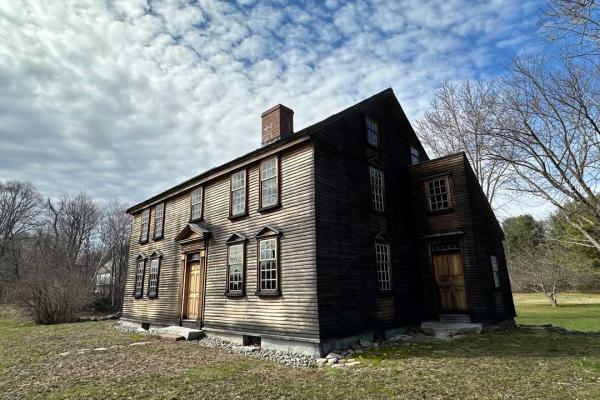
In the days leading up the Battle of Lexington and Concord, James Barrett stored military supplies, including small cannons, from that were smuggled out of Boston amid rising tensions with the British.
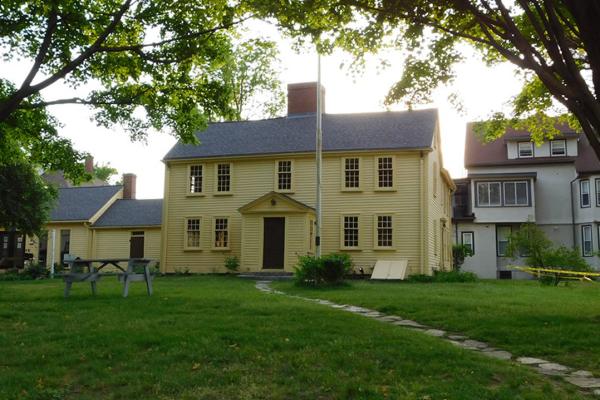
One of the bloodiest sites during the Battle of Lexington and Concord, this house saw extensive combat and still bears the scars left behind by the engagement.
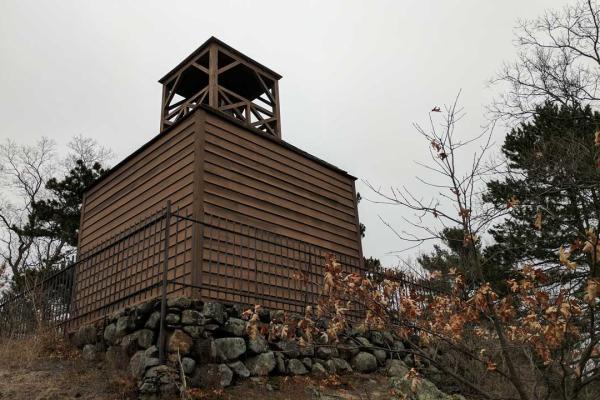
The sound of liberty rang from this bell in the early morning of April 19, 1775, to call forth the Lexington militia. Today, a reconstructed belfry stands as a reminder of the militia's bravery and determination at the Battle of Lexington and Concord.
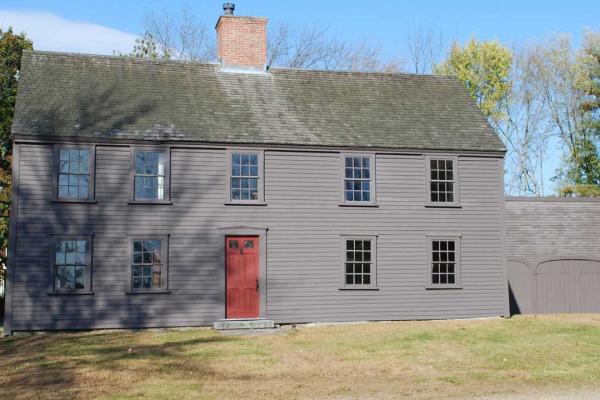
The site of the first known Colonist offensive attack during the Revolution, Meriam's Corner marks where the British column, retreating to Boston, was ambushed by local militias.