-
The BlogBiographies
-
Videos

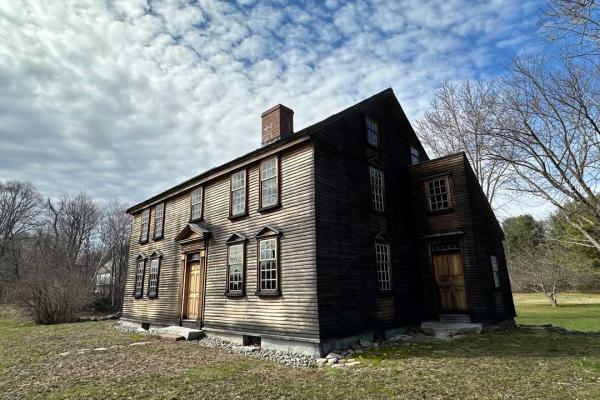
448 Barretts Mill Road
Concord, MA 01742
In the days leading up the Battle of Lexington and Concord, James Barrett stored military supplies, including small cannons, from that were smuggled out of Boston amid rising tensions with the British.
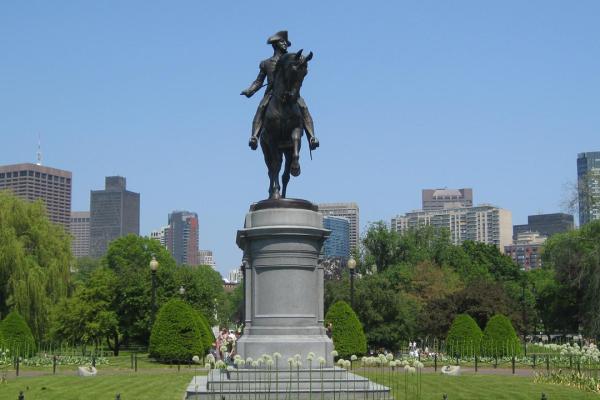
139 Tremont Street
Boston, MA 02111
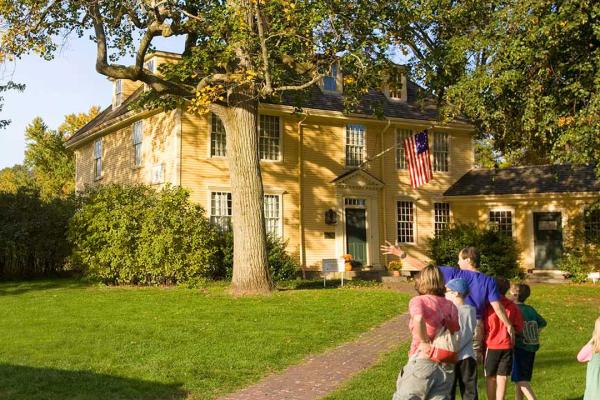
Once the training ground for British troops in Boston, it was from here that Regulars marched toward Lexington & Concord, sparking the American Revolution.
1 Bedford St
Lexington, MA 02420
Waiting on British troops to arrive on the morning of April 19, militia members used this tavern to wait for their arrival before assembling on the field of battle and sparking the American Revolution
Monument Sq
Charlestown, MA 02129
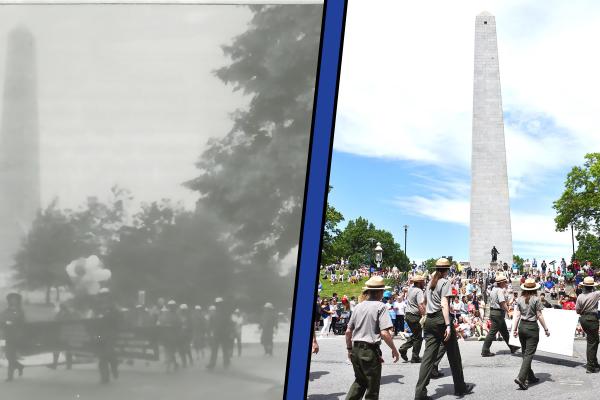
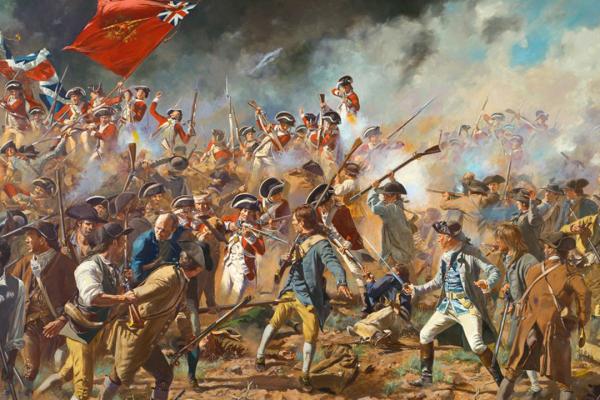
A proving ground for the Patriot cause, the infamous Battle of Bunker Hill was the first pitched battle between New England soldiers and the British. Although the British claimed the field, some 1,000 British soldiers and Marines were wounded or killed in action.
126 North Great Road
Lincoln, MA 01773
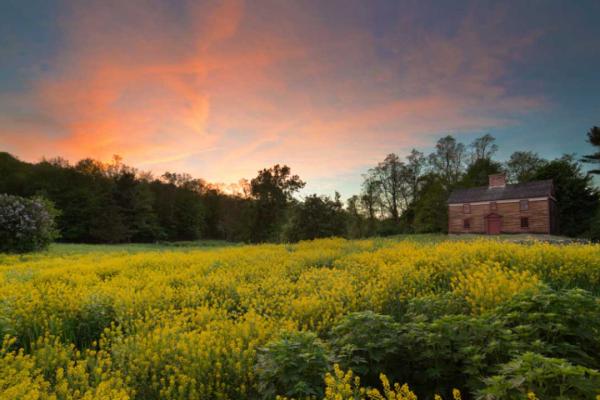
This building was the home of the captain of the Lincoln Minutemen, William Smith, who led his men at the Lexington Green on April 19, 1775.
1089 Broadway
Chelsea, MA 02150
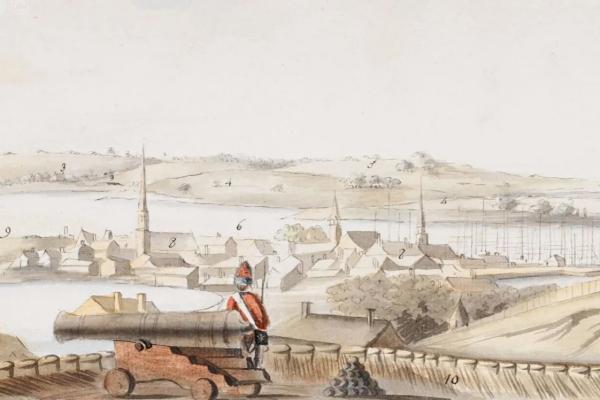
The second engagement of the Boston Campaign, the Battle of Chelsea Creek marked a stunning defeat for the British as their resources began to dwindle in Boston.
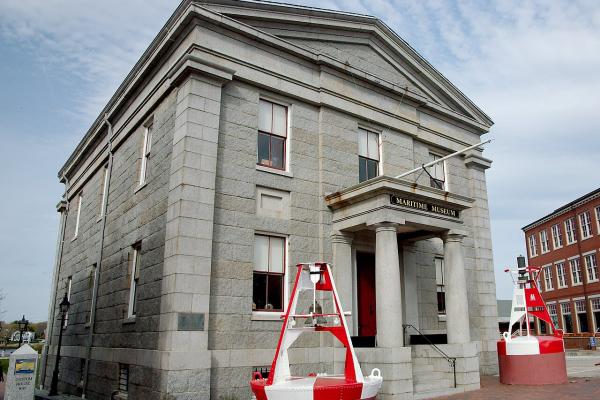
25 Water Street
Newburyport, MA 01950
Once an influential shipbuilding center, Newburyport now houses the Custom House Maritime Museum, which interprets the region's naval history.

1 Faneuil Hall Sq
Boston, MA 02109
A monumental structure built in 1742, Faneuil Hall served as one of the most important sites of civic engagement in colonial Boston. Since, it has hosted the likes of revolutionary leaders and dissidents.
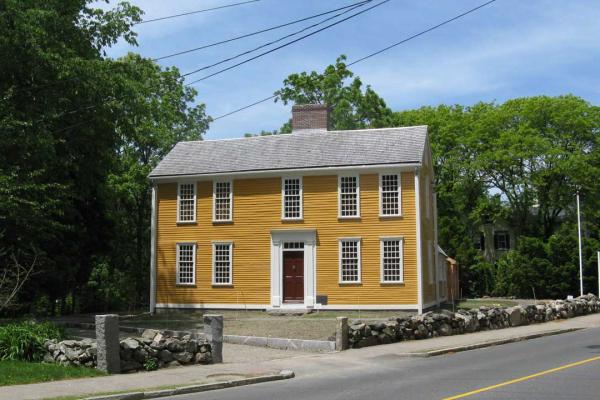
36 Hancock Street
Lexington, MA 02420
In the early twilight hours of April 19, 1775, Paul Revere rode by this house to warn its occupants, Samuel Adams and John Hancock, of the impending British raids. Already known for their revolutionary sentiments, Adams and Hancock fled to avoid capture.
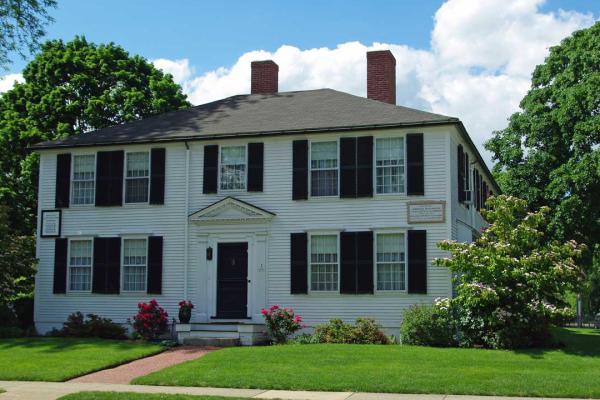
1 Harrington Road
Lexington, MA 02421
The Harrington House belonged to that of Jonathan Harrington whom, according to local history, crawled back to his house to pass in his wife's arms after being mortally wounded during the Battle of Lexington and Concord
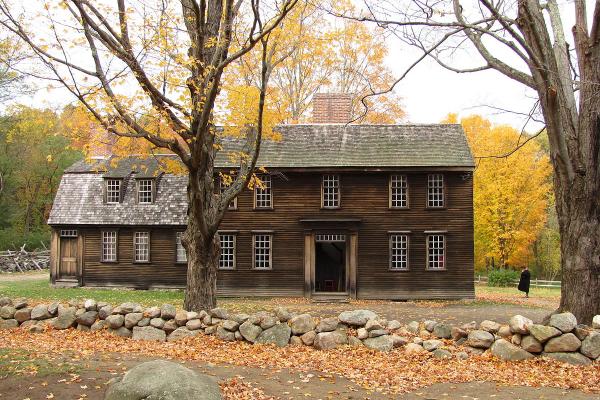
112 north Great Road
Lincoln, MA 01773
Located near where Paul Revere was captured during his famous ride, one of Revere's compatriots was able to escape and alert Hartwell family, who continued to raise the alarm about the advancing British troops.
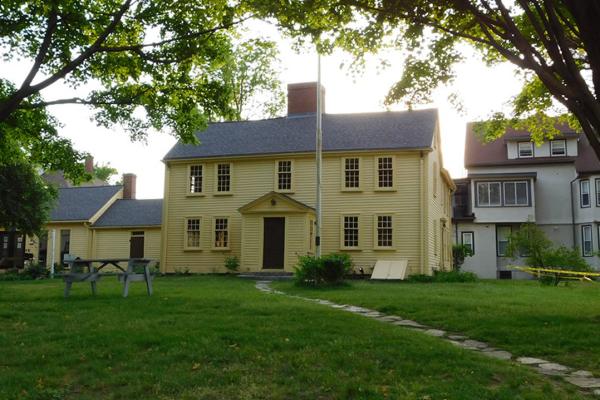
7 Jason Street
Arlington, MA 02476
One of the bloodiest sites during the Battle of Lexington and Concord, this house saw extensive combat and still bears the scars left behind by the engagement.
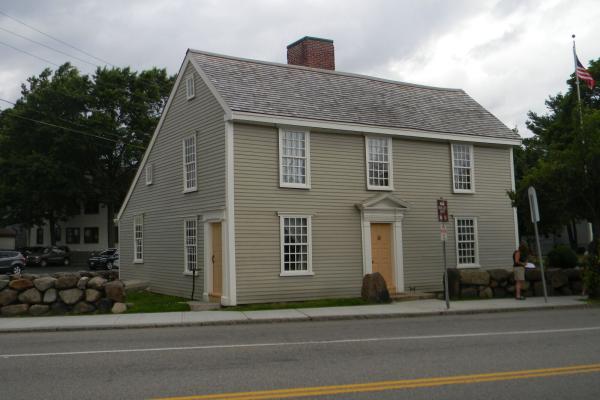
141 Franklin Street
Quincy, MA 02169
This home, now known as the "John Quincy Adams Birthplace," was John and Abigail Adams' residence during the Revolutionary War. While John served as a delegate to the Second Continental Congress in Philadelphia, Abigail managed this home and served as an advisor to her husband in his public role.
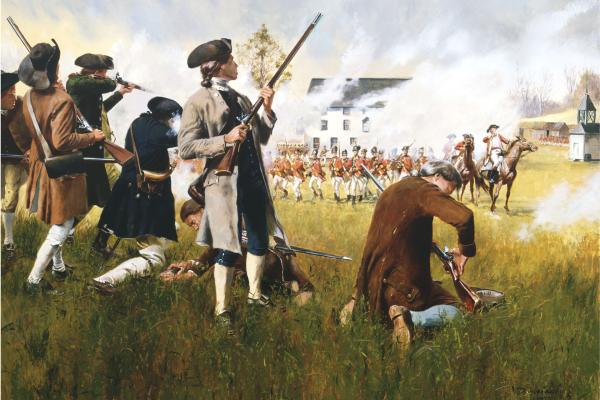
174 Liberty St
Concord, MA 01742
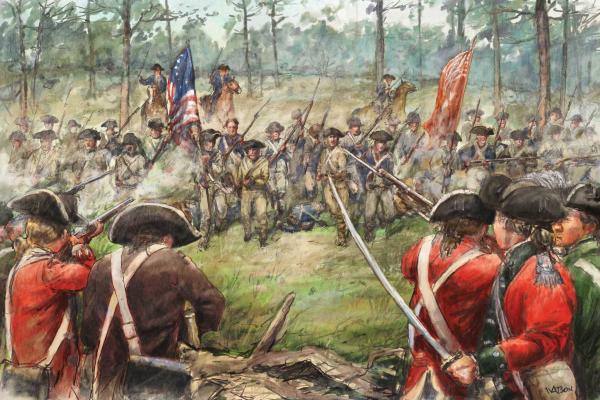
At dawn on April 19, 1775, an unknown shot shattered the silence in Lexington. British Redcoats and colonial militia clashed, leaving blood on the field. In Concord, the patriots struck back, and as the British retreated, gunfire hounded them to Boston, thus sparking the American Revolution
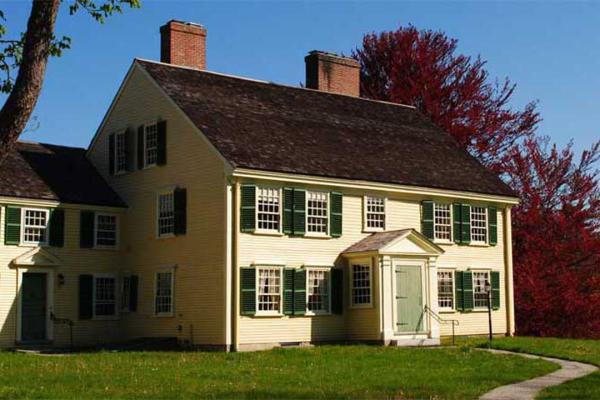
231 Liberty Street
Concord, MA 01742
Major John Buttrick, whose name is now the sake of this homestead, was a fourth generation American whose great-grandfather, William Buttrick, helped establish Concord in 1635. During and after the war, John Buttrick held positions in the military and upheld civic posts during the early days of the American Republic.
751 Lexington Road
Concord, MA 01742
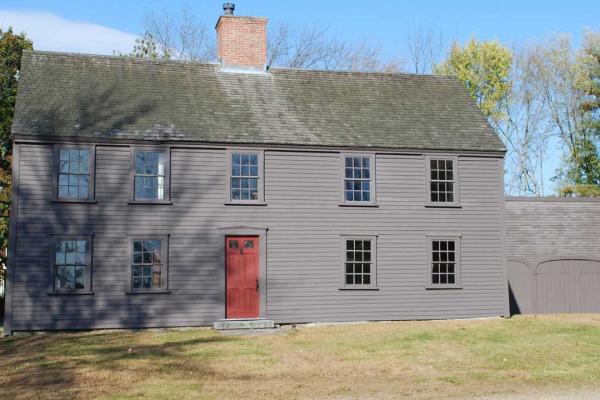
The site of the first known Colonist offensive attack during the Revolution, Meriam's Corner marks where the British column, retreating to Boston, was ambushed by local militias.
1332 Massachusetts Avenue
Lexington, MA 02420
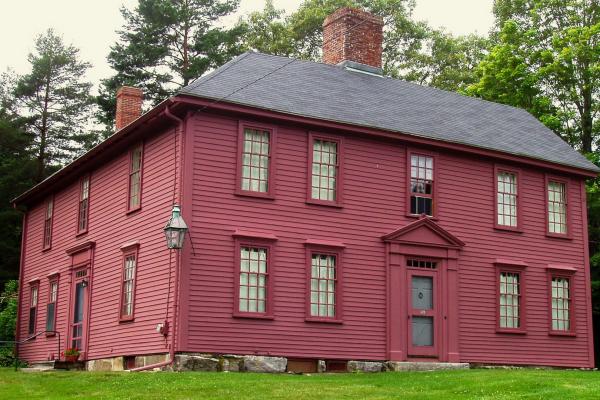
Used by both sides during the Battle of Lexington and Concord, the Munroe Tavern, it was most famously used Hugh Percy during his relief march to aid the retreating British column from Concord.
174 Liberty St
Concord, MA 01742
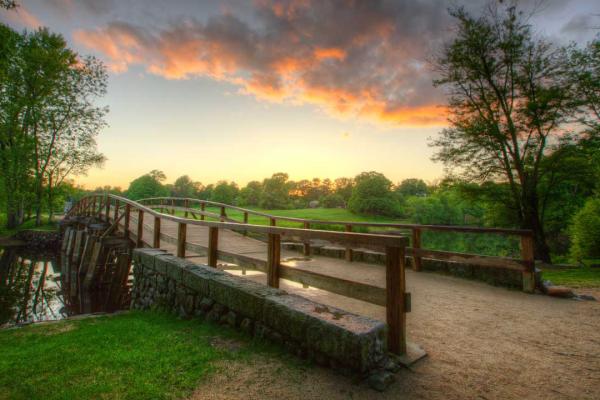
The site of the famous "Shot Heard Around the World," the Old North Bridge served as the flashpoint of the American Revolution. To this day, historians debate who fired the first shot, here, which led to the Battle of Lexington and Concord.
16 Clarke Street
Lexington, MA 02421
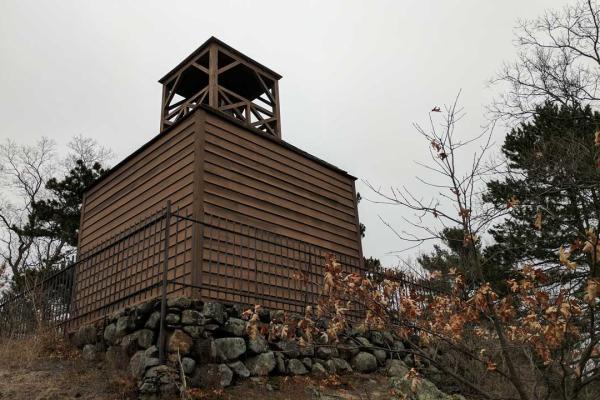
The sound of liberty rang from this bell in the early morning of April 19, 1775, to call forth the Lexington militia. Today, a reconstructed belfry stands as a reminder of the militia's bravery and determination at the Battle of Lexington and Concord.
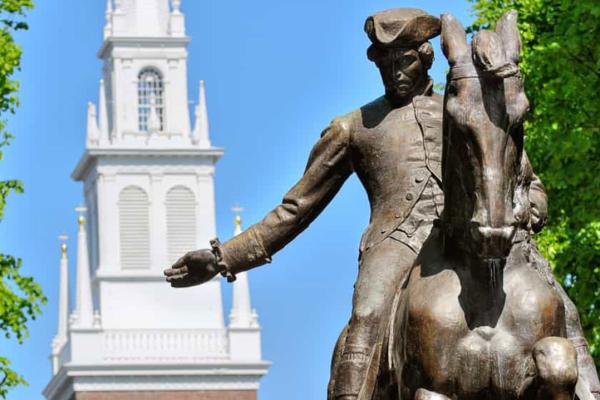
193 Salem St
Boston, MA 02113
The oldest standing church in Boston, it once signaled lookouts in Charlestown, which triggered Paul Revere's famous ride to alert militia of the advancing British Regulars across the Massachusetts countryside.
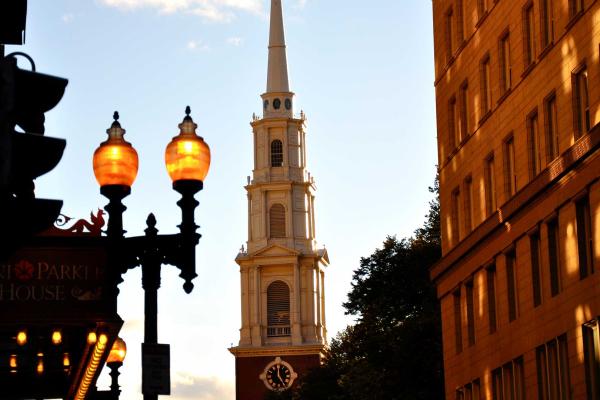
310 Washington Street
Boston, MA 02108
Frequented by many influential figures in Boston's revolutionary history, the Old South Meeting House served as a place of public discourse that contributed to the city's role in the American Revolution
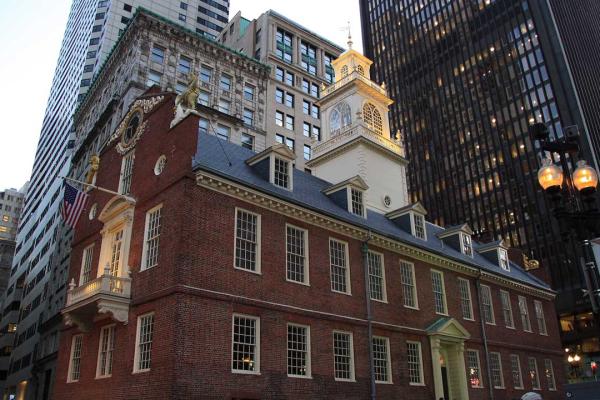
206 Washington Street
Boston, MA 02109
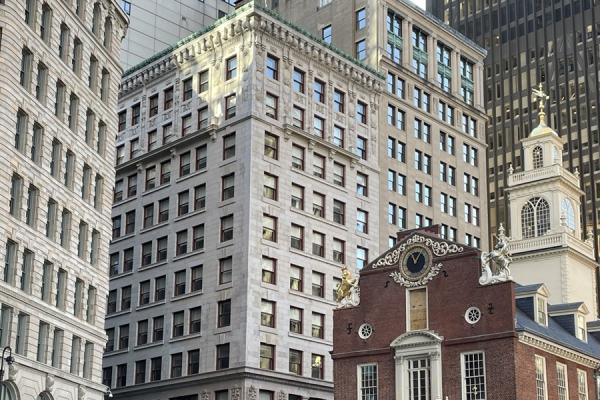
One of the oldest public buildings in the United States, the Old State House was the seat of government in Massachusetts leading up to the Revolution and after the consolidation of the States. Infamously, the Boston Massacre happened just beyond its steps.
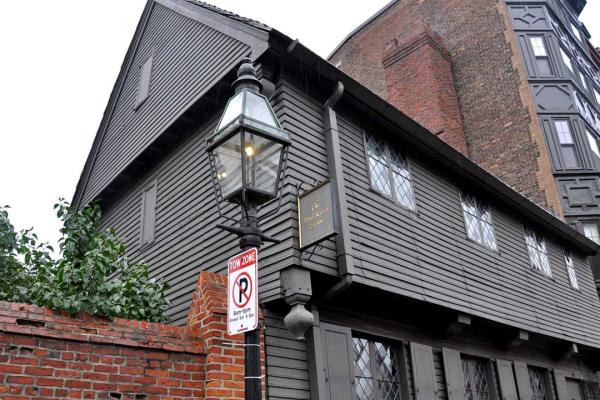
19th North Square
Boston, MA 02113
One of the oldest residential buildings in Boston, this structure was once the home of one-and-only Paul Revere, an avid member of the Sons of Liberty.

Boston, MA 02127
Ensuing the Battle of Lexington and Concord, Patriot forces advanced on Boston, determined to overthrow the British occupation. Fortifying Dorchester Heights, George Washington positioned artillery to force the evacuation of British forces in the city.
2 Lexington Rd
Concord, MA 01742
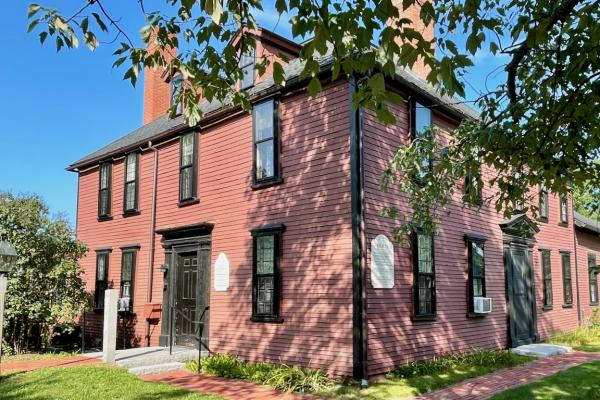
Known by several names over the past two centuries, it is now known as the Wright Tavern, named after its owner during the Battle of Lexington and Concord, Amos Wright.
A proving ground for the Patriot cause, the infamous Battle of Bunker Hill was the first pitched battle between New England soldiers and the British. Although the British claimed the field, some 1,000 British soldiers and Marines were wounded or killed in action.
A monumental structure built in 1742, Faneuil Hall served as one of the most important sites of civic engagement in colonial Boston. Since, it has hosted the likes of revolutionary leaders and dissidents.
The site of the famous "Shot Heard Around the World," the Old North Bridge served as the flashpoint of the American Revolution. To this day, historians debate who fired the first shot, here, which led to the Battle of Lexington and Concord.
This building was the home of the captain of the Lincoln Minutemen, William Smith, who led his men at the Lexington Green on April 19, 1775.
Ensuing the Battle of Lexington and Concord, Patriot forces advanced on Boston, determined to overthrow the British occupation. Fortifying Dorchester Heights, George Washington positioned artillery to force the evacuation of British forces in the city.
One of the bloodiest sites during the Battle of Lexington and Concord, this house saw extensive combat and still bears the scars left behind by the engagement.
The oldest standing church in Boston, it once signaled lookouts in Charlestown, which triggered Paul Revere's famous ride to alert militia of the advancing British Regulars across the Massachusetts countryside.
One of the oldest residential buildings in Boston, this structure was once the home of one-and-only Paul Revere, an avid member of the Sons of Liberty.
The site of the first known Colonist offensive attack during the Revolution, Meriam's Corner marks where the British column, retreating to Boston, was ambushed by local militias.
This home, now known as the "John Quincy Adams Birthplace," was John and Abigail Adams' residence during the Revolutionary War. While John served as a delegate to the Second Continental Congress in Philadelphia, Abigail managed this home and served as an advisor to her husband in his public role.
Frequented by many influential figures in Boston's revolutionary history, the Old South Meeting House served as a place of public discourse that contributed to the city's role in the American Revolution
The sound of liberty rang from this bell in the early morning of April 19, 1775, to call forth the Lexington militia. Today, a reconstructed belfry stands as a reminder of the militia's bravery and determination at the Battle of Lexington and Concord.