Join us in discovering the individuals who shaped the Revolutionary War along The Liberty Trail.
-
The BlogBiographies
-
Videos

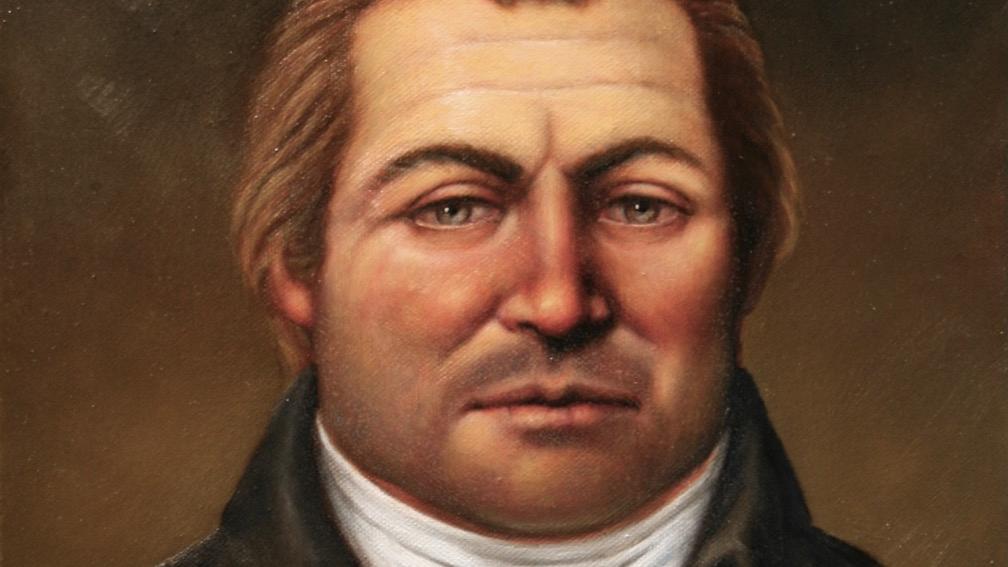
Join us in discovering the individuals who shaped the Revolutionary War along The Liberty Trail.
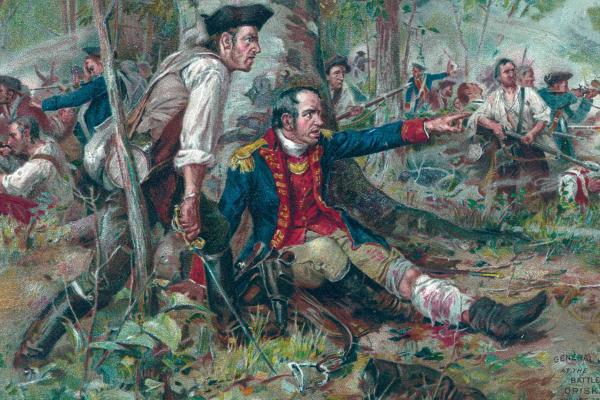
Born in the Mohawk Valley of New York to German immigrants, Herkimer served in both the French & Indian War and the American Revolution, later giving his life to independence at the Battle of Oriskany...
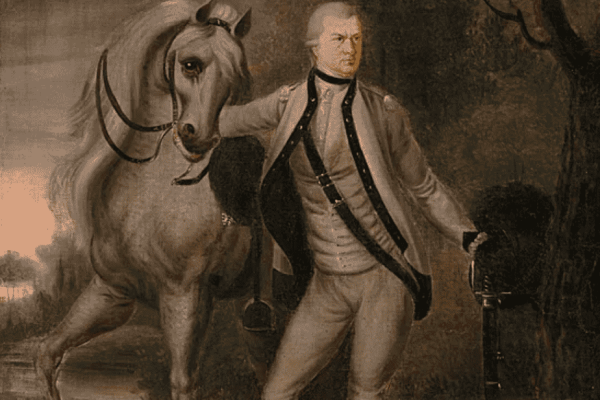
A Huguenot hailing from South Carolina, Horry was one of Marion's most trusted confidants during his campaigns against the British
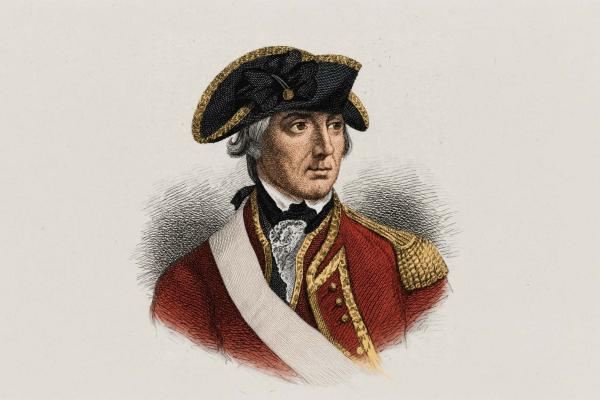
The commander-in-chief of British forces in North America, Howe is now known for his failure to quell the revolution in the colonies during its early years and return loyalty to the British crown.
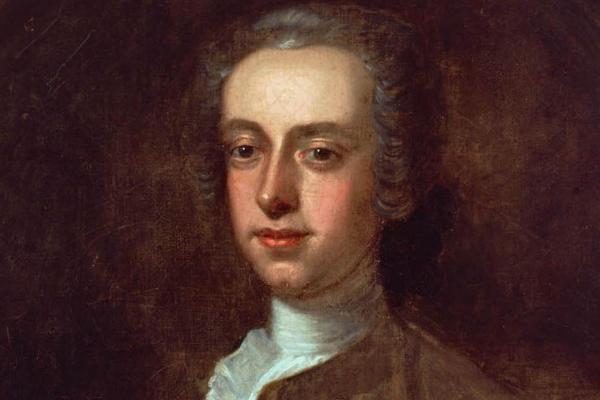
A Loyalist and Massachusetts governor, Hutchinson supported British policies that fueled colonial unrest, such as the Stamp and Tea Acts, leading to events like the Boston Massacre and Boston Tea...
We invite you to visit the preserved locations along the Liberty Trail and to immerse
yourself in the extraordinary events that determined the fate of a nation.
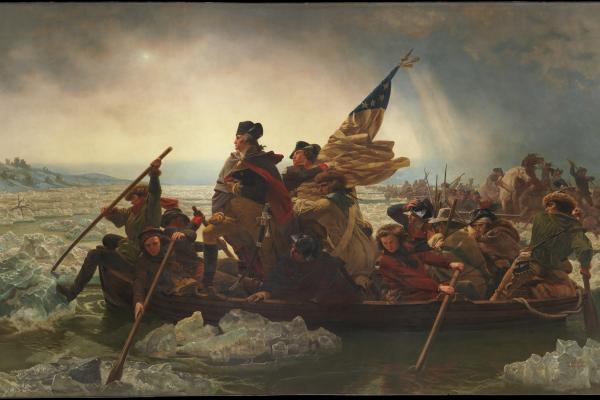
Renowned for Gen. George Washington's daring crossing of the Delaware River on a frigid Christmas night, Trenton marked the start of the Ten Crucial Days—a series of bold victories that reignited hope in the Revolutionary cause.
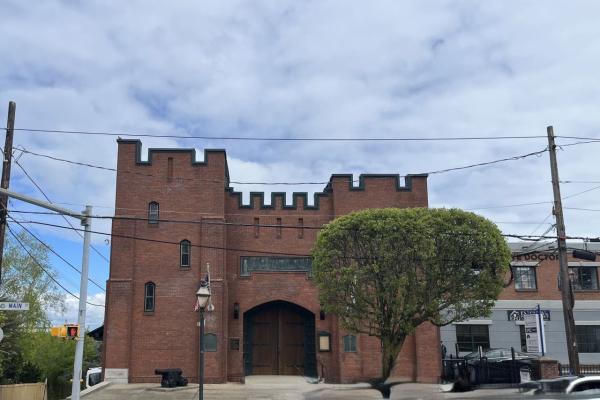
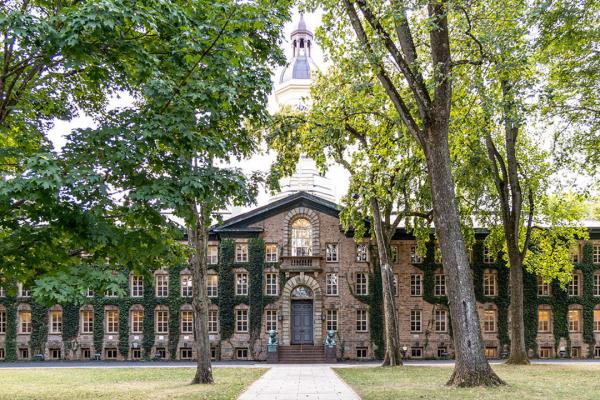
Nassau Hall, once the largest stone building in the colonies, housed the College of New Jersey, now known as Princeton. During the Battle of Princeton in 1777, British troops fortified the building as a last stand defense.
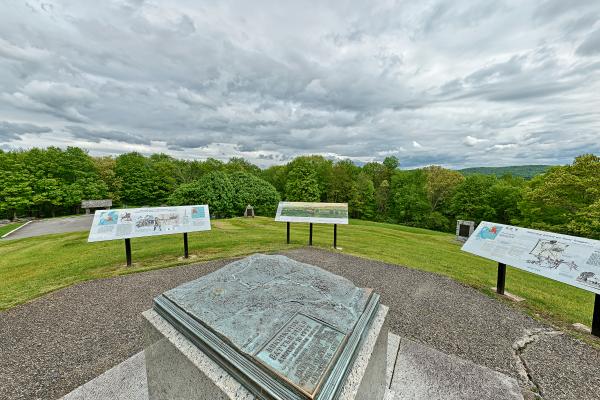
The Battle of Bennington delivered a sharp blow to British plans as American forces overwhelmed a detachment sent to seize vital supplies. This unexpected victory crippled British logistics and boosted Patriot morale, helping set the stage for the larger triumph at Saratoga.

Eighteenth-century Moncks Corner was a crossroads settlement of stores and taverns at the intersection of the Cherokee Path (the Indian traders’ path) and the road from Charleston to Santee. A powder magazine was established in 1760 and the village was occupied as a store depot by the British during the Revolutionary War.
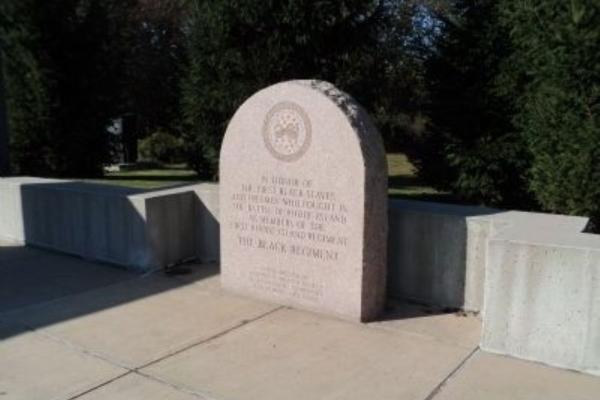
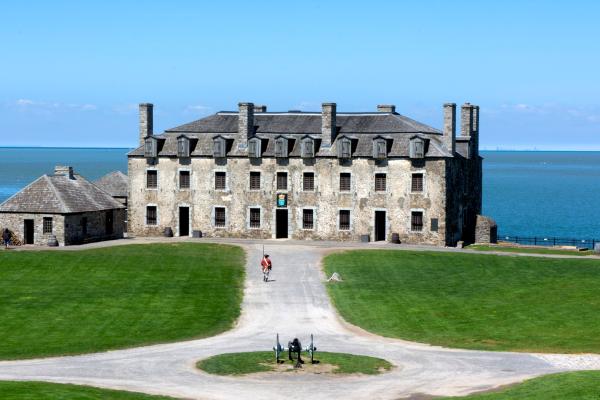
Site of a British command center during the Revolutionary War.
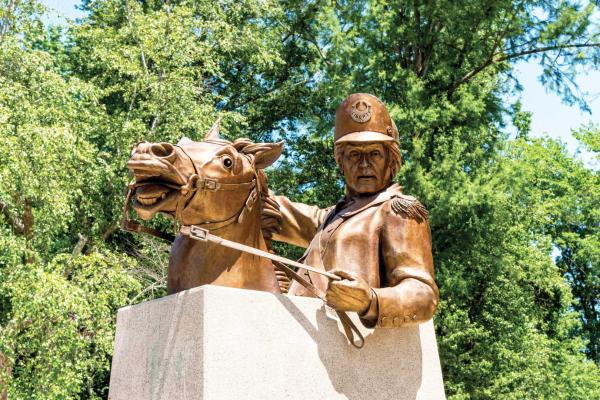
Once a simple ferry site, it gained prominence after Francis Marion, the "Swamp Fox," mustered the Williamsburg militia into his ranks in August of 1780
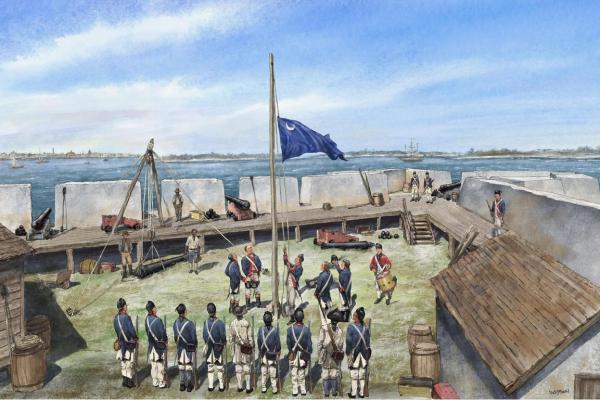
One of the many forts that dotted the landscape around Charleston, Patriots seized this fortification and raised the Moultrie flag, which bears resemblance to the modern standard of South Carolina.
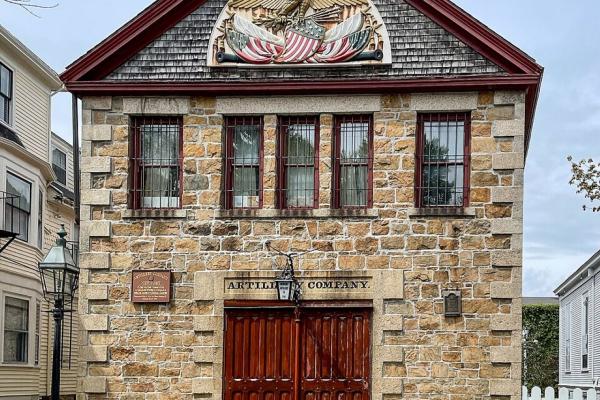
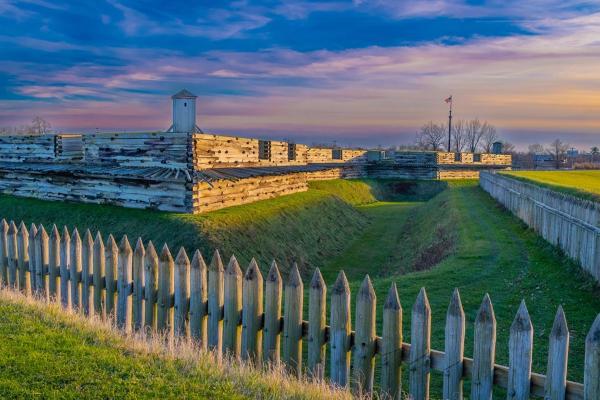
Originally constructed during the French & Indian War, this bastion served as a focal point Burgoyne's campaign to squash Patriot resistance in New York
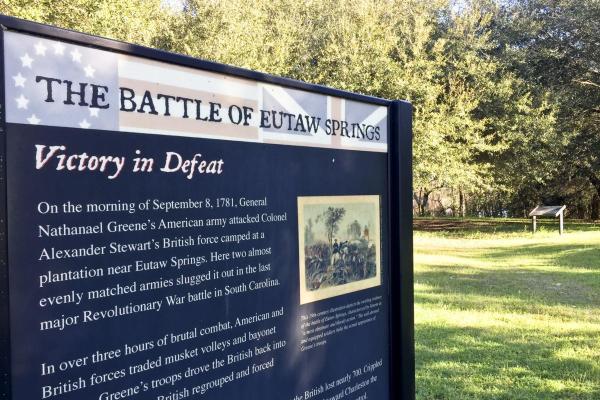
This last major battle of the war in the South succeeded in driving the British out of rural South Carolina.