Join us in discovering the individuals who shaped the Revolutionary War along The Liberty Trail.
-
The BlogBiographies
-
Videos

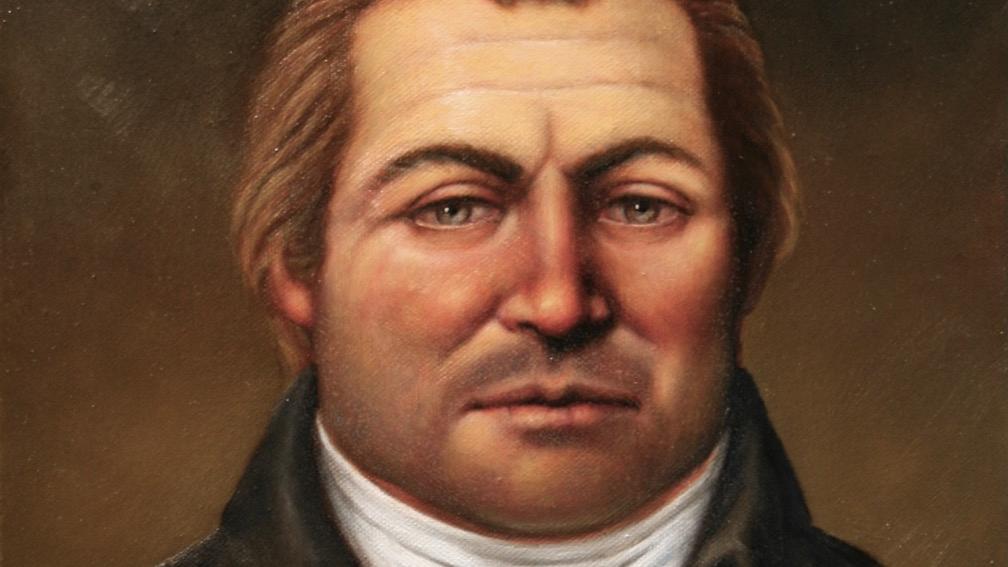
Join us in discovering the individuals who shaped the Revolutionary War along The Liberty Trail.
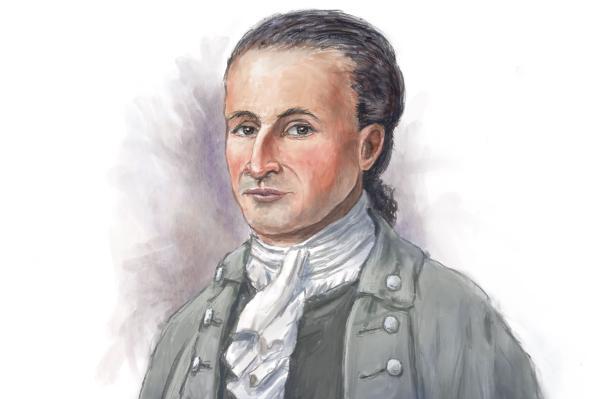
Salvador earned the nickname "Southern Paul Revere" when he rode over 30 miles to warn militia units in the backcountry of South Carolina of an Indian attack.
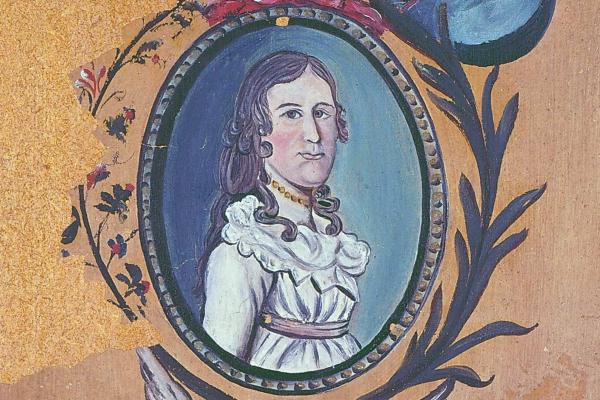
Disguised as a man, Sampson served in the Continental Army during the Revolutionary War, enduring injuries and maintaining her secret identity until 1783, and later became a public figure advocating...
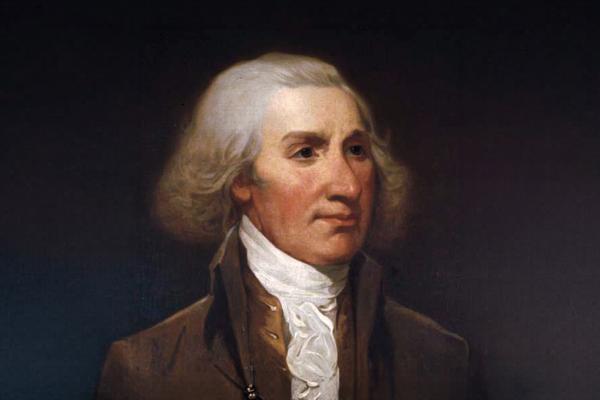
Philip Schuyler was a prominent Revolutionary-era leader whose influence stretched across both military and political life in early America. From the battlefields of the Revolution to the halls of...

A former Revolutionary War captain, he led Shays' Rebellion in protest of economic hardships and oppressive taxation, which ultimately exposed the weaknesses of the Articles of Confederation and...
We invite you to visit the preserved locations along the Liberty Trail and to immerse
yourself in the extraordinary events that determined the fate of a nation.
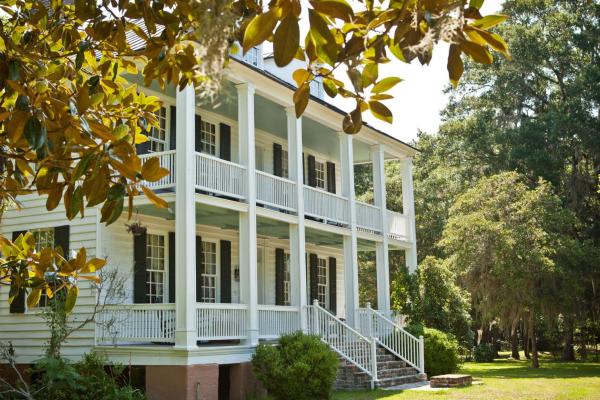
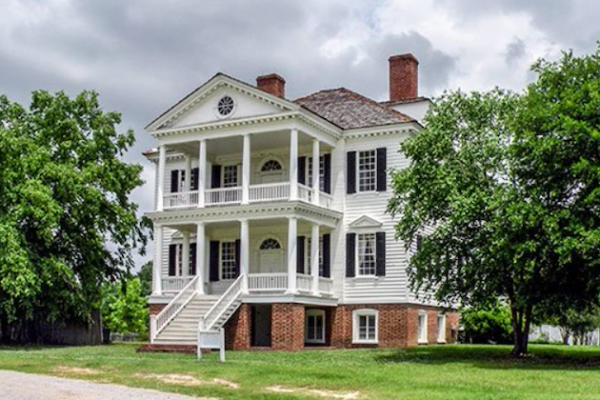
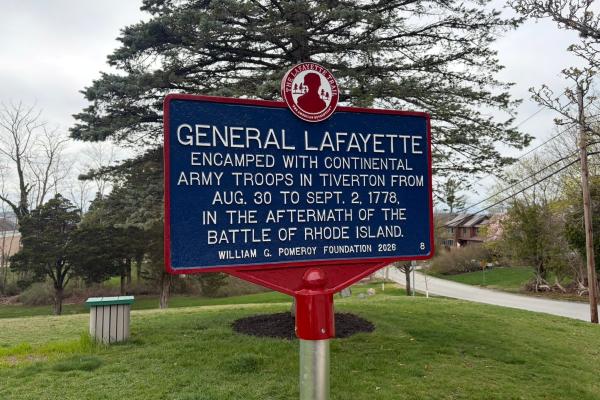
Built circa 1740, Hopsewee Plantation was one of the South’s major rice plantations and the birthplace of Thomas Lynch, Jr., one of the signers of the Declaration of Independence.
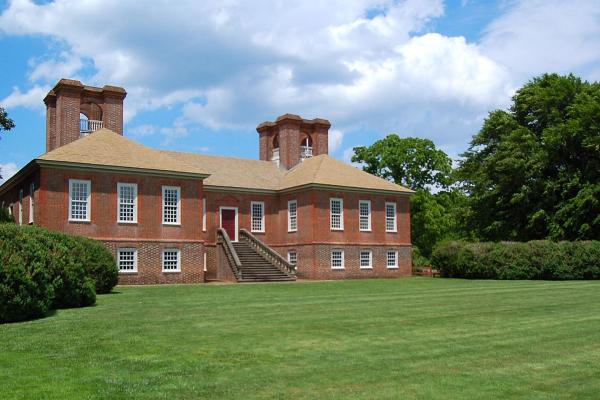
Stratford Hall was home to four generations of the Lee family including Revolutionary War veteran, Henry "Light Horse Harry" Lee, and the only brothers to sign the Declaration of Independence: Richard Henry Lee and Francis Lightfoot Lee. S

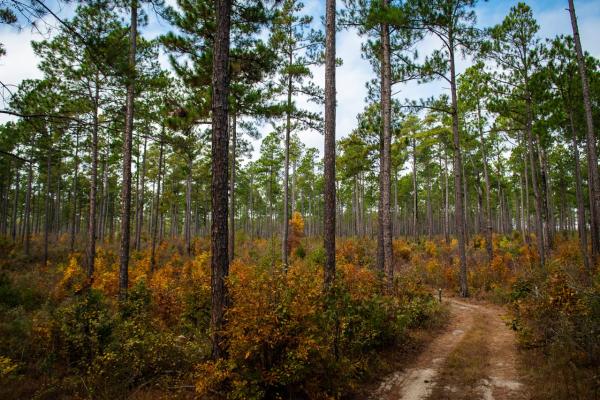
The Francis Marion is a forest literally steeped in history. Marion, dubbed the “Swamp Fox” by the British troops whose supply lines he disrupted with surprise attacks from the swamps.
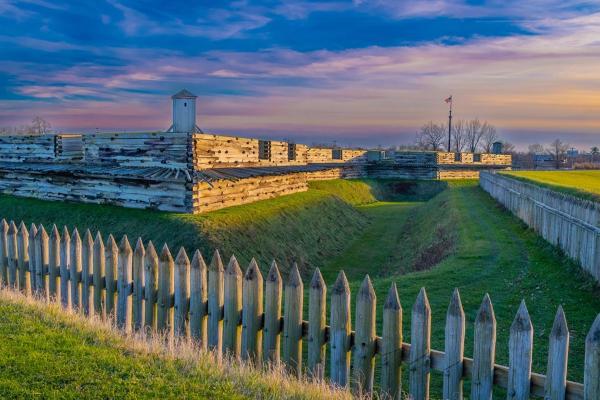
Originally constructed during the French & Indian War, this bastion served as a focal point Burgoyne's campaign to squash Patriot resistance in New York
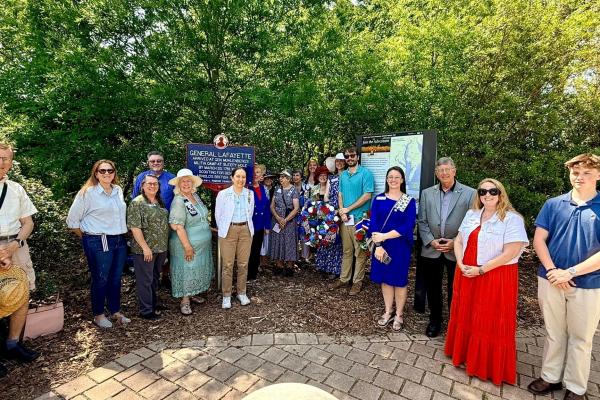
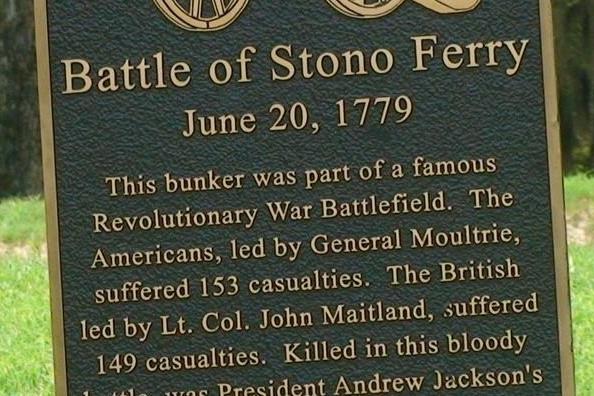
The Patriots launch a misguided attack on British troops retreating from an aborted raid on Charleston
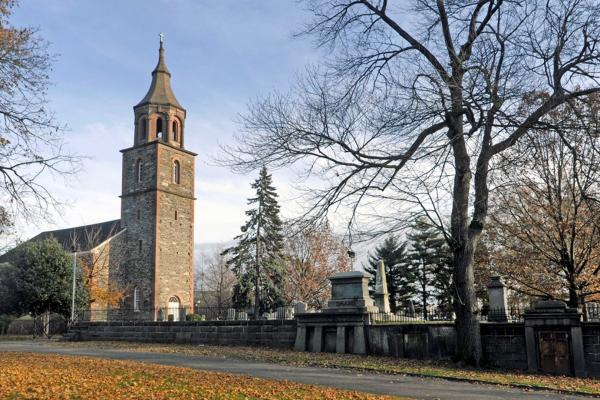
Historic church used as a military hospital after the Battle of Pell's Point.
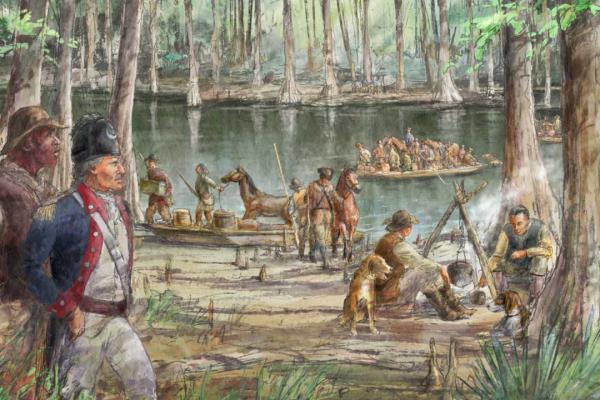
Located along the Great Pee Dee River, Snow's Island served as Francis Marion's favorite refuge for his militia in the swamps of South Carolina
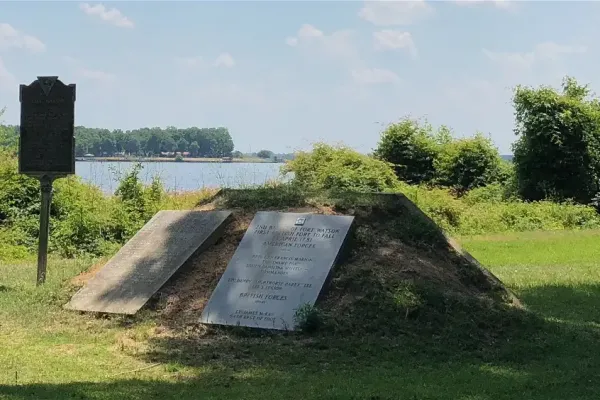
After an eight-day siege, this strategic outpost fell to the Americans, who used an ingenious structure called Maham’s Tower to fire down into the fort and trap the enemy.
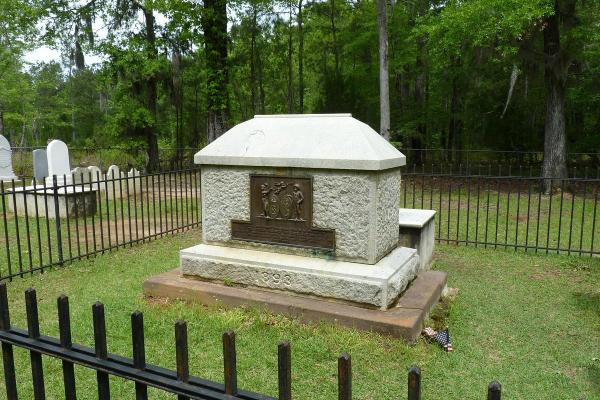
Francis Marion was a skilled military leader during the American Revolutionary War, known for his guerilla tactics and strategic maneuvers in the Southern Campaign. His contributions to the war effort and his enduring legacy as a symbol of American resilience and military ingenuity remain today.
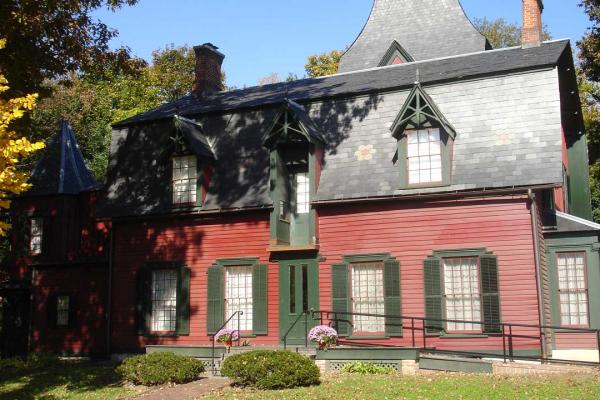
Located in northern New Jersey, the Nathaniel Drake house offers a unique glimpse into life during the American Revolution. Once housing George Washington and his officers in 1777, it proves itself a vital landmark in the state.