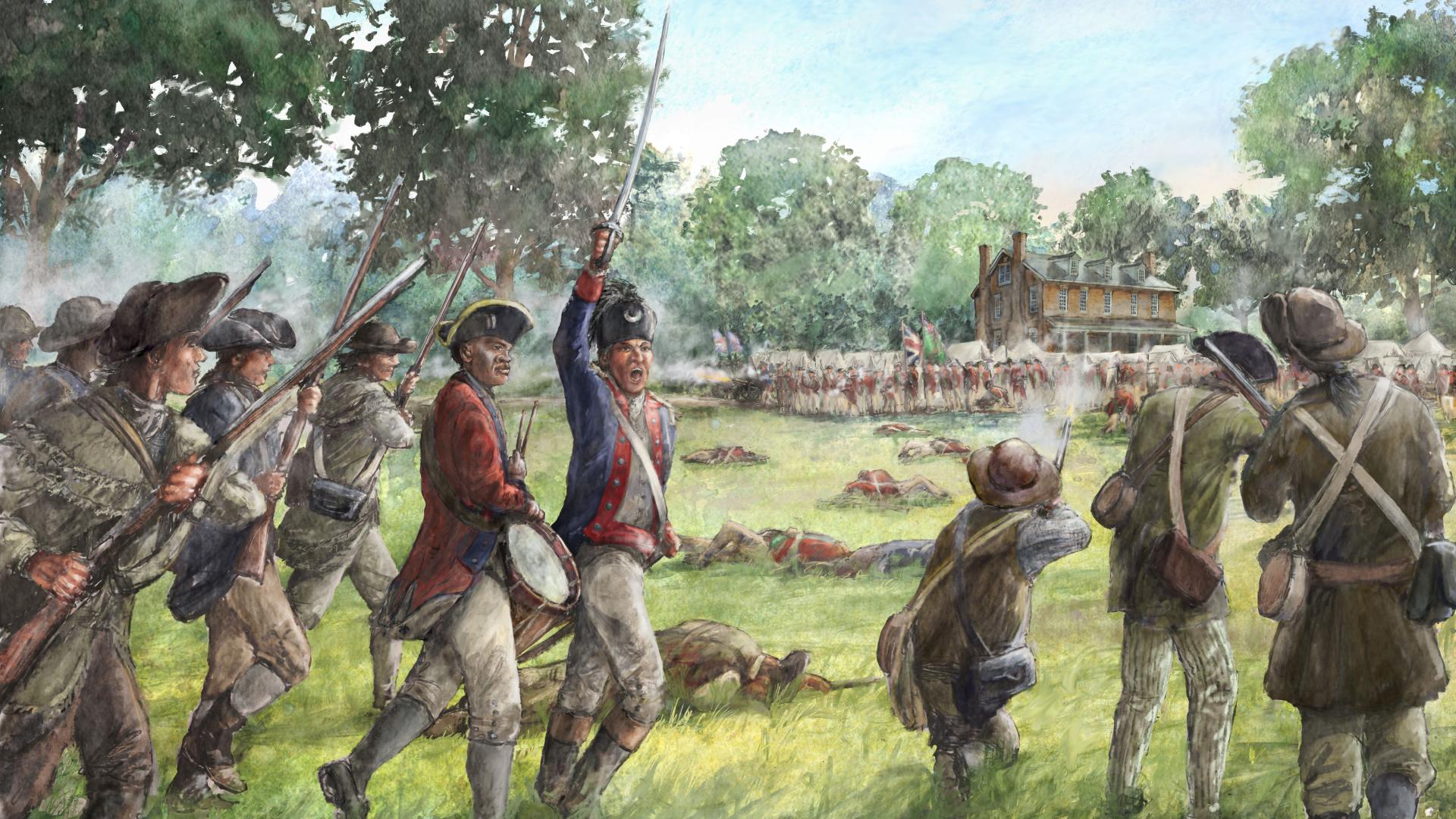
Jim Capers Eutaw Springs
History Along The Trail

The Liberty Trail Story Tellers

The American Revolution was decisively influenced by The Liberty Trail’s diverse terrain, spanning swamps, fields, woods, and mountains. Delve into the narrative of American Independence with blog posts surrounding The Liberty Trail.

States of Interest:
The Blog |

Of all the colonies that suffered during the War for Independence, few endured the brunt of the constant bloodshed in its final years as South Carolina. Contrary to popular convention, much of the...

The Blog |

With a common enemy, backwoods hunters and fighters united to chase down Redcoat Major Patrick Ferguson and his Loyalist army. Trekking more than 300 miles over mountains and rugged terrain, this...

The Blog |

The first President of the United States, George Washington, made his first and only visit to Charleston in May 1791. Although he spent little more than a week in the city, it was a well-remembered...

The Blog |

With more than 200 Revolutionary War battles and skirmishes having taken place in South Carolina, it would be difficult to visit every historical marker and battlefield in the state. For most visitors...

The Blog |

By the time of the Revolutionary War, Francis Marion, best known to history as the Swamp Fox, was acquainted with both conventional and irregular warfare. By then a trained Continental officer who had...

We invite you to visit the preserved locations along the Liberty Trail and to immerse yourself in the extraordinary events that determined the fate of a nation.
Battlefield
Pinewood, SC

McLeroth and his 64th Regiment were escorting 200 recruits from Charleston to Camden when Marion, with about 700 men, surprised them at Halfway Swamp.

Battlefield | National Park
Stillwater, NY

The Battles of Saratoga marked a decisive turning point in the American Revolution, where Patriot forces achieved a stunning victory over a major British army. This triumph not only shattered British momentum but convinced France that the American cause was worth backing, transforming a colonial rebellion into an international war.

Historic Site |
West Point, NY

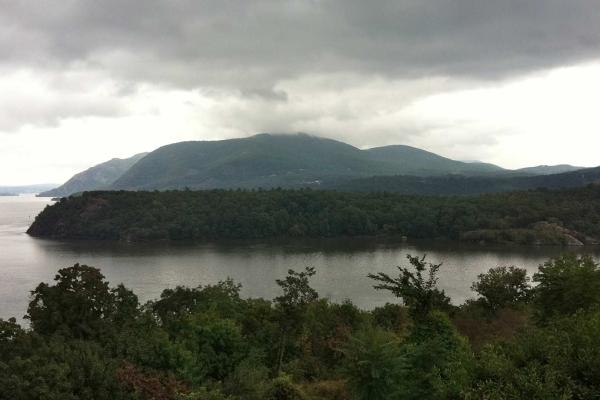
Constitution Island was strategically vital during the Revolutionary War. It anchored the earliest American fortifications in the Hudson Highlands and helped secure Patriot control of the Hudson River.

Historic Site
Sullivan's Island, SC

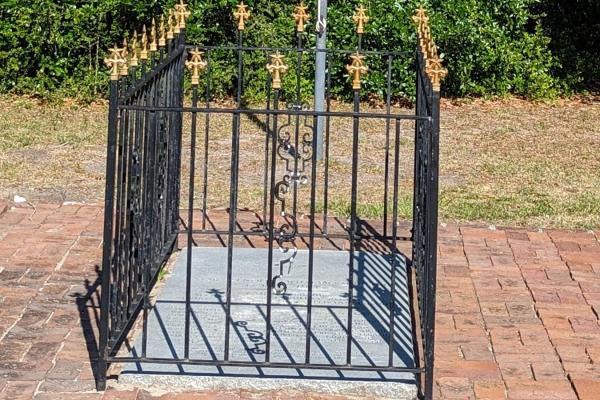
William Moultrie died in 1805 and was buried in the family cemetery. In 1977, his remains were moved to Sullivan's Island within Fort Moultrie.

Historic Site | Fort/Outpost
Newport, RI
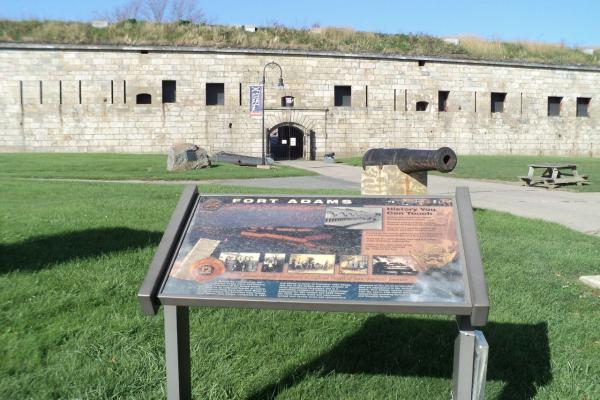
Fort Adams Historical Marker Database Fort Adams, named after President John Adams, is a National Historic Landmark built between 1824 and 1857 and is the United States' most complex coastal...
Battlefield |
New York, NY

At the Battle of Harlem Heights, American forces rallied after earlier defeats and struck back against advancing British troops on northern Manhattan. The clash restored much-needed confidence to the Continental Army and proved the Patriots could stand against Britain’s professional soldiers.

Battlefield | National Park
Ninety Six, SC

The site of the 1775 Battle of Williamson's Fort and a critical outpost for the British after they captured Charleston in 1780, the colonial town of Ninety Six was also the setting of a 28-day siege in 1781. Here, Nathanael Greene’s Patriots attacked the heart of Loyalist commander John Cruger’s defenses — the Star Fort.

Historic Site |
Kingston, NY

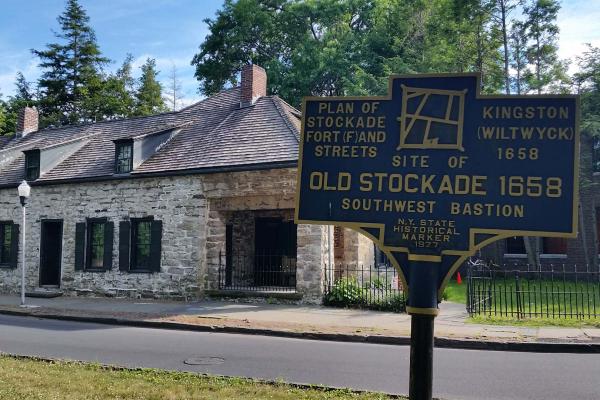
On October 16, 1777, British forces under John Vaughan attacked and burned much of Kingston, New York, then the state’s first capital. Though the raid caused widespread destruction and forced the New York government to flee, it ultimately did little to alter the course of the Revolutionary War.

Historic Site |
Morristown, NJ

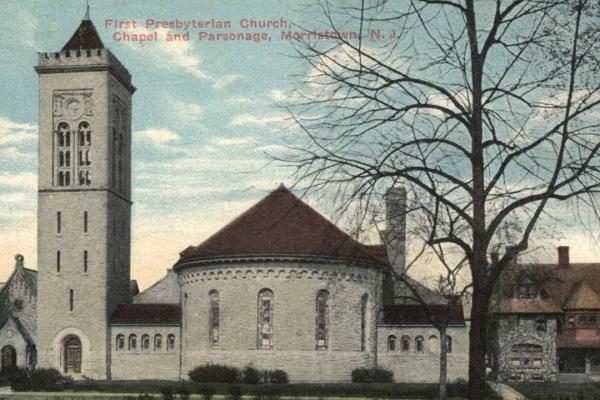
Located along the Morristown Green, the former site of the original First Presbyterian Church once acted as the infirmary for smallpox inoculated Continentals

Historic Site | Historic House
Roebuck, SC

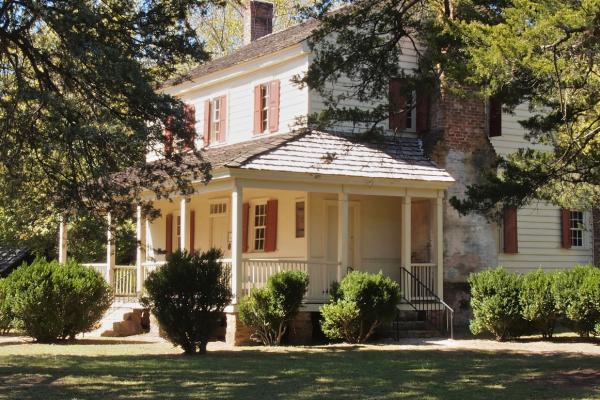
Established in 1767 by the Patriot supporting Moore family. Local militia gathered at Walnut Grove prior to the Battle of Cowpens. Visitors may take guided tours of the house and grounds.

Historic Site |
Newark, NJ
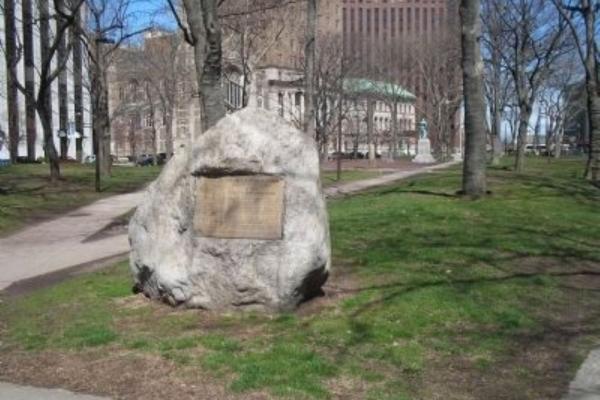
Site of the First Academy of Newark - Burned by the British on January 25, 1780 Historical Marker Database The Academy was founded in 1774. In the winter of 1779–80, American troops used the academy’s...
Historic Site |
Millburn, NJ
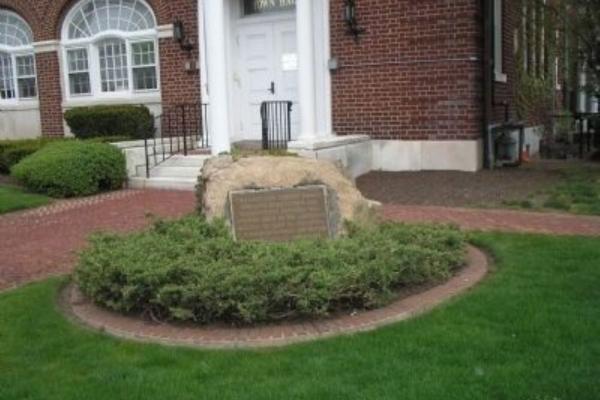
The high-water mark of the invading British army during the Battle of Springfield. Historical Marker Database This marker denotes the high-water mark of the invading British army during the Battle of...