Discover the variety of pristine lakes and waterways throughout the eastern United States, perfect for any boating adventure.
-
The BlogBiographies
-
Videos


Discover the variety of pristine lakes and waterways throughout the eastern United States, perfect for any boating adventure.
There are no results matching your search. Please try again.
We invite you to visit the preserved locations along the Liberty Trail and to immerse
yourself in the extraordinary events that determined the fate of a nation.
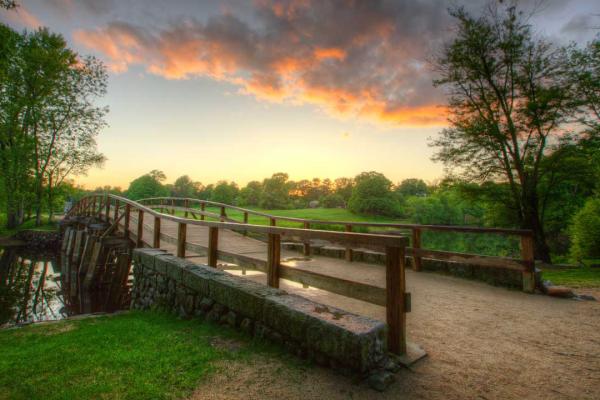
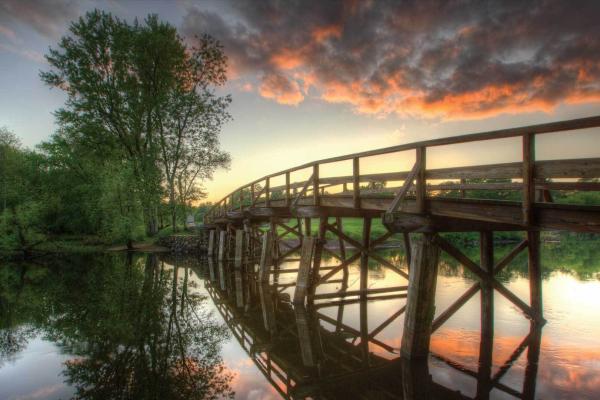
The site of the famous "Shot Heard Around the World," the Old North Bridge served as the flashpoint of the American Revolution. To this day, historians debate who fired the first shot, here, which led to the Battle of Lexington and Concord.
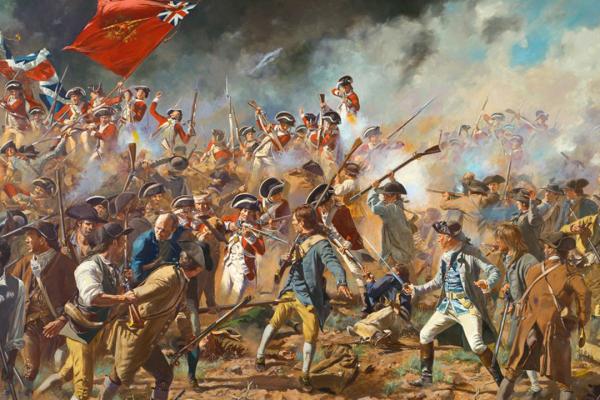
A proving ground for the Patriot cause, the infamous Battle of Bunker Hill was the first pitched battle between New England soldiers and the British. Although the British claimed the field, some 1,000 British soldiers and Marines were wounded or killed in action.
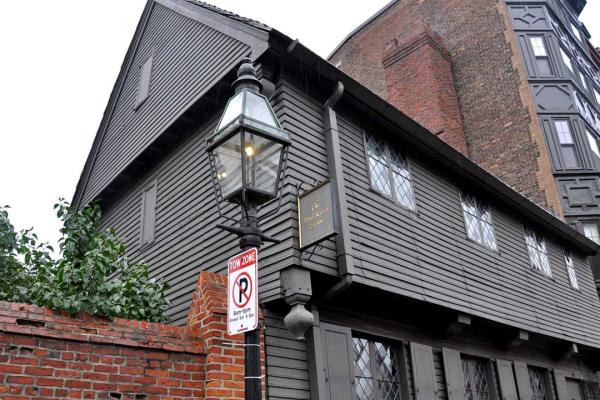
One of the oldest residential buildings in Boston, this structure was once the home of one-and-only Paul Revere, an avid member of the Sons of Liberty.
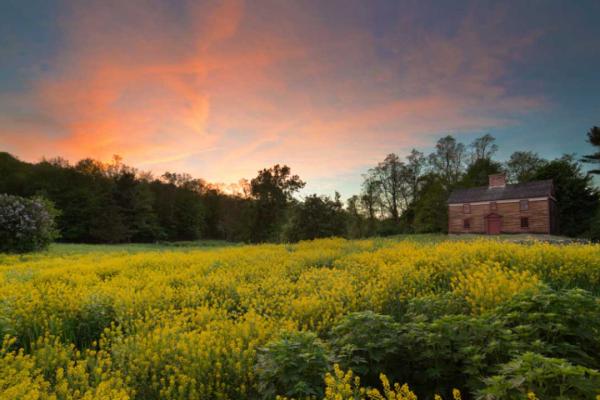
This building was the home of the captain of the Lincoln Minutemen, William Smith, who led his men at the Lexington Green on April 19, 1775.
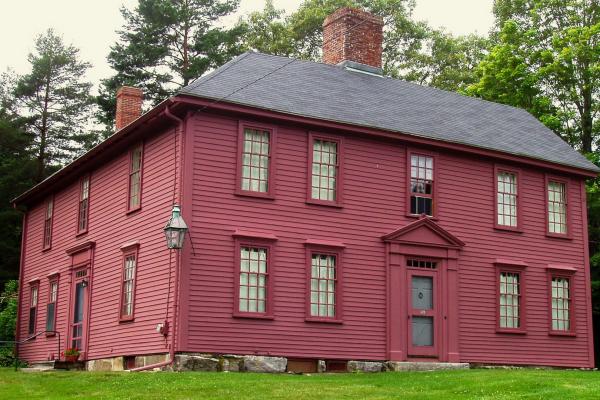
Used by both sides during the Battle of Lexington and Concord, the Munroe Tavern, it was most famously used Hugh Percy during his relief march to aid the retreating British column from Concord.
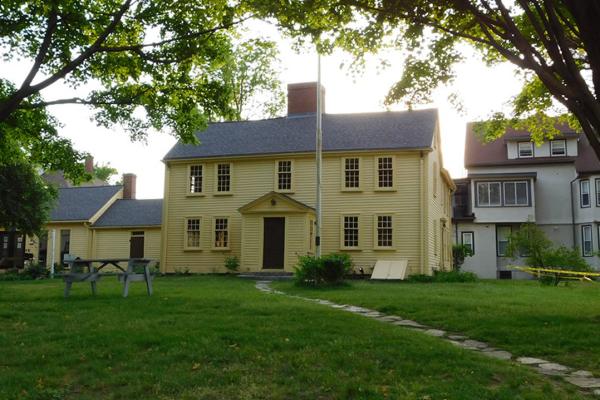
One of the bloodiest sites during the Battle of Lexington and Concord, this house saw extensive combat and still bears the scars left behind by the engagement.
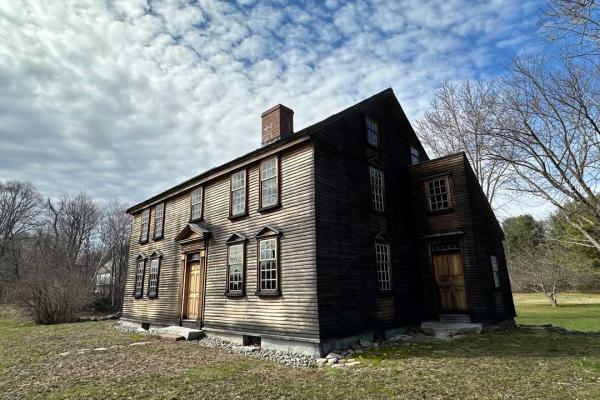
In the days leading up the Battle of Lexington and Concord, James Barrett stored military supplies, including small cannons, from that were smuggled out of Boston amid rising tensions with the British.
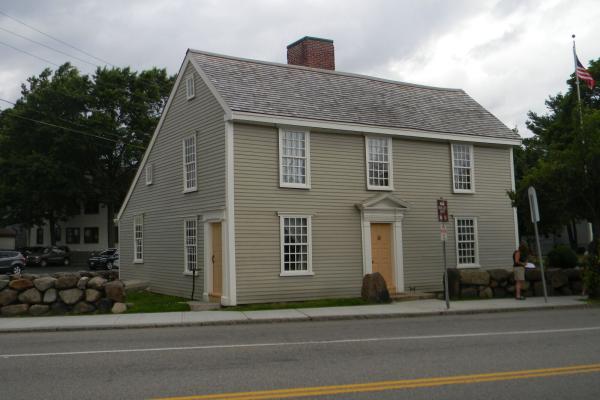
This home, now known as the "John Quincy Adams Birthplace," was John and Abigail Adams' residence during the Revolutionary War. While John served as a delegate to the Second Continental Congress in Philadelphia, Abigail managed this home and served as an advisor to her husband in his public role.
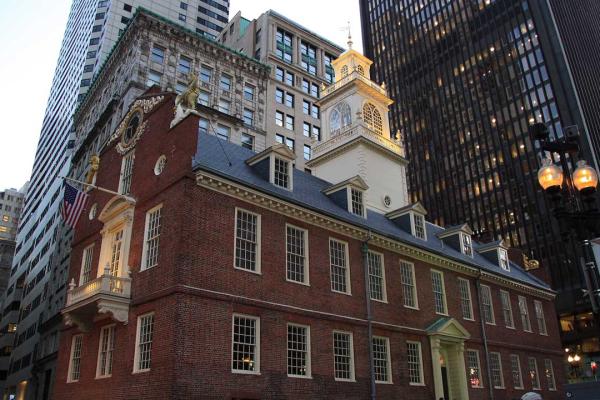
One of the oldest public buildings in the United States, the Old State House was the seat of government in Massachusetts leading up to the Revolution and after the consolidation of the States. Infamously, the Boston Massacre happened just beyond its steps.
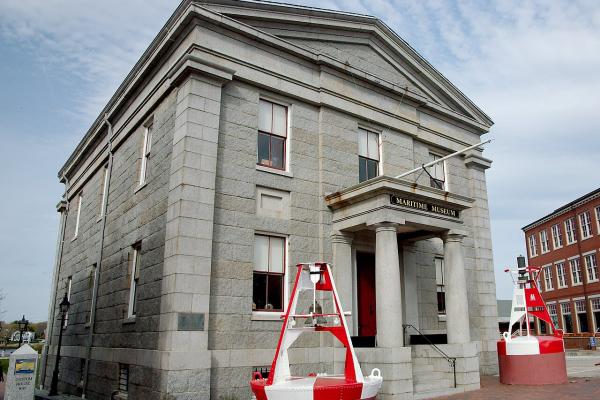
Once an influential shipbuilding center, Newburyport now houses the Custom House Maritime Museum, which interprets the region's naval history.
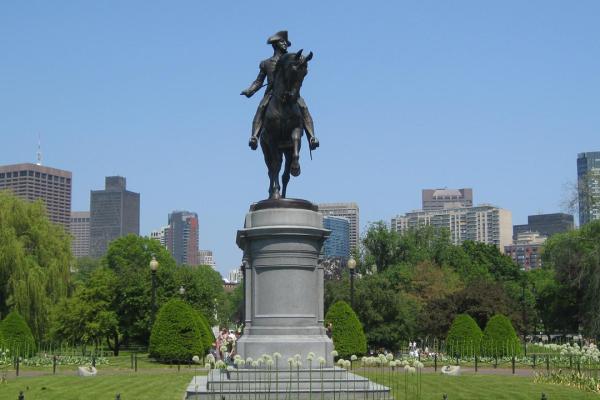
Once the training ground for British troops in Boston, it was from here that Regulars marched toward Lexington & Concord, sparking the American Revolution.
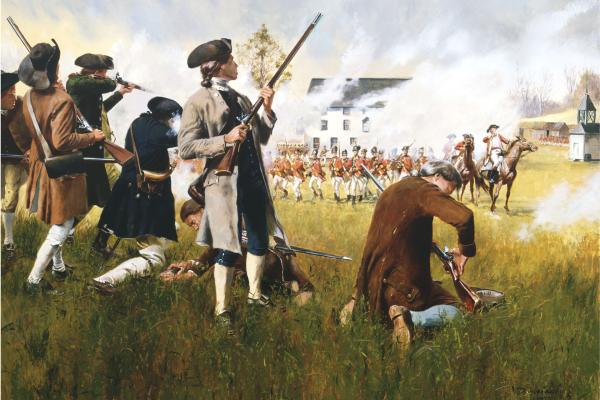
At dawn on April 19, 1775, an unknown shot shattered the silence in Lexington. British Redcoats and colonial militia clashed, leaving blood on the field. In Concord, the patriots struck back, and as the British retreated, gunfire hounded them to Boston, thus sparking the American Revolution