Escape to the great outdoors and get away from it all in your favorite type of camping adventure—from tents to RVs.
-
The BlogBiographies
-
Videos


Escape to the great outdoors and get away from it all in your favorite type of camping adventure—from tents to RVs.
There are no results matching your search. Please try again.
We invite you to visit the preserved locations along the Liberty Trail and to immerse
yourself in the extraordinary events that determined the fate of a nation.
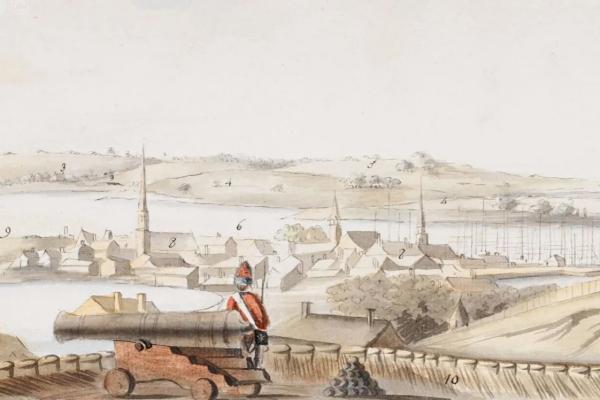
The second engagement of the Boston Campaign, the Battle of Chelsea Creek marked a stunning defeat for the British as their resources began to dwindle in Boston.
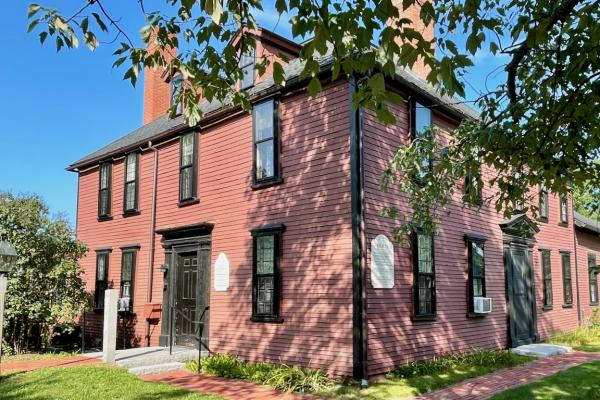
Known by several names over the past two centuries, it is now known as the Wright Tavern, named after its owner during the Battle of Lexington and Concord, Amos Wright.
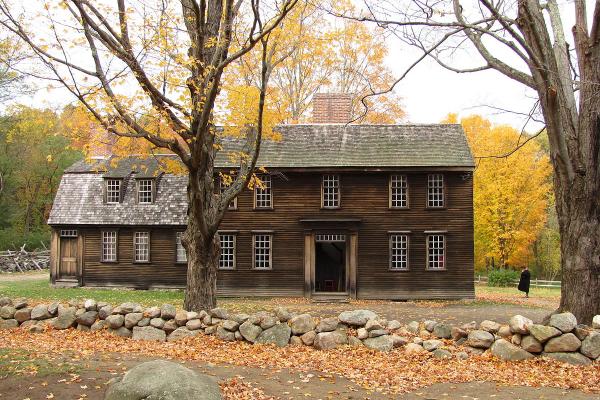
Located near where Paul Revere was captured during his famous ride, one of Revere's compatriots was able to escape and alert Hartwell family, who continued to raise the alarm about the advancing British troops.

A monumental structure built in 1742, Faneuil Hall served as one of the most important sites of civic engagement in colonial Boston. Since, it has hosted the likes of revolutionary leaders and dissidents.
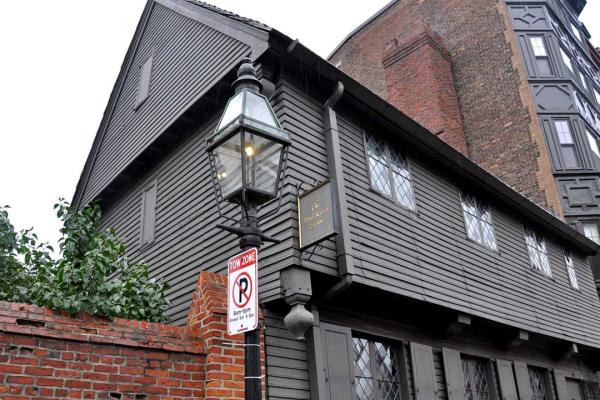
One of the oldest residential buildings in Boston, this structure was once the home of one-and-only Paul Revere, an avid member of the Sons of Liberty.
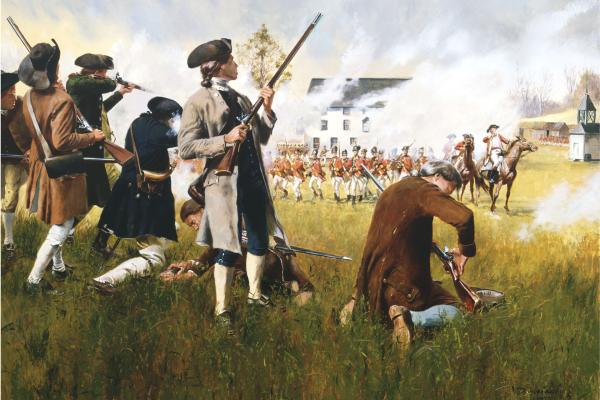
At dawn on April 19, 1775, an unknown shot shattered the silence in Lexington. British Redcoats and colonial militia clashed, leaving blood on the field. In Concord, the patriots struck back, and as the British retreated, gunfire hounded them to Boston, thus sparking the American Revolution
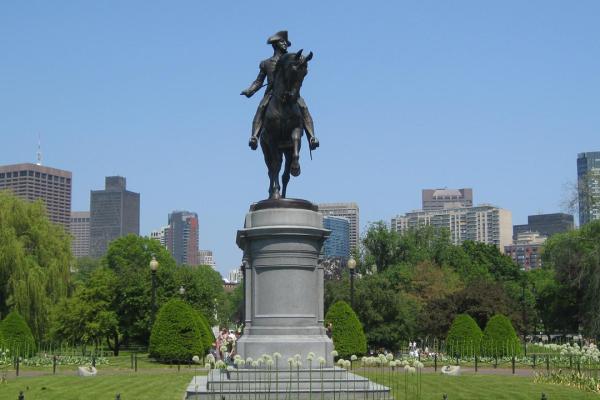
Once the training ground for British troops in Boston, it was from here that Regulars marched toward Lexington & Concord, sparking the American Revolution.
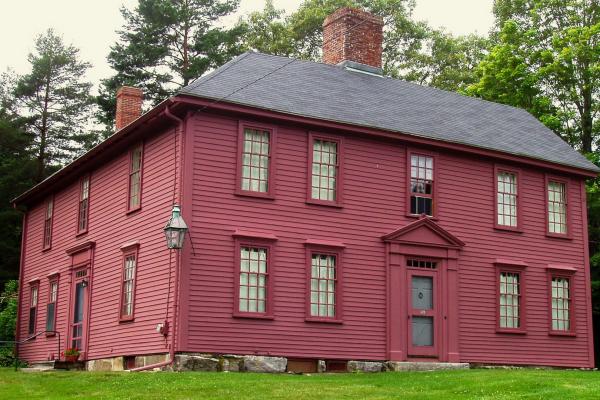
Used by both sides during the Battle of Lexington and Concord, the Munroe Tavern, it was most famously used Hugh Percy during his relief march to aid the retreating British column from Concord.
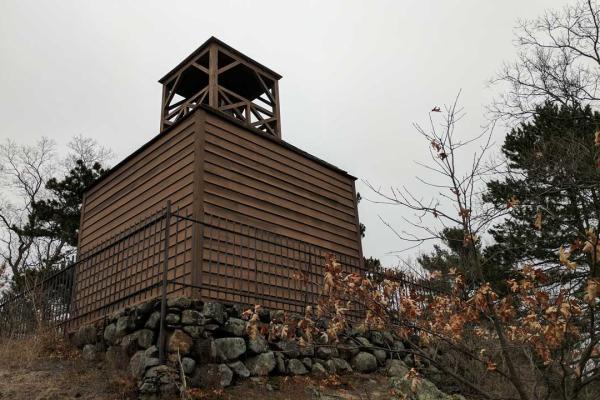
The sound of liberty rang from this bell in the early morning of April 19, 1775, to call forth the Lexington militia. Today, a reconstructed belfry stands as a reminder of the militia's bravery and determination at the Battle of Lexington and Concord.
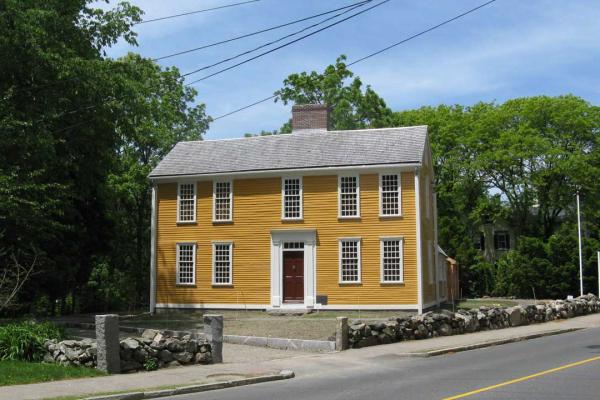
In the early twilight hours of April 19, 1775, Paul Revere rode by this house to warn its occupants, Samuel Adams and John Hancock, of the impending British raids. Already known for their revolutionary sentiments, Adams and Hancock fled to avoid capture.
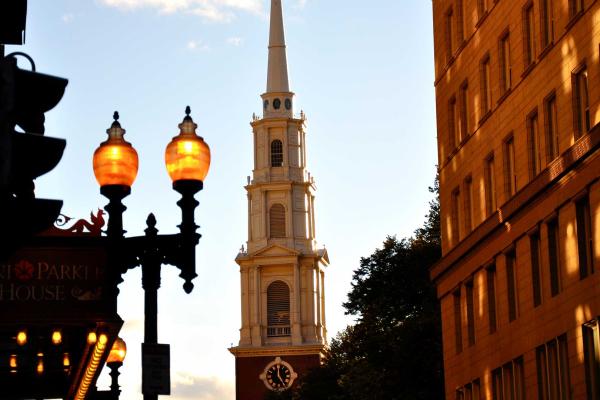
Frequented by many influential figures in Boston's revolutionary history, the Old South Meeting House served as a place of public discourse that contributed to the city's role in the American Revolution
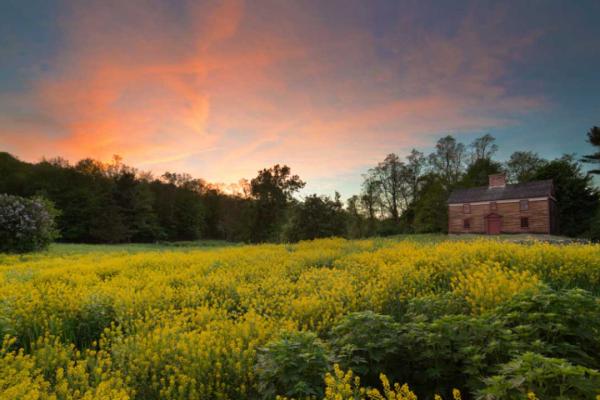
This building was the home of the captain of the Lincoln Minutemen, William Smith, who led his men at the Lexington Green on April 19, 1775.