-
The BlogBiographies
-
Videos

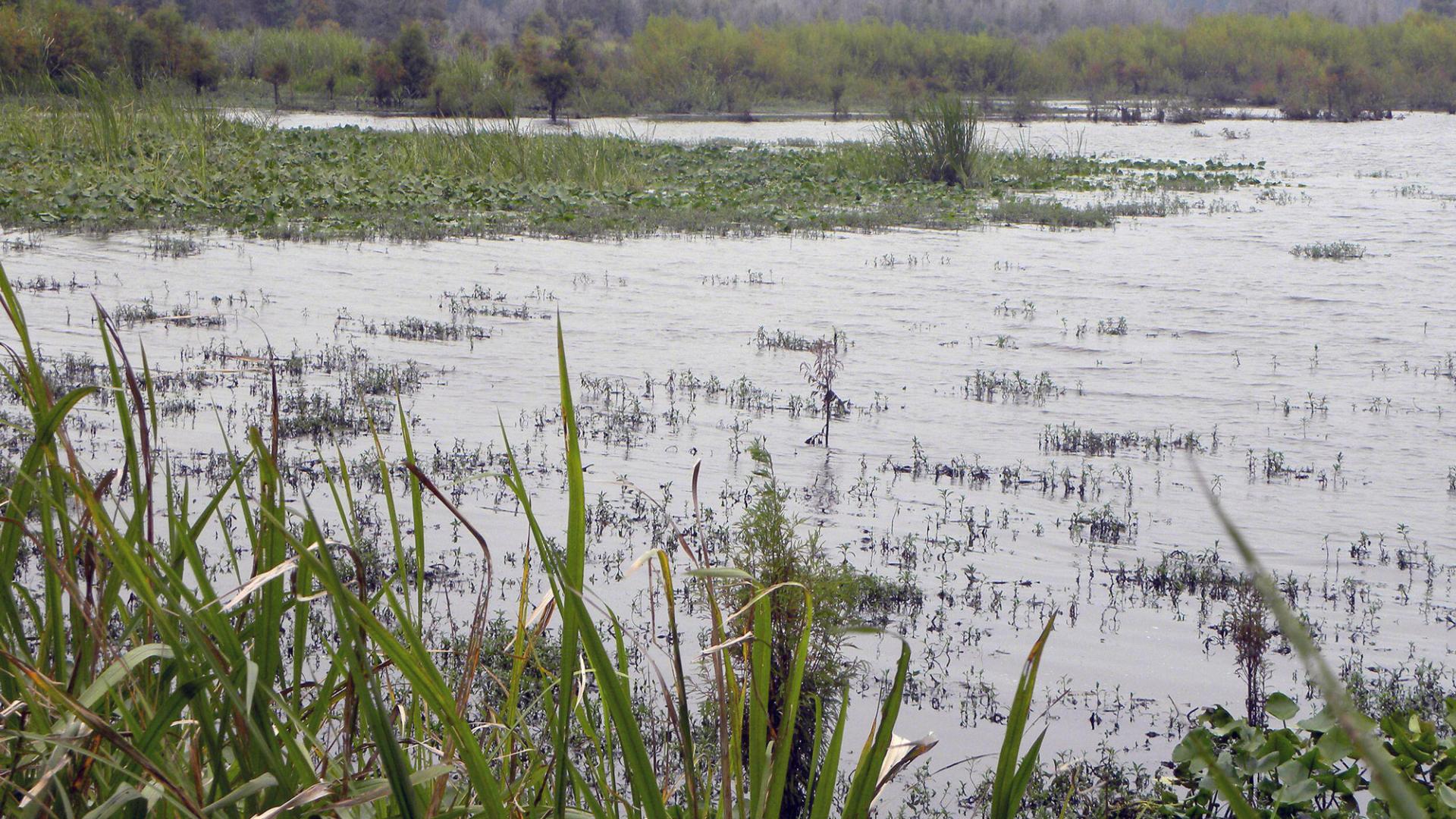
Located within the Santee Wildlife Refuge, this was the last major battle of the war in South Carolina.


National wildlife refuges offer us all a chance to unplug from the stresses of daily life and reconnect with our natural surroundings. Santee NWR offers both outdoor recreation pursuits and opportunities to learn about our cultural history. Make Santee NWR your destination to see wildlife, hike and bike, hunt, fish and enjoy boating. Visit the historic Santee Indian mound which was used as a British Garrison during the Revolutionary War.
Seasonal opportunities for hunting White-tailed deer are available at the Bluff, Cuddo, and Pine Island Units of the refuge. Hunters from all over the state come out to the woods of Santee in the hopes of harvesting a deer or feral hog. No alligator hunting or waterfowl hunting permitted within refuge boundaries. Be sure of your location and the refuge boundary when hunting on the waters of Lake Marion.
Both hunting and fishing are permitted, subject to state, federal and refuge regulations. Fishing and hunting regulations and permits are available at the refuge office and from our website at no cost to visitors. The permit must be signed and in you possession while conducting these activities on the refuge.
Plan to bring insect repellent during warm months and wear layered clothing during cool weather.
Visit the Santee National Wildlife Refuge to learn more.
The Visitor Center is open Tuesday through Friday from 8:00 am - 4:00 pm. Most refuge trails and grounds are open sunrise to sunset. At the Center, pick up refuge maps and brochures before heading out onto the trails. Forget your binoculars and field guides? No worries. Pick up a "loaner" backpack that has binoculars and guides you can use while you explore and enjoy the refuge.
Wildlife observation is one of the primary public uses of National Wildlife Refuges. Getting out and learning to identify wildlife species in their native habitat can be very exciting and rewarding. The refuge has 2 observation towers (Bluff Unit and Dingle Pond Unit) as well as several other areas that are great for spotting wildlife. It is recommended that visitors bring a pair of binoculars and a field guide when visiting the refuge, but in case you forget, stop by the visitor center, and take advantage of the loaner program the refuge has available.
The four units on the refuge each offer a variety of outdoor recreation activities for the refuge visitor. The Visitor Center and the Santee Indian Mound-Fort Watson site are found at the Bluff Unit. Hiking the Wright’s Bluff Nature Trail gives visitors a chance to observe a variety of wildflowers, songbirds, small mammals and reptiles. The north side of this trail, along Cantey Bay, is a great place to observe wading birds, Canada Geese, shorebirds and other wetland species. An observation platform and a 15-foot observation tower provide opportunities to view wildlife.
Home to a 350 acre Carolina Bay, Dingle Pond is a unique “depressional” wetland typically fed by rain and natural springs. This area is home to a variety of wildlife species some of which are unique to Carolina Bays. A one-mile dirt trail is open for hiking and provides access to an observation tower overlooking the bay.