Trail Sites

Liberty Trail Historic Sites

Discover the myriad of sites across The Liberty Trail where significant cultural and Revolutionary history unfolded. From military ruins to meticulously restored mansions, immerse yourself in the footsteps of our nation’s history-makers.

States of Interest:

Liberty Trail History Makers

The Revolutionary War was a war unlike any other — one of ideas and ideals, that shaped “the course of human events. Explore the history and personalities from this pivotal time in American history.
Biography

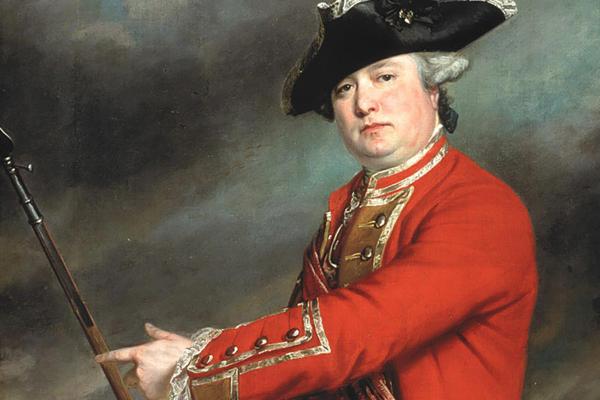
A British Army officer who served in key conflicts including the French and Indian War and the American Revolution, Gate became Governor of Massachusetts and commander-in-chief of North America, overseeing events like the Battles of Lexington and Concord before being recalled to England in 1775.

Exploring History
We invite you to visit the preserved locations along the Liberty Trail and to immerse yourself in the extraordinary events that determined the fate of a nation.
Battlefield
Concord, MA

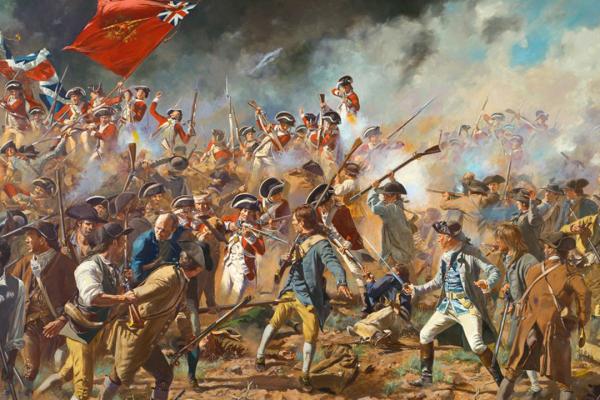
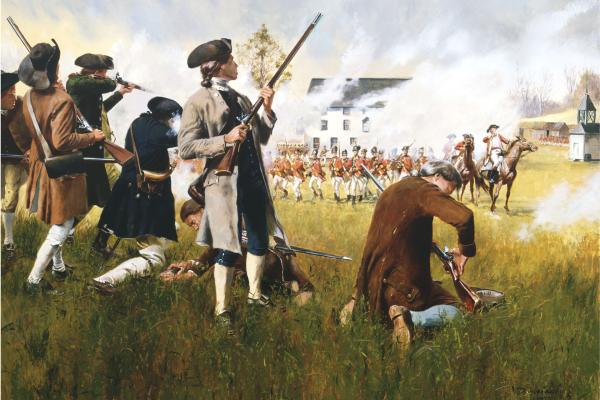
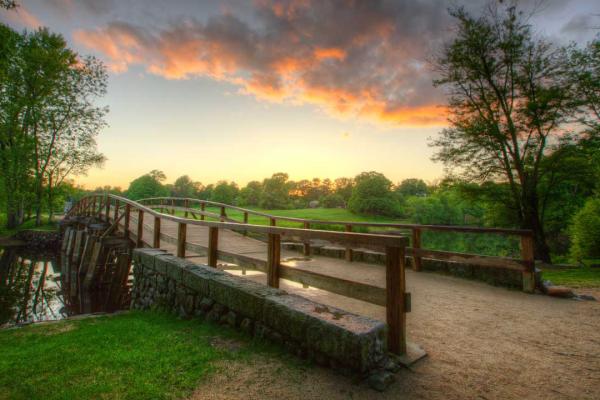
At dawn on April 19, 1775, an unknown shot shattered the silence in Lexington. British Redcoats and colonial militia clashed, leaving blood on the field. In Concord, the patriots struck back, and as the British retreated, gunfire hounded them to Boston, thus sparking the American Revolution

National Park | Historic House
Lincoln, MA

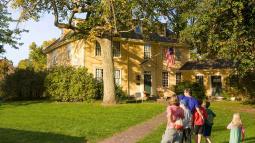
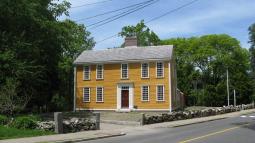
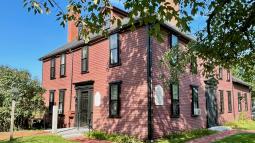
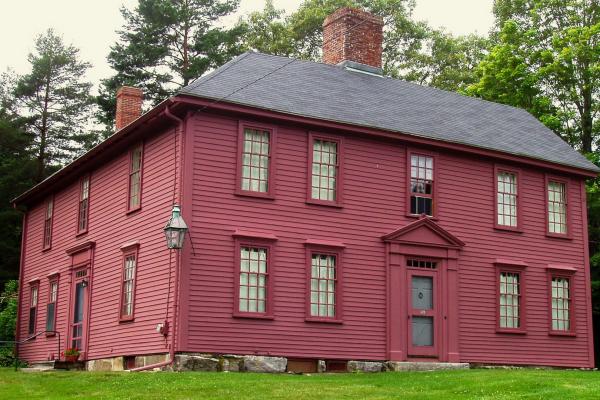
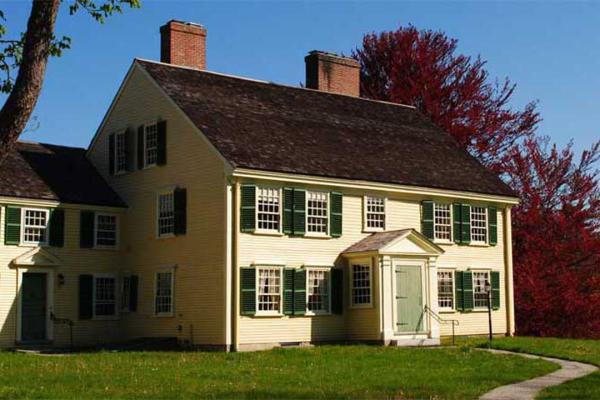
This building was the home of the captain of the Lincoln Minutemen, William Smith, who led his men at the Lexington Green on April 19, 1775.

Battlefield
Boston, MA

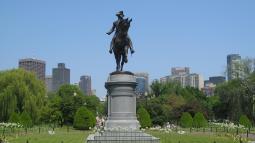
Ensuing the Battle of Lexington and Concord, Patriot forces advanced on Boston, determined to overthrow the British occupation. Fortifying Dorchester Heights, George Washington positioned artillery to force the evacuation of British forces in the city.

National Park | Historic House
Lincoln, MA

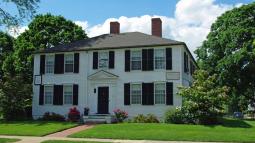
Located near where Paul Revere was captured during his famous ride, one of Revere's compatriots was able to escape and alert Hartwell family, who continued to raise the alarm about the advancing British troops.

Historic Site | Historic House
Lexington, MA

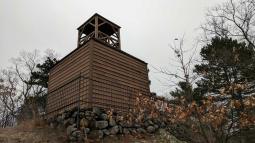
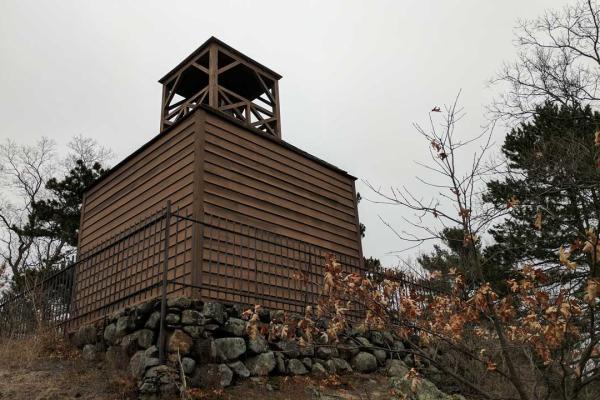
The sound of liberty rang from this bell in the early morning of April 19, 1775, to call forth the Lexington militia. Today, a reconstructed belfry stands as a reminder of the militia's bravery and determination at the Battle of Lexington and Concord.

Historic Site |
Boston, MA

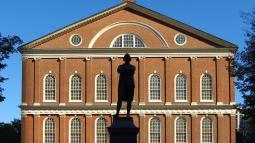
A monumental structure built in 1742, Faneuil Hall served as one of the most important sites of civic engagement in colonial Boston. Since, it has hosted the likes of revolutionary leaders and dissidents.

National Park | Historic House
Concord, MA

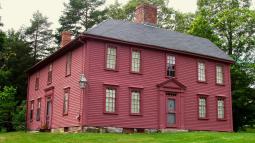
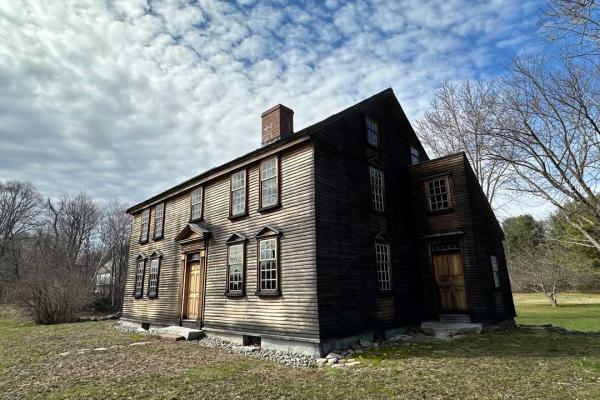
In the days leading up the Battle of Lexington and Concord, James Barrett stored military supplies, including small cannons, from that were smuggled out of Boston amid rising tensions with the British.

Historic Site | Historic House
Arlington, MA

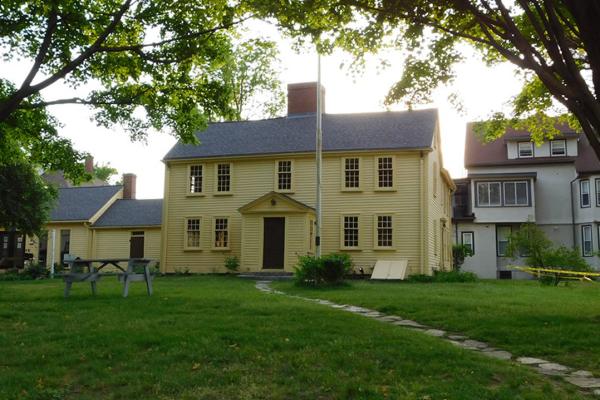
One of the bloodiest sites during the Battle of Lexington and Concord, this house saw extensive combat and still bears the scars left behind by the engagement.

Historic Site | Historic House
Lexington , MA

Waiting on British troops to arrive on the morning of April 19, militia members used this tavern to wait for their arrival before assembling on the field of battle and sparking the American Revolution

Historic Site | State/County Park
Boston, MA

Once the training ground for British troops in Boston, it was from here that Regulars marched toward Lexington & Concord, sparking the American Revolution.

Historic Site | Historic House
Lexington, MA

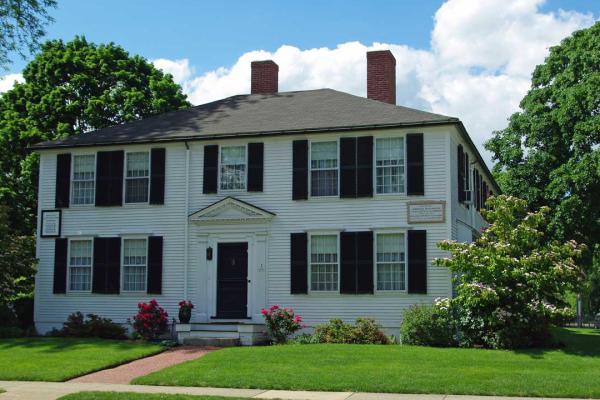
Used by both sides during the Battle of Lexington and Concord, the Munroe Tavern, it was most famously used Hugh Percy during his relief march to aid the retreating British column from Concord.

Historic Site |
Boston, MA

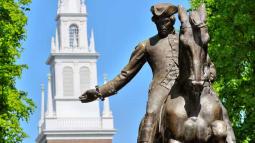
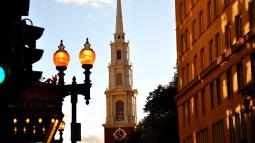
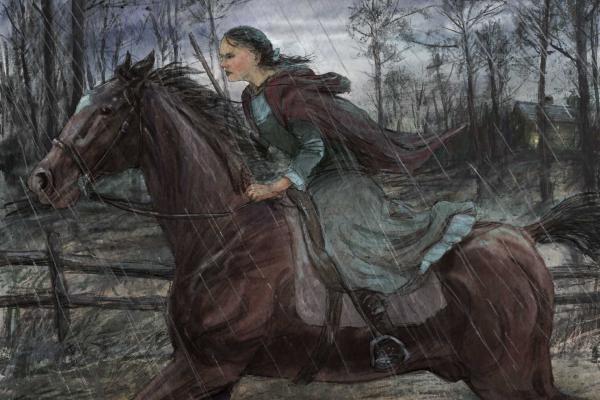
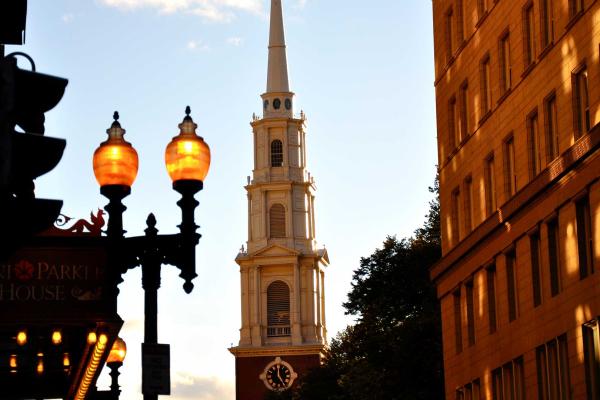
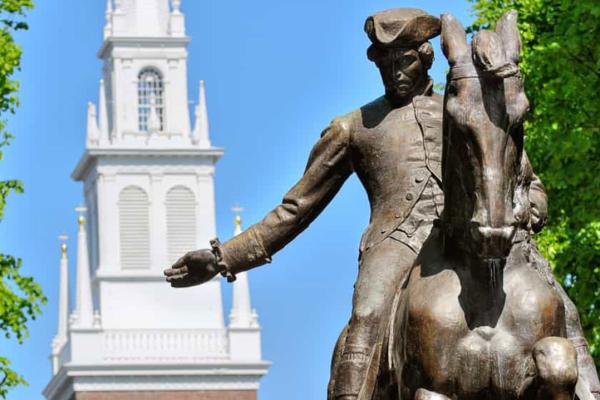
The oldest standing church in Boston, it once signaled lookouts in Charlestown, which triggered Paul Revere's famous ride to alert militia of the advancing British Regulars across the Massachusetts countryside.