Discover places where history comes to life and learn what life was like in Colonial times
in North America.
-
The BlogBiographies
-
Videos

Discover places where history comes to life and learn what life was like in Colonial times
in North America.
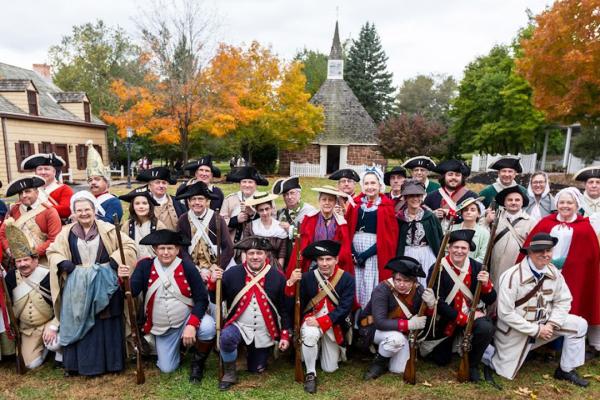
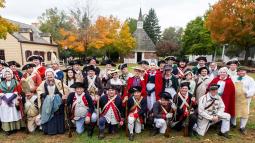
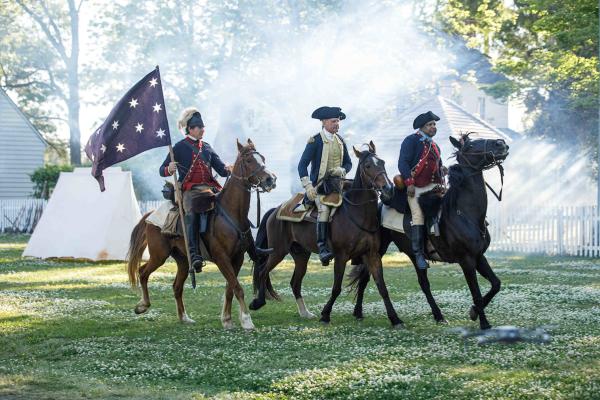
Living Historians interpret the grounds and bring life to the park Wednesday through Sunday from the months of April to October. Keep an eye out for Continentals and Loyalists, who both make their...
We invite you to visit the preserved locations along the Liberty Trail and to immerse
yourself in the extraordinary events that determined the fate of a nation.
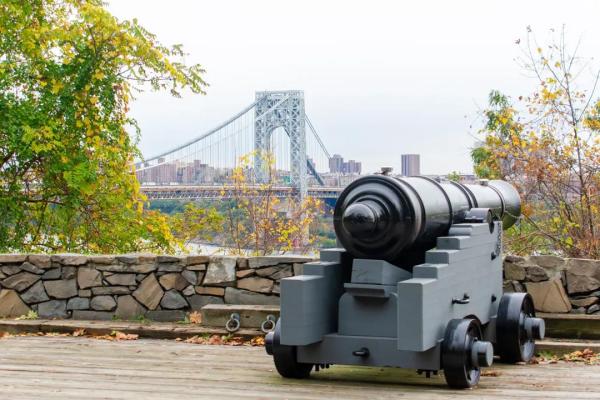
Located along the banks of the Hudson, outnumbered Patriot forces quickly evacuated this site on November 20, 1776, as the British army advanced on their position.
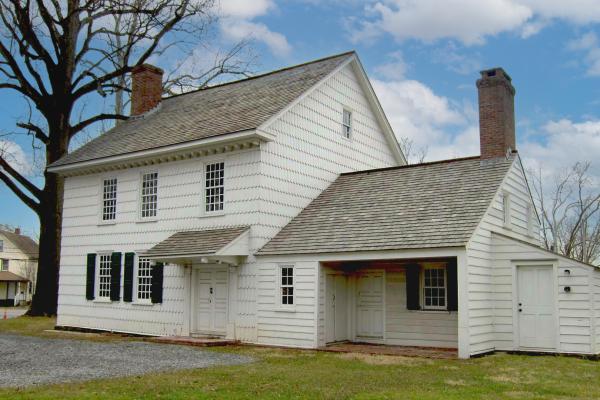
This unassuming home, owned by the Covenhoven family, was requisitioned by British General Henry Clinton in the days prior to the monumental Battle of Monmouth.
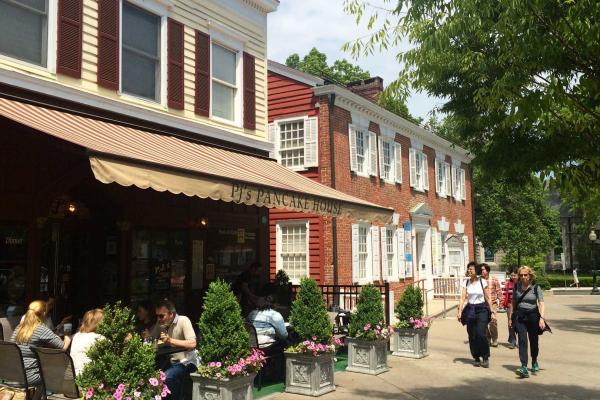
A hidden gem in the borough of Princeton, the Bainbridge House was constructed in the mid-1760s and stands as a hallmark of colonial architecture. Today, it acts as a museum and interpretive center.
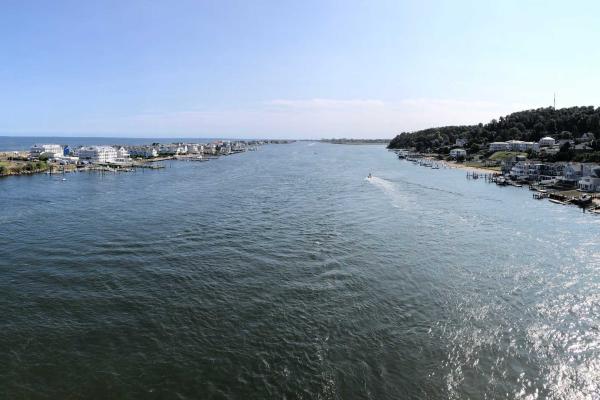
In September 1780, Loyalist Colonel Tye captured Patriot captain Joshua Huddy after a fierce struggle. A Patriot ambush capsized their boat, allowing Huddy to escape while Tye suffered a wound that would prove fatal.
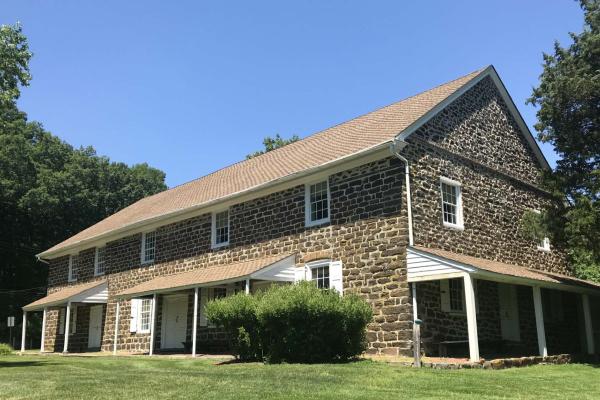
A precursor movement to the Battle of Monmouth, this Quaker meeting house was surrounded by the encampment of British troops under Alexander Leslie in mid-June of 1778.
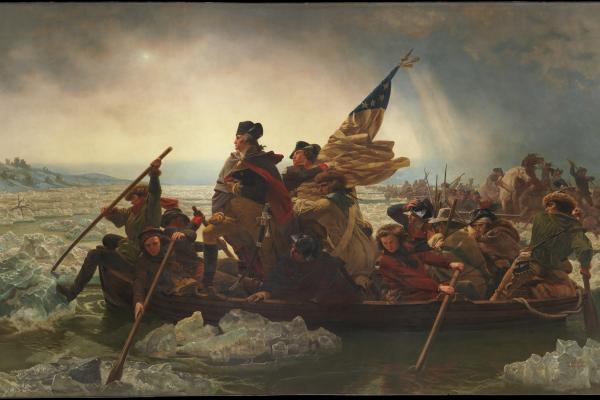
Renowned for Gen. George Washington's daring crossing of the Delaware River on a frigid Christmas night, Trenton marked the start of the Ten Crucial Days—a series of bold victories that reignited hope in the Revolutionary cause.
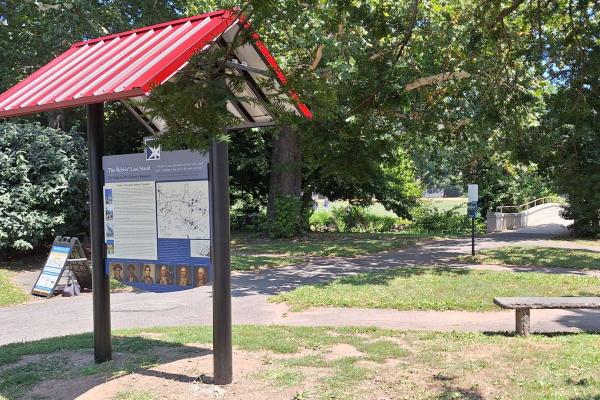
Site of one of the last contested battles of the Revolution's northern theater that protected Washington's encampment at Morristown.
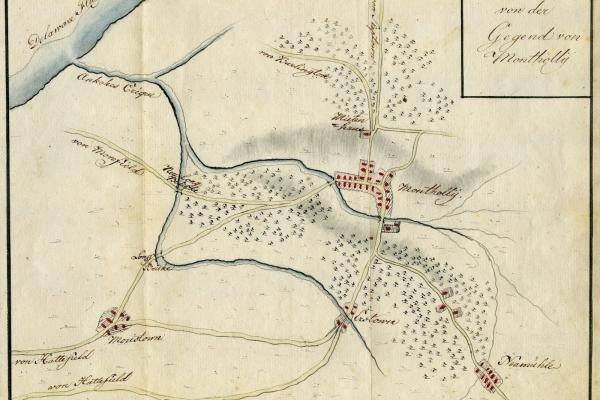
The Battle of Mount Holly, also known as Iron Works Hill, fought on December 23, 1776, was a minor skirmish in which Hessian Colonel Carl von Donop occupied the town, diverting his forces from Trenton and indirectly contributing to Washington’s victory there three days later.
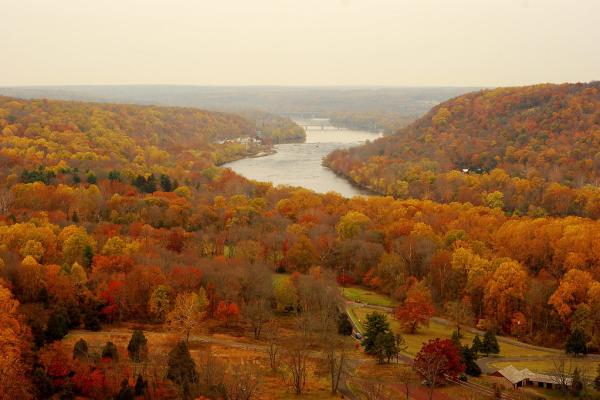
The location of George Washington's famous crossing of the Delaware, the site is now a state park that offers historical interpretation and several recreational activities.
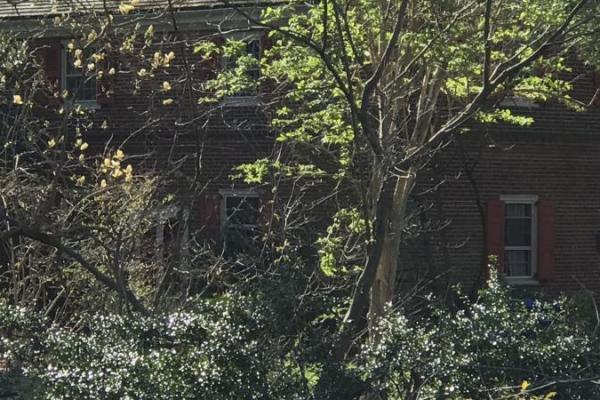
At this bridge, American forces under Colonel Samuel Griffin and foraging parties under Hessian Colonel Carl Ulrich von Donop clashed several times throughout December of 1776.
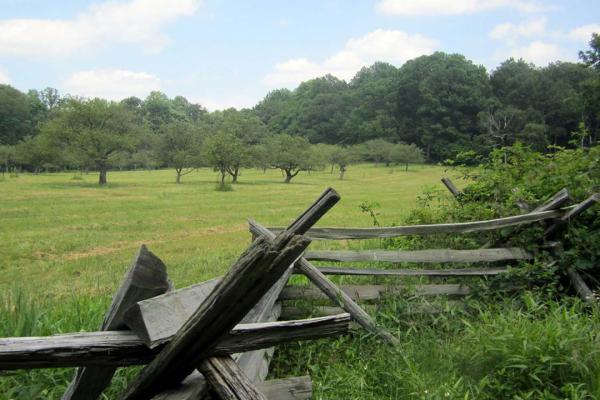
Morristown National Historical Park marks the site of the Continental Army’s 1779-80 encampment under George Washington. It symbolizes America’s fight for independence and Washington’s leadership in uniting the army, remaining a lasting symbol of resilience and patriotism.
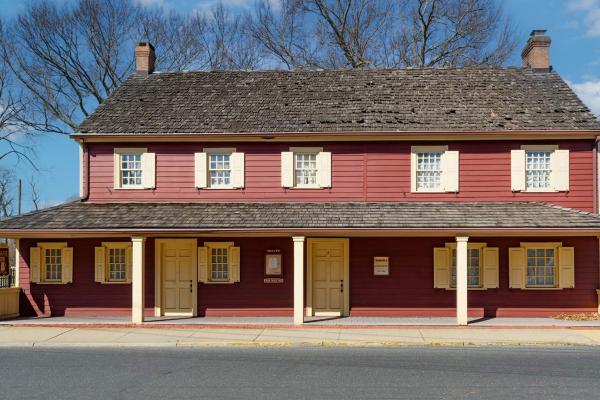
This tavern marked the turning point of Washington's advance against Henry Clinton's column. It was here that the order was given to Charles Lee to attack the next morning, June 28, 1778, thus commencing the Battle of Monmouth.