Jim Capers Eutaw Springs
History Along The Trail

Videos Along The Liberty Trail

The American Revolution was decisively influenced by The Liberty Trail’s diverse terrain, spanning swamps, fields, woods, and mountains. Delve into the narrative of American Independence with captivating videos showcased on The Liberty Trail.

States of Interest:
Video/Audio
Reposted from battlefields.org After years of battles in the Northern and Mid-Atlantic Colonies resulting in a stalemate, the British devised a new Southern Strategy in late 1778, hoping to keep...
Video/Audio
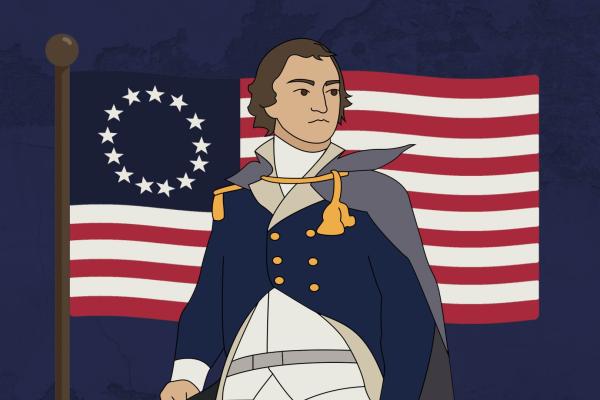
Reposted from battlefields.org Nathanael Greene, a Quaker from Rhode Island, was George Washington’s right hand man during the Revolutionary War and twice saved the Continental Army from potential...
Video/Audio
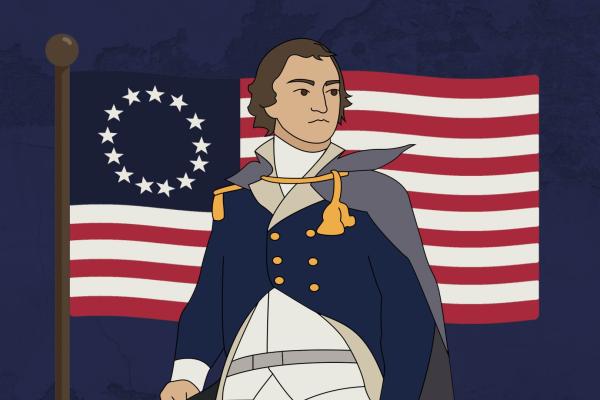
Reposted from battlefields.org Nathanael Greene, a Quaker from Rhode Island, was George Washington’s right hand man during the Revolutionary War and twice saved the Continental Army from potential...
Video/Audio
Reposted from battlefields.org In 1780, when the British took Charleston, it looked as if the rest of South Carolina might end up in Loyalist hands. But a band of Patriot partisans, operating out of...
Video/Audio
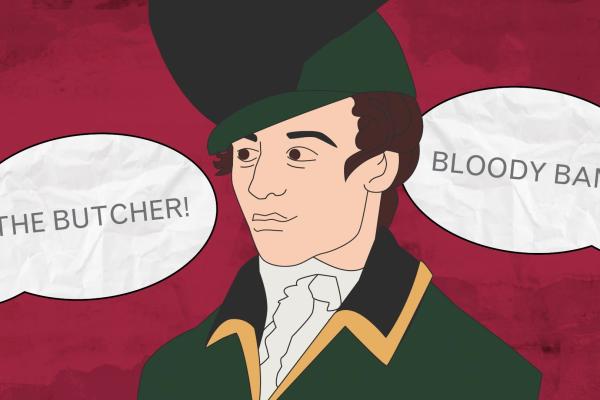
Reposted from battlefields.org Perhaps no fighter on Revolutionary War battlefields created such a name for themselves as Redcoat cavalry officer Banastre Tarleton. His aggressive tactics earned him...
Video/Audio
Reposted from battlefields.org Major Patrick ‘Bulldog’ Ferguson was one of the most fierce, and fiercely hated, British commanders of the Revolutionary War. But when he tried to subdue Patriot...
We invite you to visit the preserved locations along the Liberty Trail and to immerse yourself in the extraordinary events that determined the fate of a nation.
Historic Site |
Williamsburg, VA

Known worldwide as the nation's largest living history museum, Colonial Williamsburg operates the restored eighteenth-century capital of colonial Virginia.

Historic Site | Marker
Tonawanda, NY
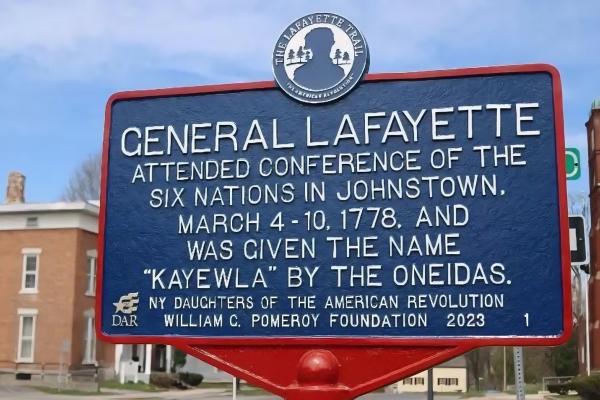
President James Monroe invited the Marquis de Lafayette to visit the United States, his adopted country. Lafayette’s tour of all 24 states in 1824 and 1825 drew large crowds and sparked a renewal of...
Historic Site | Fort/Outpost
Charleston, SC

One of the many forts that dotted the landscape around Charleston, Patriots seized this fortification and raised the Moultrie flag, which bears resemblance to the modern standard of South Carolina.

Historic Site |
Fishkill, NY

A colonial-era home built in 1732. The Continental Army used the house during the Revolutionary War as the Officers' Headquarters for the Fishkill Supply Depot.

State/County Park
Lancaster, SC

Andrew Jackson State Park combines history, art and community activities into a setting that has made it one of the state’s most popular parks.

Historic Site |
Pamplico, SC

Located in the Pee Dee region of South Carolina, it was here that Francis Marion signed a treaty with a local Loyalist militia leader, effectively ending hostilities in the area

Battlefield
Camden, SC

Patriot Leader Nathanael Greene Is repulsed but not defeated in his campaign to chase the British from the South Carolina backcountry

Battlefield
Manalapan, NJ

The Battle of Monmouth took place on June 28, 1778, between the Continental Army and British forces, and is now preserved as Monmouth Battlefield State Park.

State/County Park
Camden, SC

Not far from Camden Battlefield, Goodale State Park is lined with cypress trees, a spring-fed lake that offers boating, fishing, and hiking opportunities.

Historic Site | Historic House
Bedminister, NJ

The only surviving building associated with the Pluckemin Artillery Cantonment, America's first military academy, it served as the headquarters of Henry Knox during the Middlebrook encampment of 1778-1779.

Historic Site | Historic House
Lorton, VA

The home to Founding Father George Mason, this mansion is slightly atypical of Georgian architecture due to its unique interior design that blends styles from across Europe and Asia.

Historic Site |
Stony Brook, NY

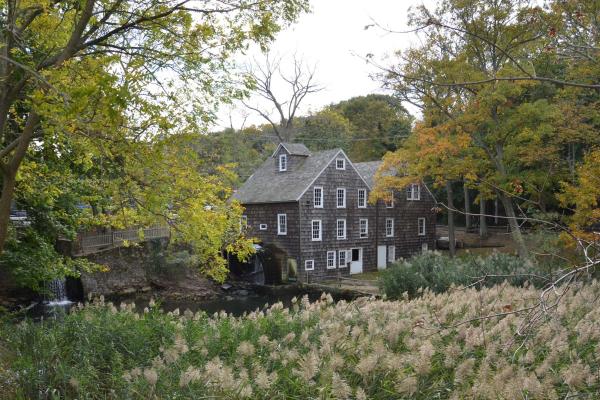
The Revolutionary War arrived on Long Island in a way that felt very close to home, with British forces taking control directly after their victory at the Battle of Long Island in August 1776. They held onto the island for the entire duration of the war. During this time, the mill at Stony Brook was busy, grinding grains that helped feed the British soldiers.