-
The BlogBiographies
-
Videos

We invite you to visit the preserved locations along the Liberty Trail and to immerse
yourself in the extraordinary events that determined the fate of a nation.

A home to a Quaker family, it served as a hospital following the Battle of Red Bank.

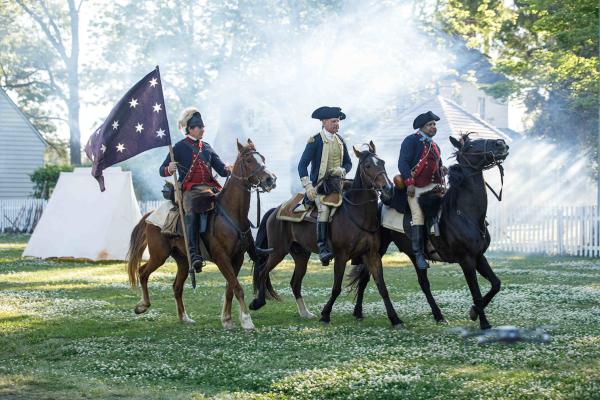
In the final days of the Revolutionary War, Rockingham became General George Washington’s last wartime headquarters, where he penned his Farewell Orders to the Armies of the United States. As he prepared to step away from military command, news arrived that the Treaty of Paris had been signed, securing America’s independence.
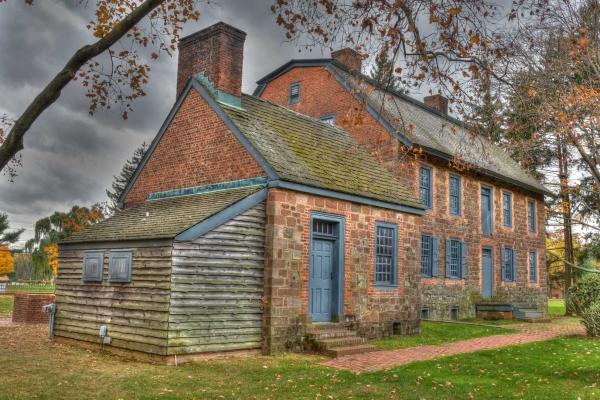
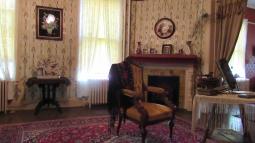
The Dey Mansion, built around 1770, served as General George Washington’s headquarters in 1780 during a pivotal time in the American Revolution. As one of his surviving field headquarters, it offers a lasting connection to the strategic decisions, military challenges, and historic events that shaped the fight for independence.
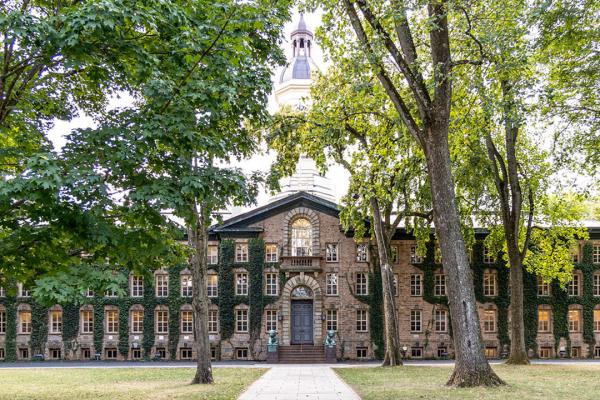
Nassau Hall, once the largest stone building in the colonies, housed the College of New Jersey, now known as Princeton. During the Battle of Princeton in 1777, British troops fortified the building as a last stand defense.
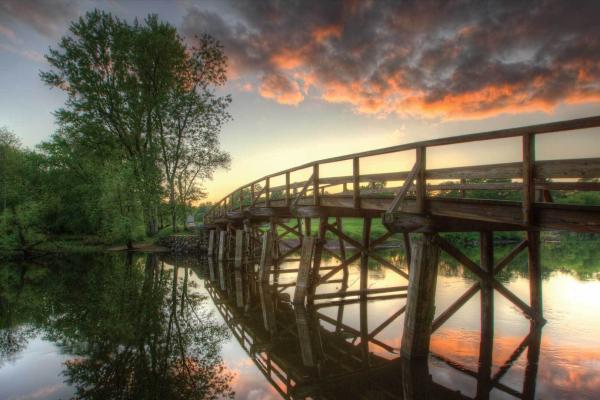
At this bridge, American forces under Colonel Samuel Griffin and foraging parties under Hessian Colonel Carl Ulrich von Donop clashed several times throughout December of 1776.
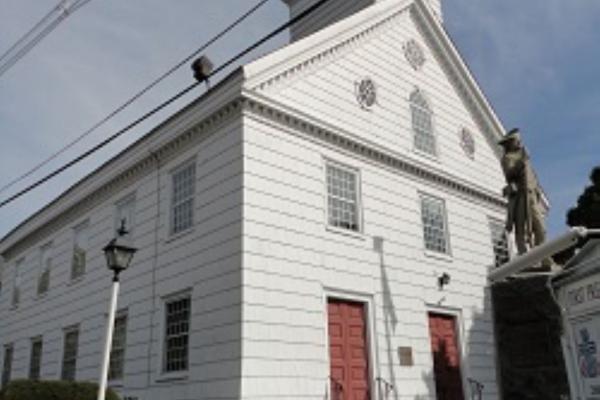
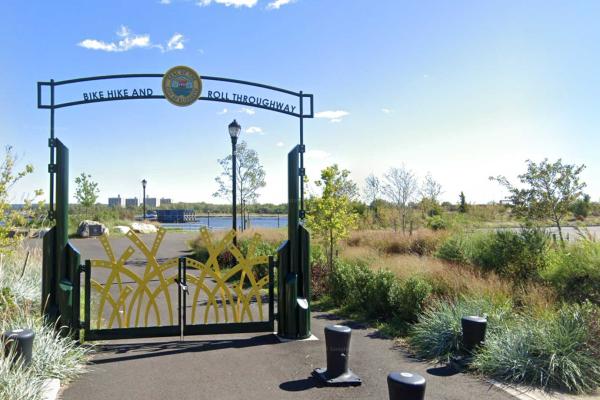
Elizabeth Town Point, New Jersey served as a critical colonial port, ferry landing, and commercial hub connecting New Jersey to New York before and during the American Revolution. On January 25, 1780, British and Loyalist troops crossed here to launch a devastating raid that burned parts of Elizabeth.
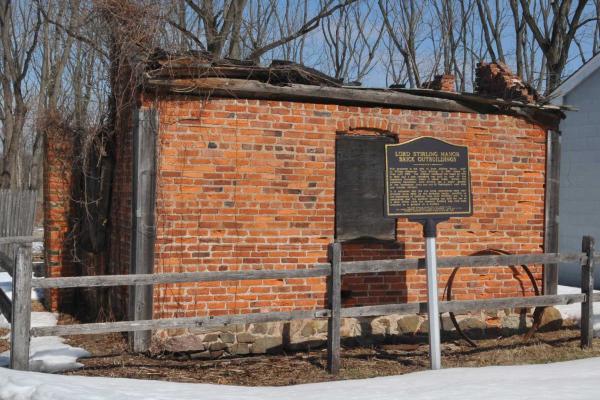
Once a sprawling manor complex in the New Jersey countryside belonging to Major General William Alexander, all that remains are two extant structures and the cellar of the original home.
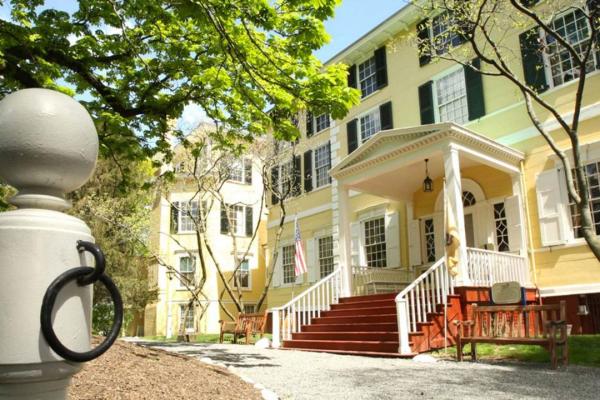
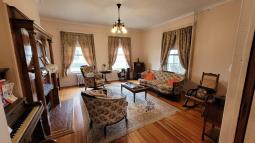
Liberty Hall was home to trailblazing governors, congressmen, senators, assembly persons, philanthropists, and entrepreneurs. Inhabited by William Livingston, New Jersey’s first elected governor and a signer of the United States Constitution, the 14-room Georgian-style home evolved over time into a 50-room Victorian mansion.
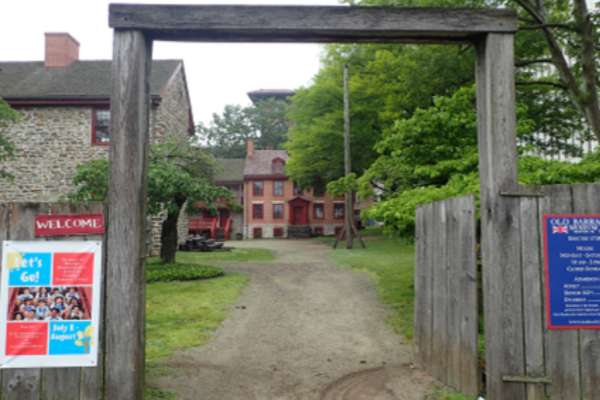
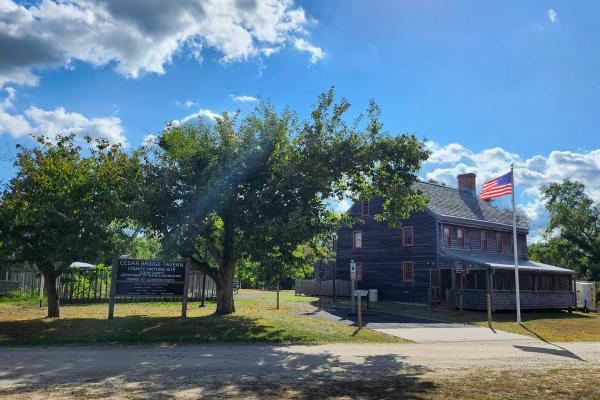
On December 27, 1782, Patriot forces under Captain Richard Shreve and Captain Edward Thomas were surprised at a tavern by Loyalist raider Captain John Bacon, igniting a sharp skirmish. Though the militia gained the advantage, aid from local Loyalists allowed the wounded Bacon to escape, leaving casualties on both sides and marking what is believed to be the last land engagement of the American Revolution.
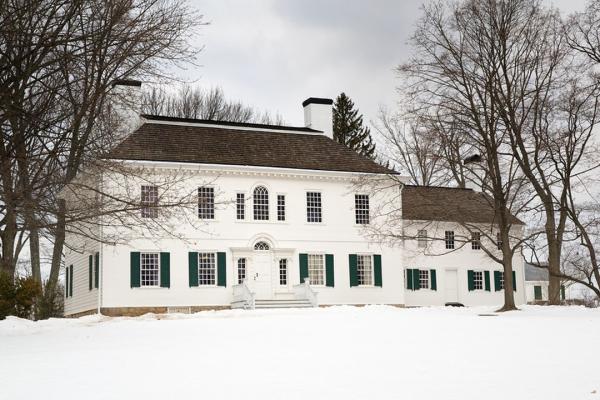
The mansion once housed George Washington, who utilized it as his headquarters in the freezing winter of 1779.