-
The BlogBiographies
-
Videos

We invite you to visit the preserved locations along the Liberty Trail and to immerse
yourself in the extraordinary events that determined the fate of a nation.
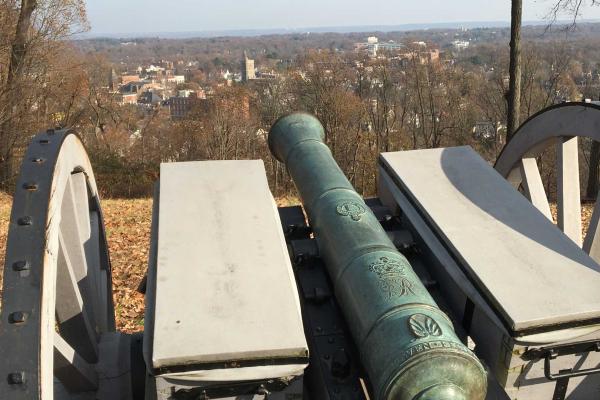
Fort Nonsense if one of four sites that compose Morristown National Historical Park. Atop a hill, it functioned as a defensive observation post for those encamped at Morristown.

The Royal Governor's Mansion of New Jersey is the only remaining proprietary governor's mansion of the original Thirteen Colonies still standing today. Built in the 1760s, it served as the residence gubernatorial residence of William Franklin, Benjamin Franklin's Loyalist son.
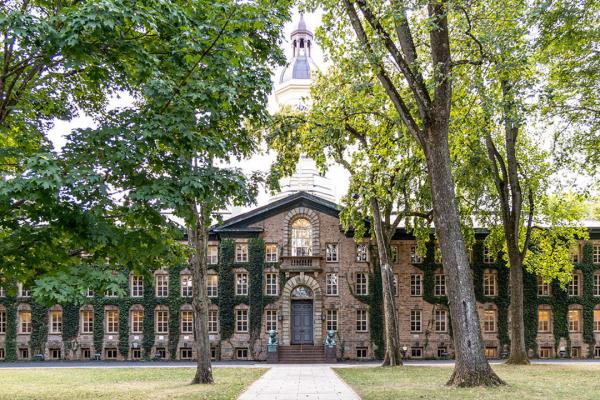
Nassau Hall, once the largest stone building in the colonies, housed the College of New Jersey, now known as Princeton. During the Battle of Princeton in 1777, British troops fortified the building as a last stand defense.
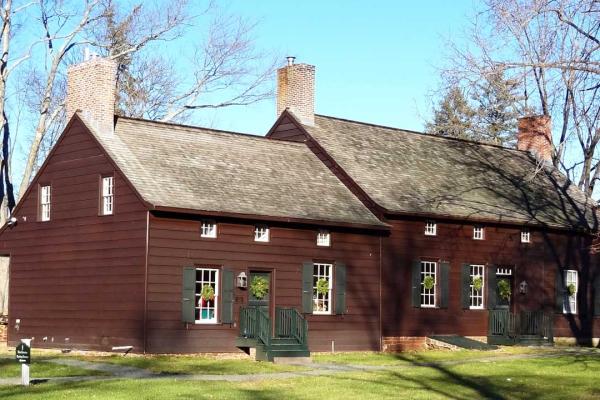
The only surviving building associated with the Pluckemin Artillery Cantonment, America's first military academy, it served as the headquarters of Henry Knox during the Middlebrook encampment of 1778-1779.
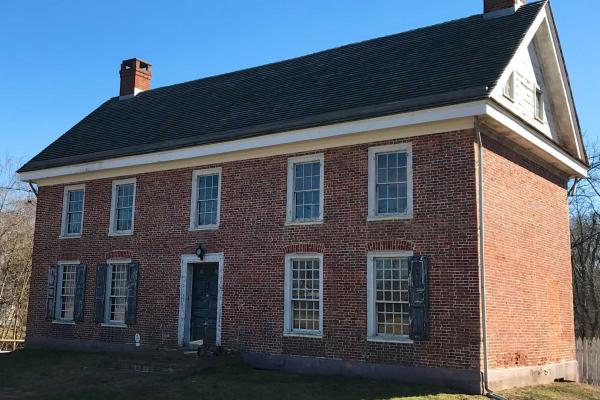
This parsonage was constructed in the 1750s and housed the reverend of the Dutch congregation in what is now modern-day Somerville.
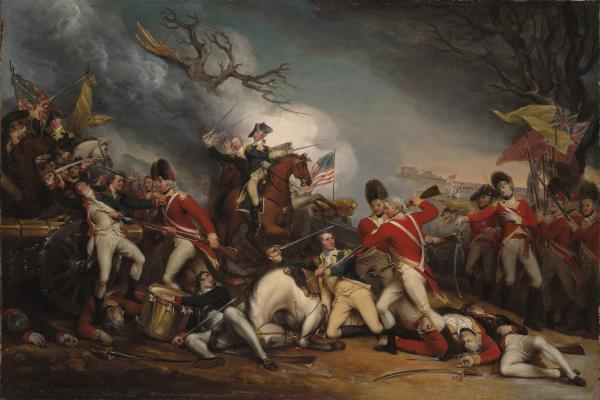
After crossing the Delaware, George Washington's ten-day campaign culminated in a decisive victory at the Battle of Princeton on January 3, 1777, proving his army could defeat the British. The battle saw Washington's forces overcome initial setbacks to rout the British and shift the momentum of the war
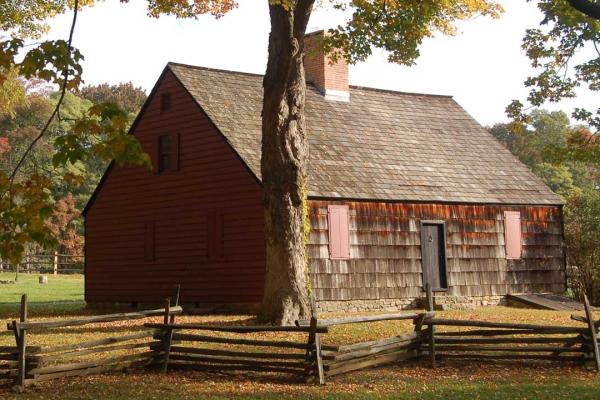
Jockey Hollow, the site of General Washington’s winter encampment in 1779-1780, played a key role in forging the Continental Army's strength and unity. The nearby Wick House, once home to Major General Arthur St. Clair, now stands as a historic landmark, offering a glimpse into the hardships and strategies of that fateful winter.
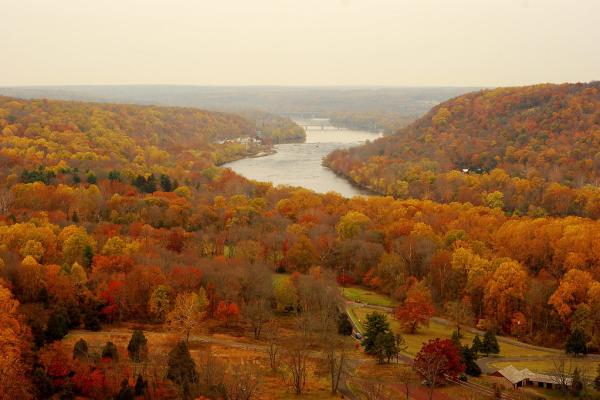
The location of George Washington's famous crossing of the Delaware, the site is now a state park that offers historical interpretation and several recreational activities.
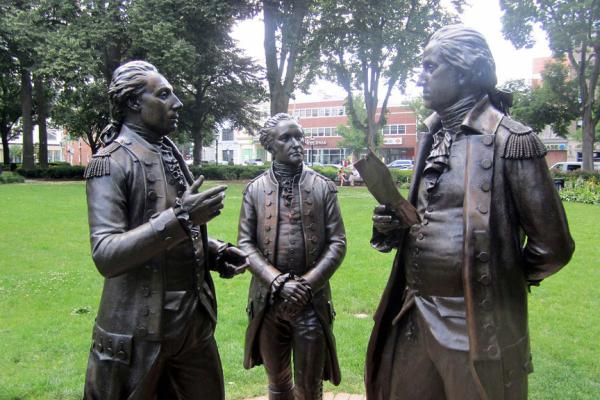
Now a quiet park in the center of urban Morristown, this green once served as the training and parade grounds of the Continental Army during its 1777 winter encampment.
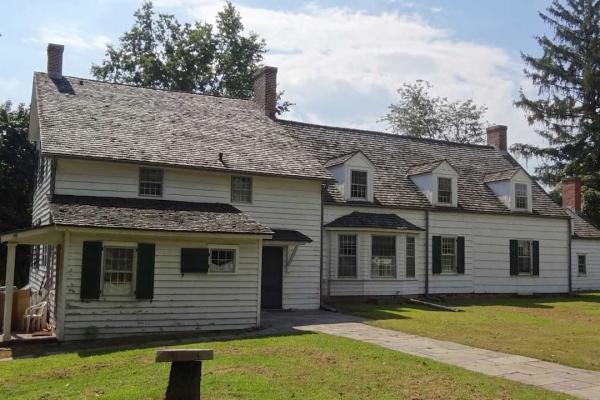
Constructed in the early 1740s, this home acted as the headquarters of Baron Von Steuben during the Continental Army's cantonment in 1779. Today, it stands as one of the few remaining Dutch structures in central New Jersey.
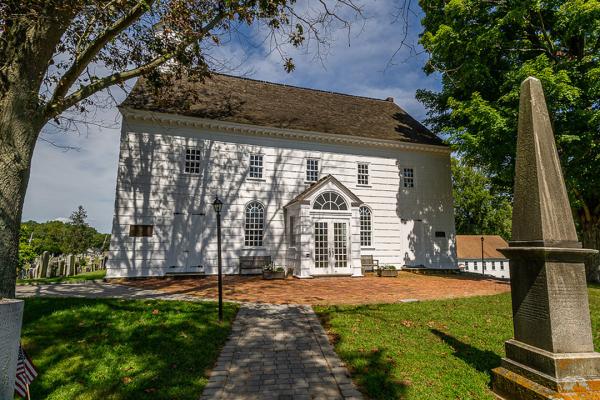
Located just behind the Continental artillery line on Perrine Ridge, this Presbyterian church now houses the remains of several patriots in its cemetery.
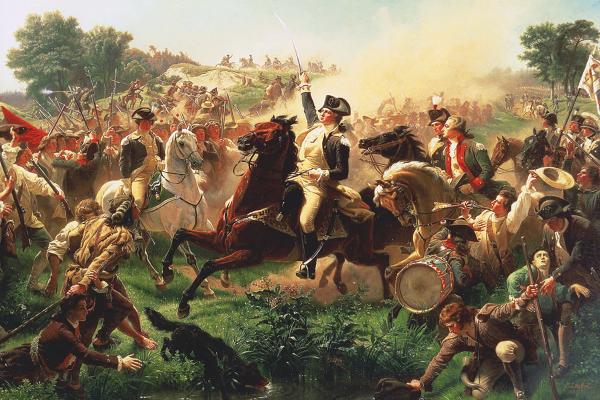
The Battle of Monmouth took place on June 28, 1778, between the Continental Army and British forces, and is now preserved as Monmouth Battlefield State Park.