-
The BlogBiographies
-
Videos

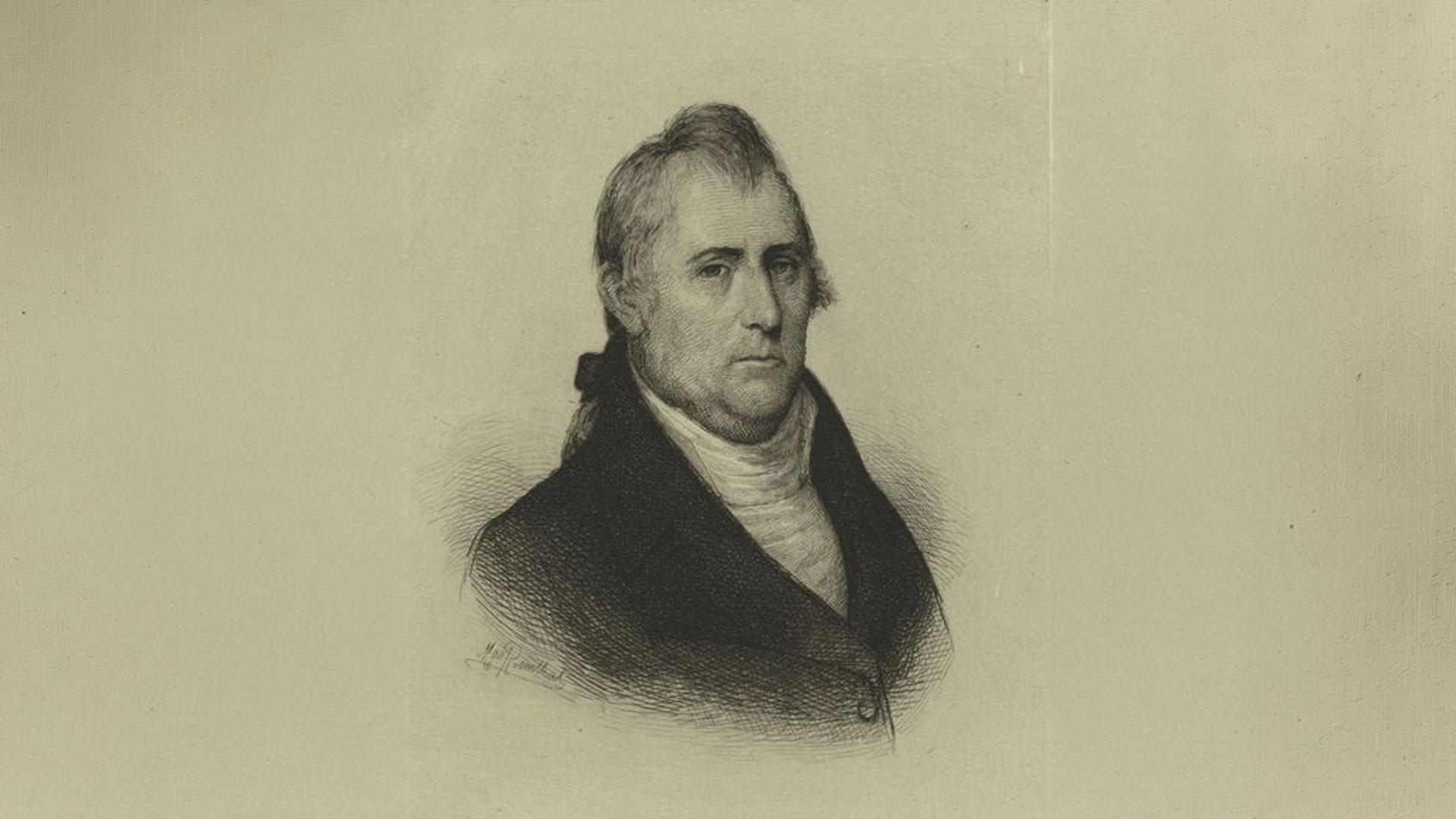
One of Virginia's most capable officers of the American Revolution, Edward Carrington was also a confidant of George Washington and statesman in the early days of the Republic.

Lieutenant Colonel Edward Carrington was one of Virginia’s most capable Revolutionary War officers, a trusted confidant of General George Washington, and an influential statesman in the early years of the American republic. Although less widely known today than many of his contemporaries, Carrington played a crucial role in securing American independence and helping shape the new nation that emerged from the Revolution.
Born on February 11, 1748, in Virginia, Carrington came from a prominent family and was trained as a surveyor. His early career developed the skills that would later make him one of the Continental Army’s most effective officers. Like many Virginians of his generation, Carrington became increasingly concerned about British encroachments on colonial rights and ultimately joined the growing movement for independence.
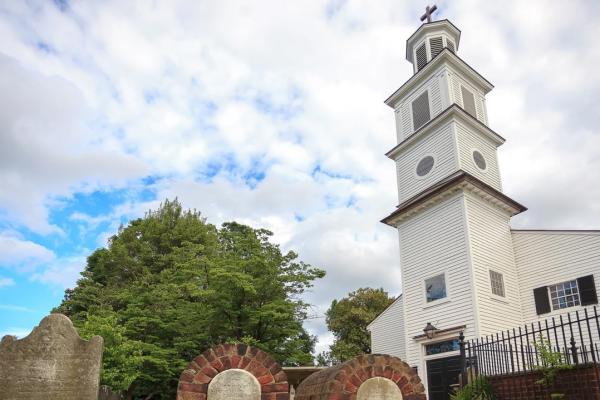
One of the defining moments of Carrington’s life occurred on March 23, 1775, at Virginia’s Second Convention meeting at St. John’s Church in Richmond. The debate over how Virginia should respond to British actions had drawn delegates and spectators from across the colony. Carrington, then a young man of twenty-seven, was unable to gain entry and instead stood outside one of the church’s open windows.
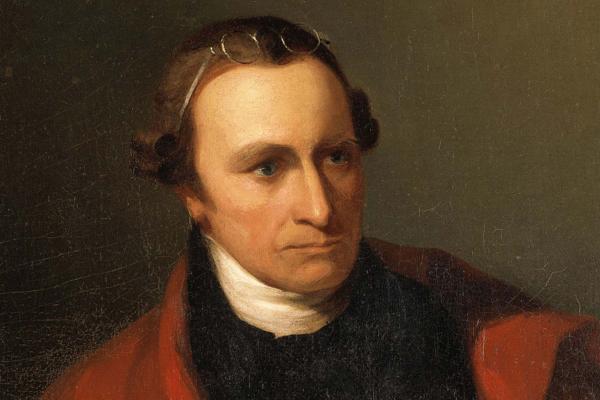
From outside St. John’s Church, he listened as Patrick Henry delivered his unforgettable “Give Me Liberty or Give Me Death!” speech. According to legend, Carrington was so moved by Henry’s words that he turned to those standing nearby and declared that he wished to be buried on the very spot where he stood listening. Decades later, when Carrington died in 1810, his wish was honored. Today, his grave remains one of the most significant Revolutionary-era burial sites in Richmond.
When the Revolutionary War began, Carrington quickly distinguished himself through his expertise in artillery. In 1776, he was appointed commander of Virginia’s artillery forces and eventually earned the rank of lieutenant colonel.
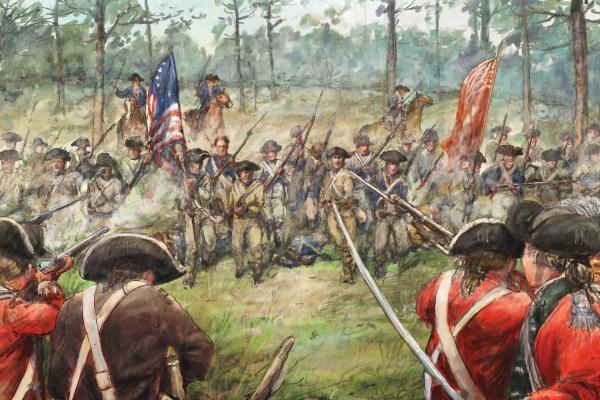
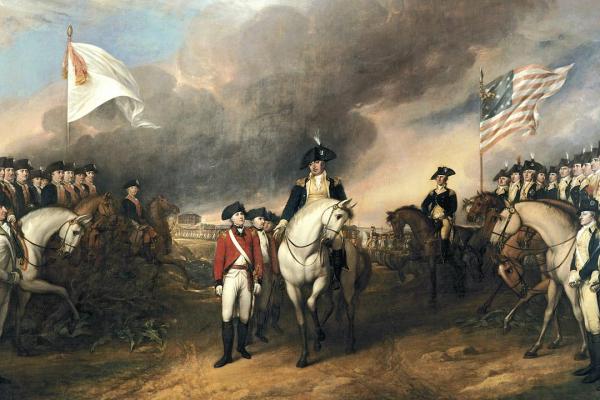
Carrington’s most important military service came in the Southern Campaign, where he served under Major General Nathanael Greene. Greene relied heavily on Carrington’s judgment, particularly his knowledge of Virginia and the Carolinas and his skill in logistics. During the famous “Race to the Dan” in early 1781, Carrington surveyed river crossings and secured the boats that enabled Greene’s army to escape across the Dan River ahead of the pursuing British forces under General Charles Cornwallis. The successful withdrawal preserved the Southern Army and helped set the stage for the eventual American victory at Yorktown.
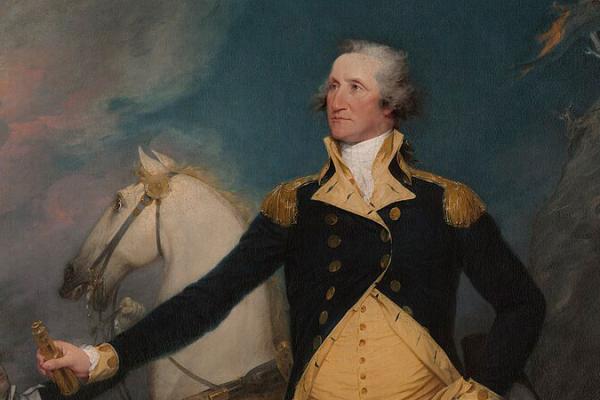
Following the Revolution, Carrington remained committed to public service. He supported the ratification of the United States Constitution and joined fellow Virginians such as James Madison and John Marshall in advocating for a stronger national government. In 1789, President Washington appointed him the first United States Marshal for Virginia, entrusting him with helping establish federal authority in one of the nation’s most important states.
Carrington served the new republic with the same dedication he had shown during the Revolution. He remained active in public service until his death on October 28, 1810.
Today, Edward Carrington is remembered as a soldier, statesman, and patriot whose life was deeply connected with the story of American independence. From the moment he stood outside St. John’s Church listening to Patrick Henry’s call for liberty to his distinguished service under Greene and Washington, Carrington exemplified the commitment and sacrifice that helped create the United States. His grave at St. John’s Church is a reminder of the power of Henry’s words and those who were inspired to act upon them.