Join us in discovering the individuals who shaped the Revolutionary War along The Liberty Trail.
-
The BlogBiographies
-
Videos

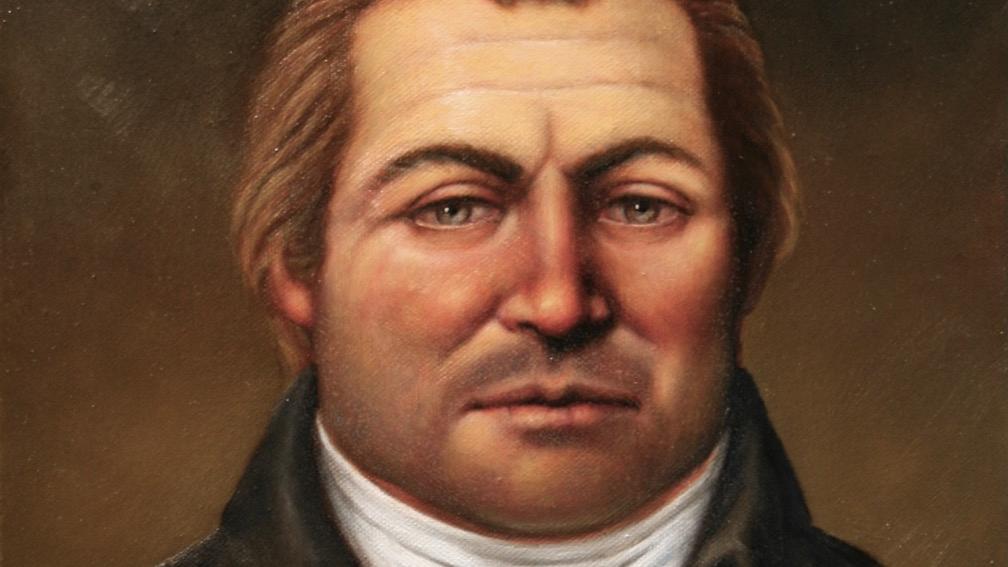
Join us in discovering the individuals who shaped the Revolutionary War along The Liberty Trail.
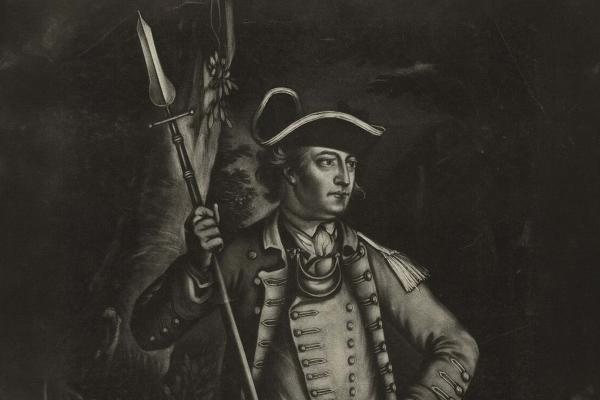
Once a supporter of the British Crown and friend of New Hampshire's royal governor, John Sullivan's revolutionary sympathies led him to the Continental Army and a lengthy career in early American...
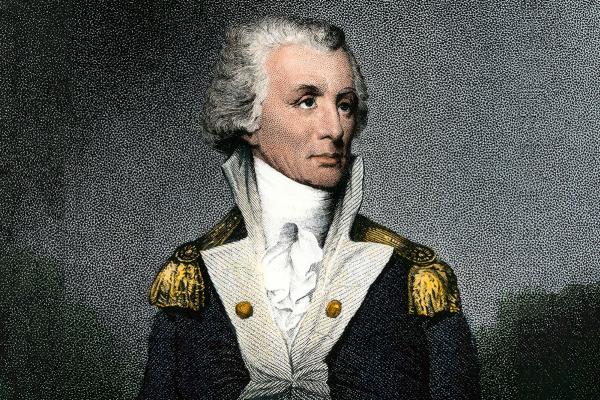
During the Revolutionary War, Sumter became a prominent commander in the South Carolina militia. When Lt. Col. Banastre Tarleton’s raiders burned his home, however, he organized a band of partisans to...
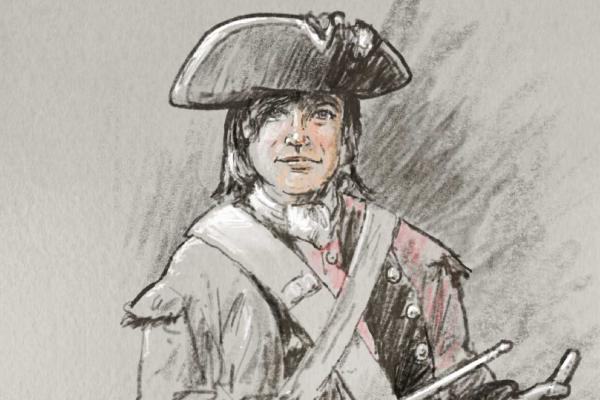
While serving as a drummer in the Revolutionary War, young Stephen Tainter witnessed Burgoyne’s surrender and the failed Newport siege.
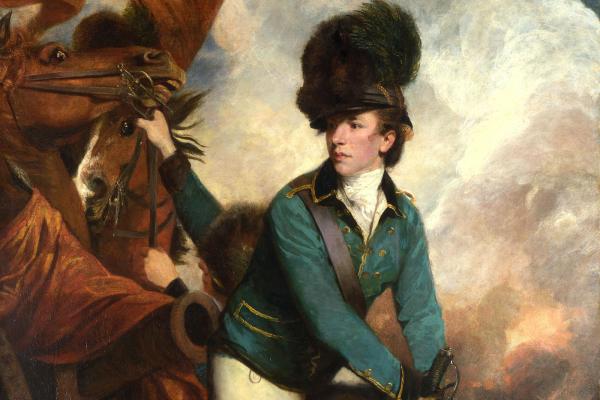
Tarleton, active in the Southern Campaign, came to be known as the ‘butcher’ after Continental soldiers accused his dragoons of disregarding a Patriot surrender by attacking the Americans after they...
We invite you to visit the preserved locations along the Liberty Trail and to immerse
yourself in the extraordinary events that determined the fate of a nation.
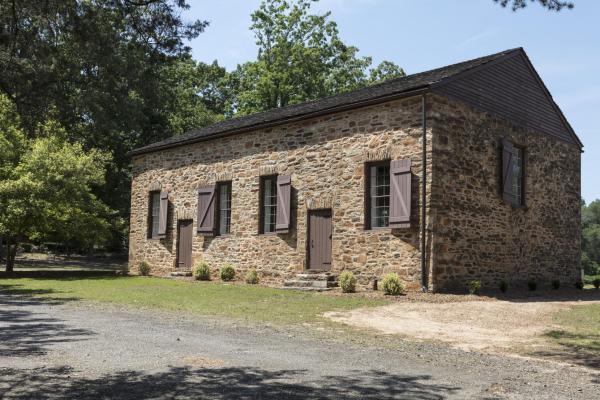
Nestled outside the traditional bounds of the South Carolina colony is the Presbyterian church where Andrew Pickens committed his time as an elder following the Revolution. In the adjacent cemetery lie the graves of several American soldiers who had fought by Pickens' side during the war.
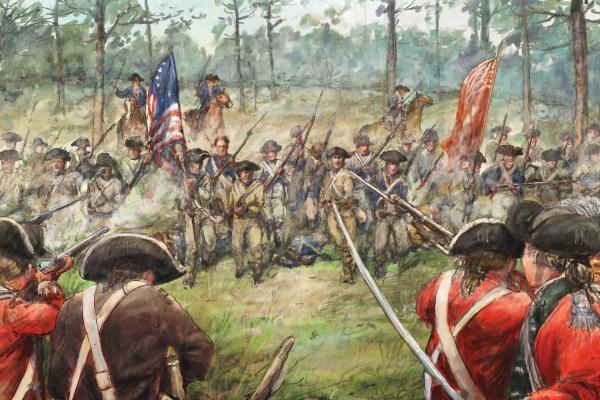
Patriot Leader Nathanael Greene Is repulsed but not defeated in his campaign to chase the British from the South Carolina backcountry
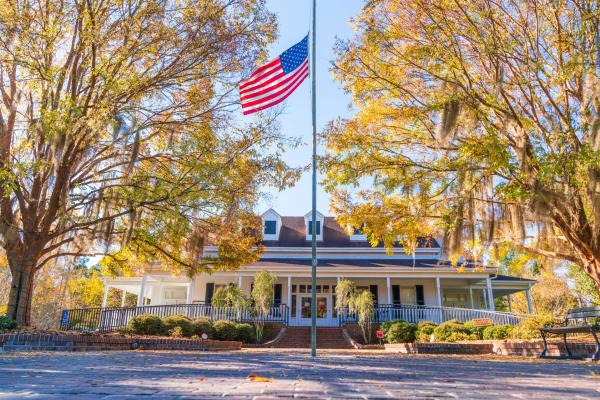
The Berkeley County Museum is located in historic Moncks Corner, South Carolina and contains Revolutionary stories and artifacts from around the county.
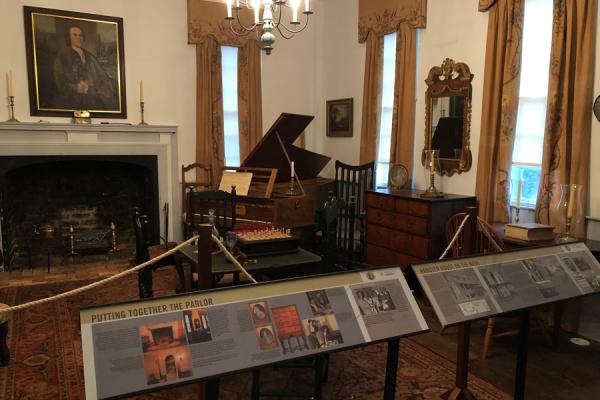
Built in 1716 for Paul de St. Julien in Berkeley County. The house was later dismantled and moved to Clemson University and functions as a house museum.
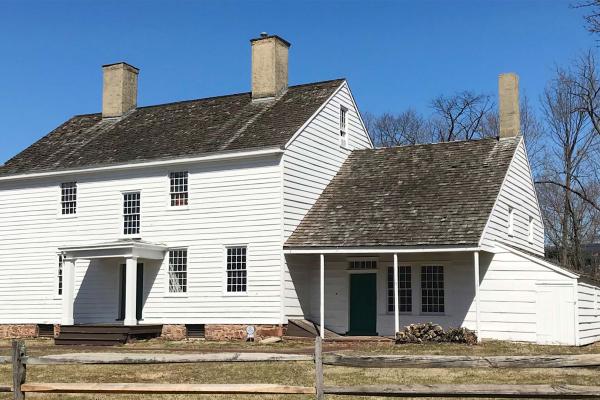
The home of a prominent Philadelphia merchant, this was the largest home built in New Jersey during the Revolution. During the Continental Army's encampment at Middleburg, it served as George Washington's Headquarters.
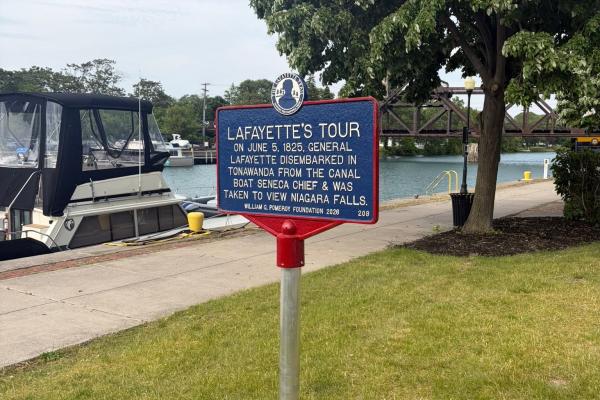
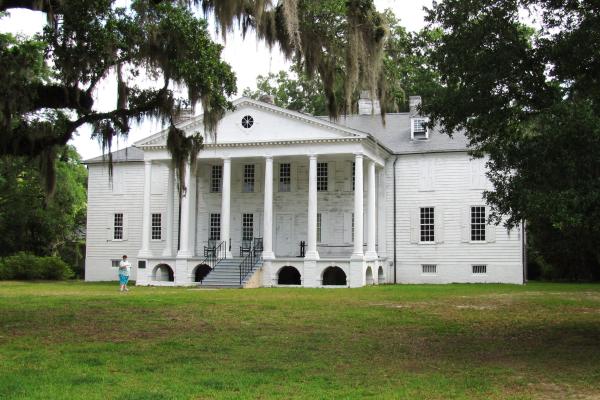
This 18th-century plantation home, on the grounds of the Hampton Plantation State Historic Site, served as a place of refuge for Francis Marion who hid here from when British troops.
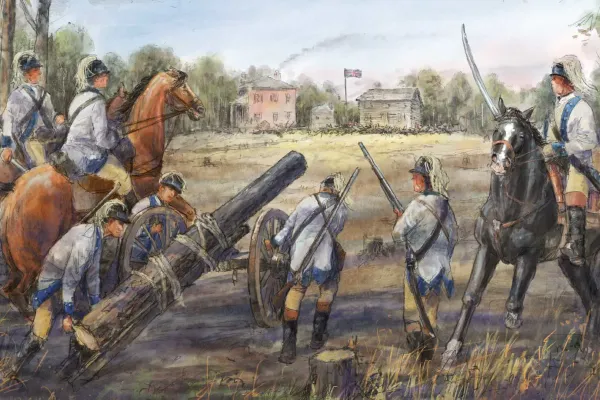
An ingenious Patriot deception provokes a prominent Loyalist to surrender his outpost
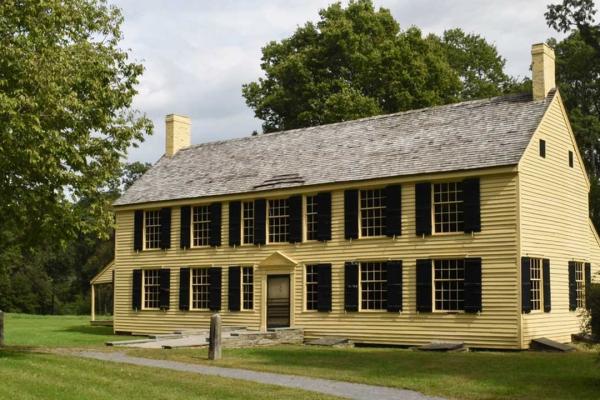
This property is located in the "Old Saratoga" unit of Saratoga National Historical Park.
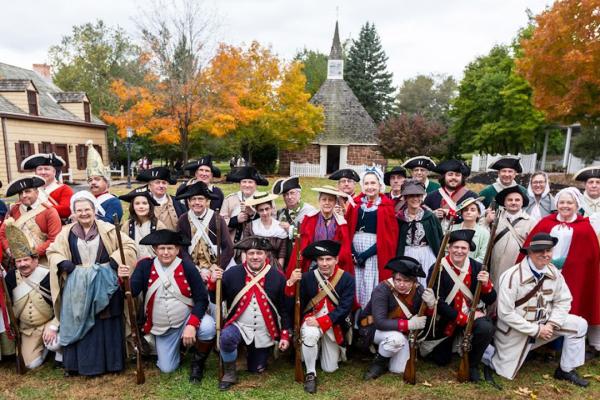
The East Jersey Old Town Village is a collection of historic structures dating the 18th century. Today, living historians walk the grounds, bringing the Revolution and the Colonial Era to life.
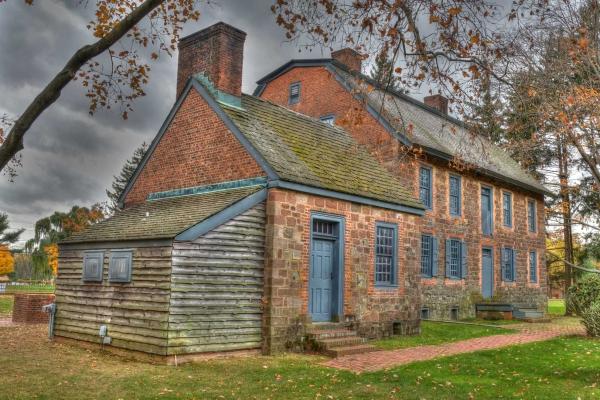
The Dey Mansion, built around 1770, served as General George Washington’s headquarters in 1780 during a pivotal time in the American Revolution. As one of his surviving field headquarters, it offers a lasting connection to the strategic decisions, military challenges, and historic events that shaped the fight for independence.
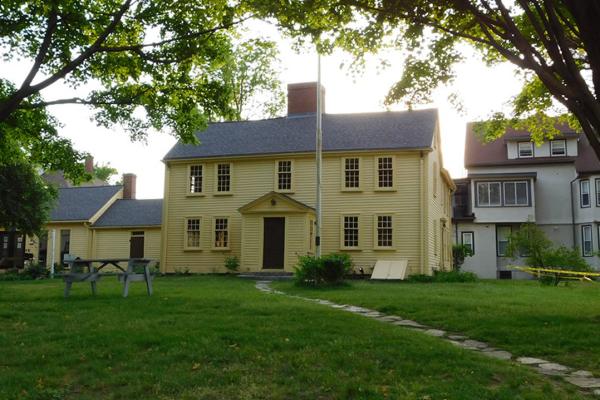
One of the bloodiest sites during the Battle of Lexington and Concord, this house saw extensive combat and still bears the scars left behind by the engagement.