Join us in discovering the individuals who shaped the Revolutionary War along The Liberty Trail.
-
The BlogBiographies
-
Videos

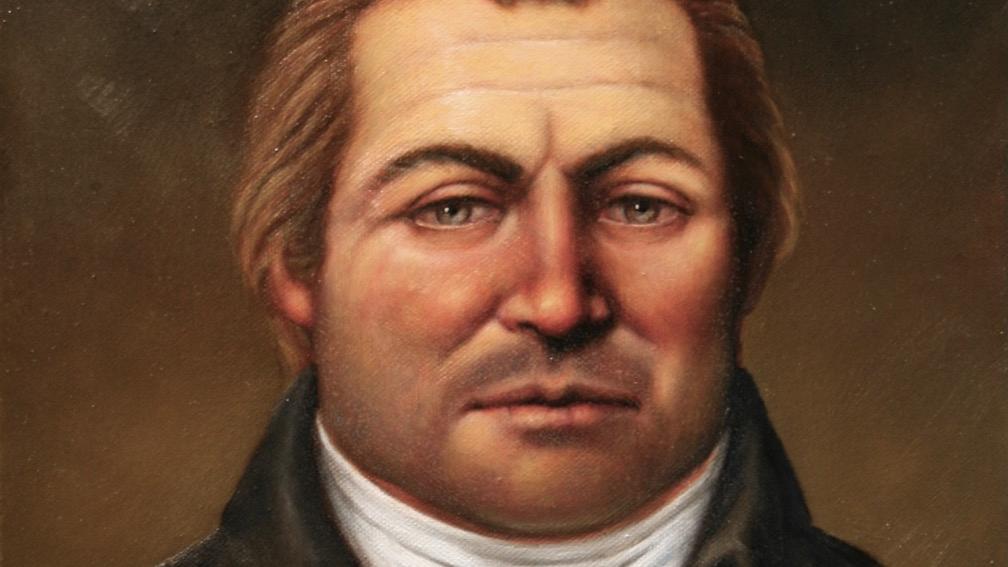
Join us in discovering the individuals who shaped the Revolutionary War along The Liberty Trail.
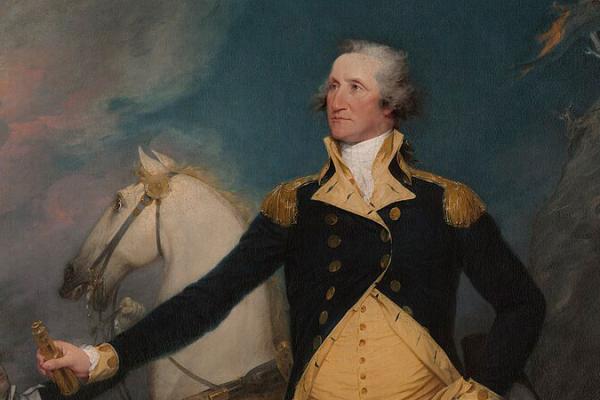
George Washington’s leadership guided the American colonies through revolution and into nationhood. As a general and the first president, he played a crucial role in shaping the United States’ early...
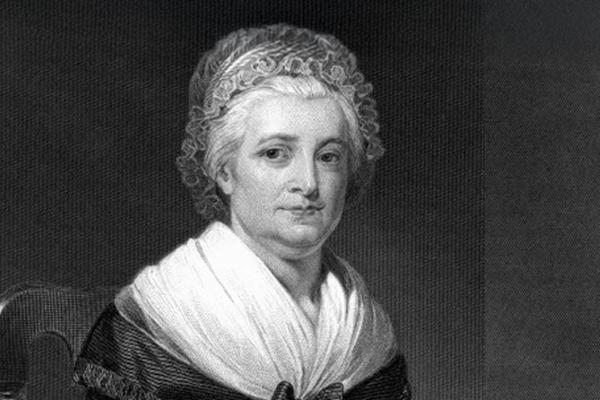
Martha Dandridge Custis Washington made her own mark as the first First Lady and symbol of motherhood in the new nation.
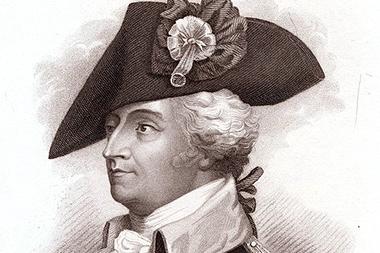
Anthony Wayne, dubbed "Mad Anthony," was a bold Revolutionary War general, key in victories like Stony Point and Fallen Timbers. His fiery reputation earned him his nickname. He died in 1796 in...
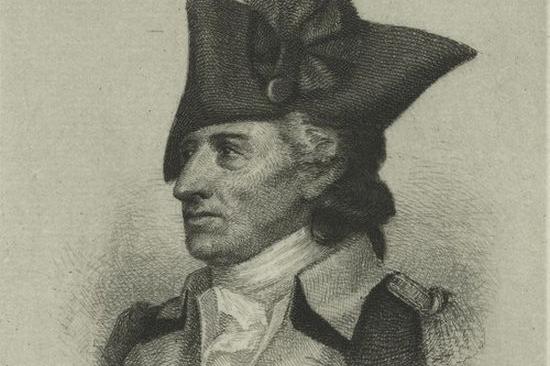
George Weedon, a Virginia officer in the French and Indian War and the American Revolution, played pivotal roles at Trenton and Yorktown. Known for his leadership and his tavern as a revolutionary...
We invite you to visit the preserved locations along the Liberty Trail and to immerse
yourself in the extraordinary events that determined the fate of a nation.
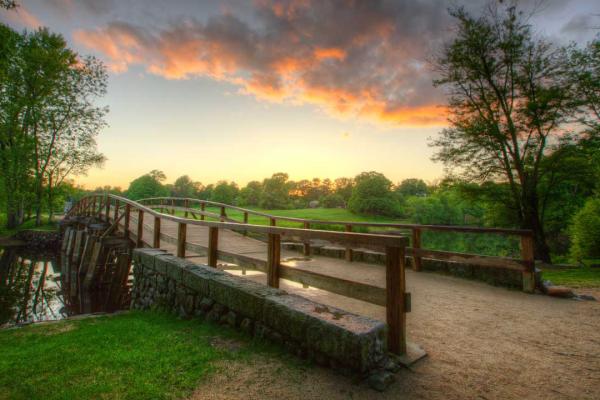
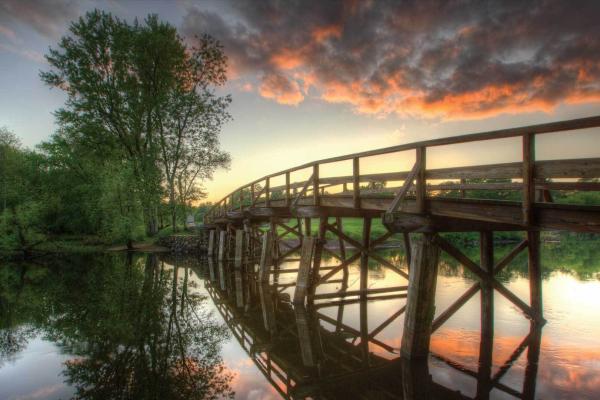
The site of the famous "Shot Heard Around the World," the Old North Bridge served as the flashpoint of the American Revolution. To this day, historians debate who fired the first shot, here, which led to the Battle of Lexington and Concord.

A monumental structure built in 1742, Faneuil Hall served as one of the most important sites of civic engagement in colonial Boston. Since, it has hosted the likes of revolutionary leaders and dissidents.

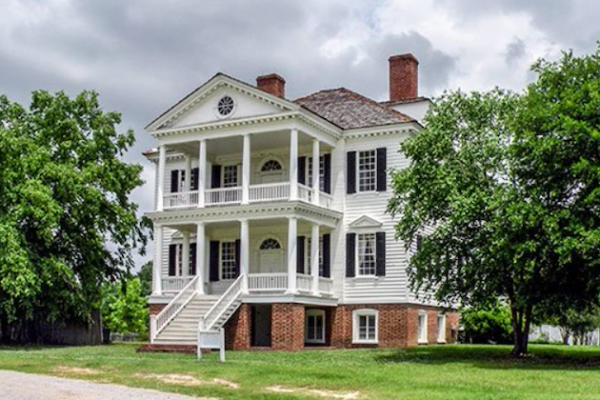
Eighteenth-century Moncks Corner was a crossroads settlement of stores and taverns at the intersection of the Cherokee Path (the Indian traders’ path) and the road from Charleston to Santee. A powder magazine was established in 1760 and the village was occupied as a store depot by the British during the Revolutionary War.
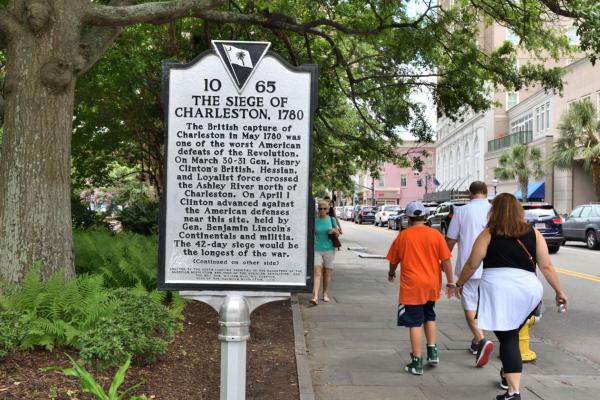
As part of their Southern Campaign, the British set their sights on taking the vital port of Charleston.
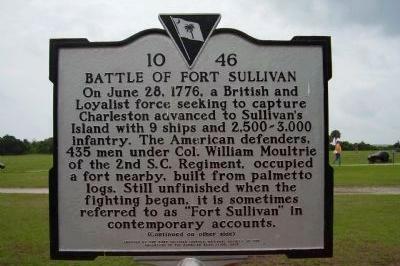
Treacherous waters and Patriot fire foil a British attack on Charleston Harbor
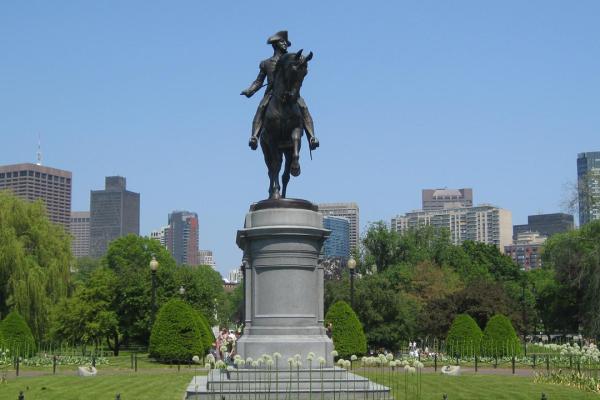
Once the training ground for British troops in Boston, it was from here that Regulars marched toward Lexington & Concord, sparking the American Revolution.
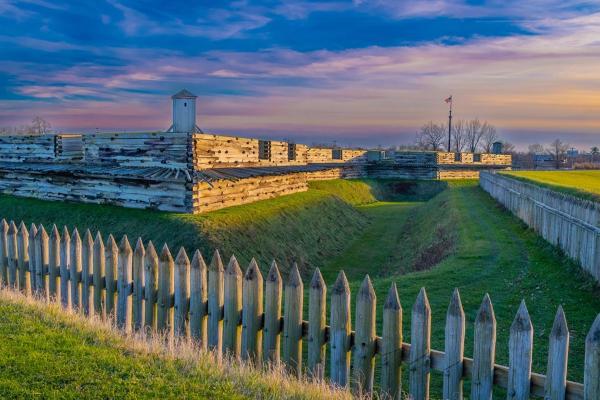
Originally constructed during the French & Indian War, this bastion served as a focal point Burgoyne's campaign to squash Patriot resistance in New York
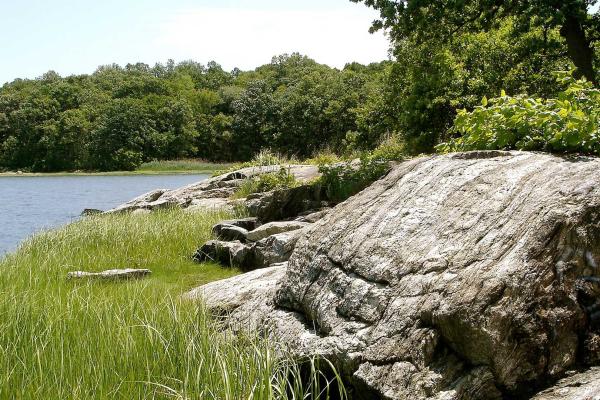
At the Battle of Pell’s Point, a small American force under John Glover held firm against a powerful British advance. Their stand proved pivotal in shaping the course of the New York campaign.

In the final days of the Revolutionary War, Rockingham became General George Washington’s last wartime headquarters, where he penned his Farewell Orders to the Armies of the United States. As he prepared to step away from military command, news arrived that the Treaty of Paris had been signed, securing America’s independence.
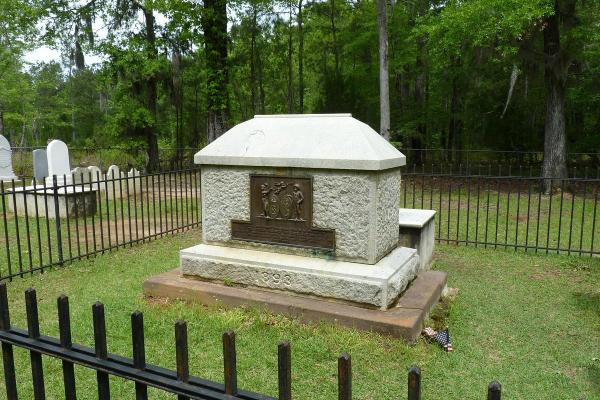
Francis Marion was a skilled military leader during the American Revolutionary War, known for his guerilla tactics and strategic maneuvers in the Southern Campaign. His contributions to the war effort and his enduring legacy as a symbol of American resilience and military ingenuity remain today.
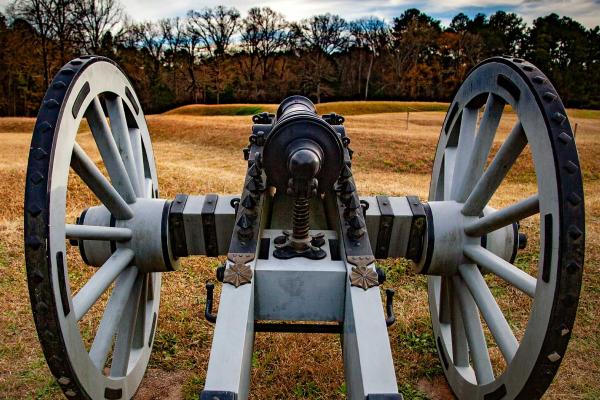
The site of the 1775 Battle of Williamson's Fort and a critical outpost for the British after they captured Charleston in 1780, the colonial town of Ninety Six was also the setting of a 28-day siege in 1781. Here, Nathanael Greene’s Patriots attacked the heart of Loyalist commander John Cruger’s defenses — the Star Fort.