Join us in discovering the individuals who shaped the Revolutionary War along The Liberty Trail.
-
The BlogBiographies
-
Videos

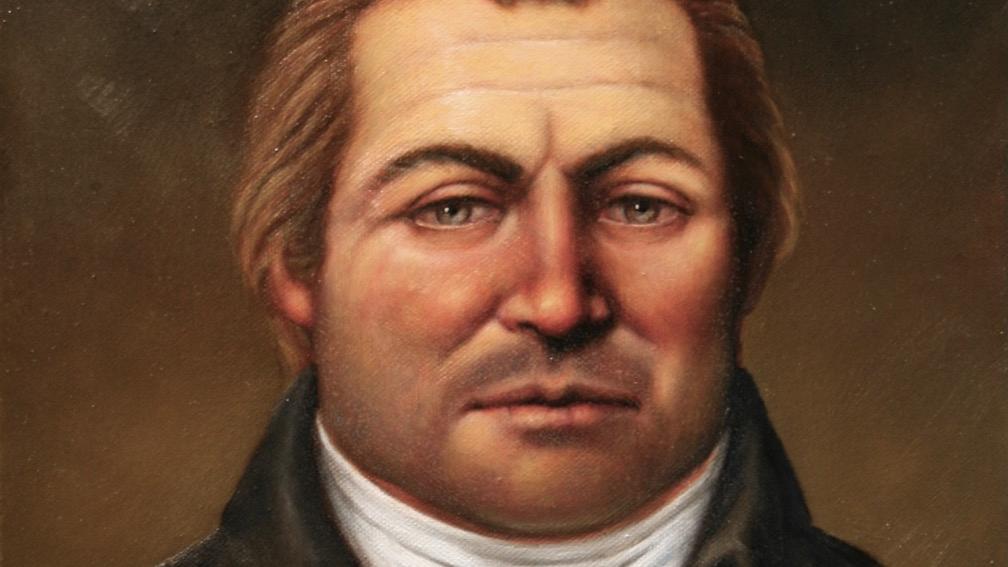
Join us in discovering the individuals who shaped the Revolutionary War along The Liberty Trail.
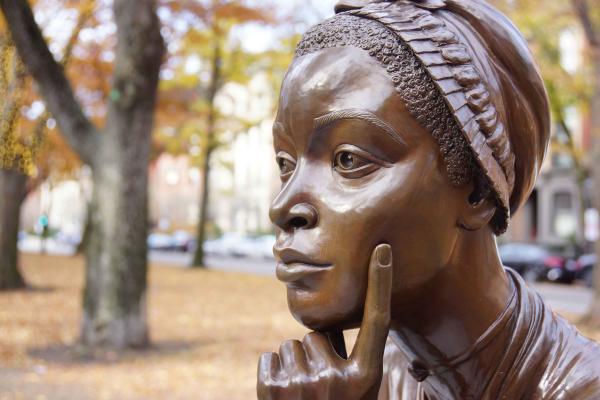
Phillis Wheatley, an enslaved woman from Massachusetts, became a celebrated poet, publishing a book in 1773, corresponding with prominent figures like George Washington, and demonstrating the literary...
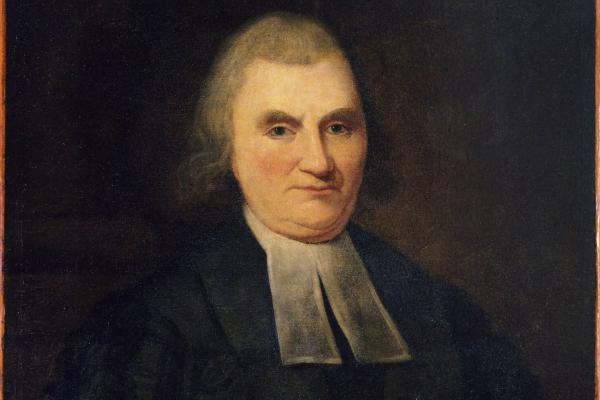
More than a signer of the Declaration of Independence, the Reverend John Witherspoon helped shape the Revolution through his preaching, political philosophy, and mentorship of future leaders like...
William Woodford (1734–1780) was a Virginia soldier who made his mark early in the Revolution, leading the 2nd Virginia Regiment to victory at Great Bridge. A seasoned fighter, he battled at...
We invite you to visit the preserved locations along the Liberty Trail and to immerse
yourself in the extraordinary events that determined the fate of a nation.
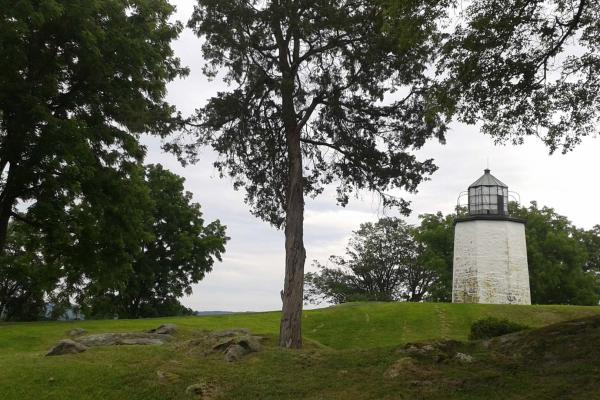
Now a state park in New York, Stony Point once served as British defensive position along the Hudson River during the New York campaign. Thanks to cunning actions of "Mad" Anthony Wayne, British forces were swiftly pushed from their defenses.
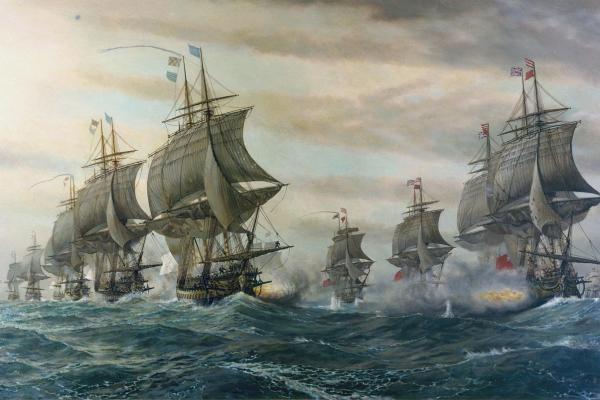
The Battle of the Capes occurred around the mouth of Chesapeake Bay in 1781. The naval battle occurred between the French and the British navies. Even though the battle lasted two hours, it played a significant role in the Siege of Yorktown's success, ultimately leading to the United States' independence.
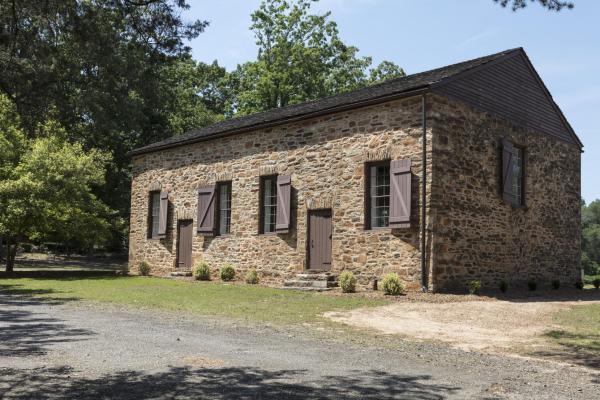
Nestled outside the traditional bounds of the South Carolina colony is the Presbyterian church where Andrew Pickens committed his time as an elder following the Revolution. In the adjacent cemetery lie the graves of several American soldiers who had fought by Pickens' side during the war.
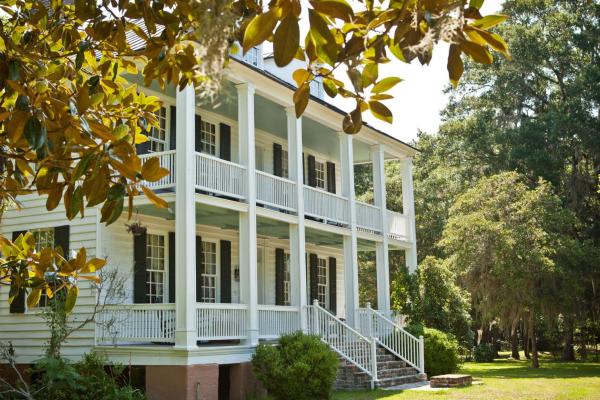
Built circa 1740, Hopsewee Plantation was one of the South’s major rice plantations and the birthplace of Thomas Lynch, Jr., one of the signers of the Declaration of Independence.
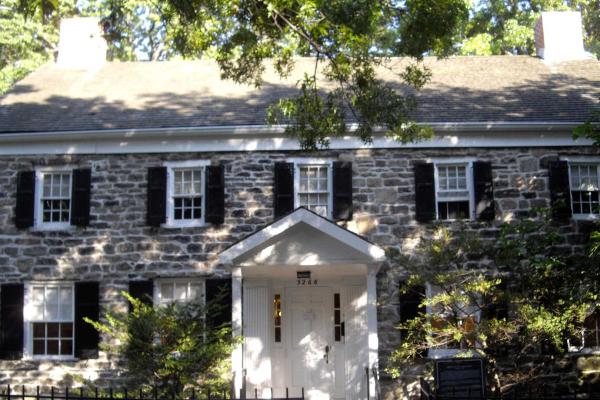
The Valentine–Varian House is a historic home located in the Norwood neighborhood of the Bronx. Site of skirmishes between British and American forces because of its commanding position over the Boston Post Road.

The Royal Governor's Mansion of New Jersey is the only remaining proprietary governor's mansion of the original Thirteen Colonies still standing today. Built in the 1760s, it served as the residence gubernatorial residence of William Franklin, Benjamin Franklin's Loyalist son.
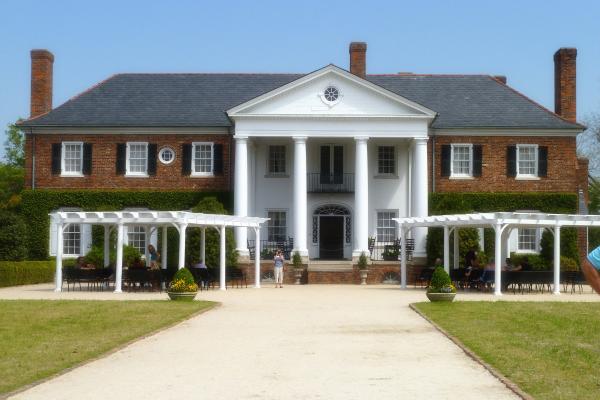
Boone Hall was influential in the history of South Carolina. Explore the house and grounds of this Colonial Plantation, as well as a live presentation of the Gullah Culture adapted by African slaves.
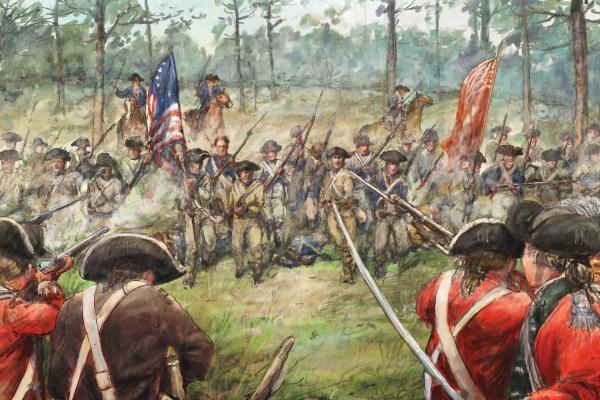
Patriot Leader Nathanael Greene Is repulsed but not defeated in his campaign to chase the British from the South Carolina backcountry
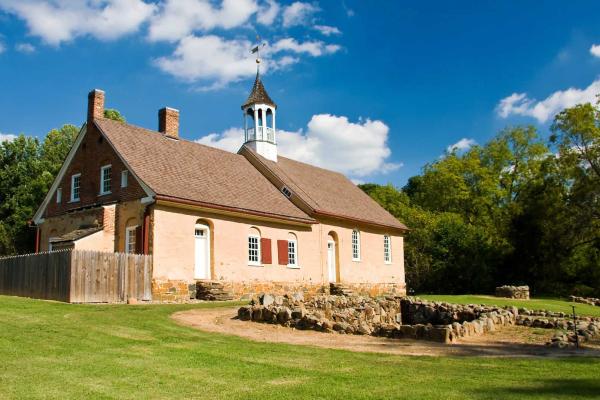
Once a thriving commercial hub, Bethabara was home to a Moravian settlement in Winston-Salem that witnessed the French and Indian War, the Regulator War, and the American Revolution.
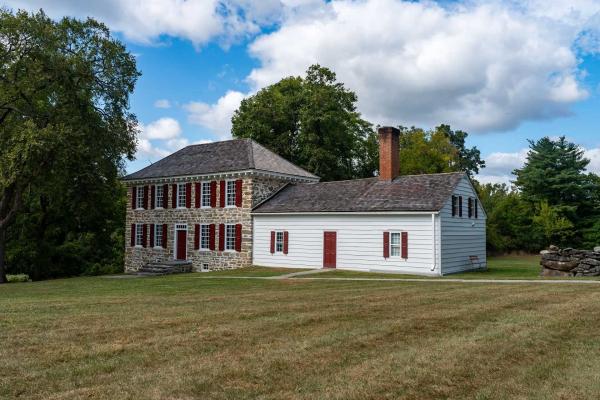
Historic headquarters of Major General Henry Knox during the winter of 1780-1781.
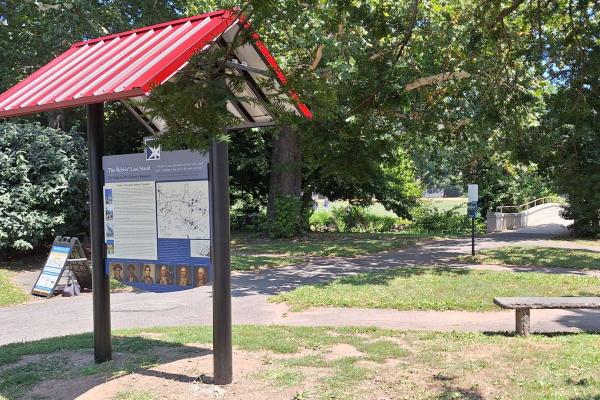
Site of one of the last contested battles of the Revolution's northern theater that protected Washington's encampment at Morristown.
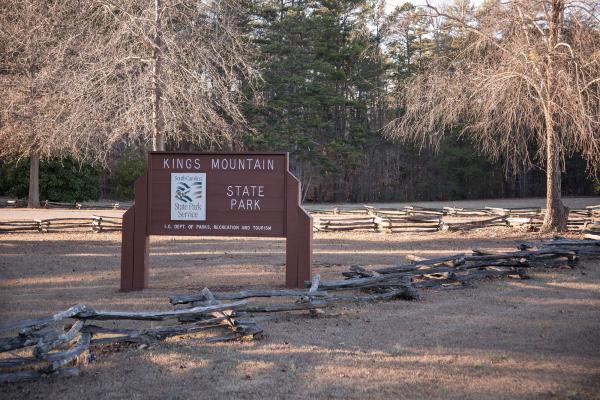
The Piedmont’s Kings Mountain State Park has miles of forested trails perfect for supreme Kings Mountain hiking, two fishing lakes, and sits adjacent to Kings Mountain National Military Park, one of many national park Revolutionary War sites.