-
The BlogBiographies
-
Videos

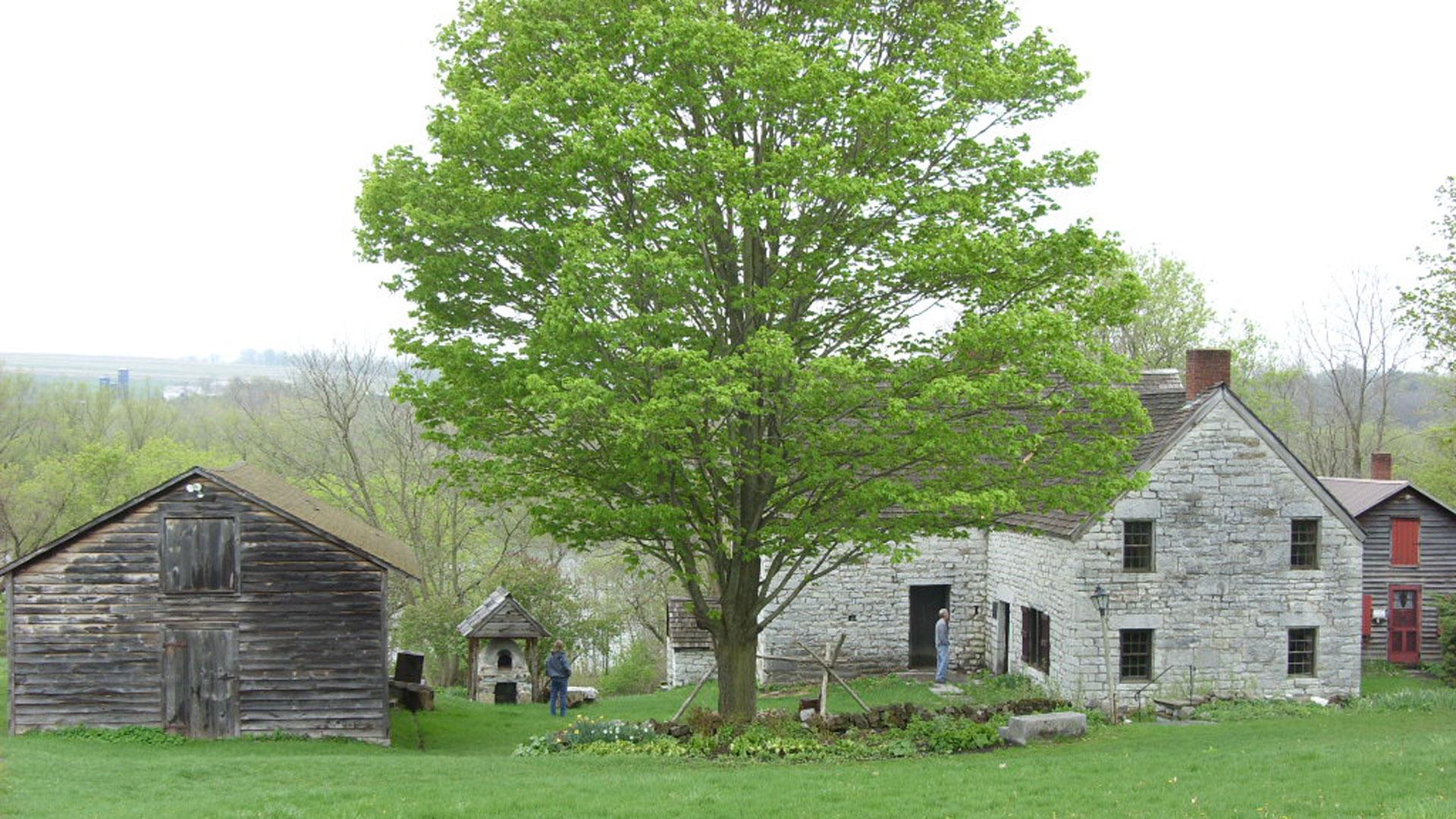
Built in 1750, Fort Klock is one of the Mohawk Valley's best-preserved fortified homes, serving as a refuge for local families during both the French and Indian War and the American Revolution.

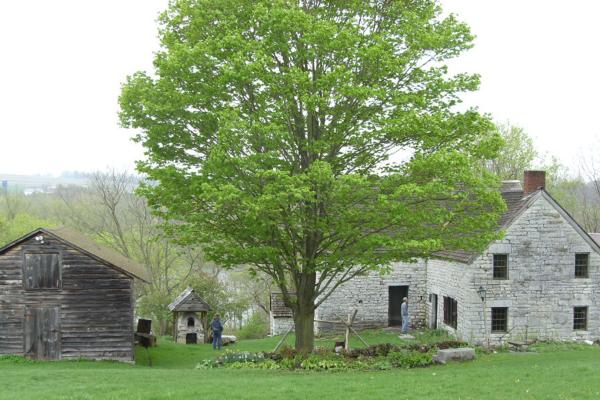
Built in 1750 by Johannes Klock, Fort Klock is one of the Mohawk Valley's best-preserved fortified homes. Constructed with thick stone walls, defensive loopholes, and a spring-fed water source, the homestead served as a refuge for local families during both the French and Indian War and the American Revolution. Klock, a patriot, militia member, and member of the Tryon County Committee of Safety, lived along the important transportation corridor of the Mohawk River and King's Highway.
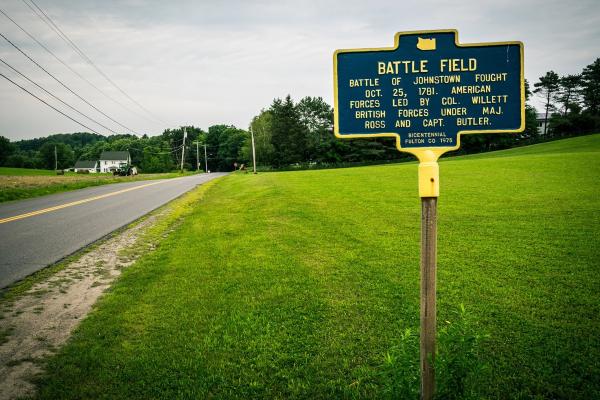
Fort Klock stood near the site of the Battle of Klock's Field, fought in October 1780 during the final stages of Sir John Johnson's destructive raid through the Mohawk Valley. Like many fortified homes throughout the region, the homestead played an important role in protecting settlers during years of frontier warfare.
The property remained in the Klock family until the mid-twentieth century, when years of neglect left the historic structure in danger of collapse. In 1953, a group of local history enthusiasts known as the Tryon County Muzzleloaders began an ambitious restoration effort, repairing the house and preserving it for future generations. Their work eventually expanded to include the restoration of a one-room schoolhouse, blacksmith shop, and historic Dutch barn on the property.
Today, Fort Klock is a National Historic Landmark and museum dedicated to preserving and interpreting life in the colonial Mohawk Valley. Through its restored buildings, collections, and educational programs, the site offers visitors a glimpse into the experiences of the families who lived on New York's Revolutionary frontier.
Explore more of The Liberty Trail by visiting these nearby attractions.
Johnstown, NY 12095