-
The BlogBiographies
-
Videos

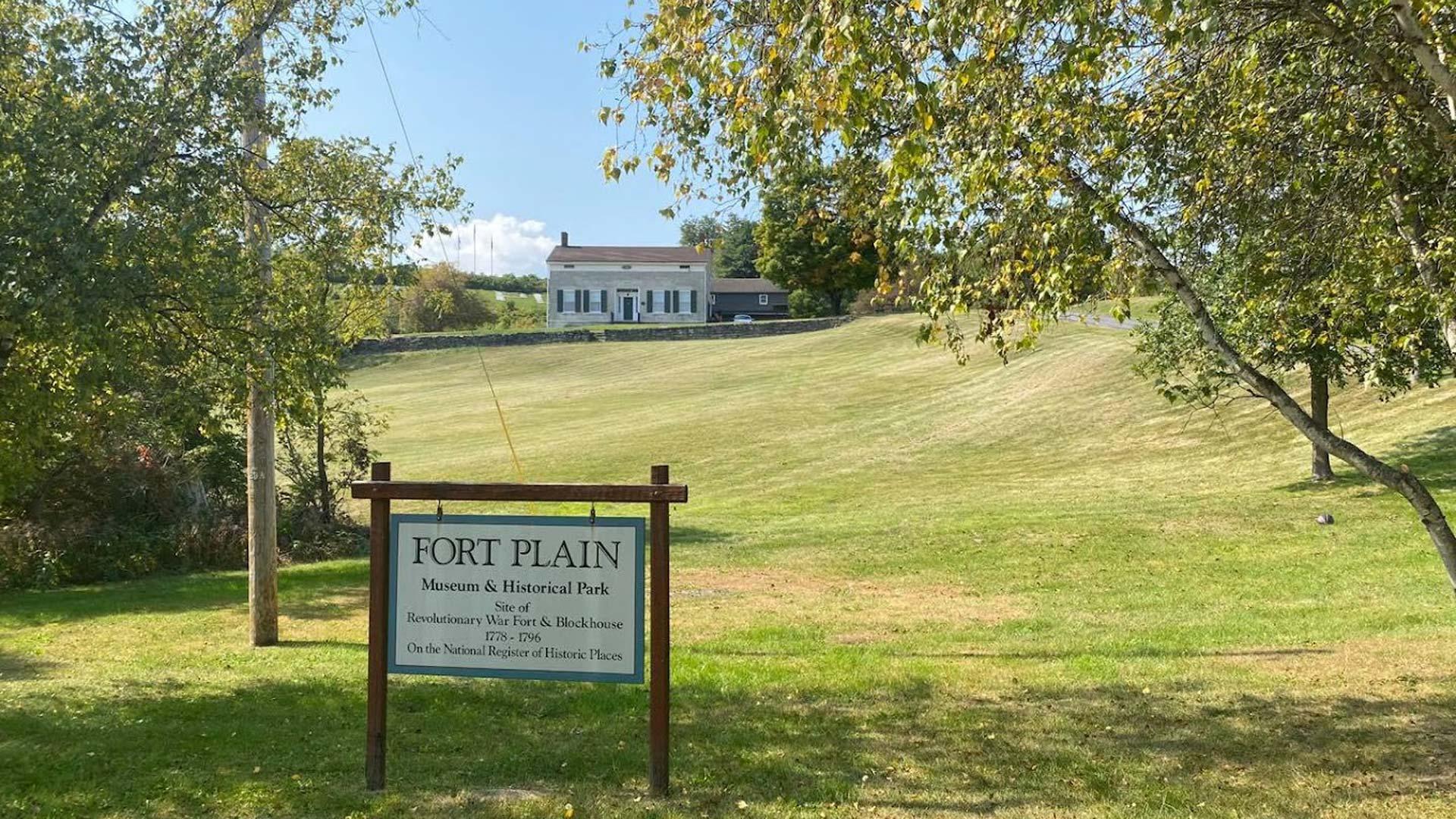
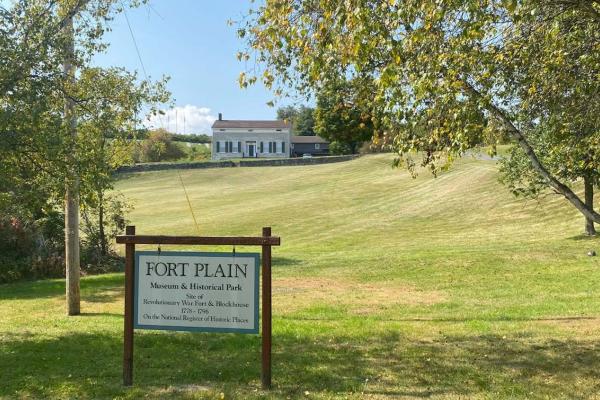
Perched high above the Mohawk Valley, Fort Plain stood as one of New York's most important frontier strongholds during the American Revolution, protecting settlers from raids and serving as the headquarters of famed patriot commander Marinus Willett.

Named for the Revolutionary War fort that once stood here, Fort Plain emerged as a vital refuge for Mohawk Valley settlers following the devastating frontier raids of 1777–1778. Constructed in 1779 to protect local residents and refugees from neighboring communities, the fort became a key defensive stronghold during the war. In 1780, General Robert Van Rensselaer established his headquarters here, renaming it Fort Rensselaer, though local residents continued to call it Fort Plain.
The fort played a central role in defending the valley during the British and Loyalist raids of 1780. When a raiding force attacked nearby settlements that August, local women and children reportedly donned soldiers' uniforms and walked the fort's walls, convincing the enemy that the garrison remained fully manned and helping save the post from attack.
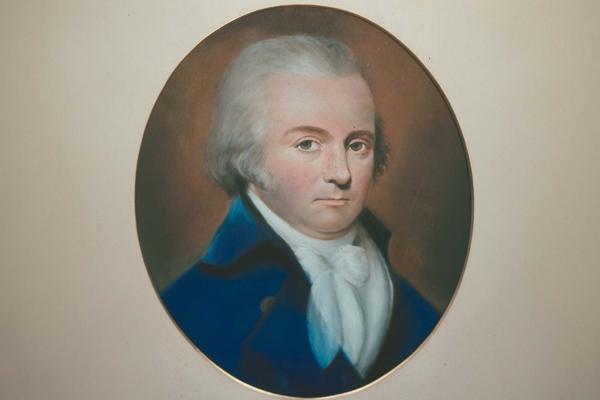
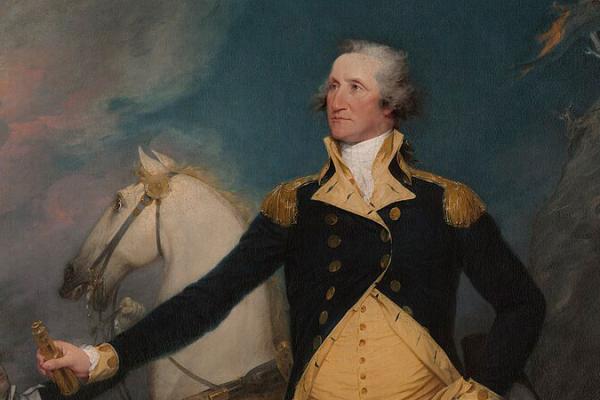
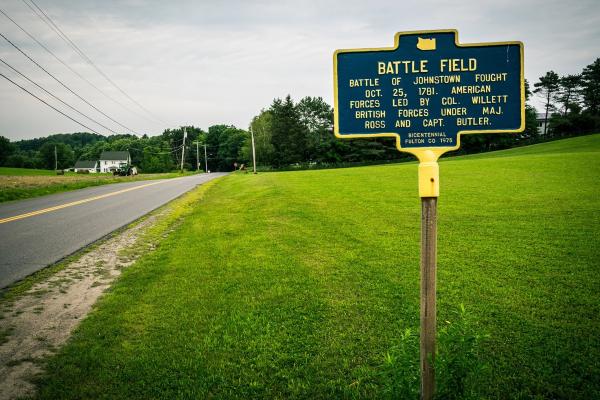
Under Colonel Marinus Willett, Fort Rensselaer became the headquarters and supply center for the western Mohawk frontier. Willett strengthened the fort's defenses and launched successful expeditions against Loyalist forces, including victories near present-day Sharon Springs and at the Battle of Johnstown in 1781. In July 1783, General George Washington visited Fort Rensselaer while touring New York's northern frontier, reviewing troops and meeting with local leaders.
The fort's hilltop location provided commanding views of the Mohawk Valley and surrounding approaches, making it one of the region's most strategically important defensive positions during the Revolution.
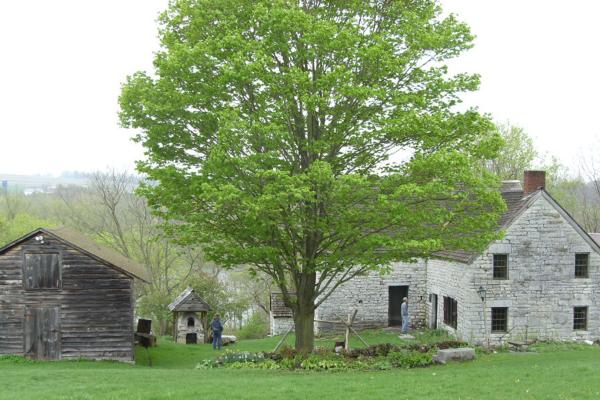
Today, the Fort Plain Museum preserves and interprets the history of Fort Plain/Fort Rensselaer and the Mohawk Valley frontier. Since its founding in 1961, archaeological investigations have uncovered remains of the fort's stockade, barracks, blockhouse, and other structures, helping to tell the story of the soldiers and civilians who defended the valley during the American Revolution.
Explore more of The Liberty Trail by visiting these nearby attractions.
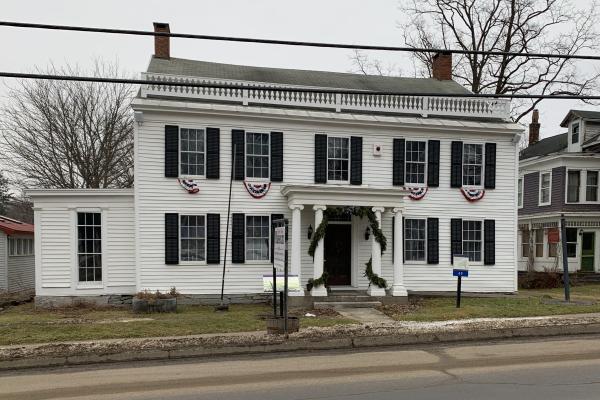
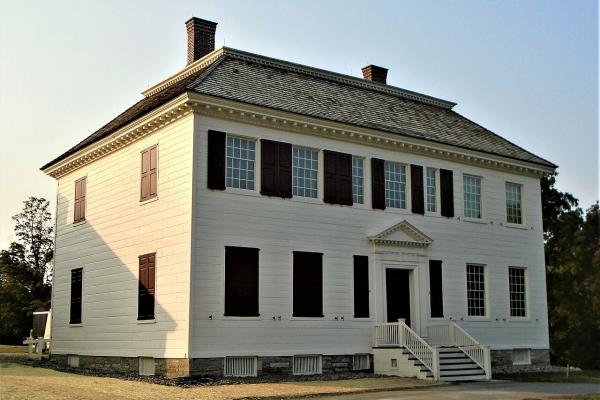
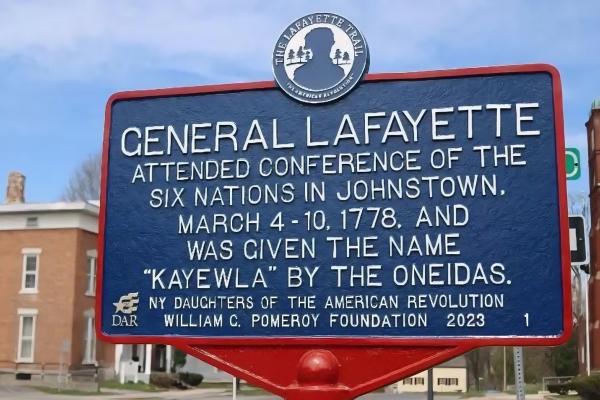
Johnstown, NY 12095