-
The BlogBiographies
-
Videos

A noteworthy battle known for the first combined Franco-American operation of the war alongside the inclusion of integrated American units on the frontlines.

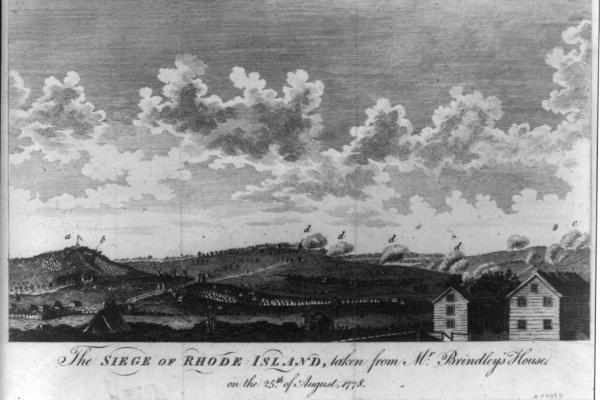
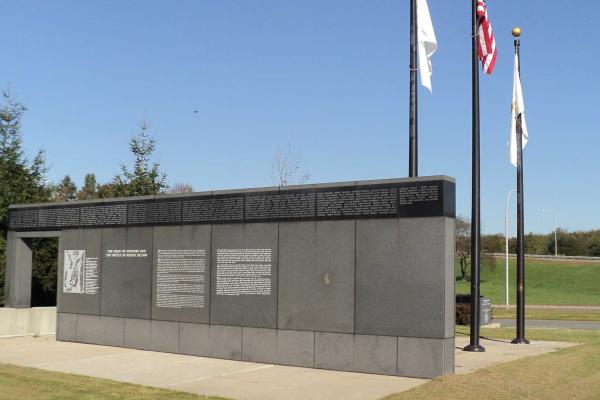
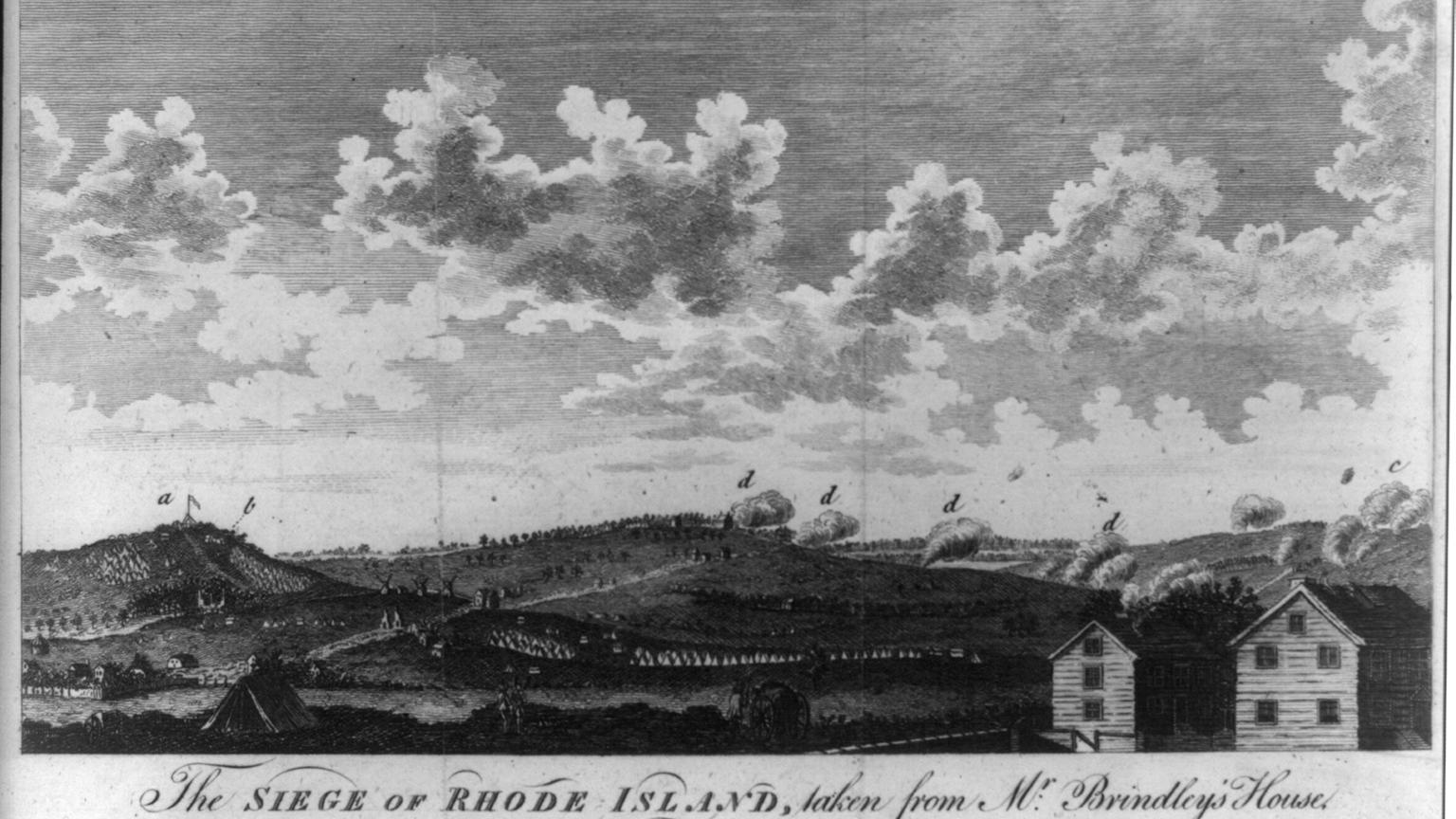
The August 29, 1778, Battle of Newport, Rhode Island (also sometimes known as the Battle of Quaker Hill or the Siege of Newport) is significant for being the first attempt at a combined Franco-American military operation during the Revolutionary War and for the participation of the 1st Rhode Island Infantry Regiment, a segregated unit composed of white, Black, and Native Americans.
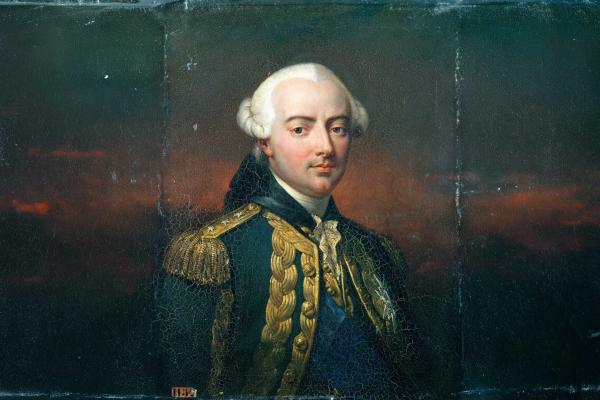
Newport had been occupied by British forces since late 1776, but with French entry into the War in March 1778, the Continentals saw an opportunity to recapture the town. Major General John Sullivan began planning his attack but was thwarted by a British raid on May 25. Undeterred, Sullivan renewed plans and called for support from Congress. Simultaneously, French Admiral Comte d’Estaing arrived in America, and finding New York Harbor too well-defended and narrow, agreed to join his American allies in their attempt to recapture Newport.
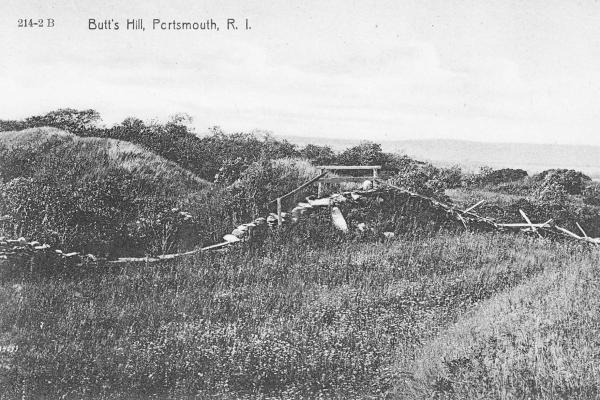
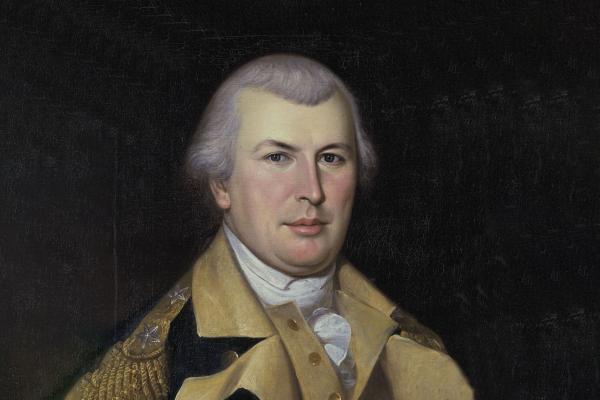
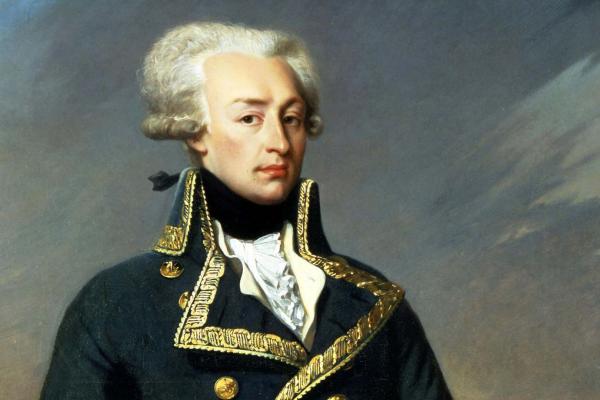
On July 23, George Washington ordered Sullivan along with the Marquis de Lafayette to reinitiate operations. A few days later, Major General Nathanael Greene, a Rhode Island native, joined Sullivan and Lafayette. As the battle neared, militias from across New England reinforced Sullivan’s command. Sullivan, Greene, Lafayette, and d’Estaing convened on July 29 to prepare for their joint assault on Newport. They agreed to cut off Aquidneck Island (on which Newport is located) through a naval blockade to the west and an army incursion to the east. British General Robert Pigot, commanding at Newport, discerned their plans and moved into defensive positions. Abandoning Butts Hill on the island’s northern end, Pigot consolidated his forces and supplies in Newport.
D’Estaing’s fleet entered Newport Harbor on August 8, and engaged British Admiral Sir Richard Howe. A raging storm on August 10-11 severely damaged both fleets, and the French, needing to regroup and repair, informed Sullivan they would depart for Boston. Despite Continental urging, the French abandoned the operation. Without the navy, and receiving word of that a reinforcement of 4,000 British soldiers from New York were on the way, Sullivan was forced to abandon the siege.
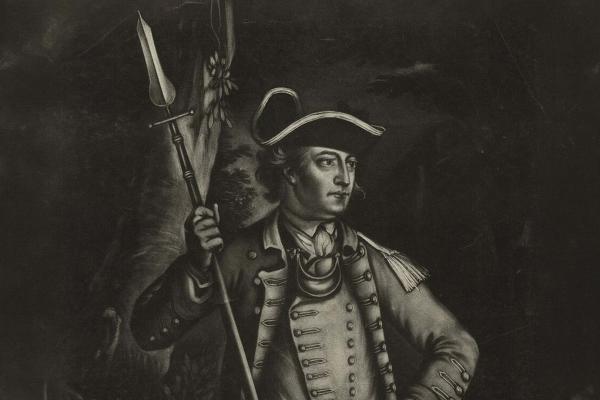
On August 28, Continental forces withdrew to the north and establishing defensive lines behind them. The American defensive line was broken into two sections. In the east, Brigadier General John Glover and his men formed a line overlooking Quaker Hill. Maj. Gen. Greene, in the west, deployed in front of Turkey Hill with the 1st Rhode Island Infantry deployed a half mile south. Accordingly, the British advanced in two lines that night: Major General Francis Smith in the east and Hessian General Friedrich Wilhem von Lossberg in the west. Early the next morning, the battle began.
Smith’s advance in the east quickly came under fire by American Lt. Col. Henry Brockholst Livingston. Smith, reinforced by Maj. Gen. Richard Prescott of the 54th Regiment of Foot and Maj. Montfort Browne’s Prince of Wales American Regiment, returned fire. Livingston was forced to retreat behind Quaker Hill all the way to Glover’s line. Smith, observing the strength of Glover's position, decided to call a halt.
In the west, Lossberg advanced against Col. John Laurens’ light infantry and pushed them back to Turkey Hill, then to Greene's line. Around 10 A.M., the HMS Sphynx, HMS Vigilant and HMS Spitfire Galley began bombarding Greene’s troops and the Hessians continued their assault. The 1st Rhode Island Regiment under Maj. Samuel Ward was engaged throughout the action in heavy, back and forth skirmishing. After another unsuccessful Hessian attack, Greene launched a counterattack. With numbers in his favor, Greene forced the British-Hessian forces back to Turkey Hill. An attempt to cut the Hessians off was repulsed which ultimately brought an end to the fighting. The British suffered 260 casualties (of which 128 were Hessians) and the Americans 181.
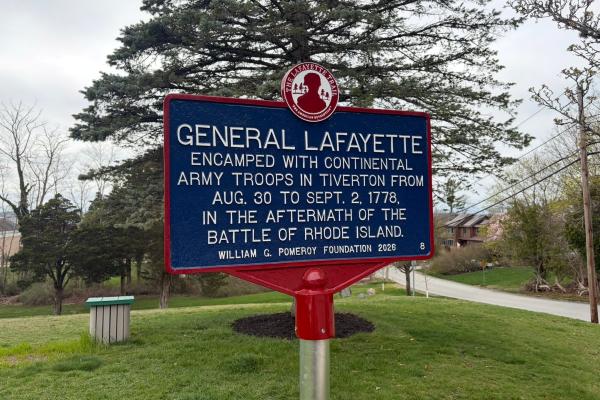
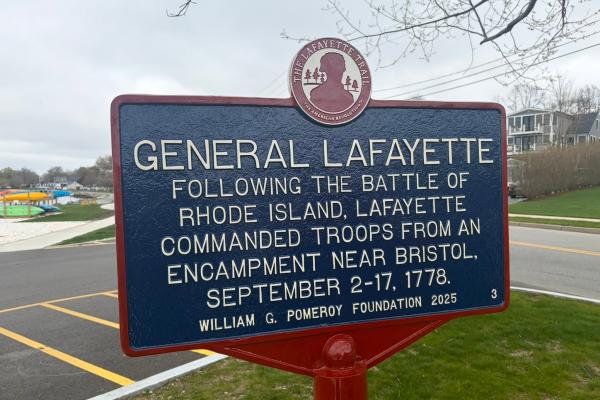
The following evening, Continental forces completely withdrew from Aquidneck Island, leaving it entirely in British hands. British attempts to corner d’Estaing’s fleet in Boston were interrupted by another storm, allowing the French admiral to slip away to the West Indies. British Lt. Gen. Sir Henry Clinton’s New York reinforcements arrived on September 1, after the battle ened. Upset that Pigot did not wait for reinforcements that could have crushed American forces, Clinton sent him back to England. The British abandoned Newport in October 1779, leaving it in ruins.
The battle, aside from its failed attempt at a French-American joint operation, is also best remembered for the 1st Rhode Island Regiment’s participation.
Explore more of The Liberty Trail by visiting these nearby attractions.