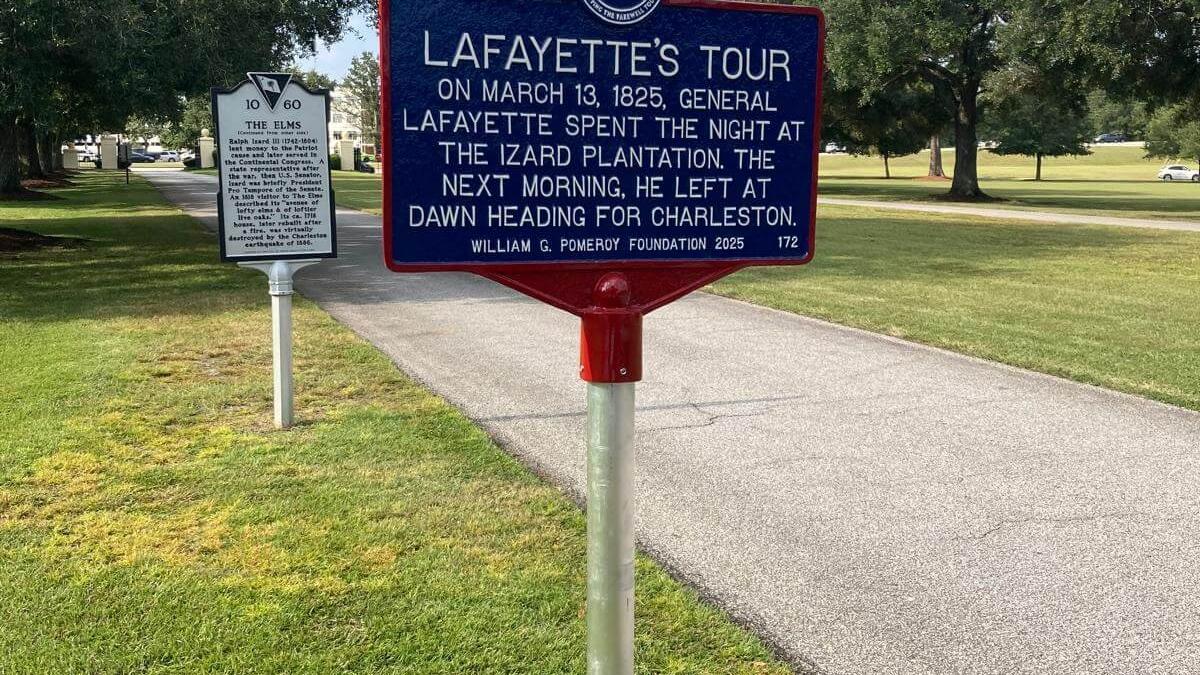

President James Monroe invited the Marquis de Lafayette to visit the United States, his adopted country. Lafayette’s tour of all 24 states in 1824 and 1825 drew large crowds and sparked a renewal of patriotism. During the American Revolution, Lafayette’s intense advocacy of the American cause convinced King Louis XVI of France to send troops and ships, which proved crucial to the American victory at Yorktown.
North Charleston did not exist as a municipality in 1825. The area consisted of plantations, rural roads, and river landings along the Cooper River. The Ralph Izard family’s plantation—where Lafayette slept the night of March 13, 1825—was one of the major estates in this region. Lafayette departed at first light and traveled directly toward Charleston, entering the city that morning for his major reception. Ralph Izard (1741/42–1804) was a wealthy South Carolina planter, diplomat, and U.S. Senator who played a significant political and diplomatic role during and after the American Revolution.
Learn about Revolutionary War Combat Strategy. Watch the Revolutionary War Animated Map. For a summary, read An Overview of the American Revolution.
What's Nearby
Explore more of The Liberty Trail by visiting these nearby attractions.
North Charleston, SC 29406
Summerville, SC 29485
Charlestown, SC 29414
Charleston, SC 29414
Charleston, SC 29403

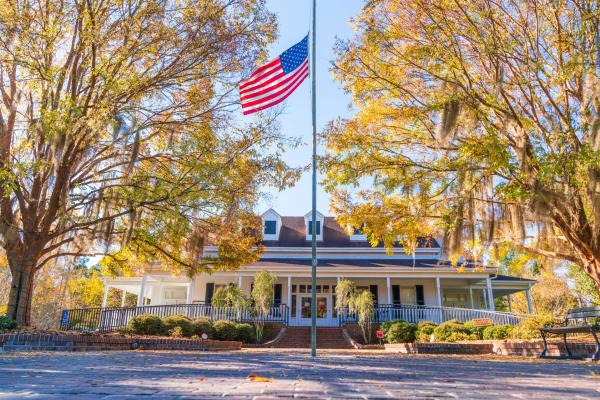
Moncks Corner, SC 29461

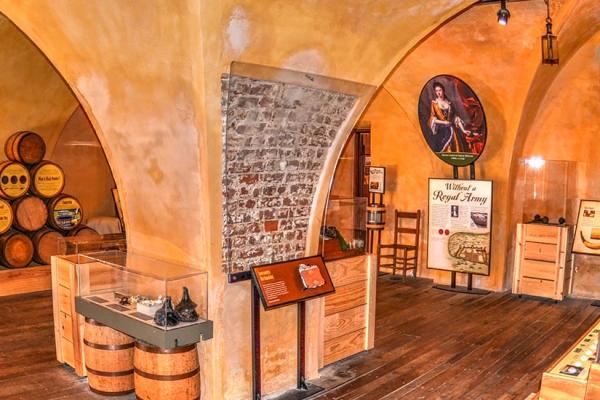
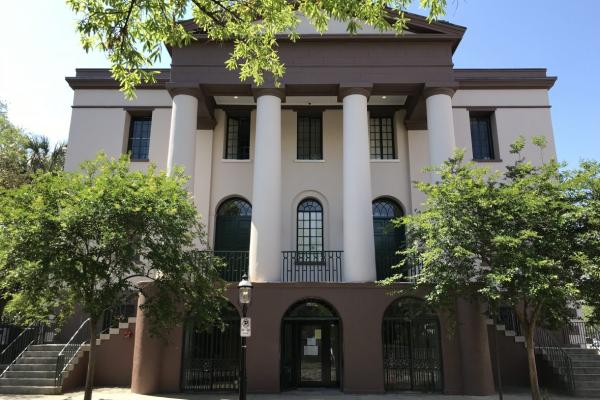
Charleston, SC 29401
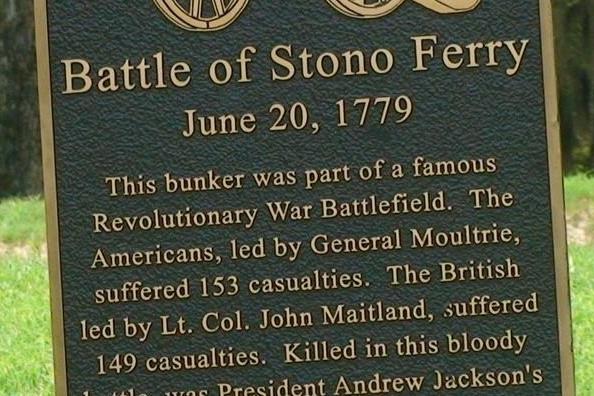
Charleston, SC 29401
Charleston, SC 29401
Charleston, SC 29401
Mt Pleasant, SC 29464

Huger, SC 29450
Sullivan's Island, SC 29482
Sullivan's Island, SC 29482