-
The BlogBiographies
-
Videos

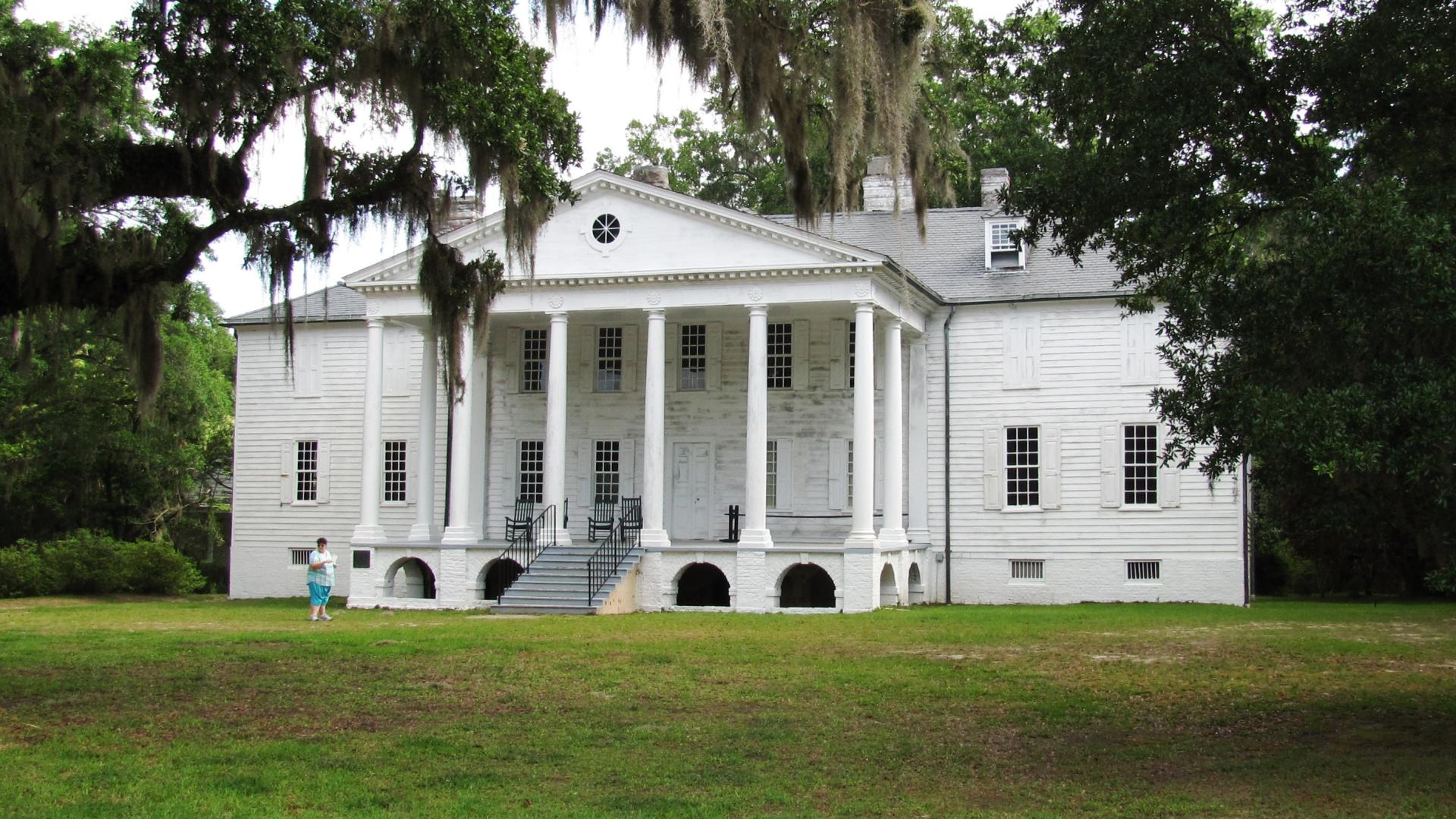
This 18th-century plantation home, on the grounds of the Hampton Plantation State Historic Site, served as a place of refuge for Francis Marion who hid here from when British troops.


Located in the southern Santee Delta region, Hampton Plantation State Historic Site is home to the remote, final remnants of a colonial-era rice plantation. The plantation now serves as an interpretive site for the system of slavery and rice cultivation in the region from the colonial period through the end of the Civil War. The property also tells the story of the freed people who made their homes in the Santee Delta region for generations after emancipation.
April 1, 2024 - June 30, 2024, 12:00 PM - 2:00 PM
Every Week on Sunday, Monday, Tuesday, Friday, Saturday
$10.00/adult, $5.00/child, $6.00/SC senior. Please stop by the Ranger Station to pay.
Visitors can explore the mansion to learn how it was constructed and changed over time from the early 18th century. The kitchen building and the unearthed foundation of one of the slave dwellings show the disparity between the lifestyles of the planters and the enslaved.
The plantation grounds include walking trails through pine forest, views of Wambaw Creek, and the remains of rice fields that once stretched as far as the eye could see. Hampton inspired the works of South Carolina’s first poet laureate, Archibald Rutledge—the last private owner of the house, who lived there until 1969. The site is a National Historic Landmark.