Trail Sites

Liberty Trail Historic Sites

Discover the myriad of sites across The Liberty Trail where significant cultural and Revolutionary history unfolded. From military ruins to meticulously restored mansions, immerse yourself in the footsteps of our nation’s history-makers.

States of Interest:

There are no results matching your search. Please try again.

Filter By:
States of Interest

Liberty Trail History Makers

The Revolutionary War was a war unlike any other — one of ideas and ideals, that shaped “the course of human events. Explore the history and personalities from this pivotal time in American history.
Biography

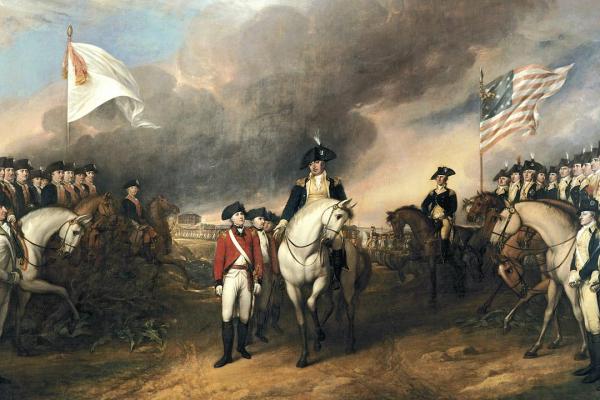
When British forces besieged Charleston, Lincoln was forced to surrender over 5,000 men. Denied honors of war in surrender, Lincoln was paroled and returned to Washington’s army. After the Battle of Yorktown, Lincoln accepted the surrender from the British, allowing him to have revenge for his defeat in Charleston.

Biography

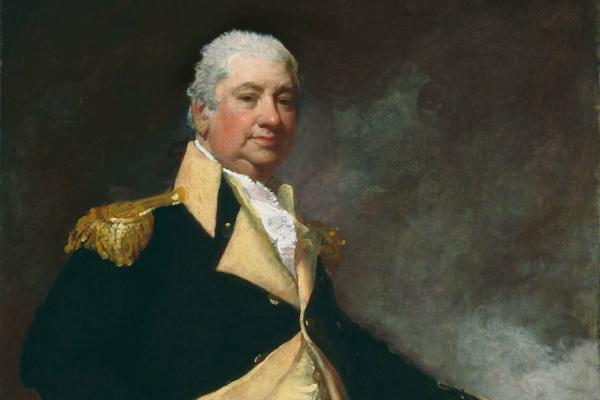
A self-educated bookseller and artillery expert, Knox led artillery efforts that forced the British to evacuate Boston and later serving as a trusted officer under General Washington and the first U.S. Secretary of War.

We invite you to visit the preserved locations along the Liberty Trail and to immerse yourself in the extraordinary events that determined the fate of a nation.
Historic Site | Historic House
Beaverdam, VA

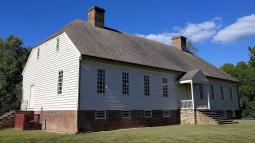
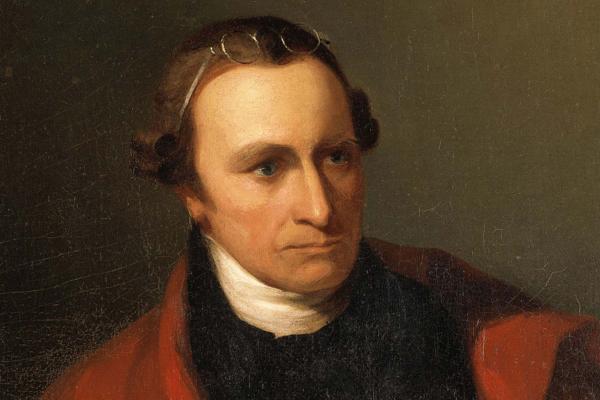
Once owned and operated by Founding Father Patrick Henry, it was while living in this home that Patrick Henry coined the phrase "Give me liberty or give me death!"

Historic Site |
Norfolk, VA

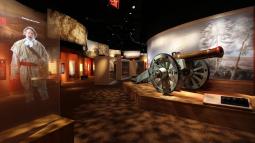
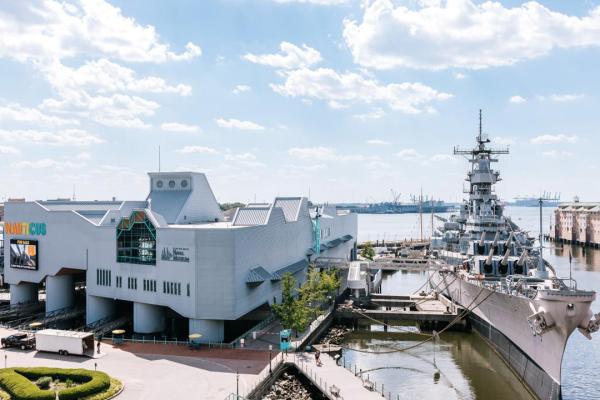
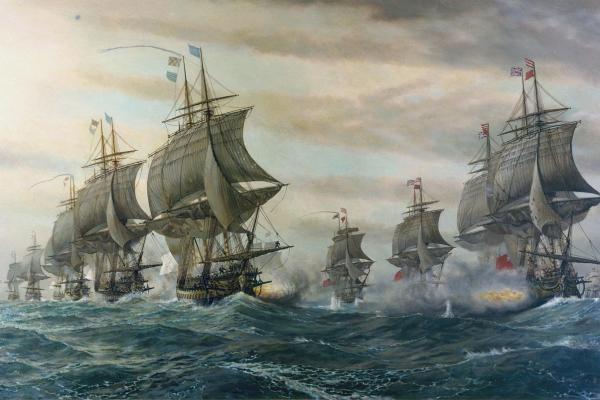
The Hampton Roads Naval Museum is one of ten U.S. Navy-run museums in the country. It highlights Virginia's naval history from the American Revolution to the present.

Historic Site |
Suffolk, VA

Located just south of the Chesapeake Bay, this "uninhabitable" Great Dismal Swamp was home to thousands of Native Americans and Maroons--self-emancipated slaves--throughout the 18th and 19th centuries.

Historic Site
Abingdon, VA

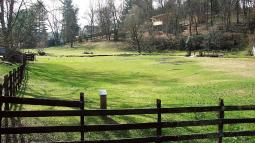
The Abingdon Muster Grounds is a 9-acre park is the site where, in 1780, 400 Virginians joined other patriot militia from the western frontier in a two-week campaign that ended with a critical victory at the Battle of Kings Mountain. The Abingdon Muster Grounds is a partner site of the Overmountain Victory National Historic Trail.

Historic Site | Historic House
Lynchburg, VA

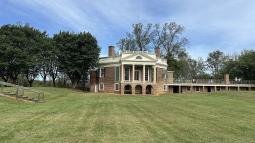
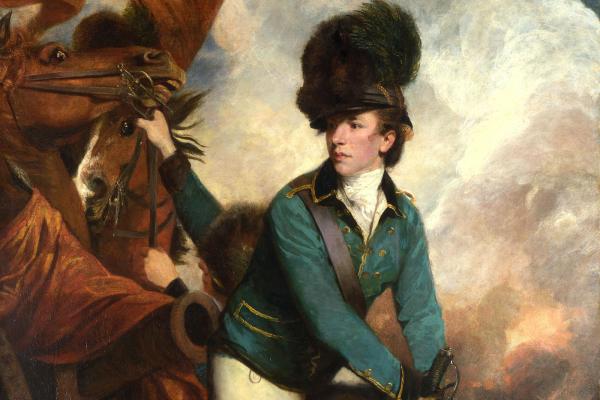
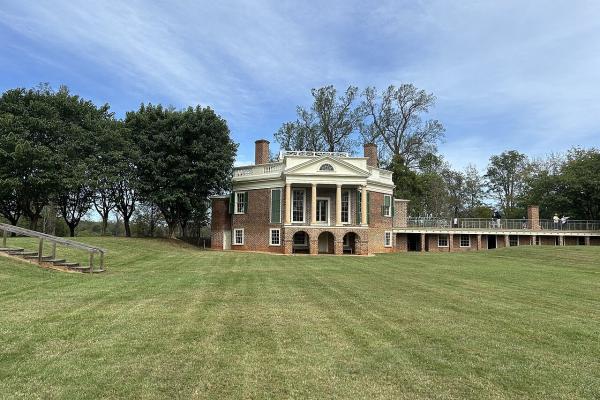
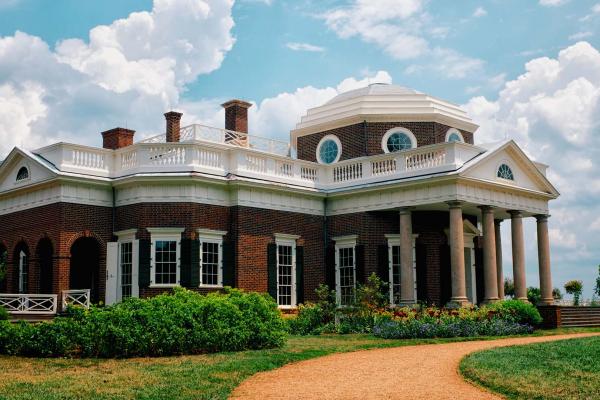
During the Revolutionary War in 1781, Virginia Governor Thomas Jefferson fled to Poplar Forest from Monticello to evade capture from British forces under Lieutenant Colonel Banastre Tarleton.

Battlefield |
Chesapeake, VA

The primary approach to Norfolk, Virginia, was over Great Bridge, which spanned the Elizabeth River. On the morning of December 9, 1775, British soldiers attacked Patriot forces near the bridge in an attempt to seize the bridge and run off the rebels.

Historic Site | Marker
Suffolk, VA
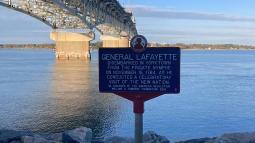
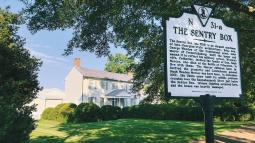
In March of 1781, much of the Continental Army was hunting for the traitor, Benedict Arnold. In mid-March, Lafayette was sent south from the Elk River in Maryland with a detachment of troops to...
Historic Site | Historic House
Montross, VA

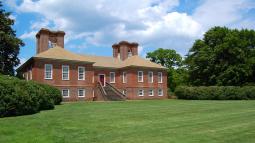
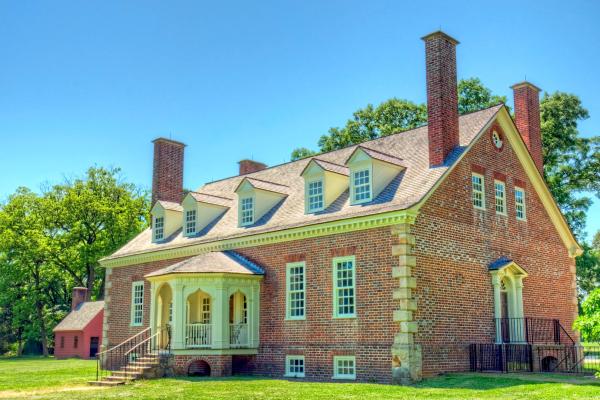
Stratford Hall was home to four generations of the Lee family including Revolutionary War veteran, Henry "Light Horse Harry" Lee, and the only brothers to sign the Declaration of Independence: Richard Henry Lee and Francis Lightfoot Lee. S

Historic Site |
Williamsburg, VA

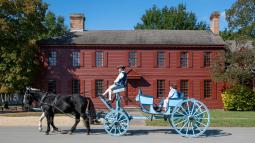
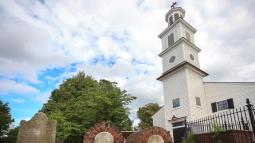
Known worldwide as the nation's largest living history museum, Colonial Williamsburg operates the restored eighteenth-century capital of colonial Virginia.

National Park | Battlefield
Yorktown, VA

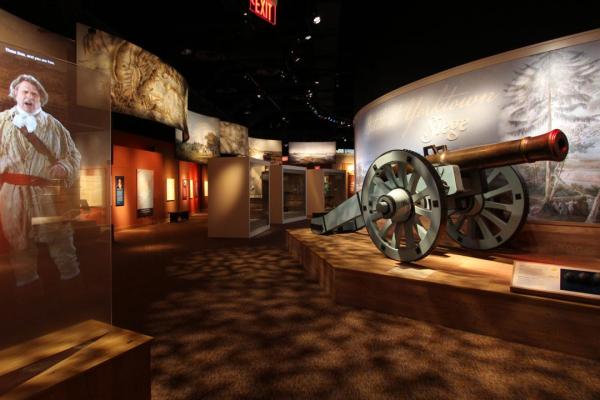
Yorktown was George Washington's decisive victory over General Lord Charles Cornwallis. Learn about the last major land battle of the American Revolutionary War.

Battlefield |
Williamsburg, VA

One of the last Virginia land battles of the Revolution prior to Yorktown, Green Spring saw Anthony Wayne and the Marquis de Lafayette successfully lead their troops to victory against an ambush laid by Charles Cornwallis.

Historic Site | Marker
Yorktown, VA
Following the Revolutionary War, Lafayette accepted an invitation from George Washington and returned to America. The Marquis de Lafayette departed France in mid-June 1784 and arrived in New York City...