-
The BlogBiographies
-
Videos

We invite you to visit the preserved locations along the Liberty Trail and to immerse
yourself in the extraordinary events that determined the fate of a nation.
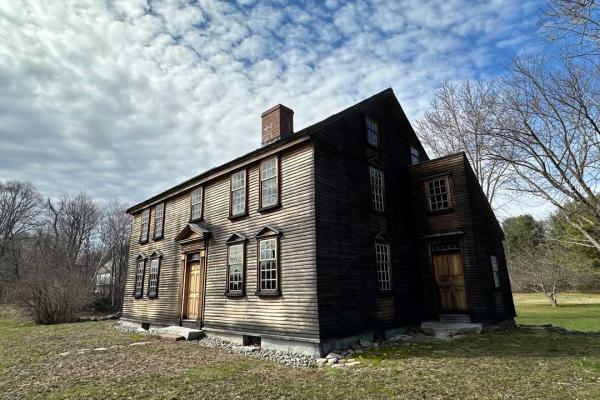
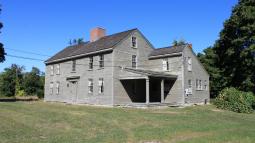
In the days leading up the Battle of Lexington and Concord, James Barrett stored military supplies, including small cannons, from that were smuggled out of Boston amid rising tensions with the British.
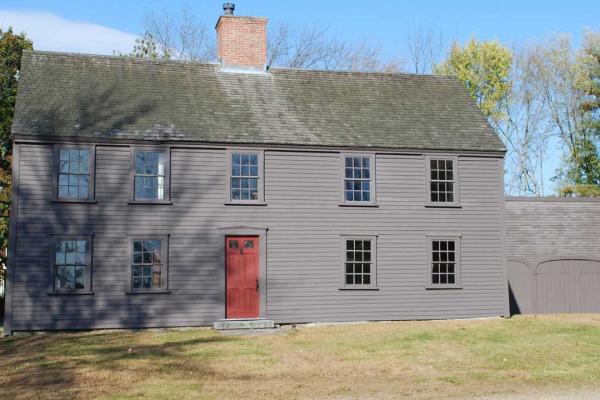
The site of the first known Colonist offensive attack during the Revolution, Meriam's Corner marks where the British column, retreating to Boston, was ambushed by local militias.
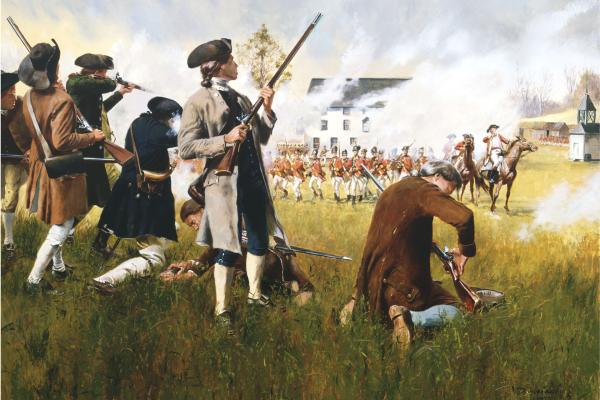
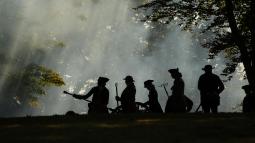
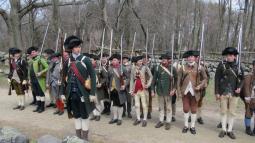
At dawn on April 19, 1775, an unknown shot shattered the silence in Lexington. British Redcoats and colonial militia clashed, leaving blood on the field. In Concord, the patriots struck back, and as the British retreated, gunfire hounded them to Boston, thus sparking the American Revolution
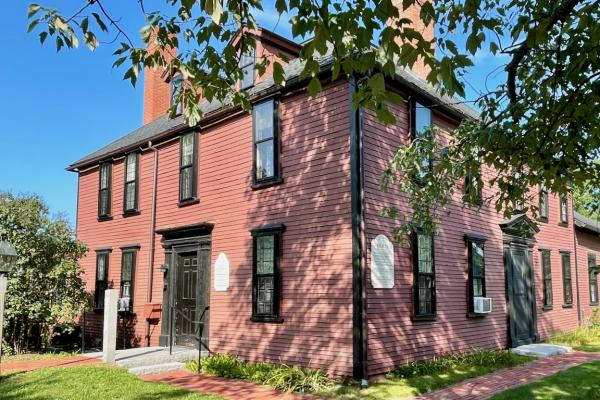
Known by several names over the past two centuries, it is now known as the Wright Tavern, named after its owner during the Battle of Lexington and Concord, Amos Wright.
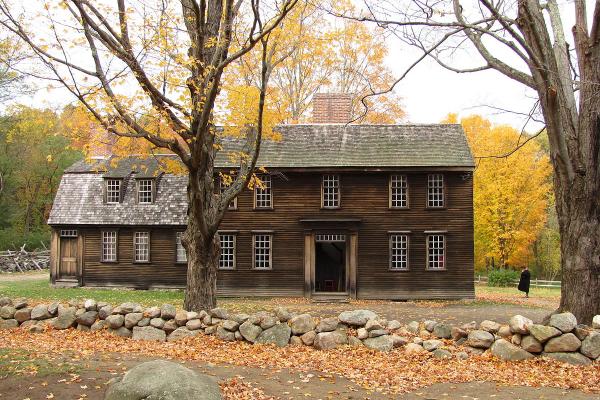
Located near where Paul Revere was captured during his famous ride, one of Revere's compatriots was able to escape and alert Hartwell family, who continued to raise the alarm about the advancing British troops.
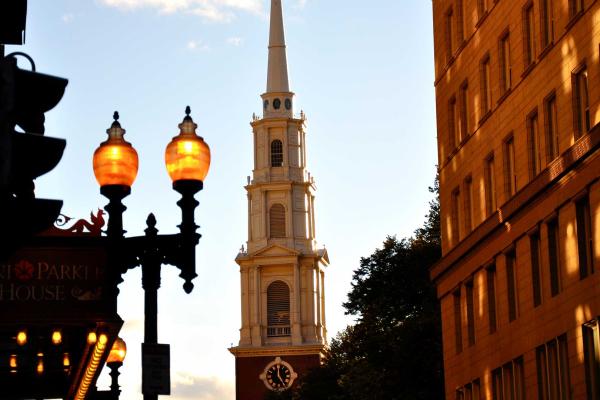
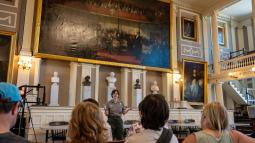
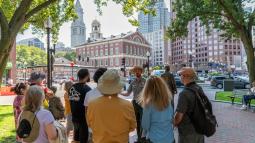
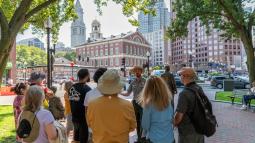
Frequented by many influential figures in Boston's revolutionary history, the Old South Meeting House served as a place of public discourse that contributed to the city's role in the American Revolution
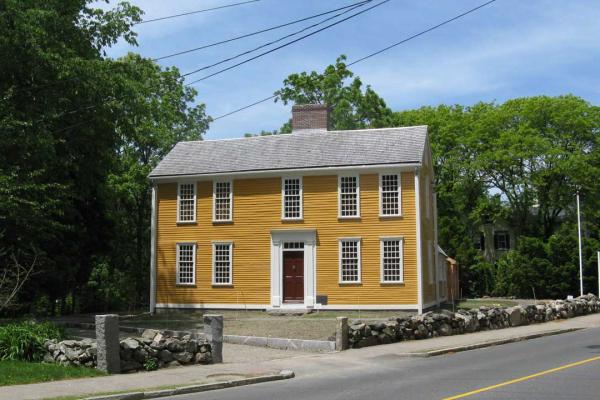
In the early twilight hours of April 19, 1775, Paul Revere rode by this house to warn its occupants, Samuel Adams and John Hancock, of the impending British raids. Already known for their revolutionary sentiments, Adams and Hancock fled to avoid capture.
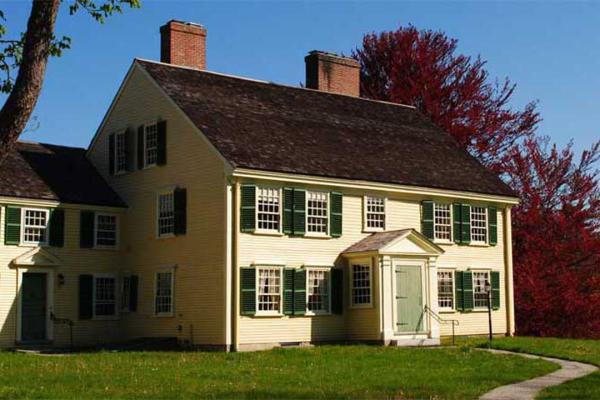
Major John Buttrick, whose name is now the sake of this homestead, was a fourth generation American whose great-grandfather, William Buttrick, helped establish Concord in 1635. During and after the war, John Buttrick held positions in the military and upheld civic posts during the early days of the American Republic.
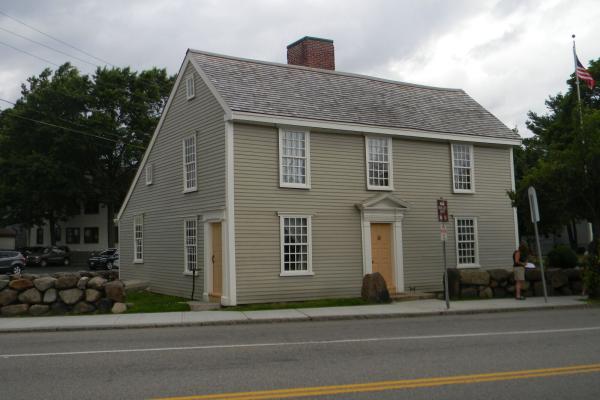
This home, now known as the "John Quincy Adams Birthplace," was John and Abigail Adams' residence during the Revolutionary War. While John served as a delegate to the Second Continental Congress in Philadelphia, Abigail managed this home and served as an advisor to her husband in his public role.
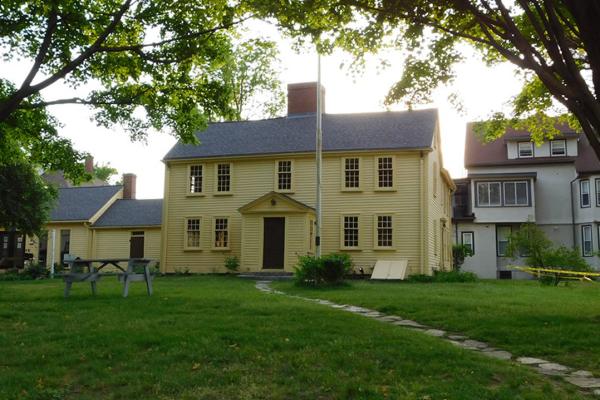
One of the bloodiest sites during the Battle of Lexington and Concord, this house saw extensive combat and still bears the scars left behind by the engagement.
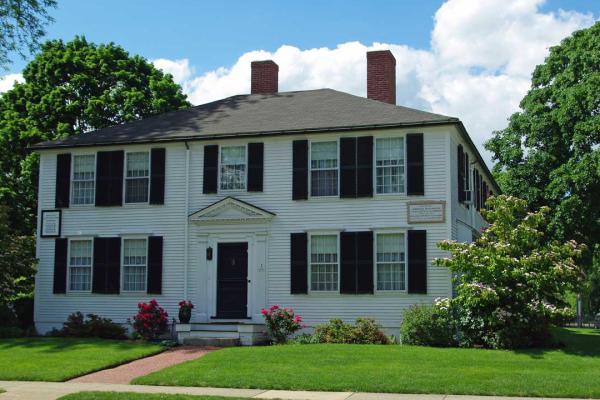
The Harrington House belonged to that of Jonathan Harrington whom, according to local history, crawled back to his house to pass in his wife's arms after being mortally wounded during the Battle of Lexington and Concord
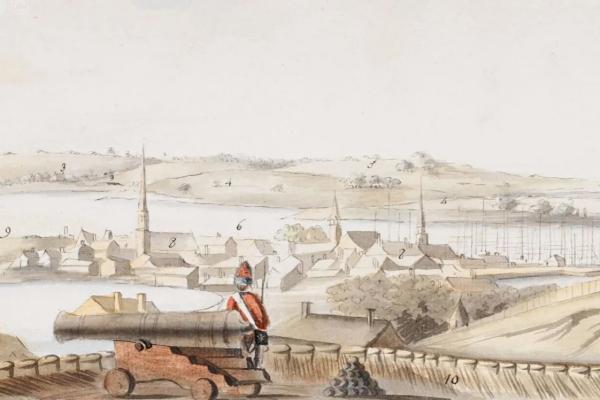
The second engagement of the Boston Campaign, the Battle of Chelsea Creek marked a stunning defeat for the British as their resources began to dwindle in Boston.