-
The BlogBiographies
-
Videos

We invite you to visit the preserved locations along the Liberty Trail and to immerse
yourself in the extraordinary events that determined the fate of a nation.
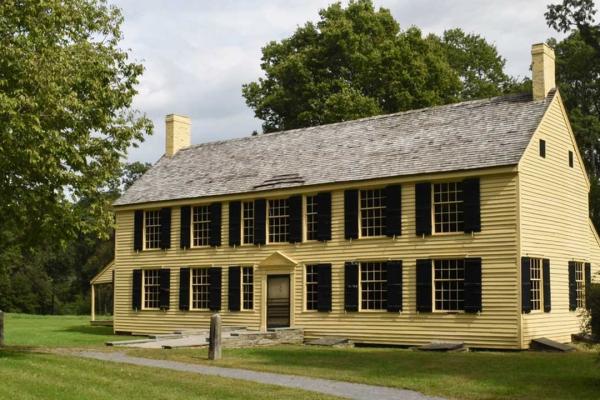
This property is located in the "Old Saratoga" unit of Saratoga National Historical Park.
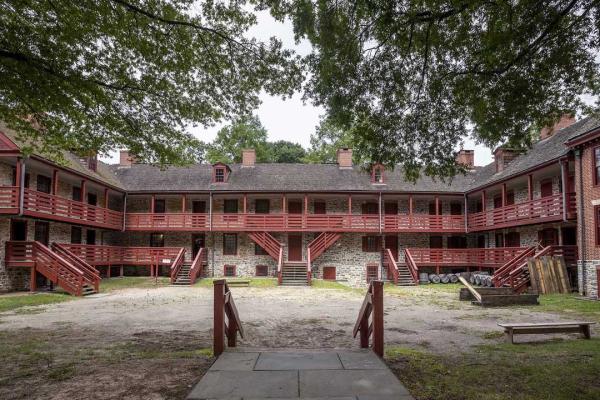
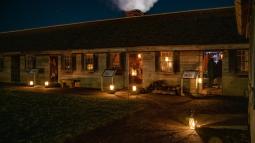
The Old Barracks Museum is located in Trenton, New Jersey and stands as one of the last military structures dating back the French & Indian War and the American Revolution.
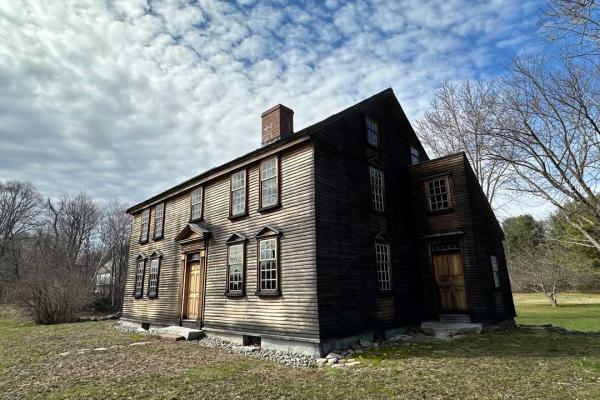
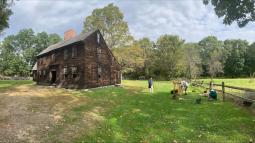
In the days leading up the Battle of Lexington and Concord, James Barrett stored military supplies, including small cannons, from that were smuggled out of Boston amid rising tensions with the British.
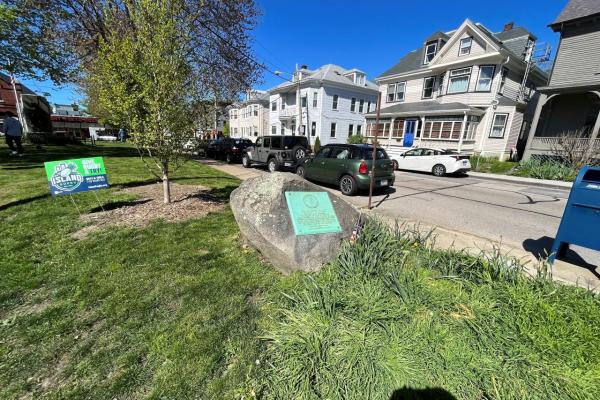
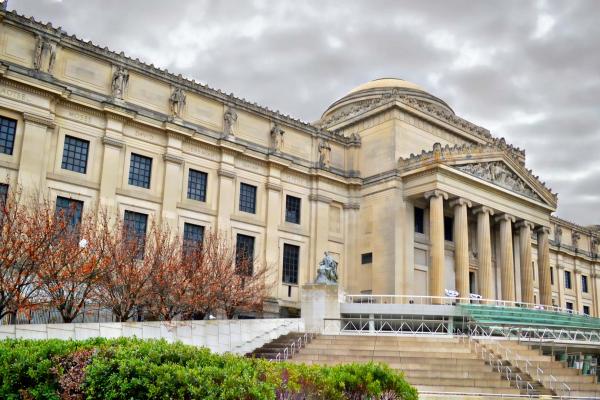
Art museum in Brooklyn that possesses paintings, prints, and collections related to the Revolutionary War and the Battle of Brooklyn.

This park features the Lands Ford crossing, used during the Revolutionary War by both British and American troops under Cornwallis and Sumter before and after pivotal battles.
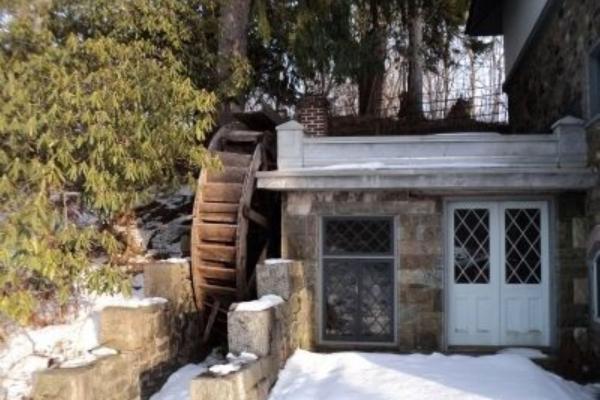
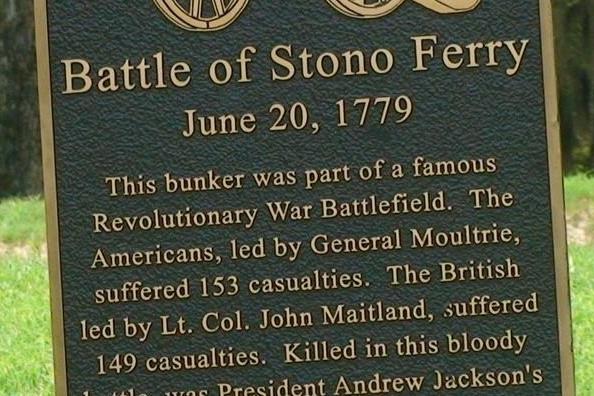
The Patriots launch a misguided attack on British troops retreating from an aborted raid on Charleston
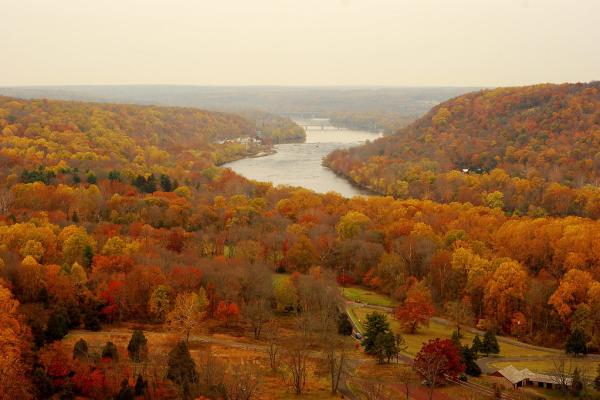
The location of George Washington's famous crossing of the Delaware, the site is now a state park that offers historical interpretation and several recreational activities.
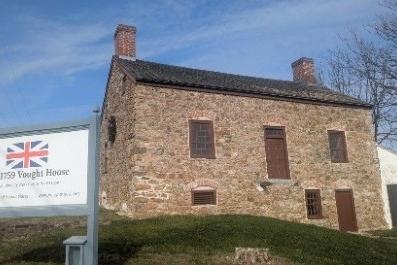
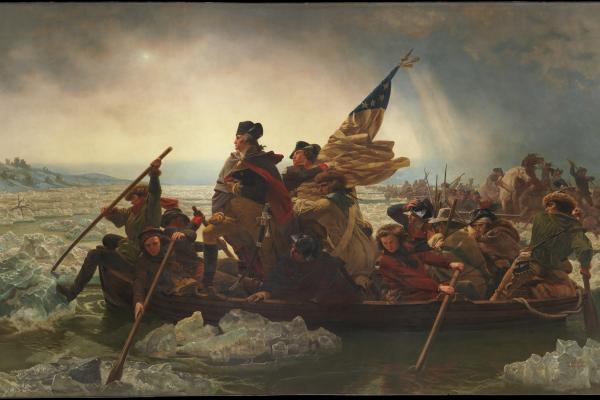
Renowned for Gen. George Washington's daring crossing of the Delaware River on a frigid Christmas night, Trenton marked the start of the Ten Crucial Days—a series of bold victories that reignited hope in the Revolutionary cause.
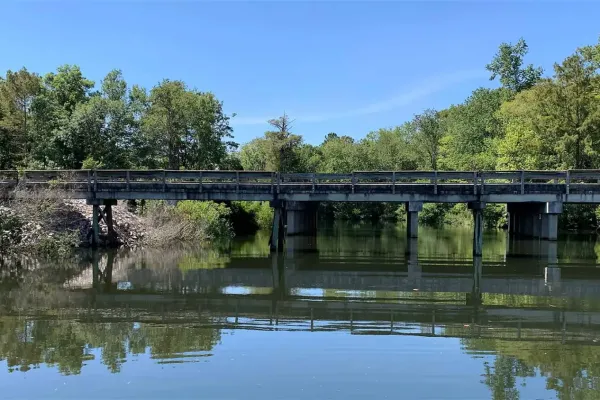
The Patriots Take Provisions and Prisoners in a Surprise Attack on a British Supply Depot.