-
The BlogBiographies
-
Videos

We invite you to visit the preserved locations along the Liberty Trail and to immerse
yourself in the extraordinary events that determined the fate of a nation.
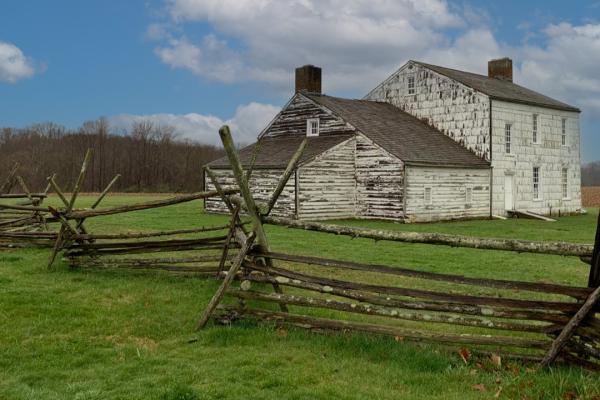
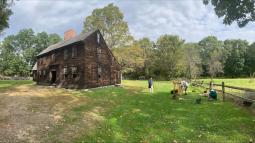
An ordinary farmhouse within Monmouth, it became a hotspot during the Battle of Monmouth as Charles Lee mounted a defense against advancing British troops.
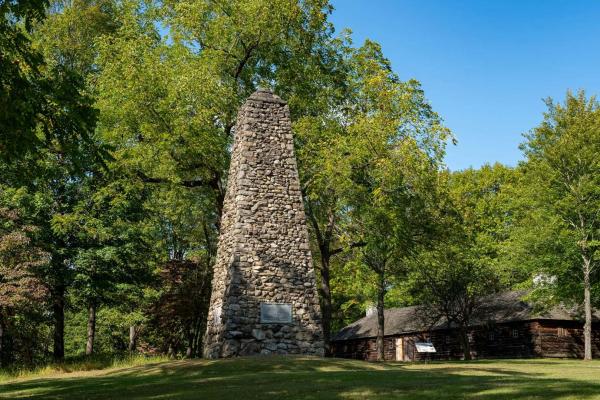
The New Windsor Cantonment Site preserves the final winter encampment of George Washington’s Continental Army, where nearly 7,500 soldiers awaited the war’s end in 1783.
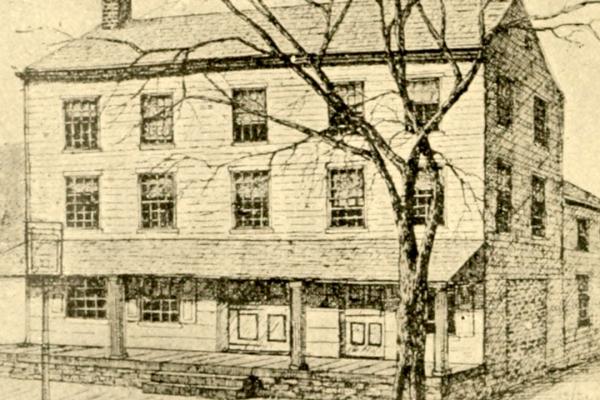
The Arnold Tavern, constructed in the mid-18th century, served as Washington's headquarters from January - May 1777
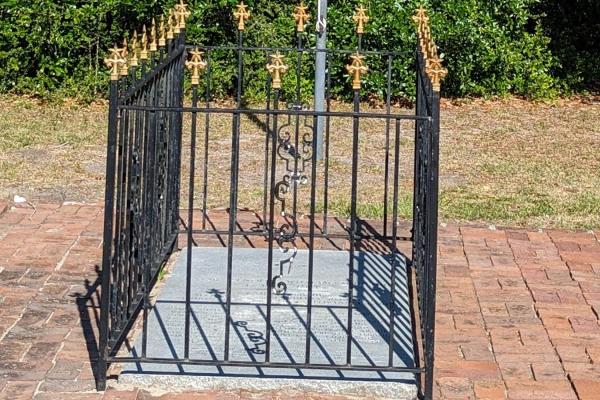
William Moultrie died in 1805 and was buried in the family cemetery. In 1977, his remains were moved to Sullivan's Island within Fort Moultrie.
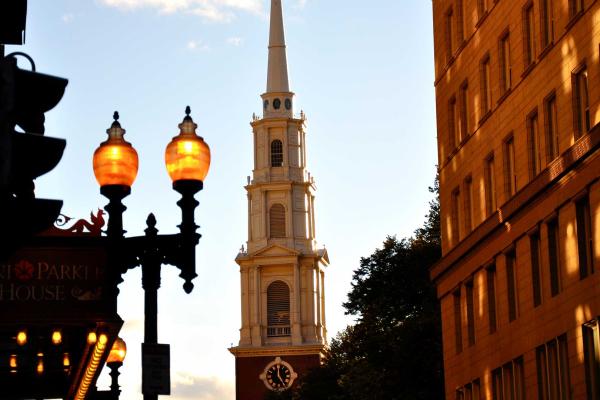
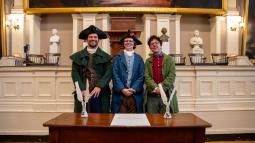
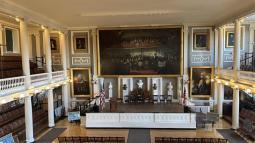
Frequented by many influential figures in Boston's revolutionary history, the Old South Meeting House served as a place of public discourse that contributed to the city's role in the American Revolution
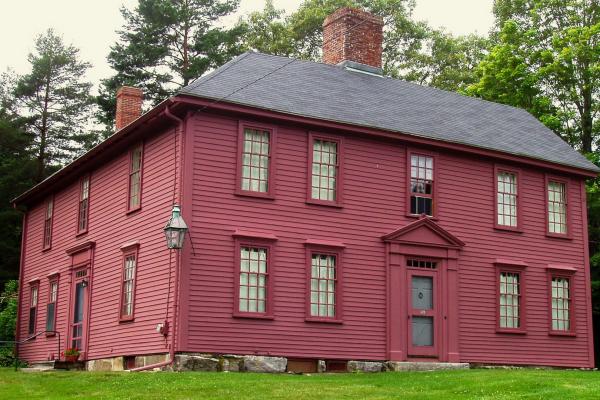
Used by both sides during the Battle of Lexington and Concord, the Munroe Tavern, it was most famously used Hugh Percy during his relief march to aid the retreating British column from Concord.
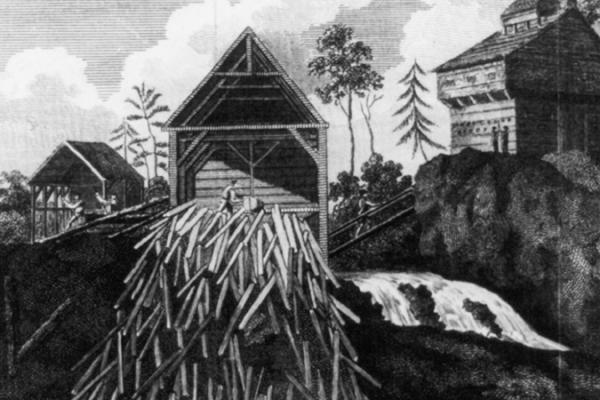
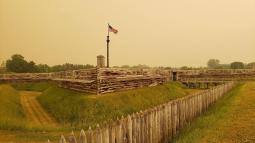
At the Battle of Fort Ann, American forces mounted a fierce resistance against advancing British troops during the Saratoga campaign. Though forced to withdraw, the determined defense slowed the British advance and contributed to the growing strain on their northern army.
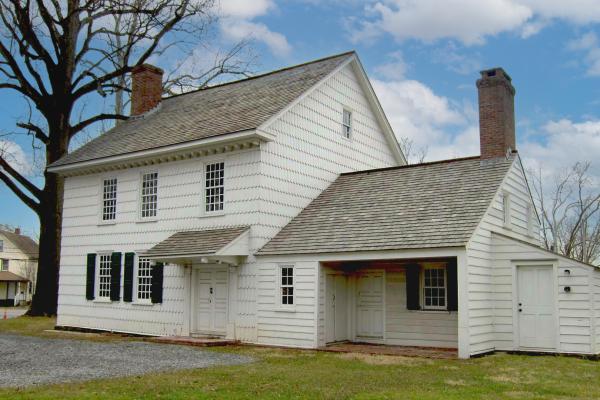
This unassuming home, owned by the Covenhoven family, was requisitioned by British General Henry Clinton in the days prior to the monumental Battle of Monmouth.
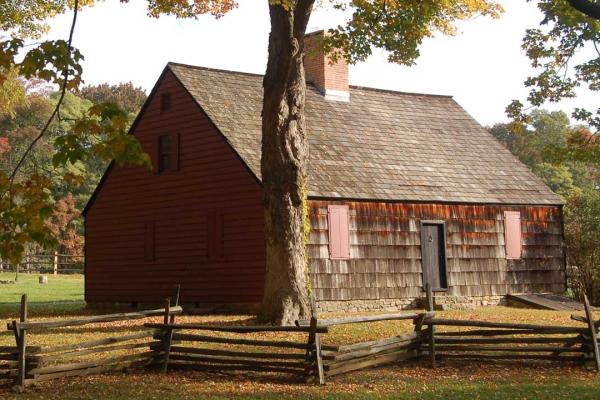
Jockey Hollow, the site of General Washington’s winter encampment in 1779-1780, played a key role in forging the Continental Army's strength and unity. The nearby Wick House, once home to Major General Arthur St. Clair, now stands as a historic landmark, offering a glimpse into the hardships and strategies of that fateful winter.
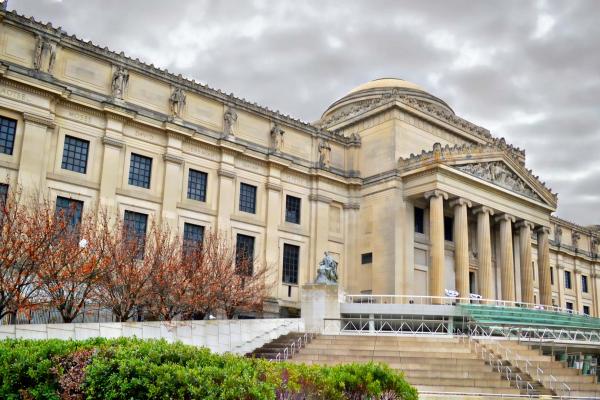
Art museum in Brooklyn that possesses paintings, prints, and collections related to the Revolutionary War and the Battle of Brooklyn.
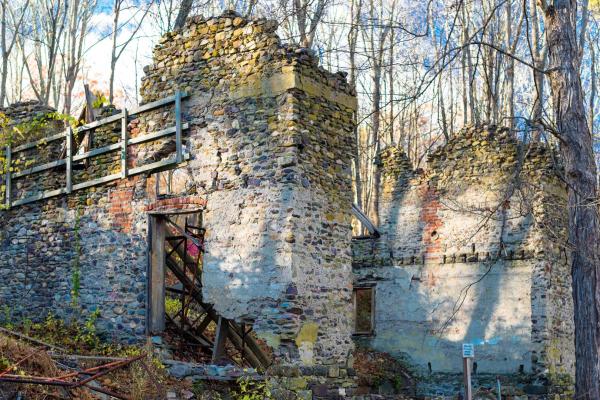
Owned and operated by German immigrants, this site once housed one of the largest ironworks in the colonies that supplied the Continental Army. Started in 1766, it was in operation for over a century.
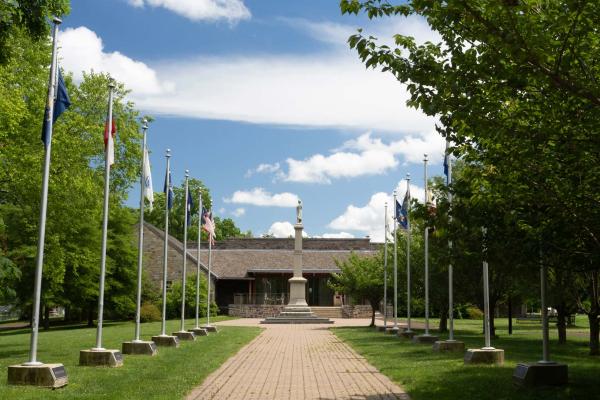
Located on the Pennsylvania side of the Delaware River, this park commemorates Washington's planning of his famous crossing that re-ignited the spark of liberty.