-
The BlogBiographies
-
Videos

We invite you to visit the preserved locations along the Liberty Trail and to immerse
yourself in the extraordinary events that determined the fate of a nation.
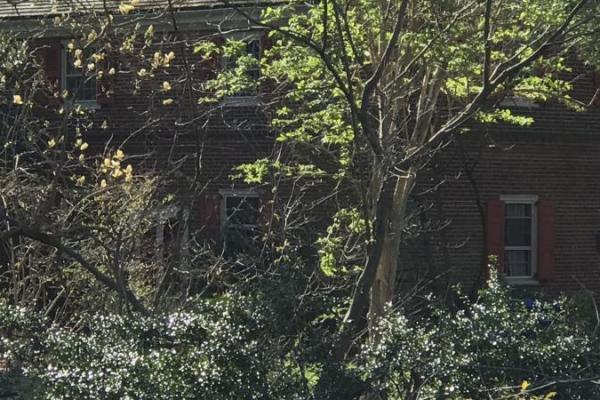
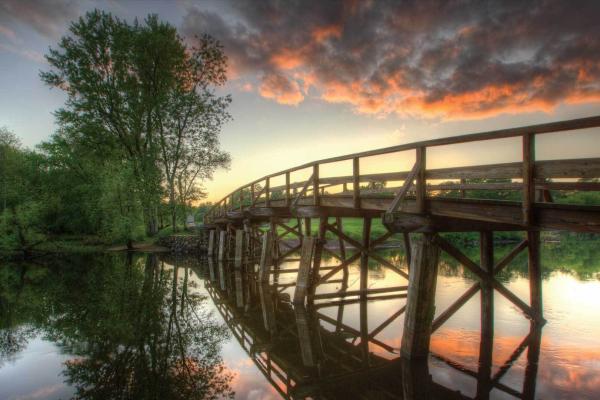
At this bridge, American forces under Colonel Samuel Griffin and foraging parties under Hessian Colonel Carl Ulrich von Donop clashed several times throughout December of 1776.
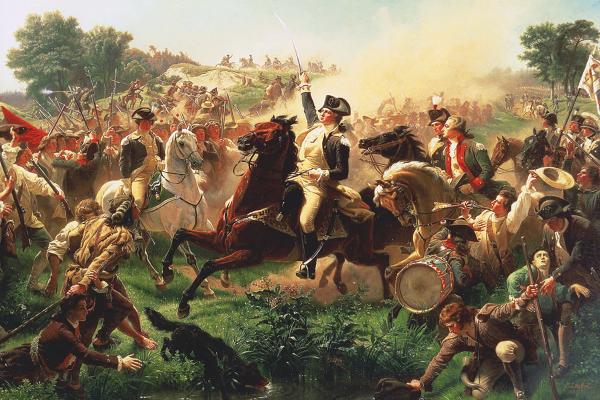
The Battle of Monmouth took place on June 28, 1778, between the Continental Army and British forces, and is now preserved as Monmouth Battlefield State Park.

In the final days of the Revolutionary War, Rockingham became General George Washington’s last wartime headquarters, where he penned his Farewell Orders to the Armies of the United States. As he prepared to step away from military command, news arrived that the Treaty of Paris had been signed, securing America’s independence.
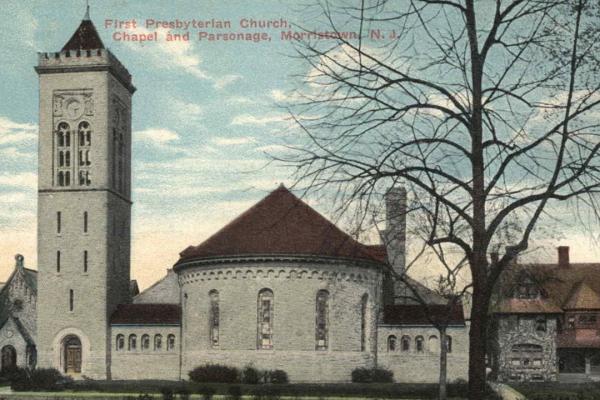
Located along the Morristown Green, the former site of the original First Presbyterian Church once acted as the infirmary for smallpox inoculated Continentals
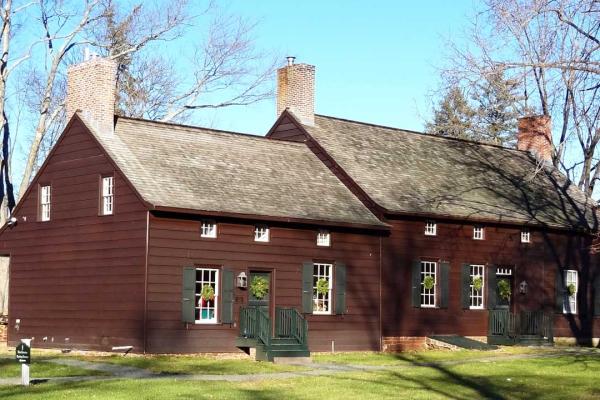
The only surviving building associated with the Pluckemin Artillery Cantonment, America's first military academy, it served as the headquarters of Henry Knox during the Middlebrook encampment of 1778-1779.
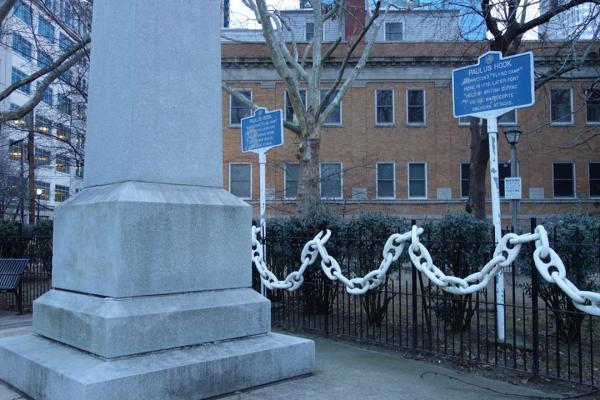
A small victory for the Continental Army, the Battle of Paulus Hook won the reassurances of the Patriots and compelled many to continue the fight for independence.
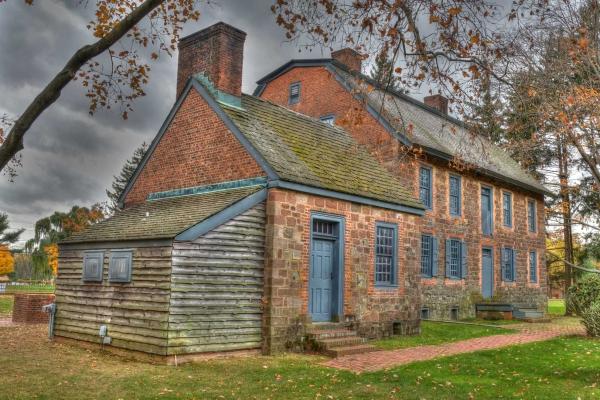
The Dey Mansion, built around 1770, served as General George Washington’s headquarters in 1780 during a pivotal time in the American Revolution. As one of his surviving field headquarters, it offers a lasting connection to the strategic decisions, military challenges, and historic events that shaped the fight for independence.
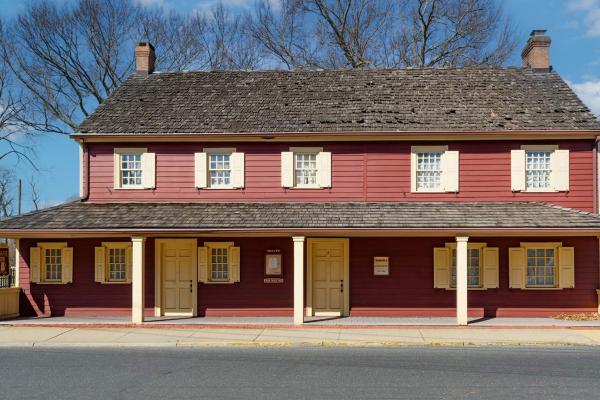
This tavern marked the turning point of Washington's advance against Henry Clinton's column. It was here that the order was given to Charles Lee to attack the next morning, June 28, 1778, thus commencing the Battle of Monmouth.
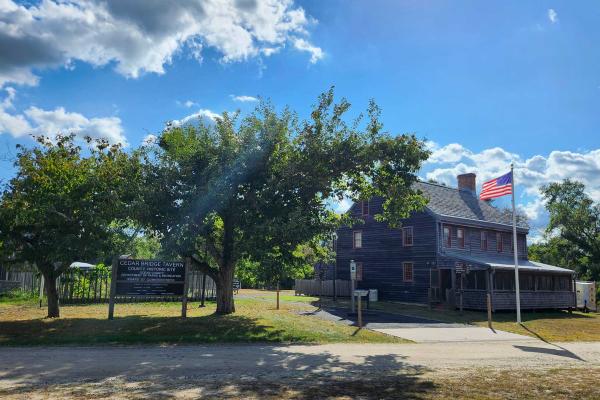
On December 27, 1782, Patriot forces under Captain Richard Shreve and Captain Edward Thomas were surprised at a tavern by Loyalist raider Captain John Bacon, igniting a sharp skirmish. Though the militia gained the advantage, aid from local Loyalists allowed the wounded Bacon to escape, leaving casualties on both sides and marking what is believed to be the last land engagement of the American Revolution.
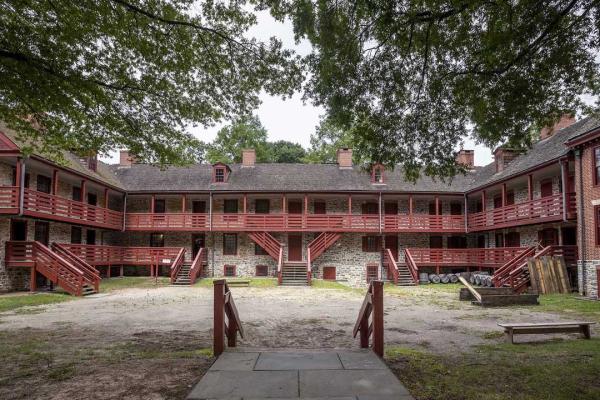
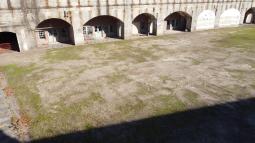
The Old Barracks Museum is located in Trenton, New Jersey and stands as one of the last military structures dating back the French & Indian War and the American Revolution.
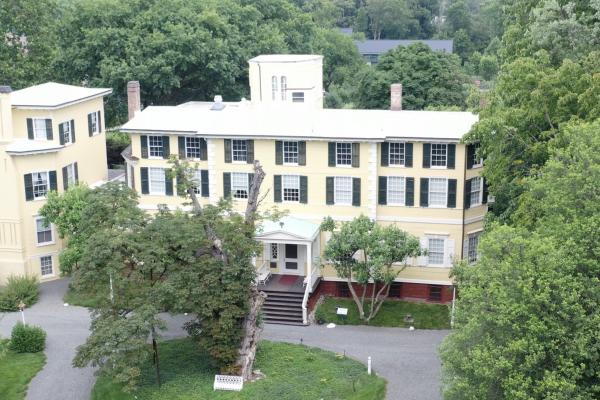
The Battles of Connecticut Farms and Springfield were small but at the same time significant. It proved that New Jersey militia would stubbornly oppose any attempt by the British to move inland. The battles also showed that militia and Continental regular troops could work well together.
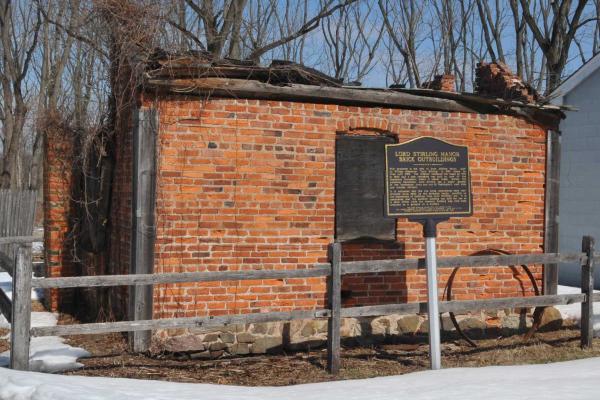
Once a sprawling manor complex in the New Jersey countryside belonging to Major General William Alexander, all that remains are two extant structures and the cellar of the original home.