-
The BlogBiographies
-
Videos

We invite you to visit the preserved locations along the Liberty Trail and to immerse
yourself in the extraordinary events that determined the fate of a nation.
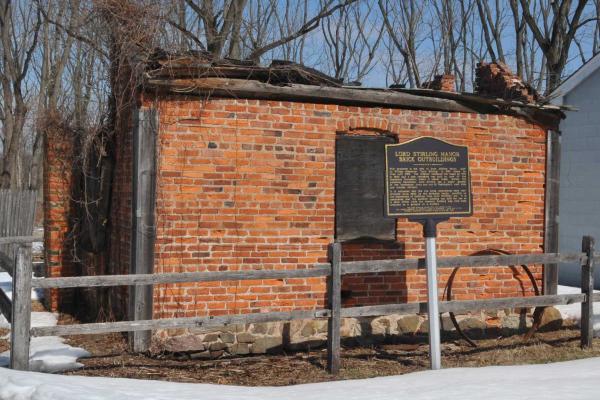
Once a sprawling manor complex in the New Jersey countryside belonging to Major General William Alexander, all that remains are two extant structures and the cellar of the original home.
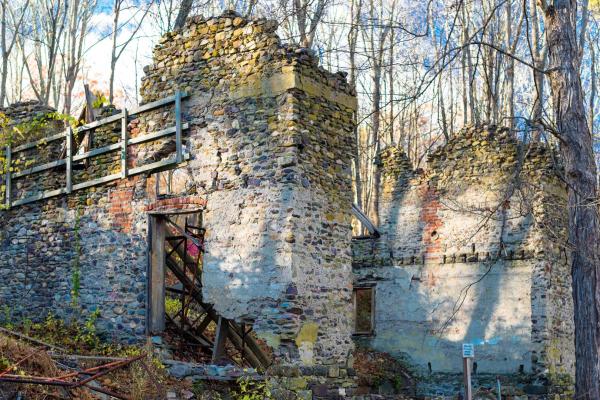
Owned and operated by German immigrants, this site once housed one of the largest ironworks in the colonies that supplied the Continental Army. Started in 1766, it was in operation for over a century.
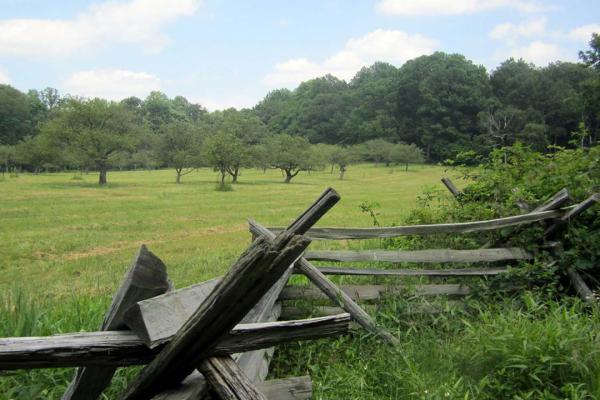
Morristown National Historical Park marks the site of the Continental Army’s 1779-80 encampment under George Washington. It symbolizes America’s fight for independence and Washington’s leadership in uniting the army, remaining a lasting symbol of resilience and patriotism.
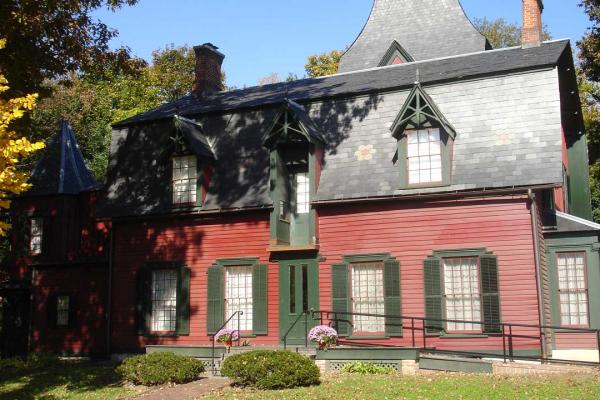
Located in northern New Jersey, the Nathaniel Drake house offers a unique glimpse into life during the American Revolution. Once housing George Washington and his officers in 1777, it proves itself a vital landmark in the state.

A home to a Quaker family, it served as a hospital following the Battle of Red Bank.
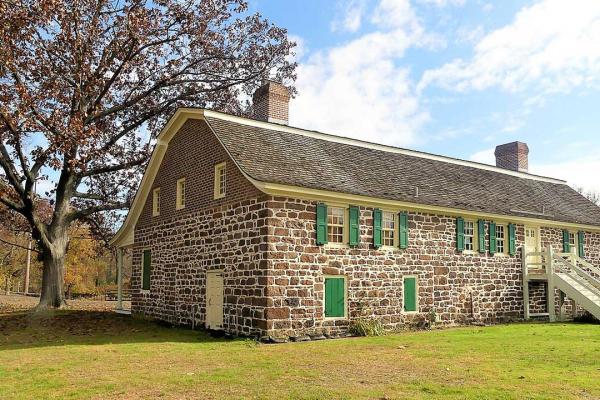
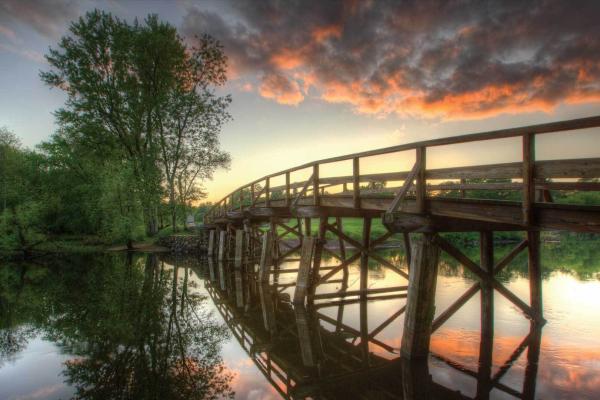
Known for having the "Bridge that Saved the Nation," these grounds were once traversed by George Washington and the battered Continental Army as it retreated from New York
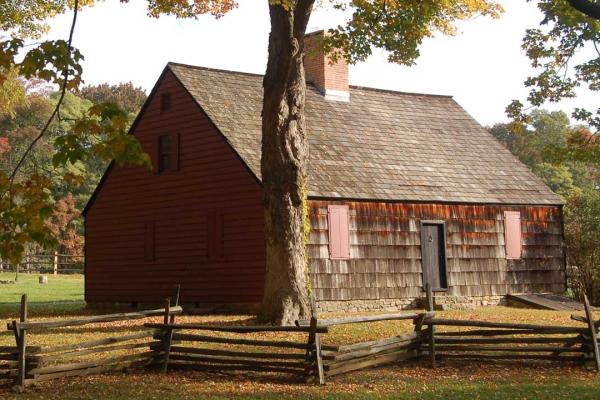
Jockey Hollow, the site of General Washington’s winter encampment in 1779-1780, played a key role in forging the Continental Army's strength and unity. The nearby Wick House, once home to Major General Arthur St. Clair, now stands as a historic landmark, offering a glimpse into the hardships and strategies of that fateful winter.
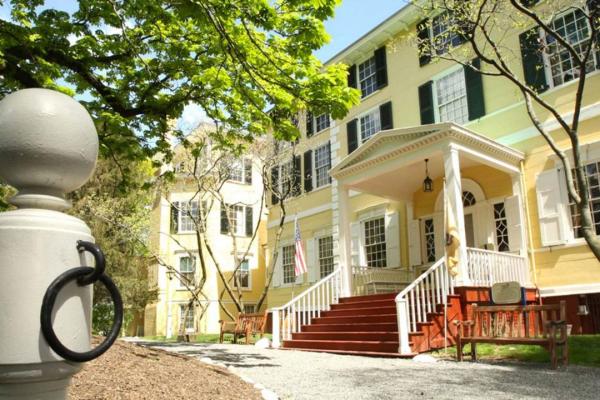
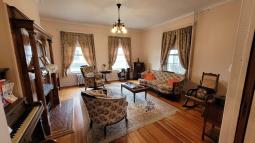
Liberty Hall was home to trailblazing governors, congressmen, senators, assembly persons, philanthropists, and entrepreneurs. Inhabited by William Livingston, New Jersey’s first elected governor and a signer of the United States Constitution, the 14-room Georgian-style home evolved over time into a 50-room Victorian mansion.
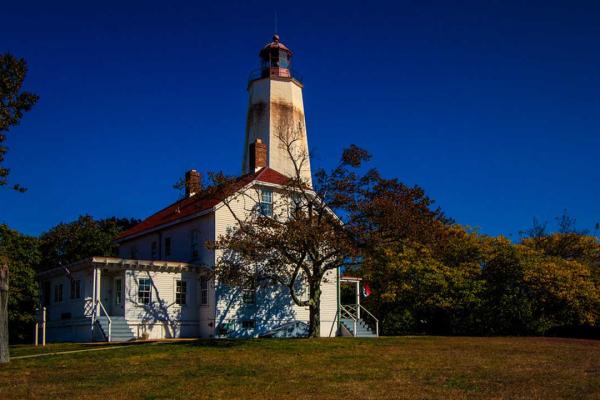
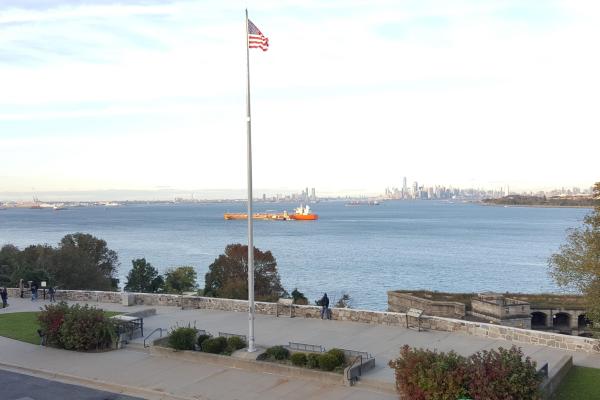
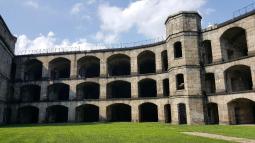
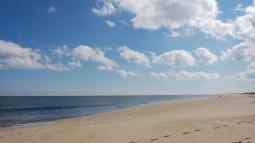
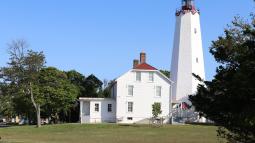
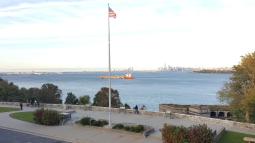
A strategic location for the defense of New York's harbor, the Continentals failed to reinforce this peninsula, leading to the city's capture in August of 1776. A lighthouse dating to 1764 still operates there today, once serving as a Loyalist fortification.
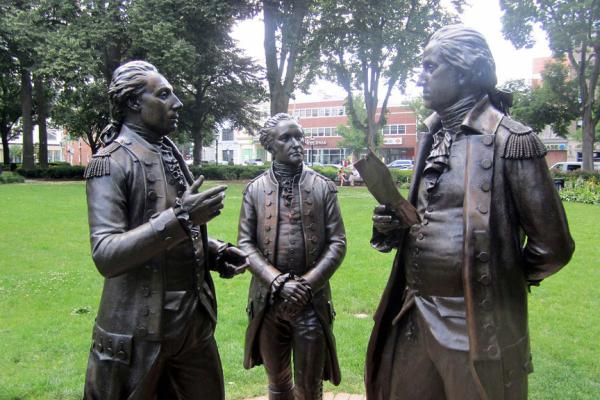
Now a quiet park in the center of urban Morristown, this green once served as the training and parade grounds of the Continental Army during its 1777 winter encampment.
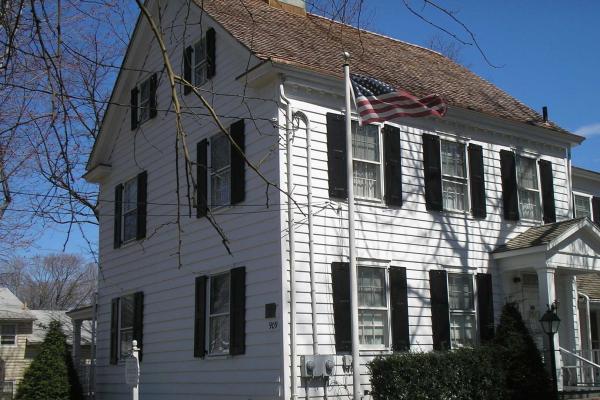
The Caldwell Parsonage is a site of tragedy outside of the battlefield of Connecticut Farms & Springfield. The events that transpired that day still have lasting legacies for the township.

In the final days of the Revolutionary War, Rockingham became General George Washington’s last wartime headquarters, where he penned his Farewell Orders to the Armies of the United States. As he prepared to step away from military command, news arrived that the Treaty of Paris had been signed, securing America’s independence.