-
The BlogBiographies
-
Videos

We invite you to visit the preserved locations along the Liberty Trail and to immerse
yourself in the extraordinary events that determined the fate of a nation.

Not far from Camden Battlefield, Goodale State Park is lined with cypress trees, a spring-fed lake that offers boating, fishing, and hiking opportunities.
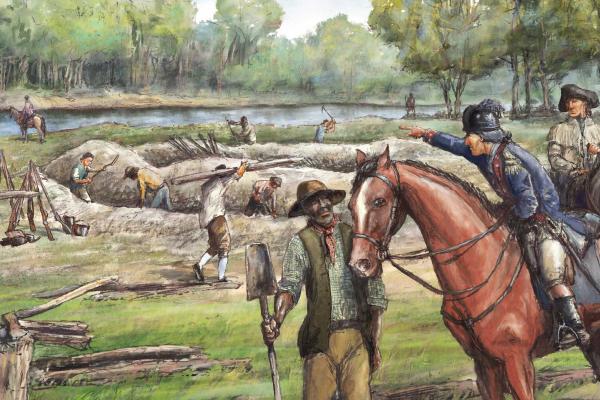
Known as an extremely important ferry crossing in the Colonial Period, Marion fortified this ferry and frequently utilized it to quickly move his troops to lay ambushes
The Battle of Sullivan’s Island, fought near the site of today’s Fort Moultrie in June 1776, was the first significant Patriot victory of the Revolutionary War.
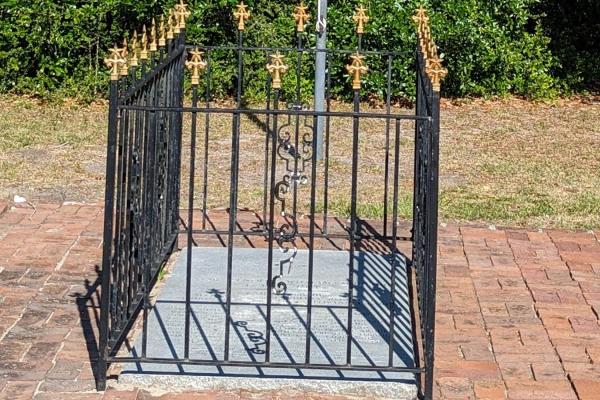
William Moultrie died in 1805 and was buried in the family cemetery. In 1977, his remains were moved to Sullivan's Island within Fort Moultrie.

Old Santee Canal Park hosts the Berkeley County Museum and Fort Fair Lawn, where in 1780, the British attacked the Patriot army stationed at Monck’s Corner.
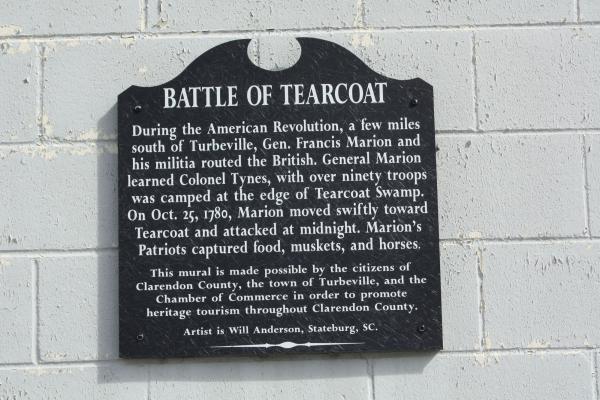
A surprise Patriot attack on Loyalist recruits is a blow to the British
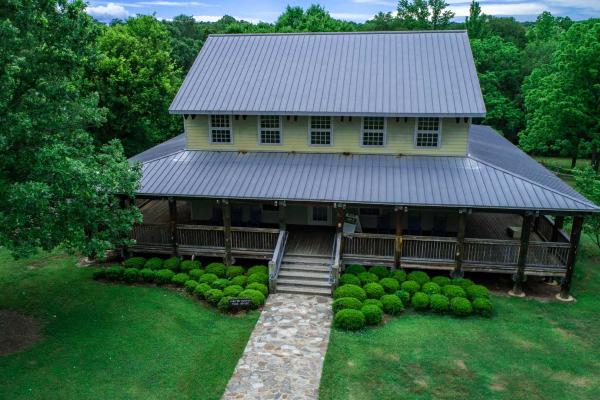
The site of the 1780 battle of Musgrove’s Mill where a small force of Patriot militia fought and defeated a larger force of Loyalist and Provincial soldiers in a short but pivotal battle.
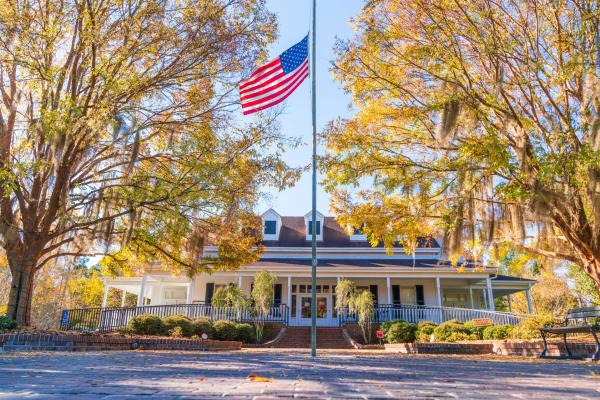
The Berkeley County Museum is located in historic Moncks Corner, South Carolina and contains Revolutionary stories and artifacts from around the county.
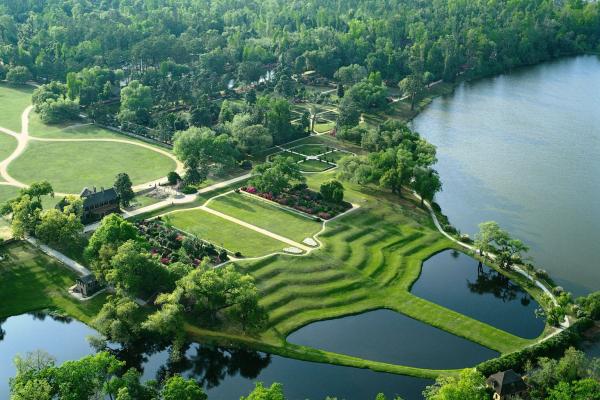
Middleton Place is America’s Oldest Landscaped Gardens and home to a signer of the Declaration of Independence.
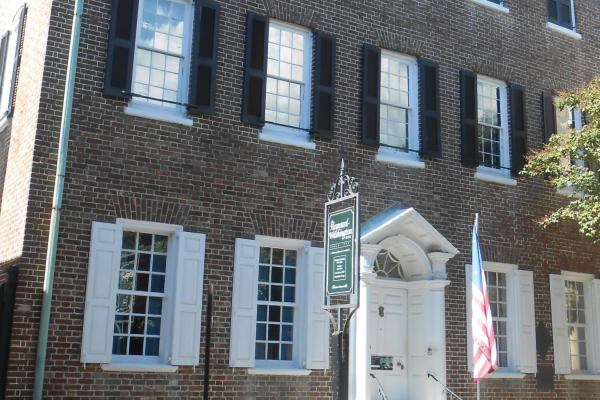
This historic house museum was the home of Thomas Heyward, Jr., one of four South Carolina signers of the Declaration of Independence.
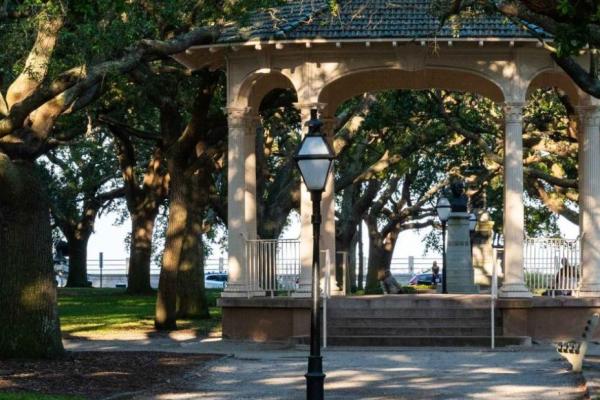
The White Point Garden offers incredible views that span across the Ashley and Cooper Rivers. Fort Sumter, Castle Pinckney, and the Sullivan Island Lighthouse can all be spotted in the distance. The Defenders of Fort Moultrie, a monument honoring South Carolinian soldiers during the Battle of Sullivan's Island is centrally located.
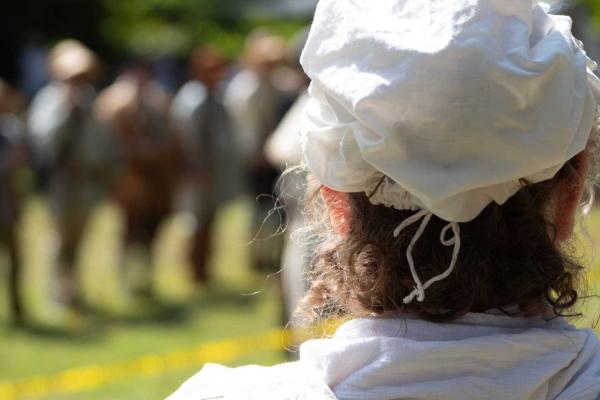
When Jane Black Thomas overheard Loyalists plotting a surprise attack on her son's militia camp, she rode nearly 60 miles through dangerous territory to warn him. Her daring ride gave Colonel John Thomas Jr. and his Spartan Regiment time to prepare an ambush that repelled the attackers — fueling Patriot momentum toward the war-changing Battle of King's Mountain just three months later.