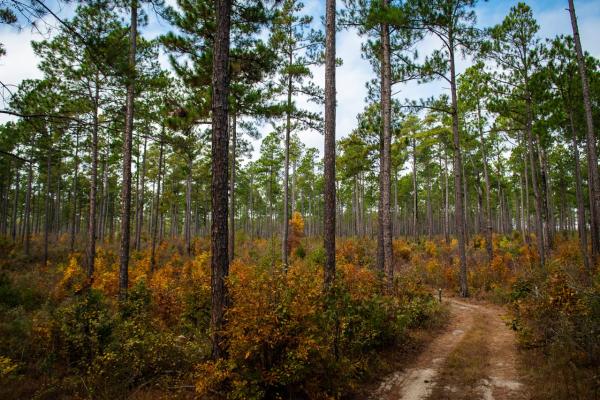
From the mountains to the coast, and everything in between, find trails across The Liberty Trail for every biking enthusiast.
-
The BlogBiographies
-
Videos

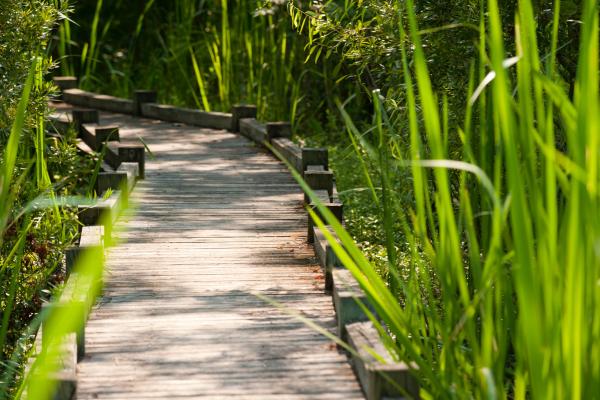
From the mountains to the coast, and everything in between, find trails across The Liberty Trail for every biking enthusiast.
Designated portions of the park exist for both road and mountain biking.
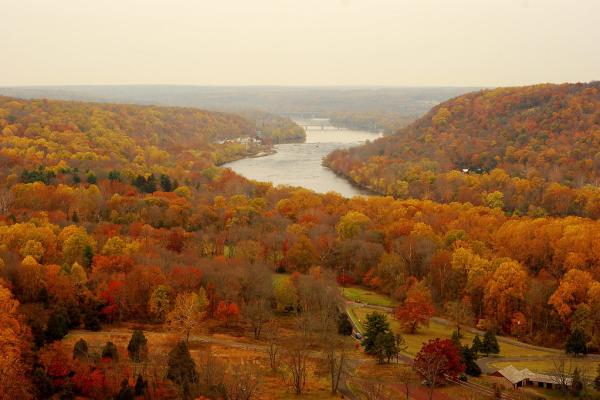
5 Miles of mountain biking trails are available in the Phillips Farm day use area.
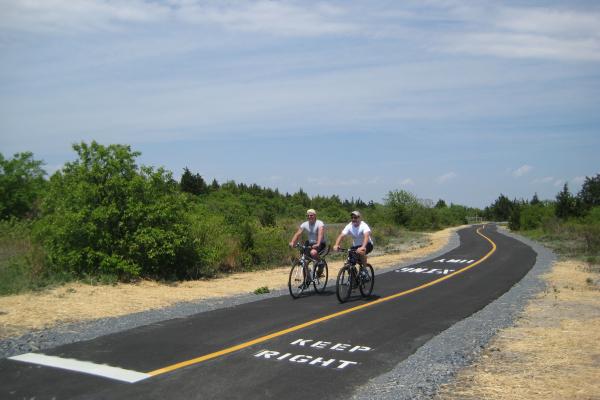
See the breathtaking natural scenery and historic military buildings of Sandy Hook's peninsula by bike. Sandy Hook's Multi Use Path is seven miles long and begins at the entrance to the unit. The main...
We invite you to visit the preserved locations along the Liberty Trail and to immerse
yourself in the extraordinary events that determined the fate of a nation.
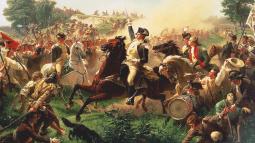
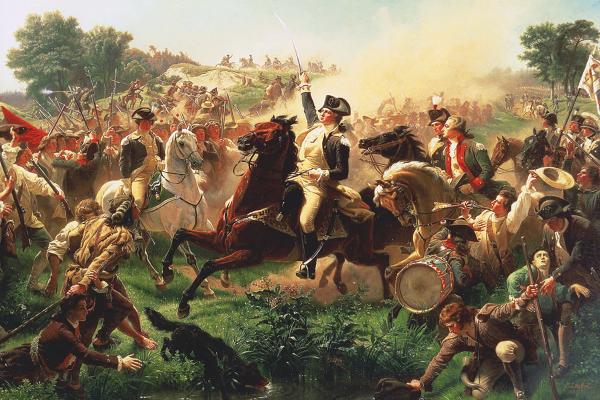
The Battle of Monmouth took place on June 28, 1778, between the Continental Army and British forces, and is now preserved as Monmouth Battlefield State Park.
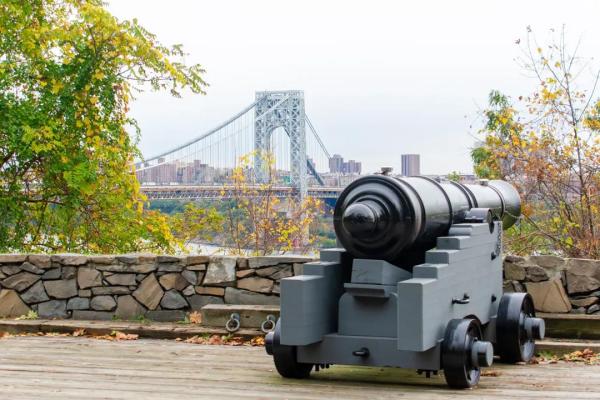
Located along the banks of the Hudson, outnumbered Patriot forces quickly evacuated this site on November 20, 1776, as the British army advanced on their position.
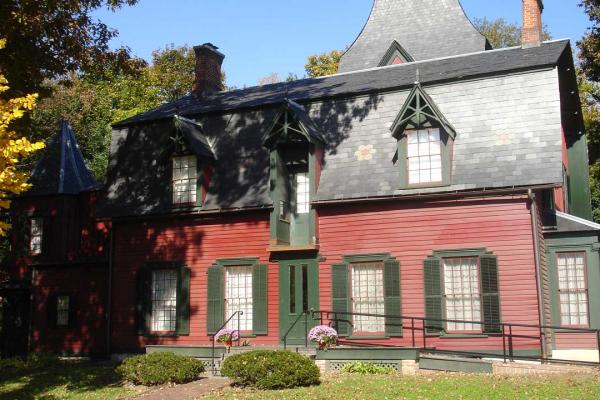
Located in northern New Jersey, the Nathaniel Drake house offers a unique glimpse into life during the American Revolution. Once housing George Washington and his officers in 1777, it proves itself a vital landmark in the state.
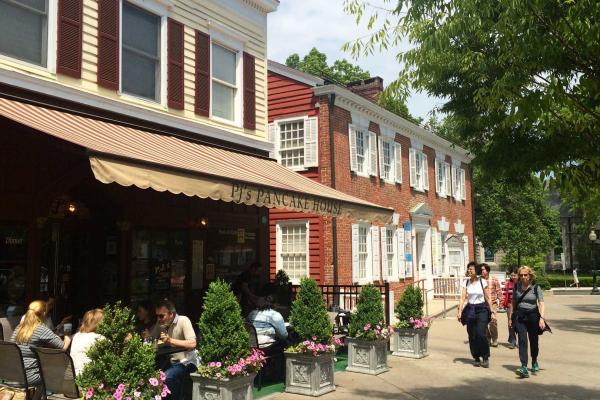
A hidden gem in the borough of Princeton, the Bainbridge House was constructed in the mid-1760s and stands as a hallmark of colonial architecture. Today, it acts as a museum and interpretive center.

The Royal Governor's Mansion of New Jersey is the only remaining proprietary governor's mansion of the original Thirteen Colonies still standing today. Built in the 1760s, it served as the residence gubernatorial residence of William Franklin, Benjamin Franklin's Loyalist son.
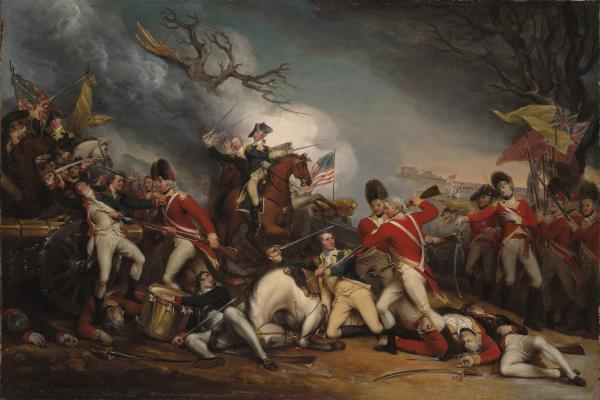
After crossing the Delaware, George Washington's ten-day campaign culminated in a decisive victory at the Battle of Princeton on January 3, 1777, proving his army could defeat the British. The battle saw Washington's forces overcome initial setbacks to rout the British and shift the momentum of the war
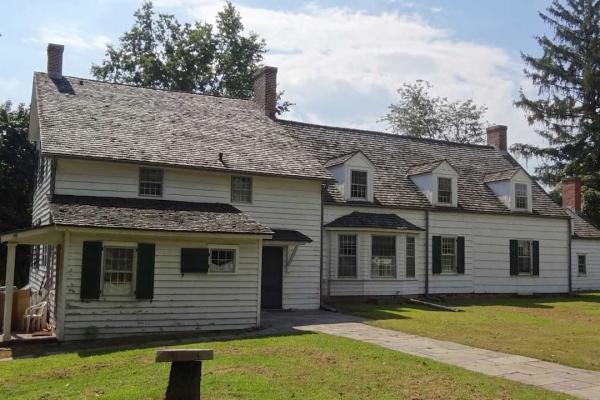
Constructed in the early 1740s, this home acted as the headquarters of Baron Von Steuben during the Continental Army's cantonment in 1779. Today, it stands as one of the few remaining Dutch structures in central New Jersey.
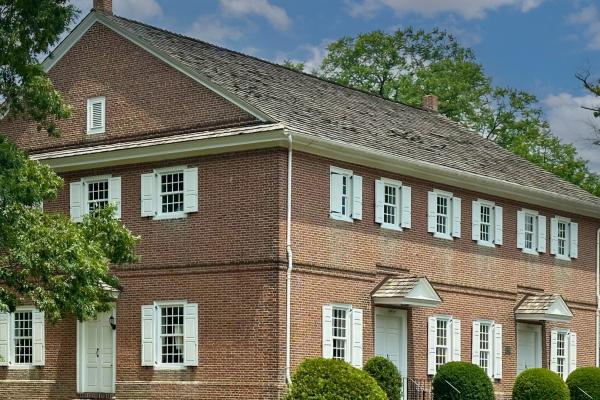
New Jersey militia and Continentals assaulted a British column in-and-around these grounds in mid-June of 1778, just days before a continued series of skirmishes reached their zenith at the Battle of Monmouth.

This Revolutionary War landmark withstood fierce fighting during the Battle of Springfield. A British cannonball struck the home — and the scar remains visible today. Inside, the house has been restored and now serves as a museum filled with artifacts, documents, and stories that bring the 1780 battle to life.
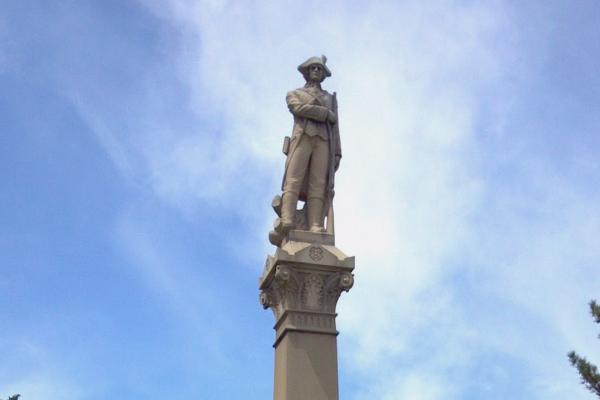
Chestnut Neck, occupied by Patriots until October of 1778, was a privateer outpost utilized as a staging point for planning and executing the capture of several British naval vessels.
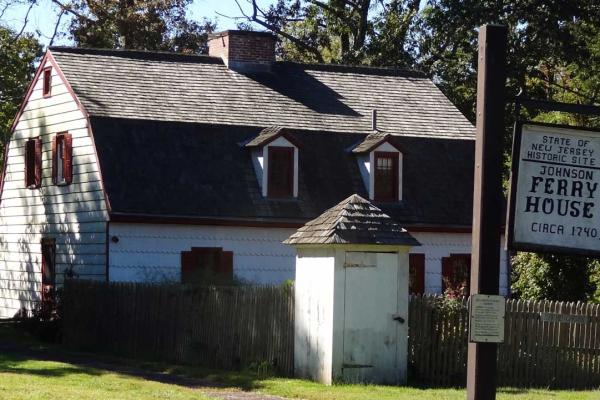
Built in the 1740s, this building acted as a ferry house for those wishing to cross the Delaware, including the likes of George Washington and his men on Christmas night of 1776.
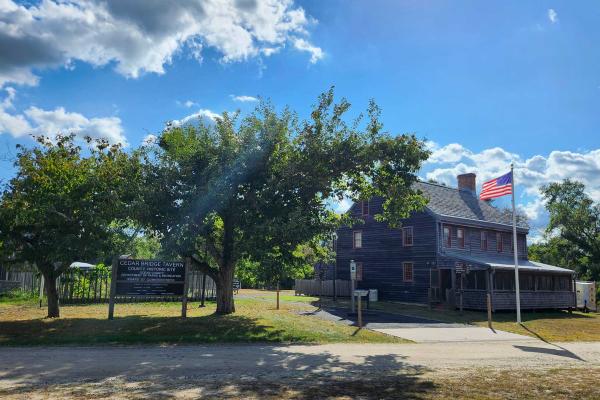
On December 27, 1782, Patriot forces under Captain Richard Shreve and Captain Edward Thomas were surprised at a tavern by Loyalist raider Captain John Bacon, igniting a sharp skirmish. Though the militia gained the advantage, aid from local Loyalists allowed the wounded Bacon to escape, leaving casualties on both sides and marking what is believed to be the last land engagement of the American Revolution.